
Raymond Mill Manufacturers in China: A Comprehensive Guide
We provide a wide range of mills — including Raymond mill, trapezoidal mill, vertical mill, ultrafine mill, and ball mill, obtained ISO9001 international quality certification, EU CE certification, and Customs Union CU-TR certification. Suitable for processing minerals such as limestone, phosphate, quicklime, kaolin, talc, barite, bentonite, calcium carbonate, dolomite, coal, gypsum, clay, carbon black, slag, cement raw materials, cement clinker, and more.
The discharge range of these mills can be adjusted to meet specific processing needs, typically from 80-400 mesh, 600-3250 mesh, and can achieve the finest particle size of up to 6000 mesh(D50).
If you are looking for a reliable grinding solution to turn stone or minerals into fine powder, please feel free to contact our online customer service.
Raymond Mill Manufacturers in China: A Comprehensive Guide
For decades, China has stood as a global powerhouse in industrial machinery manufacturing, and its dominance in the grinding mill sector is particularly noteworthy. The evolution from basic Raymond mill designs to today’s sophisticated, high-efficiency systems reflects a deep commitment to innovation, precision engineering, and meeting the diverse needs of a global market. This guide explores the landscape of Chinese Raymond mill manufacturers, highlighting key technological advancements and what discerning buyers should look for.
The journey began with the traditional Raymond mill, a reliable workhorse for medium-fine grinding. However, the demands of modern industries for higher yields, finer powders, and greater energy efficiency have driven manufacturers to push boundaries. Today’s leading Chinese producers are not merely fabricators; they are integrated engineering firms that combine advanced R&D, digital manufacturing, and comprehensive after-sales support. The market is characterized by a shift from standardized models to customizable solutions tailored for specific materials—from limestone and calcite to more specialized applications in chemicals, pharmaceuticals, and advanced materials.
Key Technological Innovations Defining the Market
The competitive edge of top-tier Chinese manufacturers lies in their proprietary technologies. Several key innovations have become industry benchmarks. Advanced powder separation systems, often incorporating German or Taiwanese technology, allow for precise fineness control up to 2500 meshes. The integration of PLC automated control systems enables remote monitoring and adjustment of grinding parameters, ensuring consistent product quality and operational stability.
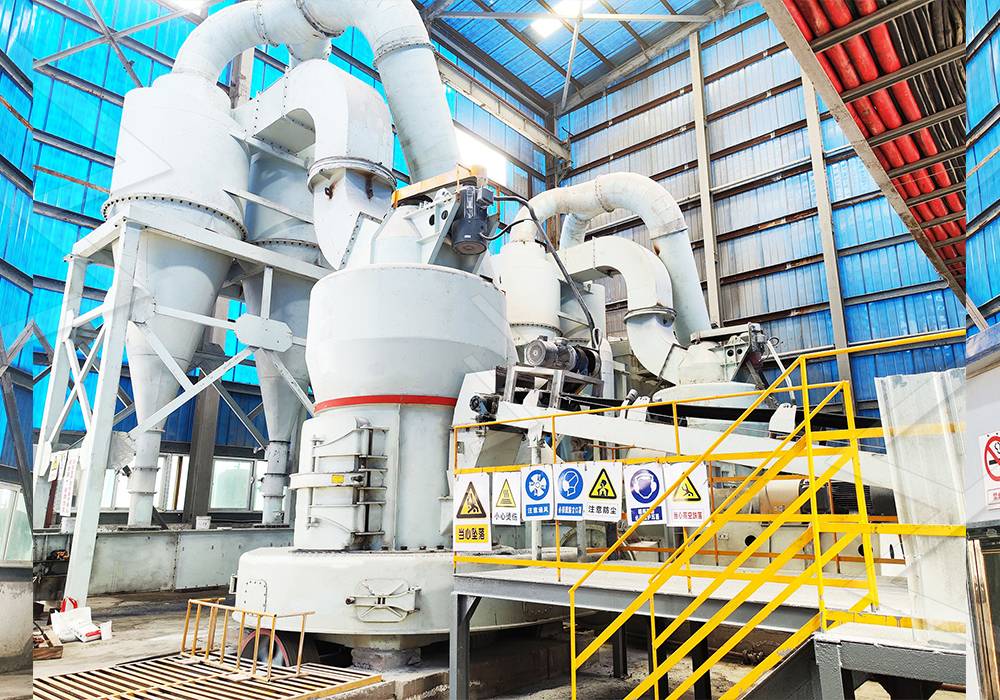
Perhaps the most significant leap has been in energy efficiency and environmental design. Modern mills are engineered as closed, negative-pressure systems equipped with high-efficiency pulse dust collectors and silencers, virtually eliminating dust pollution and significantly reducing noise. Furthermore, structural innovations like external lubrication systems, reversible roller assemblies for easier maintenance, and wear-resistant alloy grinding components have drastically increased machine longevity and reduced downtime.
Spotlight on Advanced Solutions: The MW Ultrafine Grinding Mill
Among the plethora of options, certain models exemplify the pinnacle of this technological progress. A prime example is the MW Ultrafine Grinding Mill, a machine designed for customers requiring ultra-fine powder between 325 and 2500 meshes. It handles an input size of 0-20 mm with a capacity ranging from 0.5 to 25 tph.
What sets the MW series apart is its exceptional efficiency. Its newly designed grinding curves for the roller and ring enhance grinding efficiency, yielding a production capacity reportedly 40% higher than jet or stirred mills at the same fineness and power. Its cage-type powder selector ensures high precision separation, achieving a screening rate of d97≤5μm in a single pass. Critically, its design eliminates rolling bearings and screws inside the grinding chamber, removing common failure points and allowing for external lubrication without shutdowns. Coupled with its efficient pulse dust collection system, it represents a robust, eco-friendly solution for producing high-purity powders for industries like chemicals, paints, cosmetics, and food additives.
Navigating the Manufacturer Selection Process
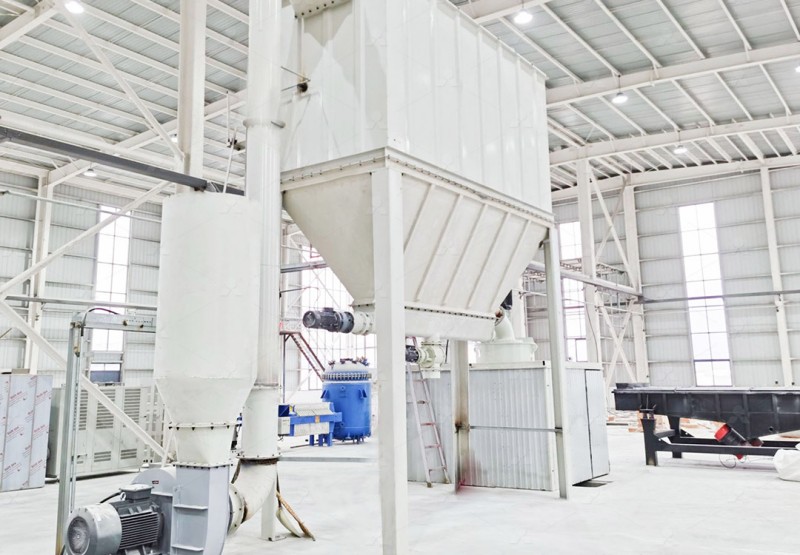
Choosing the right manufacturer is as crucial as selecting the right mill type. Beyond specifications, buyers must evaluate a company’s engineering pedigree, quality control processes, and service network. Leading manufacturers operate extensive numerical control (CNC) machining centers, ensuring high precision for core components. They also maintain complete in-house responsibility for production and sales, which translates into direct accountability, reliable technical support, and guaranteed access to original spare parts.
Prospective buyers should seek partners who offer comprehensive testing services, can provide detailed project plans including layout and auxiliary equipment selection, and have a proven export record with compliance to international standards. The best manufacturers view each project as a partnership, offering lifecycle support from installation and commissioning to operator training and long-term maintenance.
The Future of Grinding: Integration and Intelligence
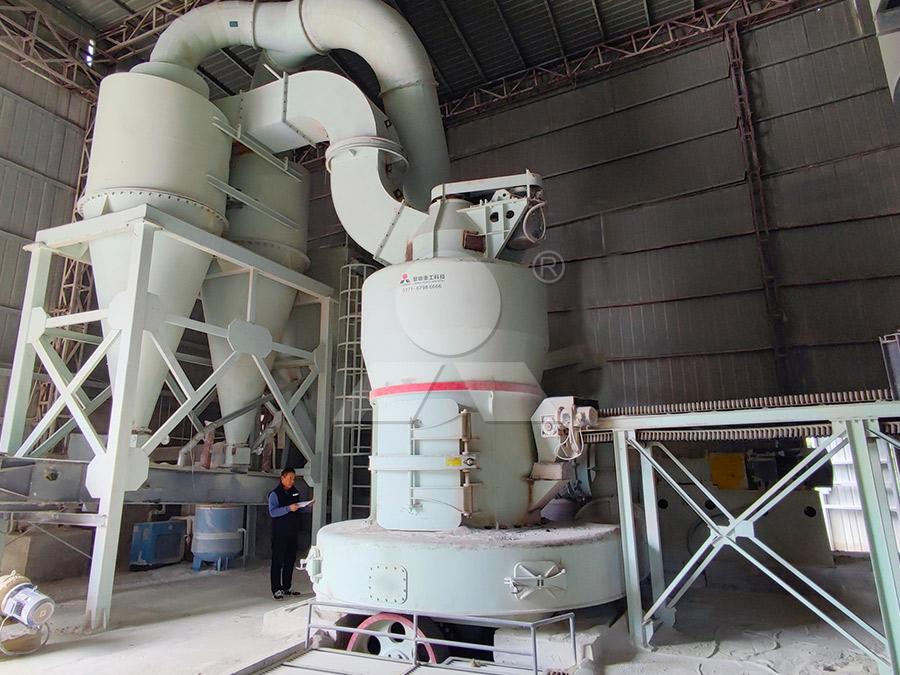
The trajectory for Chinese Raymond mill manufacturers points towards greater integration and smart technology. The future lies in fully automated grinding systems that integrate crushing, drying, grinding, classifying, and conveying into a single, intelligently controlled process line. Another standout model pointing to this future is the LUM Ultrafine Vertical Grinding Mill. With an input size of 0-10 mm and capacity of 5-18 tph, it integrates ultrafine grinding, grading, and transporting. Its features, like a unique roller shell design for better material layering, multi-head powder separating technology for 30%-50% energy savings, and a reversible structure for easier maintenance, showcase the move towards highly efficient, user-centric, and intelligent milling solutions.
In conclusion, the Chinese Raymond mill manufacturing sector offers a spectrum of technology from reliable, cost-effective workhorses to cutting-edge, ultra-fine grinding systems. Success in sourcing hinges on understanding one’s specific material requirements, desired fineness, and capacity needs, and then partnering with a manufacturer whose technological capabilities and service philosophy align with those long-term operational goals. The depth of engineering and commitment to innovation ensures that Chinese-made grinding mills will remain at the forefront of global industrial processing for years to come.
Frequently Asked Questions (FAQ)
1. What is the main difference between a traditional Raymond Mill and newer models like the MW or LUM series?
Traditional Raymond mills are excellent for medium-fine grinding but have limitations in ultra-fine ranges and energy efficiency. Newer series like the MW Ultrafine Grinding Mill and LUM Vertical Mill incorporate advanced powder separators, optimized grinding curves, and intelligent control systems. They achieve much finer particle sizes (up to 2500 meshes), offer significantly higher yield per energy consumed, and feature designs that minimize maintenance and environmental impact.
2. How do I determine the right grinding mill capacity and fineness for my project?
This depends on your raw material characteristics (hardness, moisture, input size) and your final product specifications. Reputable manufacturers typically require a sample of your material for testing in their labs. They can then recommend the optimal model, configure its settings (like separator speed), and predict its capacity and final fineness based on the test results, ensuring the selected mill meets your production targets.
3. Are Chinese-manufactured grinding mills reliable for long-term, 24/7 operation?
Yes, from leading manufacturers, they are engineered for high reliability. Key factors contributing to this are the use of high-precision CNC machining for core parts, high-performance wear-resistant alloys for grinding components, and robust design features like external lubrication systems and simplified internal chambers. Always inquire about the design life of wear parts, the availability of original spare parts, and the manufacturer’s warranty and service support structure.
4. What kind of environmental and safety features are standard in modern mills?
Modern mills are designed as closed-circuit systems operating under negative pressure, which prevents dust leakage. They are universally equipped with high-efficiency pulse jet bag dust collectors, often achieving a dust emission concentration far below national standards. Noise reduction is addressed through silencers, soundproofing materials, and stable mechanical designs. Many also feature comprehensive electrical and mechanical safety interlocks.
5. Can these mills handle abrasive or heat-sensitive materials?
Yes, but configuration is key. For abrasive materials, manufacturers can specify special wear-resistant linings and grinding rollers. For heat-sensitive materials, the integrated drying and grinding function can be precisely controlled; the short material residence time in mills like the LUM series prevents overheating. Discussing your specific material properties with the manufacturer’s engineers is essential to configure the right system with appropriate cooling or material handling adaptations.
6. What does the typical after-sales service include?
Comprehensive service from a quality manufacturer includes detailed installation guidance or supervised installation, commissioning and performance testing, thorough operator and maintenance personnel training, and a readily available inventory of original spare parts. Many also offer remote diagnostic support and periodic maintenance check-ups. Ensure your supplier provides clear documentation, including operation and maintenance manuals in your required language.