
Rhyolite Vertical Mill for Fine Powder Production
We provide a wide range of mills — including Raymond mill, trapezoidal mill, vertical mill, ultrafine mill, and ball mill, obtained ISO9001 international quality certification, EU CE certification, and Customs Union CU-TR certification. Suitable for processing minerals such as limestone, phosphate, quicklime, kaolin, talc, barite, bentonite, calcium carbonate, dolomite, coal, gypsum, clay, carbon black, slag, cement raw materials, cement clinker, and more.
The discharge range of these mills can be adjusted to meet specific processing needs, typically from 80-400 mesh, 600-3250 mesh, and can achieve the finest particle size of up to 6000 mesh(D50).
If you are looking for a reliable grinding solution to turn stone or minerals into fine powder, please feel free to contact our online customer service.
Rhyolite Vertical Mill for Fine Powder Production
The pursuit of ultra-fine powders in modern industry demands grinding solutions that combine precision, efficiency, and environmental stewardship. For materials like rhyolite—a fine-grained volcanic rock valued in ceramics, fillers, and specialized construction materials—achieving consistent, high-yield fine powder production presents unique challenges. Traditional grinding methods often fall short, struggling with excessive energy consumption, broad particle size distribution, and significant operational wear. This is where advanced vertical mill technology makes a decisive difference, offering a streamlined, high-performance path from raw mineral to premium powder.
The Vertical Advantage in Fine Grinding
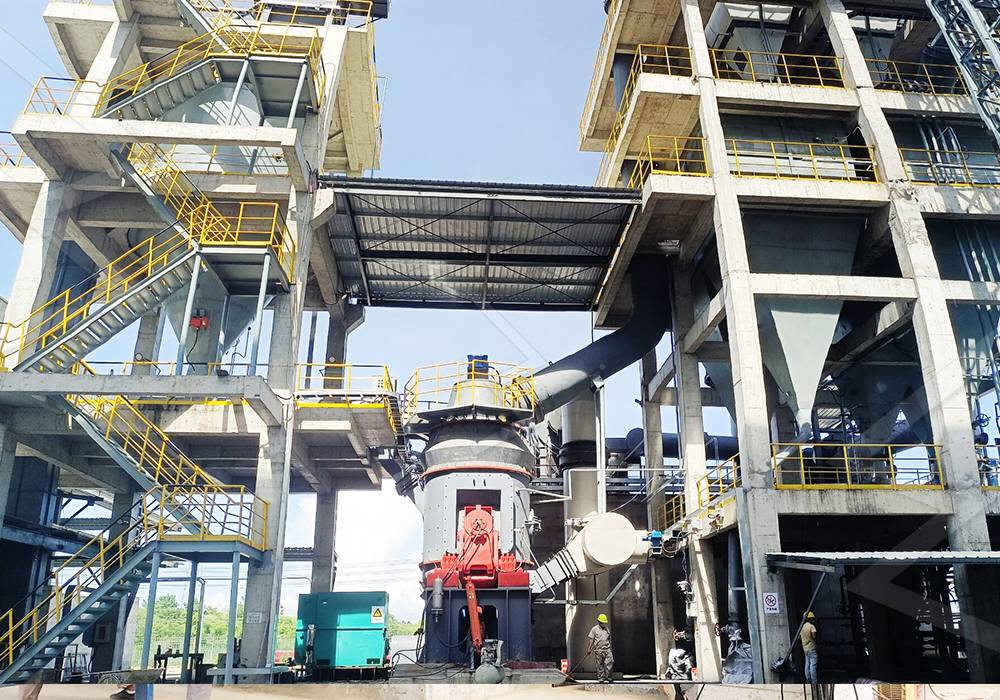
Vertical roller mills have revolutionized mineral processing by integrating multiple stages—crushing, grinding, drying, classifying, and conveying—into a single, compact unit. For abrasive materials like rhyolite, this integrated approach is particularly beneficial. The vertical configuration allows material to be ground between rollers and a rotating table, with immediate classification by an integrated air separator. This results in a shorter material retention time within the grinding chamber, minimizing over-grinding and reducing the iron contamination that can occur from prolonged contact with mechanical parts. The outcome is a powder with superior whiteness, purity, and a tightly controlled particle size distribution, essential for high-value applications.
Key Considerations for Rhyolite Processing
Selecting the right mill for rhyolite involves evaluating several critical factors. The abrasive nature of the material necessitates robust, wear-resistant grinding components. The target fineness, often ranging from 325 to 2500 meshes, requires a highly precise and adjustable powder classification system. Furthermore, operational efficiency is paramount; a modern mill must deliver high throughput while minimizing specific energy consumption (kWh/ton). Environmental compliance is non-negotiable, requiring effective dust containment and low-noise operation. A mill that excels in these areas not only boosts productivity but also significantly lowers the total cost of ownership.
Engineered Solutions for Superior Performance
At the forefront of this technology are mills designed with proprietary features to tackle these exact challenges. For operations requiring exceptional fineness control and high efficiency in the mid-to-high capacity range, the LUM Ultrafine Vertical Grinding Mill stands out. Independently developed with advanced grinding roller and German powder separating technology, it is engineered for materials like calcite, marble, and notably, rhyolite. Its unique roller shell and lining plate grinding curve promote stable material bed formation, enabling high rates of finished product in a single pass. With an input size of 0-10 mm and a capacity of 5-18 tph, it offers precise control over grinding parameters, reducing energy consumption by 30%-50% compared to conventional mills. Its reversible structure allows grinding rollers to be easily swung out for maintenance, drastically reducing downtime for wear part inspection or replacement.
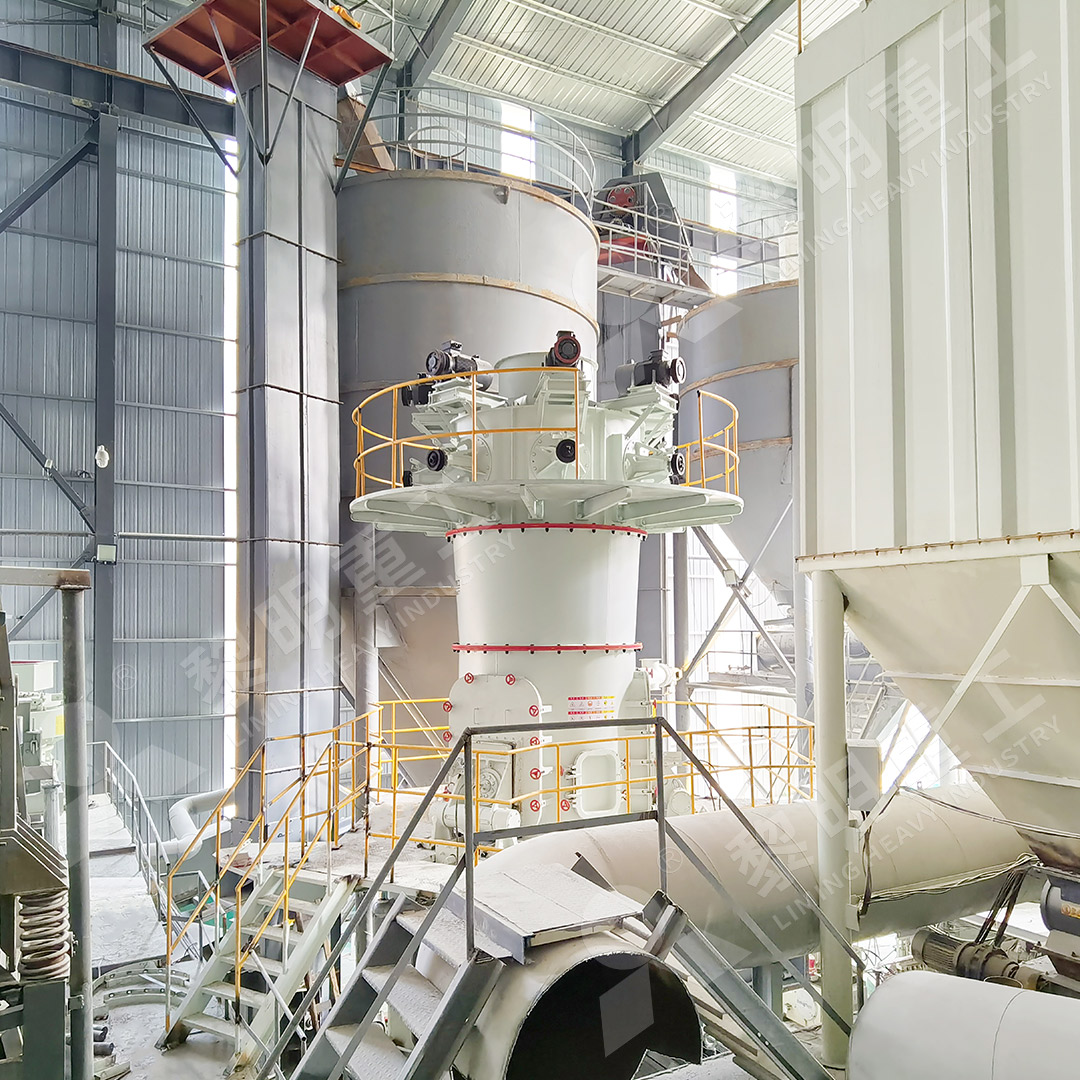
For projects demanding the ultimate in ultra-fine powder production with stringent environmental controls, the MW Ultrafine Grinding Mill is a premier choice. Specifically designed for ultra-fine powder, it excels in processing rhyolite to fineness levels between 325 and 2500 meshes. Its cage-type powder selector ensures high separation precision, achieving a screening rate of d97≤5μm in one pass. A key design innovation is the absence of rolling bearings and screws in the grinding chamber, eliminating common failure points and concerns about loose components. The mill operates with an efficient pulse dust collector and muffler, ensuring a dust-free and quiet production environment that meets national environmental standards. With a capacity of 0.5-25 tph and handling input sizes up to 20 mm, it provides remarkable flexibility and reliability for specialized fine powder lines.
Transforming Raw Material into Refined Product
The working principle of these vertical mills is a testament to efficient design. Material is fed onto the center of a rotating grinding table. Centrifugal force moves it outward under grinding rollers, where it is pulverized. An internal airflow carries the ground particles upward to a dynamic classifier. Coarse particles are rejected and fall back for regrinding, while fine product is conveyed with the air stream to a collection system. This closed-loop, negative-pressure operation is key to its cleanliness and efficiency. For rhyolite, this process preserves the material’s inherent properties while delivering a consistent, high-quality powder ready for advanced industrial use.
Conclusion
The transition to vertical roller mill technology represents a strategic upgrade for rhyolite fine powder production. By addressing the core challenges of energy use, product quality, and operational stability, mills like the LUM Ultrafine Vertical Grinding Mill and the MW Ultrafine Grinding Mill provide a future-proof foundation for competitive and sustainable mineral processing. Their advanced design philosophies—focusing on precision engineering, ease of maintenance, and environmental integration—ensure that producers can meet the exacting standards of today’s markets while securing long-term operational efficiency and reliability.
Frequently Asked Questions (FAQ)
- What is the typical fineness range achievable for rhyolite powder with your vertical mills?
Our MW and LUM series mills are capable of producing rhyolite powder with adjustable fineness between 325 mesh (45 μm) and 2500 mesh (5 μm). The final fineness is precisely controlled by the integrated high-efficiency powder separator. - How does the vertical mill system manage dust and noise, which are common concerns in grinding operations?
The systems are designed as fully enclosed, negative-pressure circuits. They are equipped with high-efficiency pulse jet dust collectors that capture over 99.9% of particulates, and silencers or soundproof rooms are used to reduce operational noise well below regulatory limits. - What are the main advantages of your mills’ grinding roller design for abrasive materials like rhyolite?
The rollers and liner plates are made from high-performance wear-resistant alloys, developed in-house for extended service life. Features like the reversible roller system in the LUM mill allow worn surfaces to be easily maintained or swapped, minimizing downtime and cost per ton. - Can the mill handle variations in feed material moisture?
Yes, the integrated design allows for simultaneous grinding and drying. Hot air from a dedicated hot air generator can be introduced into the mill chamber to effectively dry moisture in the feed material, ensuring stable grinding efficiency. - What kind of automation and control do these mills feature?
They incorporate advanced PLC control systems. Operators can monitor and adjust key parameters like grinding pressure, classifier speed, and feed rate remotely, enabling precise control over product fineness and mill load for optimal, consistent operation. - How does the energy consumption compare to traditional ball mills or Raymond mills?
Vertical roller mills are significantly more energy-efficient. For the same output and fineness, they typically consume 30% to 50% less power than ball mill systems and offer substantial savings over older Raymond mill designs due to their more efficient grinding mechanism and integrated classifier.