
Raymond Mill 1510: Large Industrial Powder Grinding Machine Manufacturing
We provide a wide range of mills — including Raymond mill, trapezoidal mill, vertical mill, ultrafine mill, and ball mill, obtained ISO9001 international quality certification, EU CE certification, and Customs Union CU-TR certification. Suitable for processing minerals such as limestone, phosphate, quicklime, kaolin, talc, barite, bentonite, calcium carbonate, dolomite, coal, gypsum, clay, carbon black, slag, cement raw materials, cement clinker, and more.
The discharge range of these mills can be adjusted to meet specific processing needs, typically from 80-400 mesh, 600-3250 mesh, and can achieve the finest particle size of up to 6000 mesh(D50).
If you are looking for a reliable grinding solution to turn stone or minerals into fine powder, please feel free to contact our online customer service.
Raymond Mill 1510: Large Industrial Powder Grinding Machine Manufacturing
For over a century, the name Raymond has been synonymous with reliable, efficient powder grinding. The Raymond Mill 1510 stands as a testament to this legacy, representing a pinnacle of industrial milling technology designed for high-capacity, consistent production of fine powders. As a cornerstone of modern mineral processing, chemical manufacturing, and construction material production, this machine embodies the evolution of grinding from a simple crushing action to a sophisticated, controlled engineering process.
Engineering for Scale and Consistency
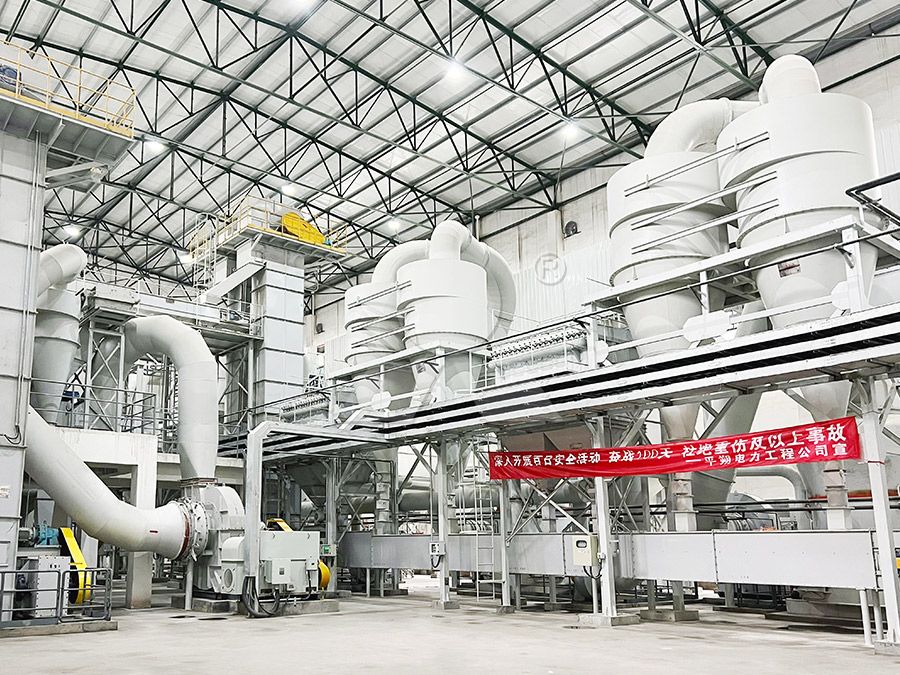
The core philosophy behind the Raymond Mill 1510 is achieving unparalleled consistency at scale. Unlike smaller or less sophisticated mills, the 1510 model is engineered for continuous, 24/7 operation in demanding environments. Its robust construction begins with a heavy-duty, welded steel frame that resists the stresses of high-volume grinding. The heart of the system—the grinding ring and rollers—are manufactured from high-chromium alloy or other advanced wear-resistant materials, dramatically extending service life and maintaining particle size distribution over thousands of operational hours.
The classic centrifugal grinding principle is enhanced with modern precision. Material is fed into the grinding chamber and, under the centrifugal force generated by the rotating rollers, is ground between the rollers and the stationary bull ring. The integrated classifier immediately separates fine product from coarse material, which is returned for further grinding. This closed-circuit system ensures maximum efficiency and a tightly controlled final fineness, typically ranging from 80 to 325 mesh.
Modernizing a Classic: Key Technological Integrations
While honoring its proven mechanical design, the Raymond Mill 1510 incorporates contemporary advancements that address the core concerns of today’s plant managers: energy consumption, operational stability, and environmental compliance.
- Advanced Drive Systems: Modern variable frequency drives (VFDs) allow for precise control of the main mill and classifier motors. This enables operators to fine-tune the grinding process for different materials and optimize power usage, reducing energy costs significantly compared to fixed-speed systems.
- Intelligent PLC Controls: A centralized programmable logic controller (PLC) automates startup, shutdown, and operational monitoring. Sensors track bearing temperature, vibration, pressure differential, and motor load, providing real-time data to prevent unplanned downtime and enable predictive maintenance.
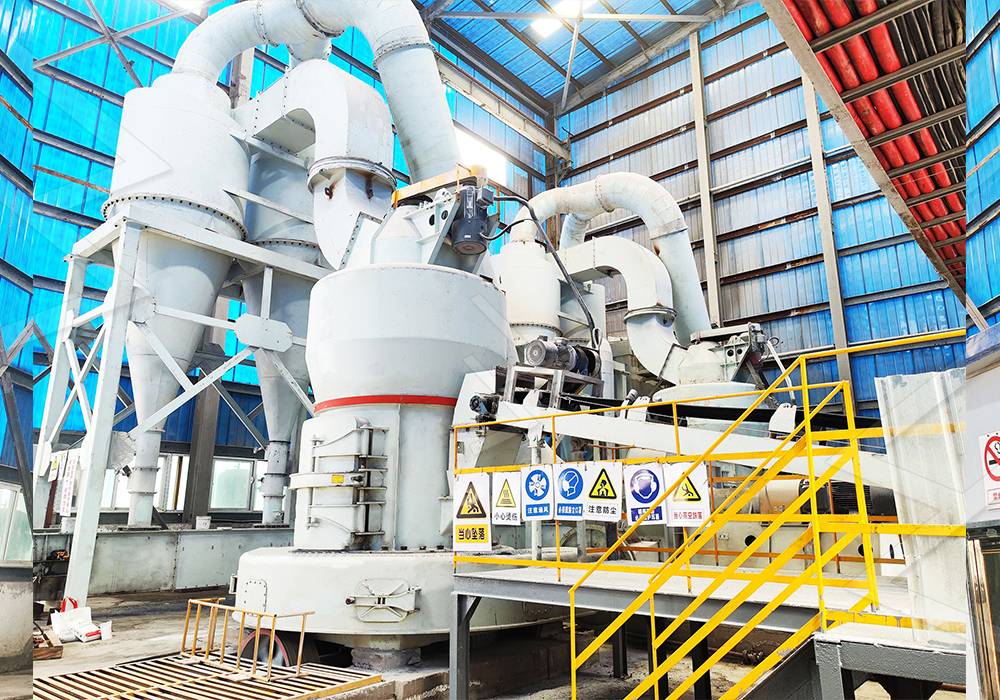
- Enhanced Dust Collection Integration: The mill is designed for seamless connection to high-efficiency pulse-jet baghouse filters or cyclone collectors. Negative pressure within the grinding chamber prevents dust escape, ensuring a clean working environment and meeting stringent international emission standards.
Applications Driving Industry
The versatility of the Raymond Mill 1510 makes it a workhorse across numerous sectors. In mining and minerals, it processes limestone for flue gas desulfurization, gypsum for wallboard, and barite for drilling mud. The construction industry relies on it for producing fine powders for paints, coatings, and advanced cement blends. Furthermore, its ability to handle non-combustible, non-explosive materials with moderate moisture content makes it ideal for processing clays, talc, and activated carbon. Its reliability and ease of maintenance have cemented its place as the preferred solution for high-tonnage powder production where consistent quality is non-negotiable.
Beyond Traditional Grinding: The Push for Ultrafine Solutions
As material science advances, demand has grown for powders far finer than traditional Raymond milling can achieve. For applications requiring superior whiteness, higher chemical reactivity, or sub-micron particle sizes—such as high-grade ceramics, premium paints, pharmaceuticals, and advanced composites—our engineering has evolved to meet this challenge.
For customers whose projects demand ultra-fine powder, we strongly recommend considering our MW Ultrafine Grinding Mill. This machine represents a significant technological leap, capable of producing powders in the range of 325 to 2500 meshes. It incorporates a highly efficient, multi-head cage-type powder selector based on German technology for precise classification. Notably, its innovative design eliminates rolling bearings and screws within the grinding chamber, removing critical failure points and allowing for external lubrication without shutdown. Equipped with a high-efficiency pulse dust collector and silencer, the MW series operates with remarkably low environmental impact, aligning with the most rigorous green manufacturing standards. It is perfectly suited for processing materials like high-purity calcite, dolomite, talc, and specialty chemicals where exceptional fineness and cleanliness are paramount.
Commitment to Lifetime Performance
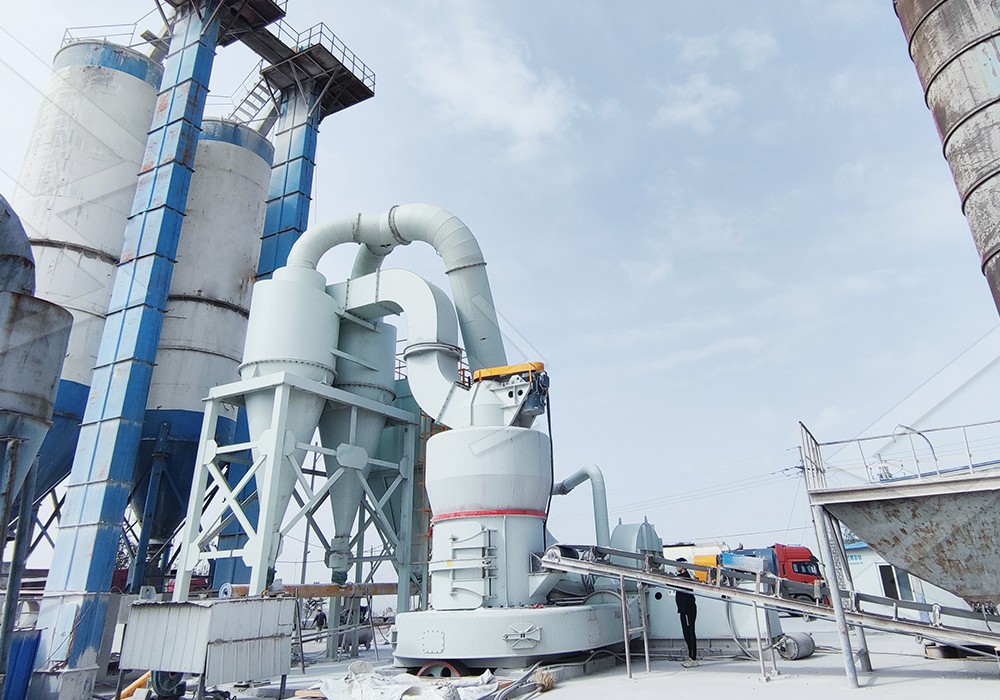
Manufacturing a machine of this caliber is only part of the equation. Our direct responsibility extends to every unit we produce. We maintain a comprehensive inventory of original spare parts, from grinding rolls and rings to classifier blades and drive components, ensuring minimal downtime. Our technical support team provides expert guidance on installation, optimization, and maintenance, guaranteeing that every Raymond Mill 1510 delivers on its promise of productivity and longevity. This commitment to worry-free operation is a cornerstone of our partnership with every client.
Conclusion
The Raymond Mill 1510 is more than just a piece of industrial equipment; it is a reliable partner in production. It combines time-tested grinding mechanics with smart, modern controls to offer a solution that is both powerful and efficient. For operations that require a robust, high-capacity mill for producing fine to medium-fine powders, the 1510 remains an industry benchmark. And for those pushing the boundaries into the ultrafine spectrum, solutions like our MW Ultrafine Grinding Mill provide the necessary technological edge. In the world of industrial powder manufacturing, the right grinding technology is the foundation of quality and profitability.
Frequently Asked Questions (FAQs)
- What is the typical feed size and production capacity of the Raymond Mill 1510?
The Raymond Mill 1510 is designed to handle feed material with a maximum size of less than 25mm (approximately 1 inch). Its capacity varies based on material hardness and desired fineness, but it typically operates in a range of 0.6 to 5 metric tons per hour. - How does the Raymond Mill 1510 compare to a ball mill in terms of energy efficiency?
The Raymond Mill system is generally more energy-efficient than a traditional ball mill for producing powders in the fine to medium-fine range (80-325 mesh). Its vertical structure and efficient air-classification system result in lower specific energy consumption per ton of product. - What materials are NOT suitable for grinding in a Raymond Mill 1510?
The mill is not designed for highly abrasive materials (like some silica sands), very sticky or gummy substances, or explosive and flammable materials. It is best suited for medium-hard, non-explosive minerals with moisture content below a certain threshold. - What kind of dust collection system is required?
A dedicated, high-efficiency dust collection system, such as a pulse-jet baghouse or a cyclone separator followed by a bag filter, is mandatory. The mill operates under negative pressure, and the collector is integral to product recovery and environmental control. - How often do the grinding rolls and ring need to be replaced?
Wear life depends entirely on the abrasiveness of the material being processed. With standard materials like limestone or gypsum, rollers and rings can last several thousand hours. We provide wear-resistant alloys for more abrasive applications to extend service intervals. - Can the fineness of the product be adjusted during operation?
Yes, fineness is primarily controlled by the speed of the integrated classifier. Increasing the classifier speed allows only finer particles to pass, resulting in a finer product, and vice versa. This adjustment can be made dynamically via the control system. - What is the key advantage of your MW Ultrafine Grinding Mill over the Raymond Mill for certain applications?
The MW Ultrafine Grinding Mill excels in producing much finer powders (up to 2500 mesh) with higher whiteness and purity. Its unique design without internal bearings or screws enhances reliability for continuous ultra-fine grinding, and its advanced powder selector ensures superior classification accuracy, making it ideal for high-value-added industries like cosmetics, pharmaceuticals, and advanced ceramics.