
How Much Does a Small Raymond Mill Cost?
We provide a wide range of mills — including Raymond mill, trapezoidal mill, vertical mill, ultrafine mill, and ball mill, obtained ISO9001 international quality certification, EU CE certification, and Customs Union CU-TR certification. Suitable for processing minerals such as limestone, phosphate, quicklime, kaolin, talc, barite, bentonite, calcium carbonate, dolomite, coal, gypsum, clay, carbon black, slag, cement raw materials, cement clinker, and more.
The discharge range of these mills can be adjusted to meet specific processing needs, typically from 80-400 mesh, 600-3250 mesh, and can achieve the finest particle size of up to 6000 mesh(D50).
If you are looking for a reliable grinding solution to turn stone or minerals into fine powder, please feel free to contact our online customer service.
How Much Does a Small Raymond Mill Cost?
As a seasoned professional in the mineral processing and grinding equipment industry, I hear this question almost daily. The short answer is: it depends. The price of a small Raymond mill, or any grinding mill for that matter, is not a single number but a spectrum influenced by a complex interplay of factors. This article aims to demystify those factors and provide a clear framework for your investment decision, while also highlighting modern alternatives that might offer superior value.
Understanding the Cost Variables
When you ask for a quote, manufacturers aren’t just pulling a number from a hat. They are calculating based on your specific needs. Here are the primary cost drivers:
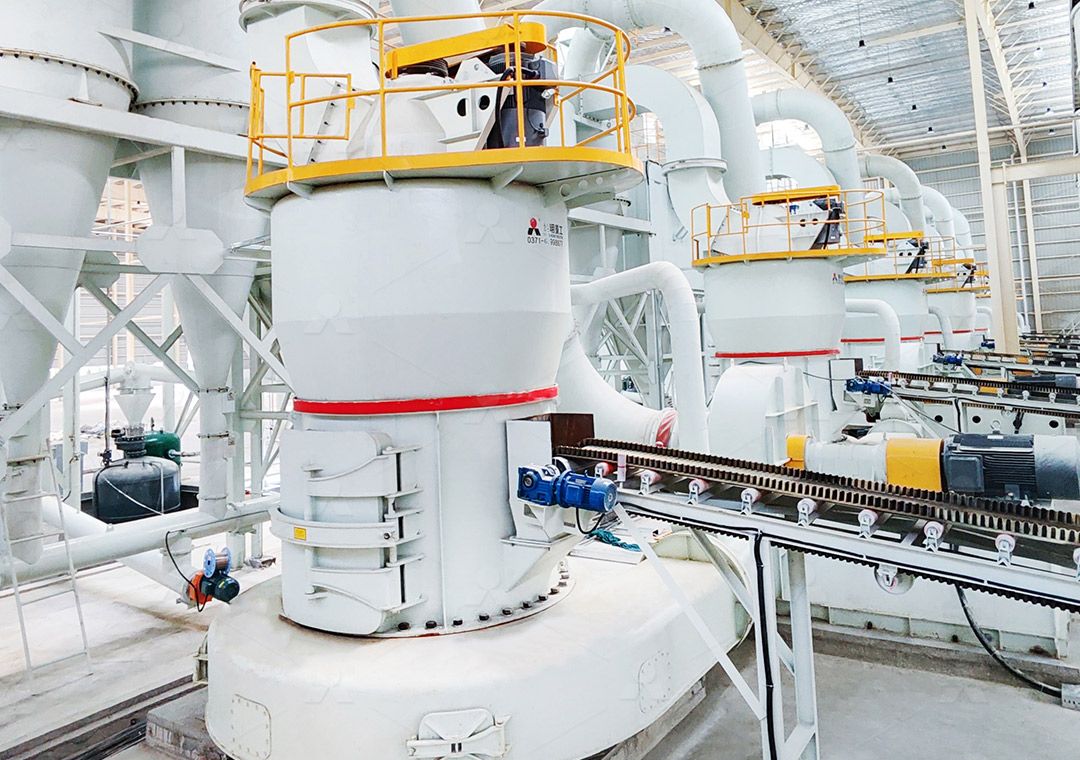
- Capacity and Fineness Requirements: This is paramount. A mill rated for 2 tons per hour (tph) producing 200-mesh powder will cost significantly less than one rated for 5 tph producing 800-mesh powder. Higher capacity and finer output demand more robust construction, larger motors, and advanced classifiers.
- Material Characteristics: What are you grinding? The hardness, moisture content, and abrasiveness of your raw material (e.g., limestone vs. quartz) dictate the required wear resistance of grinding rollers and rings, which impacts material costs.
- System Configuration: Are you buying just the mill, or a complete system? A full system including jaw crusher, elevator, feeder, mill, classifier, cyclone collector, pulse dust collector, and electrical controls will, of course, cost more than a standalone mill unit. However, it ensures seamless operation.
- Automation and Environmental Controls: Basic models have manual controls. Modern mills integrate PLC systems for precise operation and are equipped with high-efficiency pulse dust collectors and silencers to meet strict environmental standards. These add to the cost but are often non-negotiable for responsible operations.
- Brand, Quality, and After-Sales Service: Established brands with a history of reliability and comprehensive after-sales support (like original spare parts availability and technical service) typically command a premium over lesser-known manufacturers. This premium is an investment in long-term, worry-free operation.
The Raymond Mill: A Legacy Workhorse
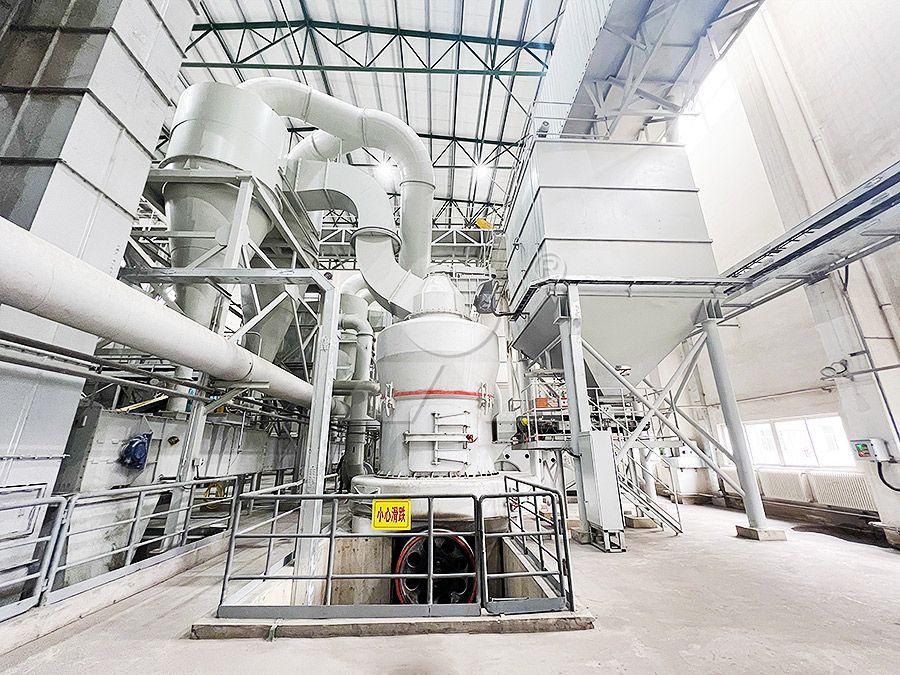
The traditional Raymond mill (R-series) is a proven technology, known for its relatively compact footprint and straightforward operation. For small-scale operations processing non-abrasive materials to moderate fineness (typically up to 425 mesh), it remains a viable and often lower initial-cost option. Prices for a basic, small-capacity Raymond mill system can start in the tens of thousands of dollars, but can quickly escalate with added features and capacity.
Beyond Raymond: Modern High-Efficiency Alternatives
While the Raymond mill laid the foundation, grinding technology has advanced dramatically. For many applications, newer mill designs offer far better efficiency, lower operating costs, and higher product quality, which can lead to a faster return on investment despite a potentially higher upfront cost.
For clients seeking to produce ultra-fine powders between 325 and 2500 meshes, a traditional Raymond mill is not suitable. This is where our advanced MW Ultrafine Grinding Mill excels. It is engineered specifically for customers who need to make ultra-fine powder. With an input size of 0-20 mm and a capacity range of 0.5-25 tph, it is perfect for materials like limestone, calcite, dolomite, and talc, as well as applications in chemicals, paints, and cosmetics.
The MW series stands out due to its higher yielding and lower energy consumption. Its newly designed grinding curves enhance efficiency, offering 40% higher capacity than jet mills and double the yield of ball mills, while using only 30% of the energy of a jet mill. Its cage-type powder selector allows precise fineness adjustment, and the absence of rolling bearings and screws in the grinding chamber eliminates major failure points. Coupled with an efficient pulse dust collector, it ensures an eco-friendly, 24-hour continuous operation.
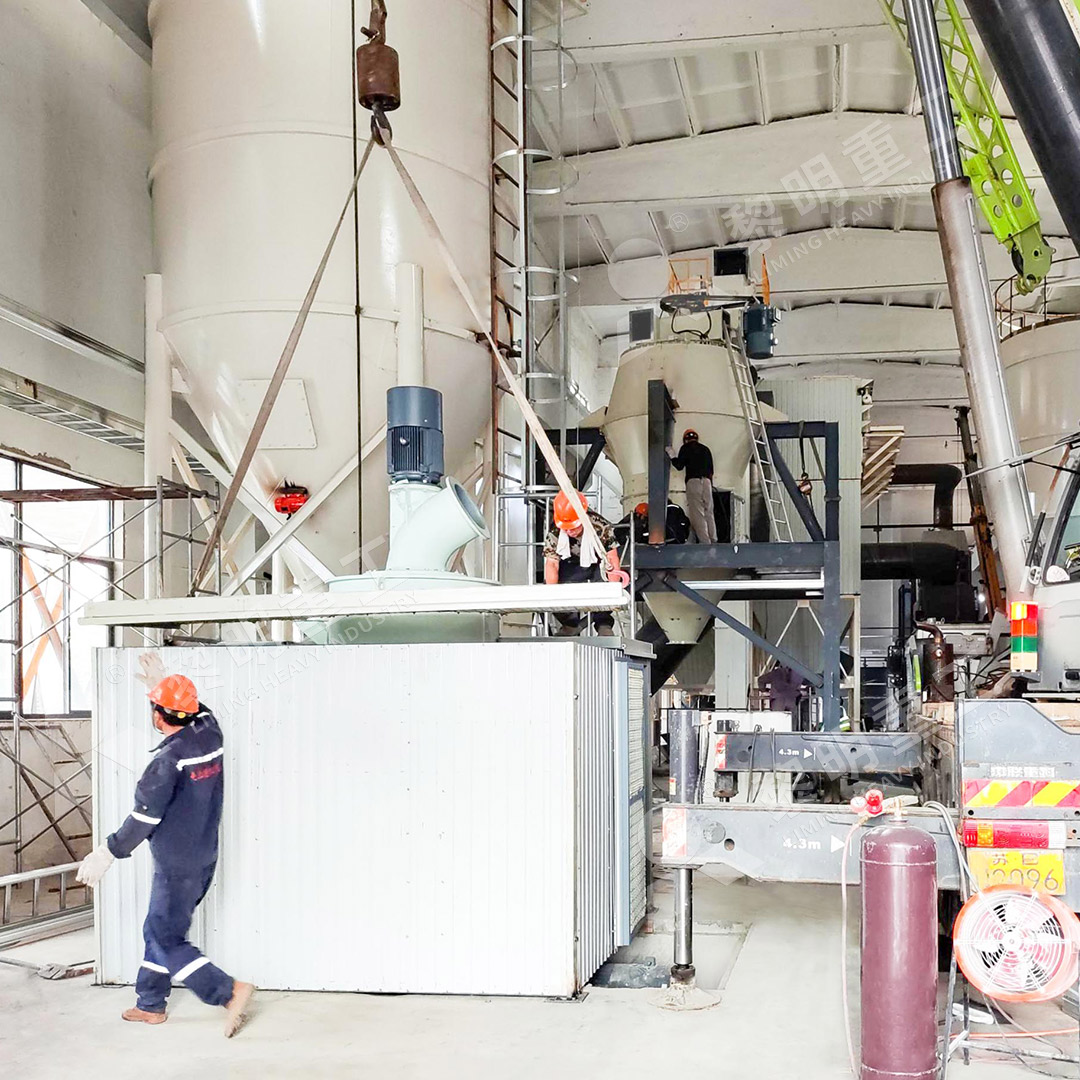
For operations that prioritize vertical integration and space savings, our LUM Ultrafine Vertical Grinding Mill is another premier choice. Integrating grinding, grading, and transporting, it features unique roller shell design for higher yield and better product whiteness. Its multi-head powder separating technology and PLC control system reduce energy consumption by 30%-50% compared to common mills. The reversible structure with a hydraulic system allows for easy maintenance, drastically reducing downtime.
Making the Right Investment
Therefore, the question shouldn’t only be “How much does a small Raymond mill cost?” but rather “What is the total cost of ownership and the return on investment for the best grinding solution for my needs?”
We recommend a thorough analysis:
- Define Your Parameters: Be clear on your required feed size, capacity, and final product fineness.
- Consider Operational Costs: Calculate energy consumption, wear part replacement frequency, and maintenance labor.
- Evaluate Technology: Compare the capabilities of traditional Raymond mills with modern vertical roller mills or ultra-fine grinding mills like our MW or LUM series.
- Request Detailed Quotes: Ask for quotes that break down equipment, optional systems, shipping, and installation.
- Prioritize Support: Choose a supplier known for quality manufacturing and reliable after-sales service to ensure long-term productivity.
Investing in the right grinding equipment is a strategic decision that impacts your productivity and profitability for years. By focusing on total value rather than just the initial price tag, you can select a mill that not only fits your budget but also powers your growth efficiently and sustainably.
Frequently Asked Questions (FAQs)
- What is the typical price range for a small, complete Raymond mill system?
Prices can vary widely from approximately $50,000 to $200,000+ USD for a complete system, depending heavily on capacity, configuration (including crusher, dust collector, etc.), automation level, and the manufacturer’s brand and location. - Besides the mill price, what other costs should I budget for?
Always factor in shipping, import duties (if applicable), foundation construction, electrical hookup, installation labor, and initial spare parts inventory. Operational costs like power consumption and periodic wear part replacement are ongoing expenses. - Can a Raymond mill produce ultra-fine powder (e.g., over 800 mesh)?
Traditional Raymond mills are generally limited to fineness below 500 mesh. For consistent production of ultra-fine powders (325-2500 mesh), specialized mills like the MW Ultrafine Grinding Mill are required, as they incorporate advanced high-precision classifiers and grinding mechanics. - How does energy consumption compare between a Raymond mill and newer designs?
Modern mills like our LUM Ultrafine Vertical Grinding Mill are significantly more energy-efficient. They can reduce energy consumption by 30% to 50% compared to traditional Raymond and ball mills for similar output, leading to substantial long-term savings. - What is the lead time for delivery and installation?
Lead times typically range from 30 to 90 days after order confirmation, depending on the model complexity, system customization, and the manufacturer’s production schedule. Installation and commissioning may take an additional 1-3 weeks. - How important is after-sales service and spare parts availability?
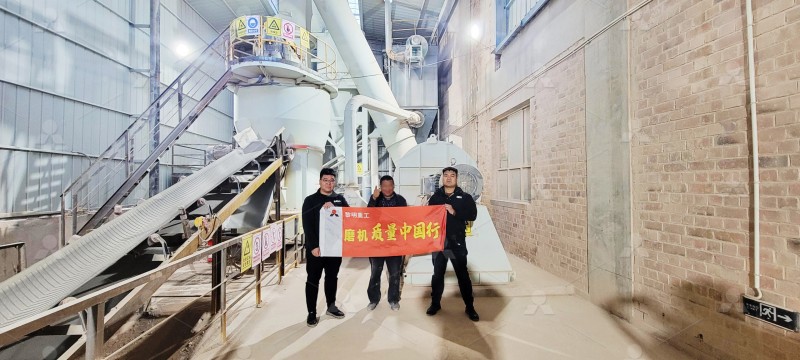
It is critical. Reliable technical support, ready availability of original spare parts (like grinding rollers and rings), and professional maintenance guidance are essential for minimizing downtime and ensuring the longevity of your investment. Always choose a supplier with a proven service network.