
Pricing Guide for Non-Ferrous Metal Ore Grinding Machinery
We provide a wide range of mills — including Raymond mill, trapezoidal mill, vertical mill, ultrafine mill, and ball mill, obtained ISO9001 international quality certification, EU CE certification, and Customs Union CU-TR certification. Suitable for processing minerals such as limestone, phosphate, quicklime, kaolin, talc, barite, bentonite, calcium carbonate, dolomite, coal, gypsum, clay, carbon black, slag, cement raw materials, cement clinker, and more.
The discharge range of these mills can be adjusted to meet specific processing needs, typically from 80-400 mesh, 600-3250 mesh, and can achieve the finest particle size of up to 6000 mesh(D50).
If you are looking for a reliable grinding solution to turn stone or minerals into fine powder, please feel free to contact our online customer service.
Navigating the Complex World of Non-Ferrous Metal Ore Grinding Equipment
Selecting the right grinding machinery for non-ferrous metal ores represents one of the most critical capital expenditure decisions for mining operations. The choice between various grinding technologies directly impacts production efficiency, operational costs, and ultimately, profitability. This comprehensive guide examines the key factors influencing equipment pricing while providing insights into selecting machinery that delivers optimal value throughout its lifecycle.
Understanding the Cost Structure of Grinding Equipment
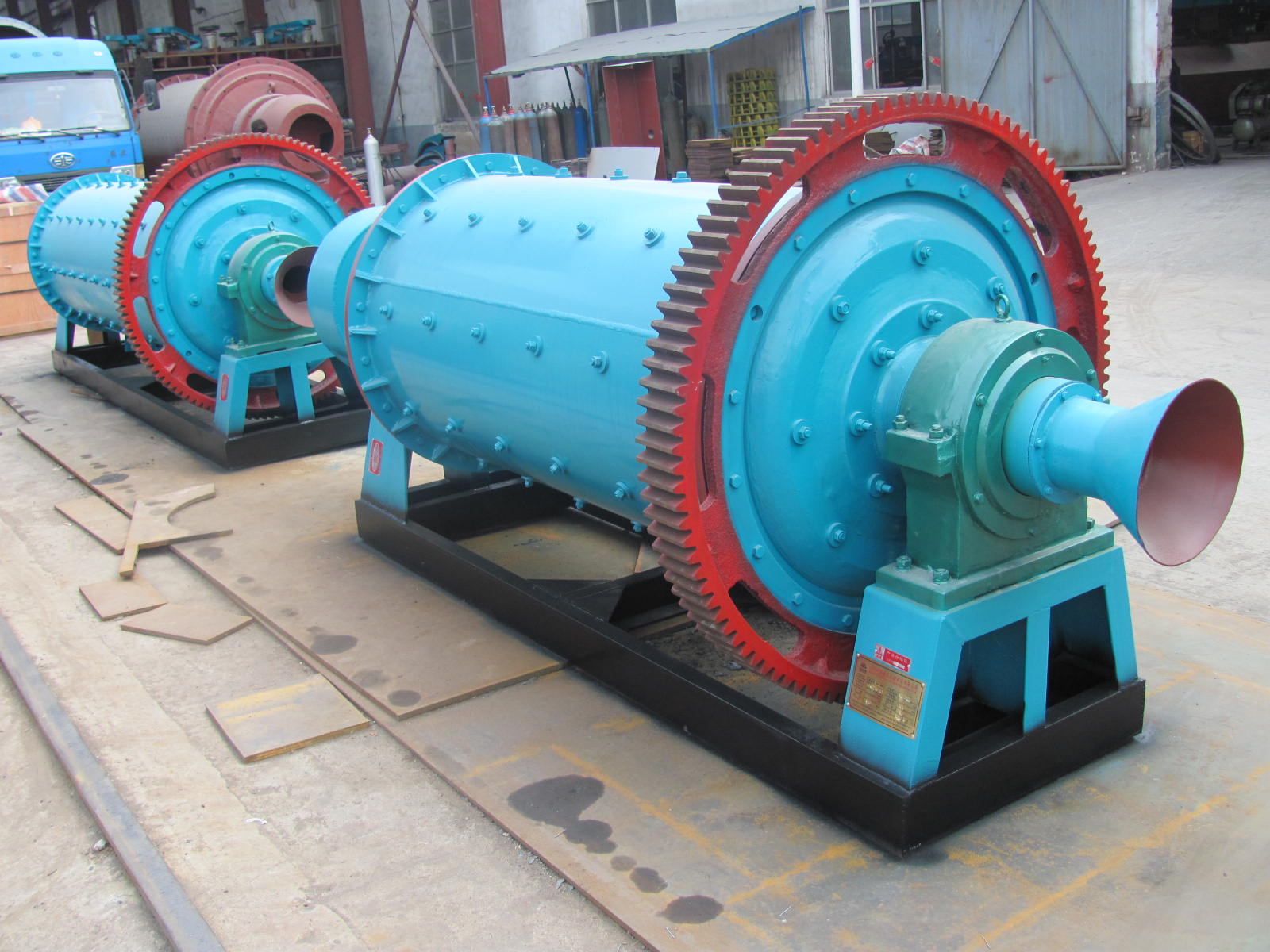
The purchase price of grinding machinery represents only a portion of the total cost of ownership. Savvy operators consider the complete financial picture, including installation expenses, energy consumption, maintenance requirements, and operational downtime. Vertical grinding mills typically command higher initial investments compared to traditional ball mills, but their superior energy efficiency and compact footprint often justify the premium through reduced operating expenses.
Equipment pricing varies significantly based on capacity requirements, material specifications, and desired fineness levels. Machines designed for harder ores or ultra-fine grinding applications incorporate more robust components and advanced technologies, resulting in higher capital costs. Conversely, standard configurations for common non-ferrous ores like copper, zinc, or lead typically fall into more accessible price ranges.
Key Performance Metrics That Impact Value
When evaluating grinding equipment, several performance metrics directly correlate with both initial investment and long-term operational economics. Throughput capacity remains the most obvious consideration, with systems ranging from small-scale operations processing 0.5-5 tph to industrial-scale installations handling over 300 tph. However, energy efficiency represents an increasingly critical factor as power costs continue to rise globally.
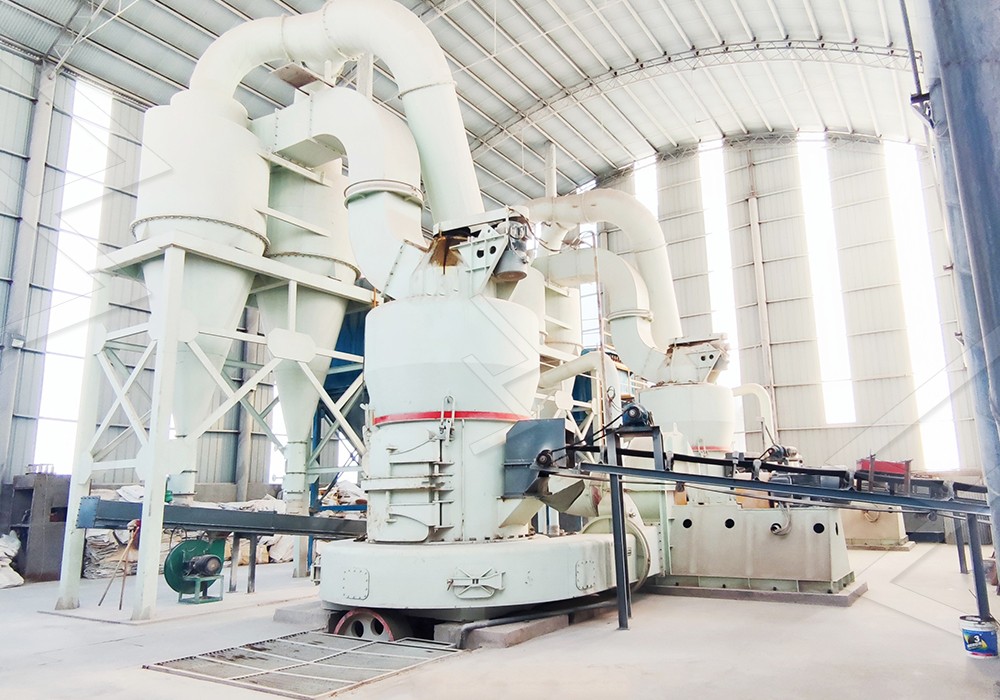
Modern grinding systems have made remarkable strides in reducing specific energy consumption. Advanced designs optimize the grinding process through improved mechanical configurations, intelligent control systems, and innovative material handling. The reduction in energy usage from traditional ball mills to contemporary vertical and trapezium mills can reach 30-50%, creating substantial operational savings that quickly offset higher purchase prices.
Advanced Grinding Solutions for Modern Operations
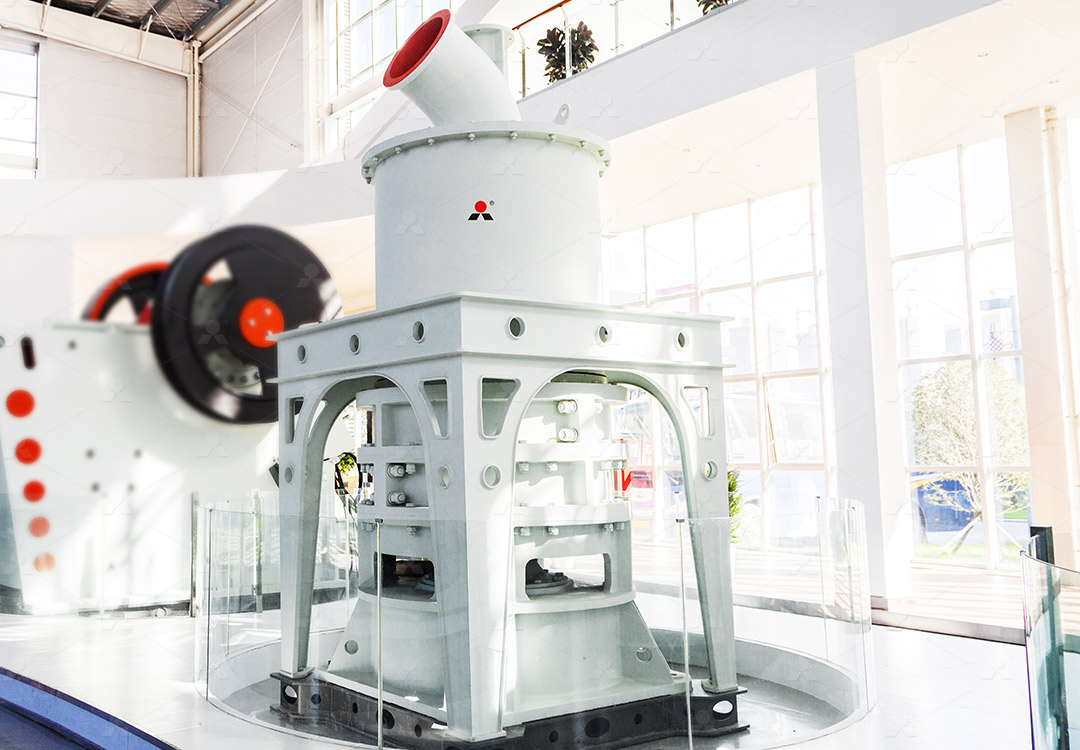
Among the sophisticated grinding solutions available today, the MW Ultrafine Grinding Mill stands out for operations requiring exceptionally fine powders. With an input size capability of 0-20 mm and capacity ranging from 0.5-25 tph, this machine excels in processing non-ferrous metal ores to fineness levels between 325-2500 meshes. Its innovative design eliminates rolling bearings and screws within the grinding chamber, significantly reducing maintenance concerns and potential failure points.
The MW Ultrafine Grinding Mill incorporates German cage-type powder selector technology, enabling precise control over particle size distribution while achieving screening rates of d97≤5μm in a single pass. The integrated pulse dust collection system ensures environmentally compliant operation, addressing the growing regulatory requirements facing mining operations worldwide. For operations prioritizing ultra-fine powder production with minimal environmental impact, this equipment delivers exceptional value despite its premium positioning.
Vertical Grinding Technology: Efficiency Redefined
For operations seeking high-capacity grinding with maximum energy efficiency, the LUM Ultrafine Vertical Grinding Mill presents a compelling solution. Processing materials with input sizes up to 10 mm at capacities of 5-18 tph, this mill integrates Taiwanese grinding roller technology with German powder separation expertise. The unique roller shell and lining plate grinding curve facilitate easier material layer generation, enabling high finished product rates through single-pass milling.
The LUM mill’s double position-limiting technology provides exceptional operational stability, preventing destructive impacts during unexpected vibration events. Its reversible structure addresses one of the traditional challenges of vertical mills by enabling straightforward maintenance access to grinding components. The PLC control system and multi-head powder separating technology allow precise adjustment of grinding parameters, optimizing performance for specific ore characteristics.
Budget-Conscious Alternatives Without Compromising Performance
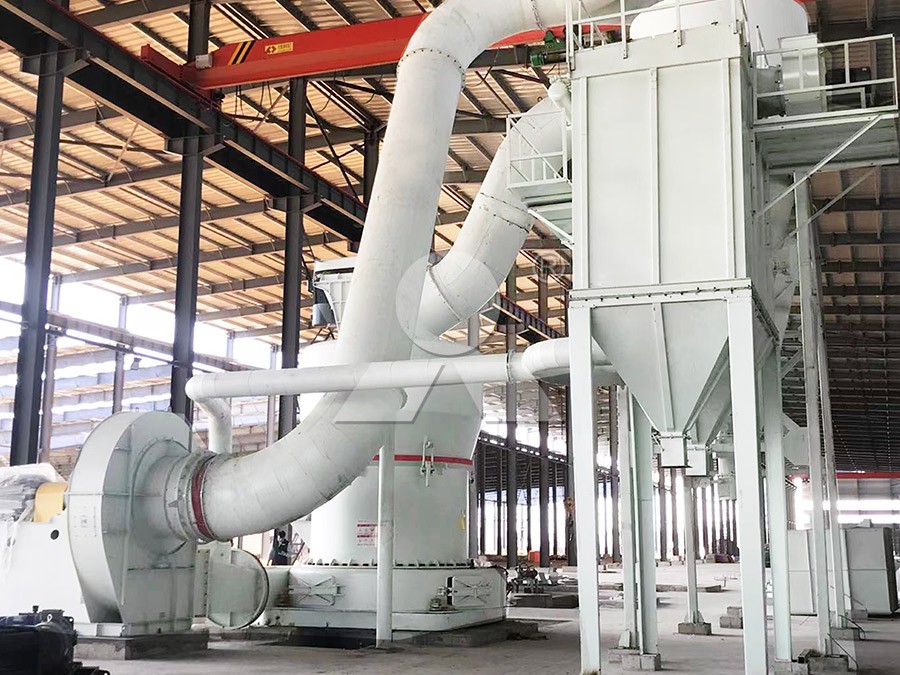
For operations with budget constraints or those processing less demanding materials, the MTW Series European Trapezium Grinding Mills offer an attractive balance of performance and affordability. With capacities ranging from 3-55 tph and handling input sizes up to 50 mm, these mills incorporate diluted oil lubrication systems that reduce maintenance frequency and costs. The elastic volute damping structure enhances operational stability while extending component lifespan.
The Raymond Mill represents the most economical entry point for small to medium-scale operations, with capacities from 0.6-5 tph. While lacking some of the advanced features of premium models, its proven design, straightforward operation, and low maintenance requirements make it suitable for operations with limited technical staff or those processing standard materials where ultra-fine grinding isn’t required.
Strategic Considerations for Equipment Selection
Beyond technical specifications and pricing, several strategic factors should influence grinding equipment selection. The availability of spare parts and technical support significantly impacts operational reliability, particularly for operations in remote locations. Manufacturers with global service networks and comprehensive spare parts inventories provide valuable insurance against extended downtime.
Future expansion plans should also inform equipment decisions. Modular systems that can be incrementally upgraded or expanded offer flexibility for growing operations. Similarly, equipment with digital connectivity capabilities enables integration with broader plant automation systems, supporting data-driven optimization and predictive maintenance strategies.
Making the Investment Decision
The optimal grinding solution balances initial capital expenditure with long-term operational economics while addressing the specific technical requirements of your ore processing application. Premium equipment with higher efficiency and lower operating costs typically delivers superior return on investment for operations with continuous processing schedules or high energy costs. Conversely, standard equipment may prove more economical for batch operations or those with access to low-cost power.
Engaging with equipment manufacturers early in the planning process allows for customized solutions that optimize both performance and cost-effectiveness. Many suppliers offer feasibility studies and test milling services to validate equipment selection against specific ore samples, reducing implementation risk and ensuring the chosen solution meets operational expectations.
Frequently Asked Questions
What is the typical payback period for investing in high-efficiency grinding equipment?
The payback period varies based on operational scale, energy costs, and utilization rates. For operations running multiple shifts, the energy savings from advanced grinding systems typically deliver payback within 18-36 months, with continuing savings throughout the equipment’s lifespan.
How does ore hardness affect grinding equipment selection and pricing?
Harder ores require more robust construction, specialized wear materials, and often higher power ratings, increasing equipment costs. Manufacturers typically recommend specific configurations based on Mohs hardness, with premium wear-resistant alloys adding 15-30% to base equipment pricing for abrasive applications.
What auxiliary systems are necessary for complete grinding operations?
Beyond the grinding mill itself, complete systems typically include feeding equipment, dust collection systems, electrical controls, and material handling components. These auxiliary systems can represent 25-40% of the total project cost and are essential for optimal operation.
How has digitalization impacted grinding equipment operation and maintenance?
Modern grinding systems incorporate IoT sensors and connectivity that enable remote monitoring, predictive maintenance, and performance optimization. These digital capabilities can reduce unplanned downtime by up to 30% and improve overall equipment effectiveness through data-driven adjustments.
What environmental considerations should influence grinding equipment selection?
Dust emissions, noise levels, and energy consumption represent the primary environmental factors. Contemporary grinding systems feature integrated dust collection, noise suppression technologies, and energy-efficient designs that minimize environmental impact while ensuring regulatory compliance.
How does particle size distribution requirement affect equipment choice?
Narrow particle size distributions or ultra-fine grinding requirements typically necessitate more sophisticated separation systems, influencing both equipment selection and pricing. Applications requiring consistent top-size control or specific distribution curves benefit from advanced classifier technology.