
5R Raymond Mill for Activated Carbon Grinding: Price and Specifications
We provide a wide range of mills — including Raymond mill, trapezoidal mill, vertical mill, ultrafine mill, and ball mill, obtained ISO9001 international quality certification, EU CE certification, and Customs Union CU-TR certification. Suitable for processing minerals such as limestone, phosphate, quicklime, kaolin, talc, barite, bentonite, calcium carbonate, dolomite, coal, gypsum, clay, carbon black, slag, cement raw materials, cement clinker, and more.
The discharge range of these mills can be adjusted to meet specific processing needs, typically from 80-400 mesh, 600-3250 mesh, and can achieve the finest particle size of up to 6000 mesh(D50).
If you are looking for a reliable grinding solution to turn stone or minerals into fine powder, please feel free to contact our online customer service.
5R Raymond Mill for Activated Carbon Grinding: Price and Specifications
Activated carbon processing demands specialized grinding equipment capable of producing fine powders with consistent particle size distribution while maintaining the material’s unique adsorption properties. The 5R Raymond Mill has emerged as a popular choice for this application, offering a balance of performance, reliability, and cost-effectiveness for medium-scale production requirements.
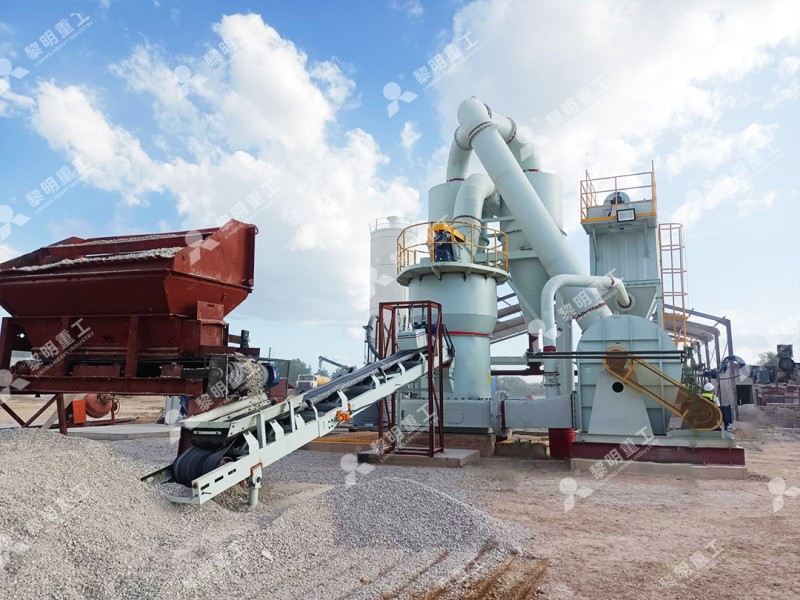
Understanding the 5R Raymond Mill Configuration
The “5R” designation refers to the mill’s configuration with five grinding rollers, which significantly increases the grinding area and pressure compared to standard 3R or 4R models. This enhanced grinding mechanism makes the 5R Raymond Mill particularly suitable for activated carbon processing, where achieving specific surface area targets is crucial for product performance.
Typical specifications for a 5R Raymond Mill include a grinding ring diameter of 1300-1400mm, roller dimensions of 470×300mm, and a main motor power ranging from 75-132kW. The maximum feed size is generally limited to 25-30mm, with production capacity between 8-25 tons per hour depending on material characteristics and final fineness requirements.
Technical Advantages for Activated Carbon Processing
What makes the 5R Raymond Mill particularly effective for activated carbon grinding is its ability to maintain the material’s porous structure while achieving the desired fineness. The centrifugal grinding action creates consistent particle size distribution without excessive heat generation, which could otherwise damage the carbon’s adsorption properties.
The mill’s integrated classifier system allows operators to precisely control product fineness, typically ranging from 80 to 325 mesh for activated carbon applications. This flexibility enables producers to tailor their products to specific market requirements, whether for water treatment, air purification, or pharmaceutical applications.
Investment Considerations and Operational Costs
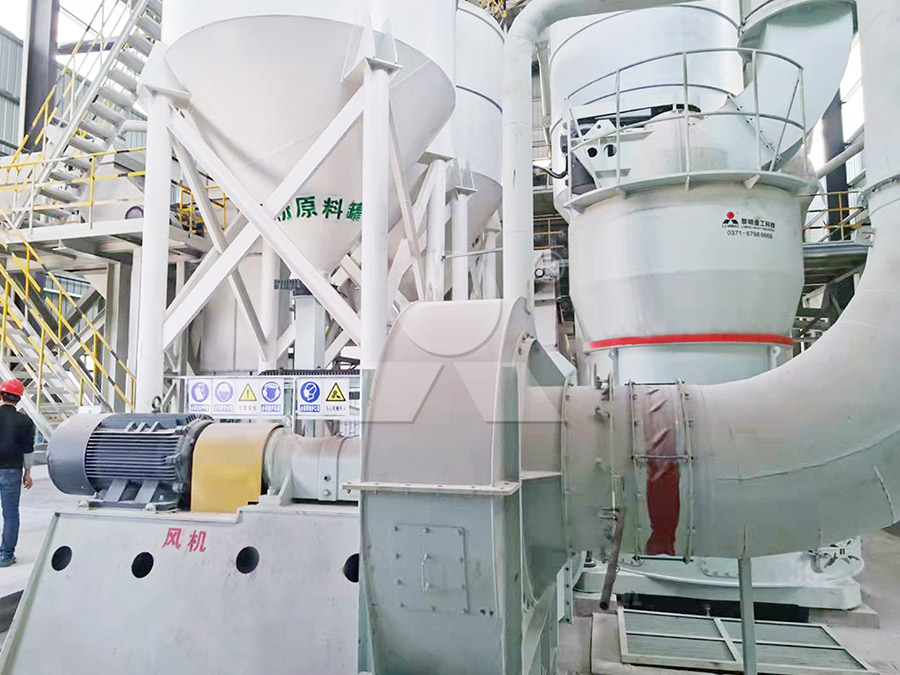
When evaluating a 5R Raymond Mill for activated carbon grinding, buyers should consider both the initial investment and long-term operational costs. Equipment pricing typically ranges from $80,000 to $150,000 depending on configuration, automation level, and ancillary systems. Additional costs for installation, foundation work, and dust collection systems should also be factored into the total investment.
Operational efficiency remains a key advantage of the 5R design. The mill’s grinding mechanism delivers higher output per kilowatt-hour compared to many alternative technologies, with power consumption typically between 65-90kWh per ton of finished product. Wear part longevity is another critical factor, with high-chrome alloy rollers and grinding rings typically lasting 1,500-2,000 hours before requiring replacement.
Beyond Traditional Raymond Technology: Advanced Alternatives
While the 5R Raymond Mill serves as a reliable workhorse for many activated carbon producers, technological advancements have introduced more sophisticated options for operations requiring higher efficiency or ultra-fine products. For facilities targeting finer particle sizes or seeking to optimize energy consumption, we recommend considering our MW Ultrafine Grinding Mill as a superior alternative.
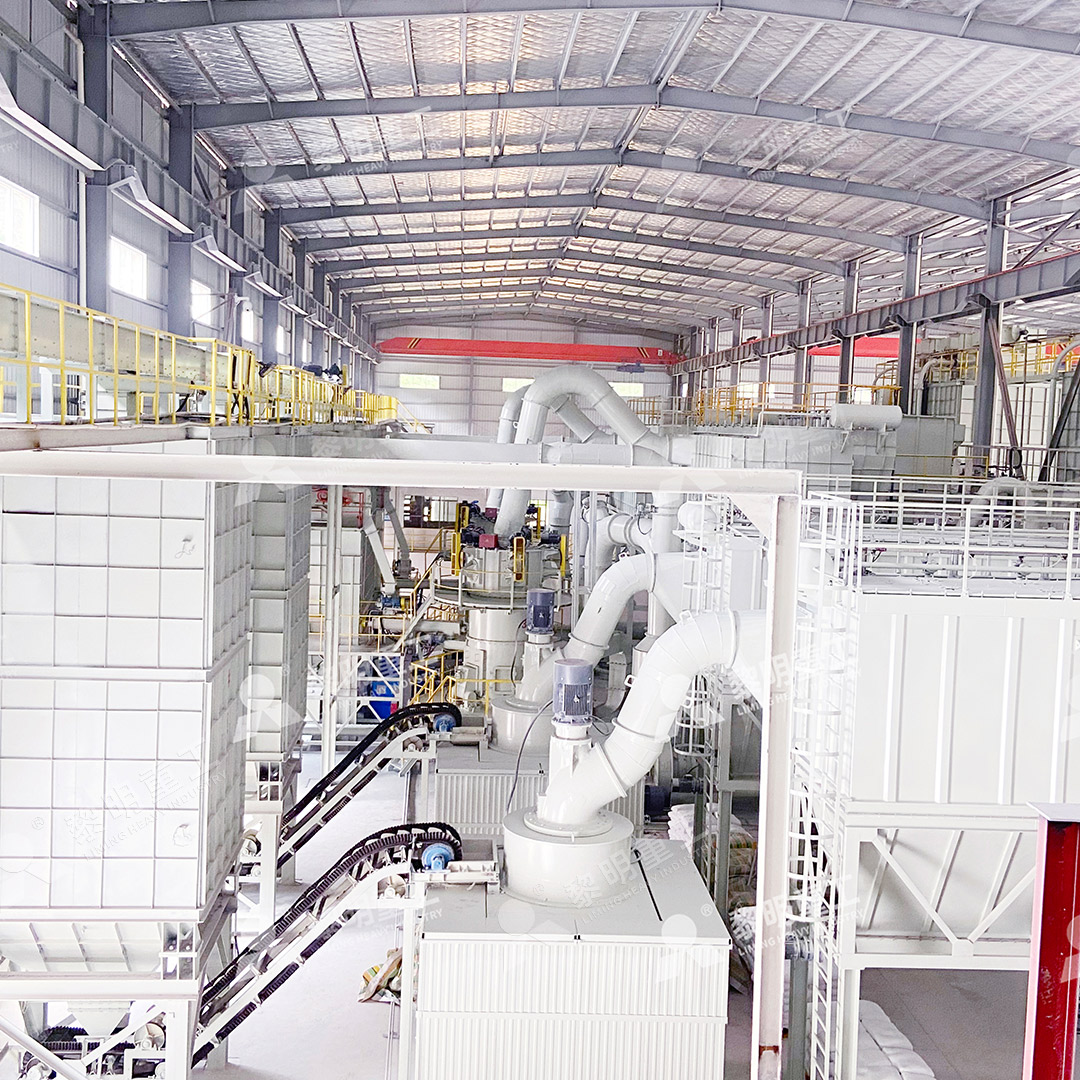
The MW Ultrafine Grinding Mill represents a significant leap forward in grinding technology, specifically engineered for customers requiring ultra-fine powder production. With an input size capability of 0-20 mm and capacity ranging from 0.5-25 tph, this advanced system delivers exceptional performance for specialized activated carbon applications.
Key Advantages of Modern Grinding Solutions
Our MW Ultrafine Grinding Mill incorporates several technological innovations that provide distinct benefits for activated carbon processing:
- Higher Yielding with Lower Energy Consumption: The newly designed grinding curves of the grinding roller and ring enhance efficiency significantly. Production capacity is 40% higher than jet grinding mills with the same fineness and power requirements, while system energy consumption is reduced to just 30% of jet mill operations.
- Adjustable Fineness Between 325-2500 Meshes: The German-technology cage-type powder selector ensures precise powder separation, allowing operators to fine-tune product specifications according to market demands.
- Enhanced Reliability: The absence of rolling bearings and screws in the grinding chamber eliminates concerns about bearing damage or loose screw-related failures, significantly improving operational uptime.
- Eco-friendly Operation: Integrated pulse dust collection and noise reduction systems ensure compliance with environmental standards while maintaining a clean working environment.
For operations requiring even more advanced capabilities, our LUM Ultrafine Vertical Grinding Mill offers additional benefits, including higher yielding rates, multi-head powder separating technology, and double position-limiting technology for enhanced operational stability. With an input size of 0-10 mm and capacity of 5-18 tph, this system represents the pinnacle of grinding technology for premium activated carbon products.
Making the Right Equipment Selection
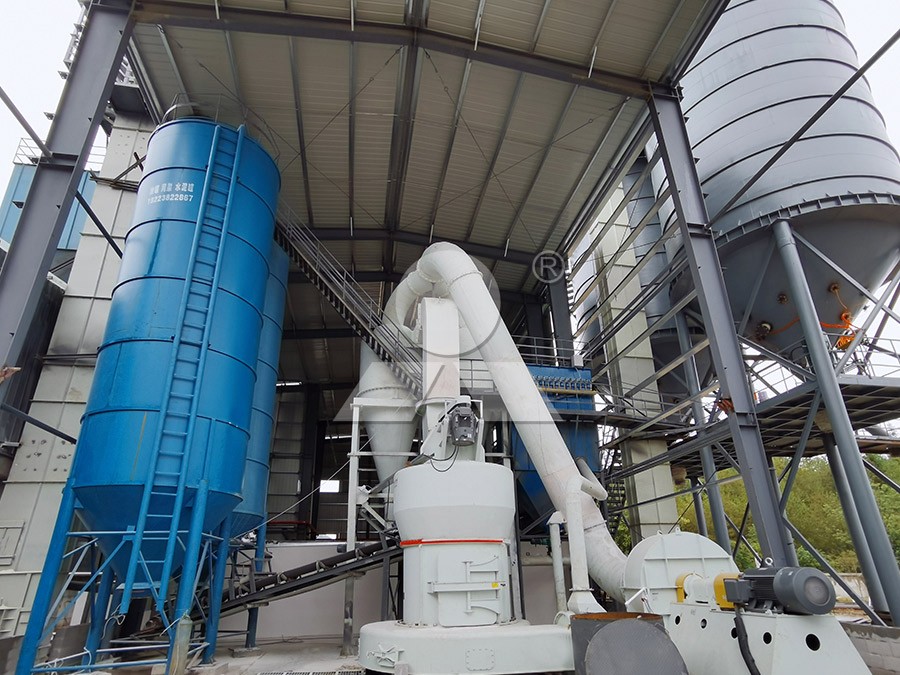
Choosing between traditional 5R Raymond Mills and advanced alternatives like the MW Ultrafine Grinding Mill depends on several factors: production volume requirements, target product specifications, budget constraints, and long-term operational goals. While the 5R Raymond Mill offers proven reliability for standard applications, the MW series provides superior efficiency and finer grinding capabilities for operations focused on high-value activated carbon products.
Prospective buyers should conduct thorough material testing and consult with technical experts to determine the optimal solution for their specific requirements. Most reputable manufacturers offer pilot testing services to verify equipment performance with customer materials before making capital investments.
Conclusion
The 5R Raymond Mill continues to be a viable solution for many activated carbon grinding applications, particularly for operations with moderate fineness requirements and budget considerations. However, for producers seeking to maximize efficiency, achieve ultra-fine specifications, or reduce operational costs, advanced alternatives like the MW Ultrafine Grinding Mill offer compelling advantages that can significantly enhance competitiveness in the growing activated carbon market.
Frequently Asked Questions
What is the typical production capacity of a 5R Raymond Mill for activated carbon?
Production capacity typically ranges from 8 to 25 tons per hour, depending on the initial feed size, moisture content, and target fineness. Higher production rates are achievable with coarser final products.
How does the MW Ultrafine Grinding Mill achieve higher energy efficiency?
The MW Mill incorporates optimized grinding curves and advanced powder separation technology that reduces energy consumption by up to 70% compared to conventional jet mills while increasing production capacity by 40%.
What fineness range can be achieved with advanced grinding systems?
While traditional 5R Raymond Mills typically produce powders between 80-325 mesh, the MW Ultrafine Grinding Mill can achieve fineness between 325-2500 meshes (d97≤5μm), making it suitable for high-value applications requiring ultra-fine powders.
How does the equipment maintain the adsorption properties of activated carbon?
Both systems utilize controlled grinding mechanisms that generate minimal heat, preserving the delicate porous structure of activated carbon. The MW Mill’s external lubrication system further prevents contamination.
What is the typical lifespan of wear parts in these grinding systems?
High-chrome alloy grinding rollers and rings in 5R Raymond Mills typically last 1,500-2,000 hours. The MW Mill’s optimized design extends this lifespan while eliminating bearing and screw wear in the grinding chamber.
Can these systems handle different types of activated carbon?
Yes, both systems can process various activated carbon types including coal-based, coconut shell, and wood-based materials. Material testing is recommended to optimize performance for specific feedstocks.
What ancillary equipment is required for complete system operation?
Complete systems typically include jaw crushers for preliminary size reduction, elevators, vibrating feeders, pulse dust collectors, and electrical control cabinets for integrated operation.