
40 Mesh Vertical Mill for Fine Powder Grinding
We provide a wide range of mills — including Raymond mill, trapezoidal mill, vertical mill, ultrafine mill, and ball mill, obtained ISO9001 international quality certification, EU CE certification, and Customs Union CU-TR certification. Suitable for processing minerals such as limestone, phosphate, quicklime, kaolin, talc, barite, bentonite, calcium carbonate, dolomite, coal, gypsum, clay, carbon black, slag, cement raw materials, cement clinker, and more.
The discharge range of these mills can be adjusted to meet specific processing needs, typically from 80-400 mesh, 600-3250 mesh, and can achieve the finest particle size of up to 6000 mesh(D50).
If you are looking for a reliable grinding solution to turn stone or minerals into fine powder, please feel free to contact our online customer service.
Mastering Fine Powder Production: The 40 Mesh Challenge
In the world of industrial powder processing, achieving consistent 40 mesh fineness represents a significant technical milestone. This specific particle size distribution—approximately 425 microns—serves as a critical benchmark across numerous industries where precise particle control determines product quality and performance characteristics. The journey from raw materials to uniform 40 mesh powder demands equipment capable of delivering both precision and efficiency in equal measure.
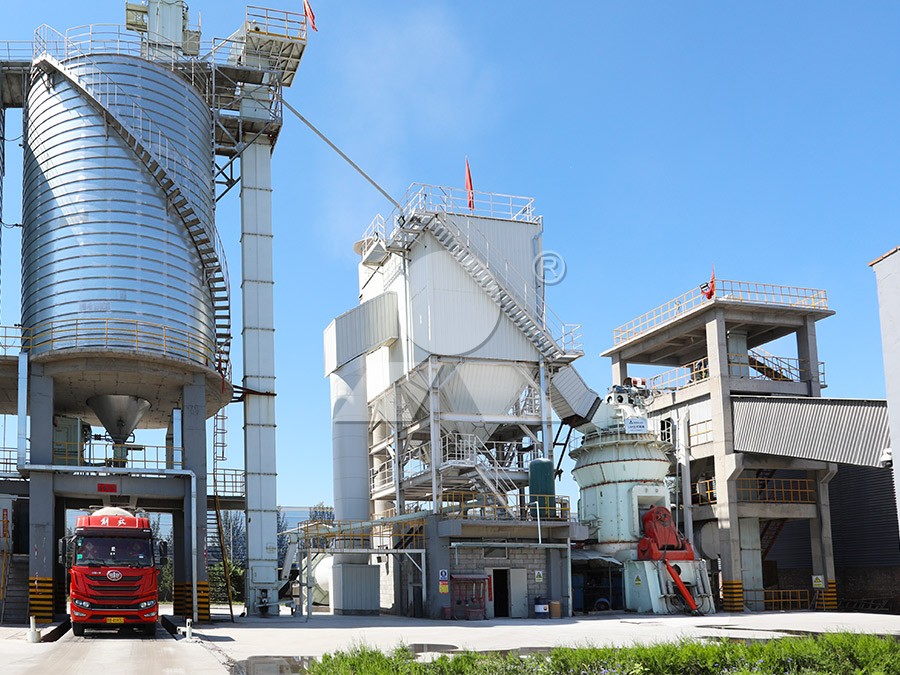
Traditional grinding approaches often struggle with the 40 mesh specification. Ball mills, while reliable for coarse grinding, frequently lack the finesse required for consistent mid-range particle distribution. Hammer mills can achieve the target size but often at the cost of excessive heat generation and broad particle distribution curves. This is where advanced vertical mill technology demonstrates its distinct advantages, offering manufacturers a sophisticated solution to this common production challenge.
The Vertical Mill Advantage in Fine Powder Production
Vertical grinding mills have revolutionized powder processing through their unique combination of mechanical efficiency and precise classification capabilities. Unlike horizontal milling systems where gravity plays a limited role, vertical mills leverage gravitational forces to enhance grinding efficiency while maintaining tight control over particle size distribution.
The fundamental working principle involves material being fed into the center of a rotating grinding table, where multiple grinding rollers apply precisely controlled pressure. As particles move outward across the table, they undergo progressive size reduction before being carried upward by air current to integrated classification systems. This continuous process allows for real-time adjustment of operational parameters to maintain target fineness.
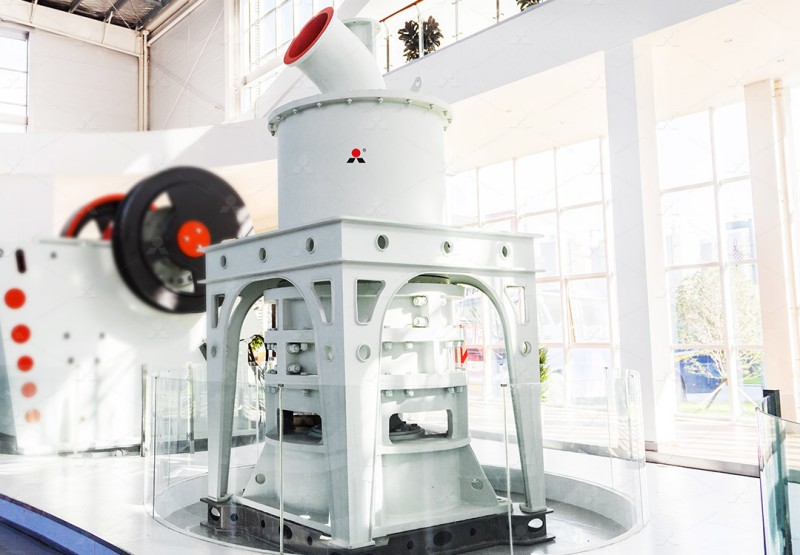
Introducing the MW Ultrafine Grinding Mill: Precision Engineered for Fine Powder Applications
For operations requiring exceptional control in the 40 mesh range and beyond, our MW Ultrafine Grinding Mill represents the pinnacle of grinding technology. Specifically engineered for customers who need to make ultra-fine powder, this advanced system combines robust construction with sophisticated classification capabilities.
The MW series stands out with its impressive operational specifications: handling input sizes from 0-20 mm with capacities ranging from 0.5 to 25 tph. What truly distinguishes this equipment is its ability to produce powders with fineness adjustable between 325-2500 meshes, making 40 mesh production comfortably within its optimal operating range. The integrated cage-type powder selector employs German technology to ensure precise particle separation, while the innovative grinding chamber design eliminates rolling bearings and screws that typically represent maintenance concerns in conventional mills.
Technical Innovations Driving Performance
The MW Ultrafine Grinding Mill incorporates several groundbreaking features that directly benefit 40 mesh production. The newly designed grinding curves of the grinding roller and grinding ring significantly enhance grinding efficiency, achieving production capacity 40% higher than jet grinding mills and twice that of ball grinding mills with equivalent fineness and power consumption. Meanwhile, system energy consumption is reduced to just 30% of comparable jet grinding systems.
Environmental considerations are thoroughly addressed through integrated pulse dust collection and advanced muffler systems, ensuring minimal dust and noise pollution throughout operation. The external lubrication system enables maintenance without shutdown, supporting continuous 24-hour production cycles that modern manufacturing demands.
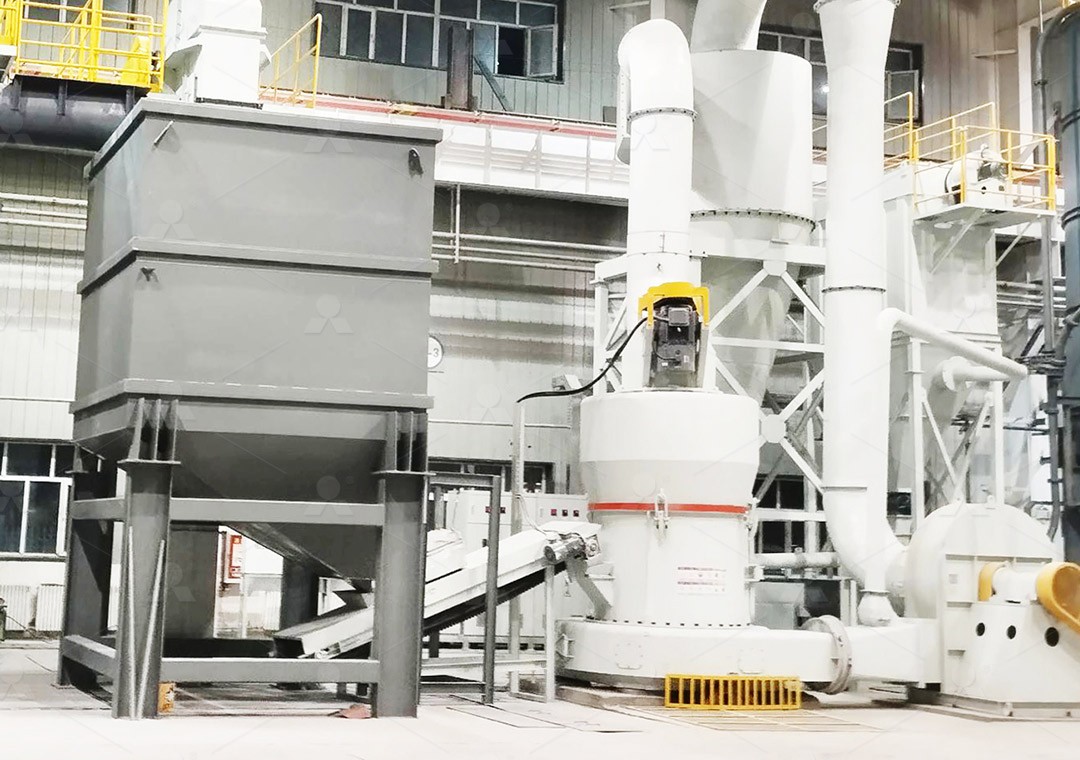
Material Versatility and Application Excellence
The true measure of any grinding system lies in its ability to handle diverse materials while maintaining consistent output quality. The MW Ultrafine Grinding Mill demonstrates exceptional versatility across numerous material categories, including limestone, calcite, dolomite, petroleum coal, gypsum, barite, marble, talc, and various coal powders. Beyond mineral processing, its applications extend to chemical industries, paint production, cosmetics manufacturing, pharmaceutical applications, and food additive processing.
This broad applicability stems from the mill’s sophisticated engineering, which maintains material integrity throughout the grinding process. The absence of direct metal-to-metal contact in critical areas minimizes contamination risk, while the precise temperature control prevents thermal degradation of sensitive materials.
Operational Efficiency and Economic Benefits
Beyond technical specifications, the economic advantages of vertical mill technology for 40 mesh production are substantial. The MW Ultrafine Grinding Mill’s higher yielding capacity combined with lower energy consumption translates directly to improved operational economics. The elimination of frequent maintenance interventions—thanks to the absence of internal rolling bearings and screws—further reduces operating costs and maximizes equipment availability.
Digital manufacturing processes ensure exceptional precision in component fabrication, with tens of lines of numerical controlling machine tools handling operations from steel plate cutting and bending to planing, milling, and paint spraying. This manufacturing precision directly contributes to operational reliability and consistent performance.
Future-Proofing Your Powder Processing Operations
As industry standards evolve and quality requirements become more stringent, investing in advanced grinding technology represents a strategic decision with long-term benefits. The MW Ultrafine Grinding Mill’s adaptable design accommodates changing production requirements, while our comprehensive support infrastructure—including original spare parts availability and technical services—ensures worry-free operation throughout the equipment lifecycle.
For operations targeting 40 mesh specifications with exceptional consistency and efficiency, vertical mill technology—particularly the MW Ultrafine Grinding Mill—delivers unparalleled performance across the complete spectrum of fine powder production requirements.
Frequently Asked Questions
What makes vertical mills particularly suitable for 40 mesh grinding?
Vertical mills combine efficient grinding mechanics with integrated classification systems, allowing precise control over particle size distribution. Their gravitational material flow enhances grinding efficiency while reducing energy consumption compared to traditional horizontal milling systems.
How does the MW Ultrafine Grinding Mill achieve such broad fineness adjustment?
The mill employs an advanced cage-type powder selector with German technology, enabling operators to precisely adjust product fineness between 325-2500 meshes. Multiple cage configurations can be specified based on specific production requirements for yield, fineness, and sieving rate.
What maintenance advantages does the MW series offer over conventional mills?
The grinding chamber contains no rolling bearings or screws, eliminating common failure points. External lubrication allows maintenance without shutdown, and the robust construction minimizes wear part replacement frequency, significantly reducing downtime.
How does the energy consumption compare to other grinding technologies?
The MW Ultrafine Grinding Mill consumes approximately 30% of the energy required by jet grinding mills for equivalent output. Compared to ball mills, it achieves twice the production capacity with similar power input.
What materials are suitable for processing to 40 mesh in this equipment?
The mill handles numerous materials including limestone, calcite, dolomite, gypsum, barite, marble, talc, coal powders, and various chemical compounds. Its design preserves material properties throughout the grinding process.
How does the environmental performance measure up to industry standards?
Integrated pulse dust collection ensures no dust pollution during operation, while silencers and noise elimination rooms reduce acoustic emissions. The system fully complies with national environmental protection standards.
What production capacities are achievable for 40 mesh powder?
The MW series offers capacities from 0.5 to 25 tph depending on material characteristics and specific fineness requirements. The efficient grinding design maximizes throughput while maintaining consistent particle size distribution.