
Can Vertical Roller Mills Process Slag from Major Repairs?
We provide a wide range of mills — including Raymond mill, trapezoidal mill, vertical mill, ultrafine mill, and ball mill, obtained ISO9001 international quality certification, EU CE certification, and Customs Union CU-TR certification. Suitable for processing minerals such as limestone, phosphate, quicklime, kaolin, talc, barite, bentonite, calcium carbonate, dolomite, coal, gypsum, clay, carbon black, slag, cement raw materials, cement clinker, and more.
The discharge range of these mills can be adjusted to meet specific processing needs, typically from 80-400 mesh, 600-3250 mesh, and can achieve the finest particle size of up to 6000 mesh(D50).
If you are looking for a reliable grinding solution to turn stone or minerals into fine powder, please feel free to contact our online customer service.
Can Vertical Roller Mills Process Slag from Major Repairs?
The steel industry generates substantial amounts of slag during major repairs and maintenance shutdowns. This byproduct, often considered waste, contains valuable minerals that can be repurposed for cement production, construction materials, and various industrial applications. The critical question for many plant managers is whether vertical roller mills (VRMs) can effectively process this challenging material.
Slag from major repairs typically contains irregular particle sizes, varying moisture content, and potentially abrasive components. Traditional grinding systems often struggle with these characteristics, leading to excessive wear, high energy consumption, and inconsistent product quality. However, modern vertical roller mills have evolved specifically to handle such demanding applications.
Technical Considerations for Slag Processing
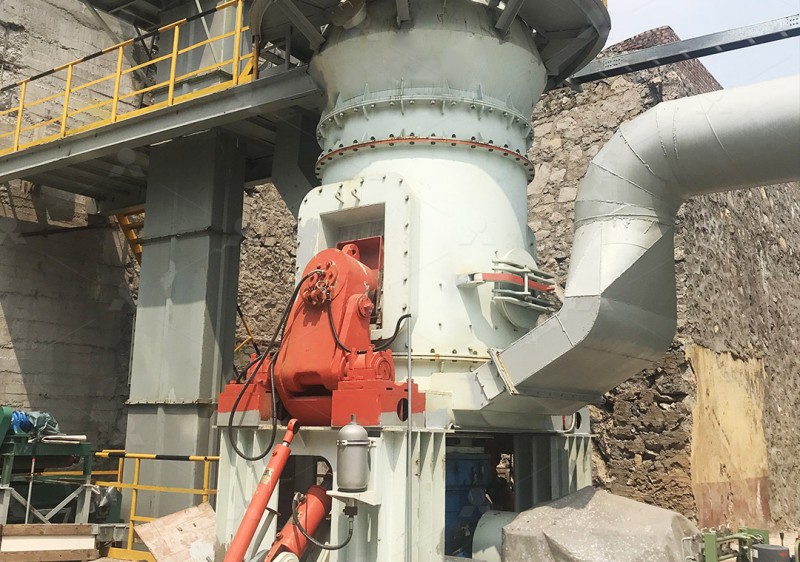
When evaluating VRMs for slag processing, several factors must be considered. The grinding mechanism of vertical mills provides distinct advantages for slag applications. The bed compression grinding principle, where material is ground between rollers and a rotating table, proves particularly effective for brittle materials like slag.
Moisture content presents a significant challenge, as slag from repair operations often contains variable water content. Modern VRMs integrate drying capabilities, allowing simultaneous grinding and drying operations. This eliminates the need for separate drying equipment, reducing both capital and operational costs.
Wear resistance remains a primary concern when processing abrasive slag materials. Advanced VRMs address this through several innovative features. The absence of rolling bearings and screws in the grinding chamber eliminates common failure points. Additionally, reversible structures and specialized wear protection extend component lifespan significantly.
Recommended Solution: MW Ultrafine Grinding Mill
For operations requiring high-value slag products, our MW Ultrafine Grinding Mill offers exceptional performance. With an input size capacity of 0-20 mm and throughput ranging from 0.5-25 tph, this machine handles typical slag particle distributions effectively. The MW series achieves fineness between 325-2500 meshes, making it ideal for producing premium slag powders for specialized applications.
The MW Ultrafine Grinding Mill incorporates German cage-type powder selector technology, ensuring precise particle separation. Its unique design eliminates rolling bearings and screws from the grinding chamber, preventing common failure modes when processing abrasive slag. The integrated pulse dust collector maintains environmental compliance while reducing operational overhead.
Alternative Solution: LM Vertical Slag Mill
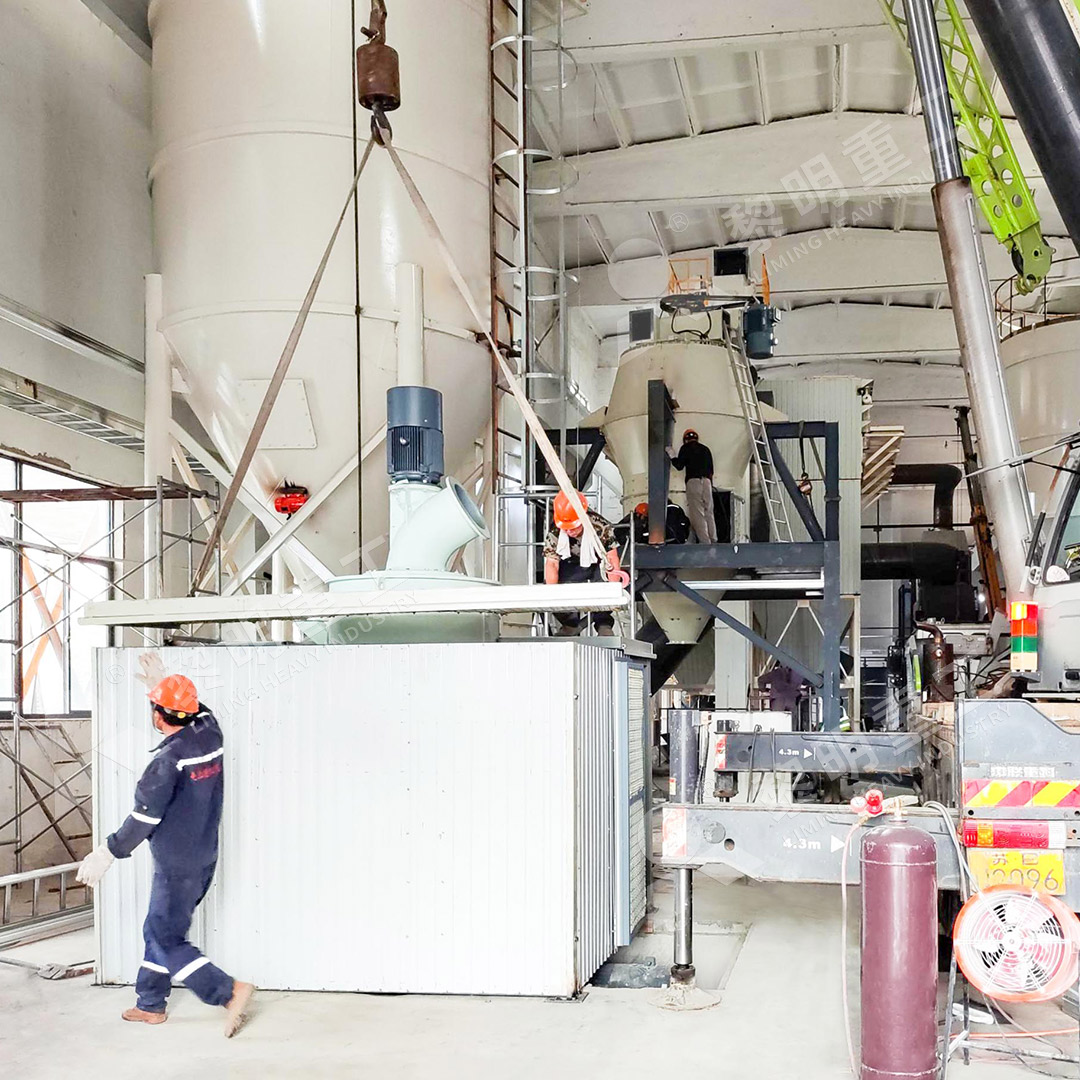
For operations prioritizing high-volume processing, our LM Vertical Slag Mill provides robust performance with capacities from 7-100 tph. Specifically engineered for industrial waste materials, this mill integrates drying, grinding, powder selection, and conveying in a single compact system. Its energy consumption is 30-40% lower than traditional ball milling systems, offering significant operational savings.
The LM Vertical Slag Mill’s negative-pressure air-sweep design ensures efficient drying of moist slag while preventing dust emissions. The grinding roller and table utilize high-performance wear-resistant materials, extending maintenance intervals even when processing abrasive slag from repair operations.
Operational Benefits
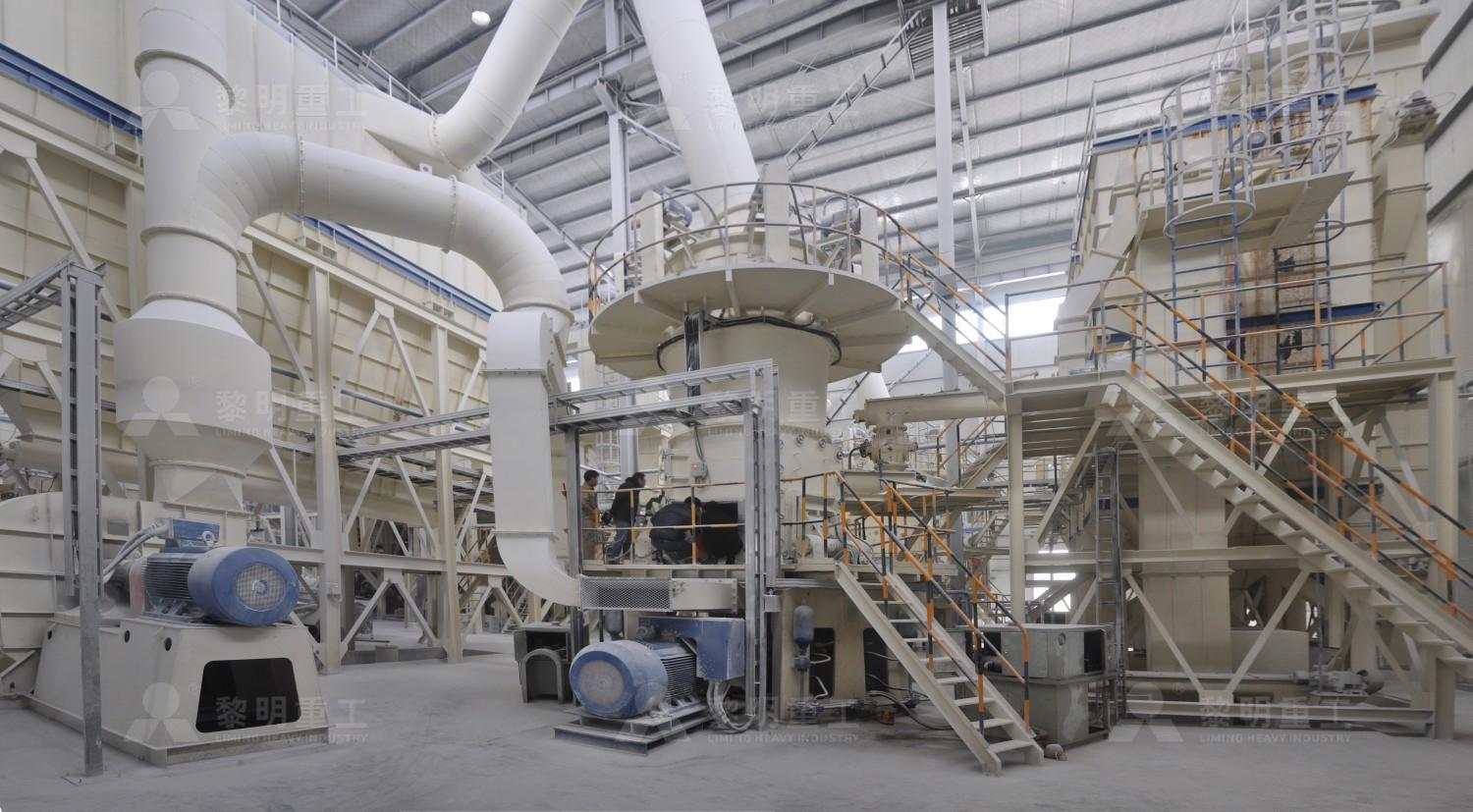
Vertical roller mills provide several operational advantages for slag processing. Their compact footprint reduces space requirements by approximately 50% compared to ball mill systems. The integrated design simplifies material handling and reduces overall system complexity.
Energy efficiency represents another significant advantage. VRMs typically consume 30-50% less energy than traditional grinding systems. This translates to substantial cost savings, particularly for continuous operations processing large slag volumes.
Environmental compliance is increasingly important for industrial operations. Modern VRMs operate under negative pressure with integrated dust collection systems, ensuring emissions remain well within regulatory limits. The low-noise operation further enhances workplace environmental conditions.
Frequently Asked Questions
What types of slag can vertical roller mills process?
VRMs can effectively process various slag types including blast furnace slag, steel slag, copper slag, and nickel slag. The specific mill configuration may vary depending on slag characteristics and desired product specifications.
How does moisture content affect slag processing in VRMs?
Modern VRMs integrate drying capabilities that can handle moisture content up to 15-20% depending on the specific model and configuration. For higher moisture content, pre-drying systems can be integrated.
What maintenance considerations are specific to slag processing?
Slag processing typically requires more frequent inspection of wear parts. However, advanced VRMs feature reversible grinding elements and easy-access designs that significantly reduce maintenance downtime and costs.
Can the same VRM process different types of slag?
Yes, with proper adjustment of operational parameters, modern VRMs can switch between different slag types. The PLC control systems allow quick parameter changes to optimize performance for each material.
What product fineness can be achieved when processing slag?
Depending on the VRM model, product fineness from 2500 to 5000 cm²/g Blaine can be achieved. The MW Ultrafine Grinding Mill can reach fineness up to 2500 meshes for specialized applications.