
High Pressure Suspension Grinding Mill for Efficient Slag Processing
We provide a wide range of mills — including Raymond mill, trapezoidal mill, vertical mill, ultrafine mill, and ball mill, obtained ISO9001 international quality certification, EU CE certification, and Customs Union CU-TR certification. Suitable for processing minerals such as limestone, phosphate, quicklime, kaolin, talc, barite, bentonite, calcium carbonate, dolomite, coal, gypsum, clay, carbon black, slag, cement raw materials, cement clinker, and more.
The discharge range of these mills can be adjusted to meet specific processing needs, typically from 80-400 mesh, 600-3250 mesh, and can achieve the finest particle size of up to 6000 mesh(D50).
If you are looking for a reliable grinding solution to turn stone or minerals into fine powder, please feel free to contact our online customer service.
Unlocking Value in Industrial Byproducts: Advanced Slag Processing Solutions
In today’s industrial landscape, efficient waste management and resource optimization have become critical factors for sustainable operations. Slag, a byproduct of metal smelting and refining processes, presents both an environmental challenge and a valuable opportunity when processed correctly. The transformation of slag into useful materials requires specialized equipment capable of handling its unique properties while maintaining operational efficiency.
The Technical Demands of Slag Processing
Slag processing presents several distinct challenges that conventional grinding equipment often struggles to address. The material’s variable composition, abrasive nature, and specific particle size requirements demand machinery designed with these factors in mind. Traditional ball mills, while serviceable for some applications, frequently fall short in terms of energy efficiency and precise particle control when processing slag materials.
Modern operations require equipment that can handle input sizes ranging from 0-70mm while delivering consistent output quality. The grinding process must accommodate varying moisture content and composition while maintaining stable operation. Additionally, environmental considerations necessitate systems with effective dust collection and noise reduction capabilities.
Advanced Grinding Technology for Superior Results
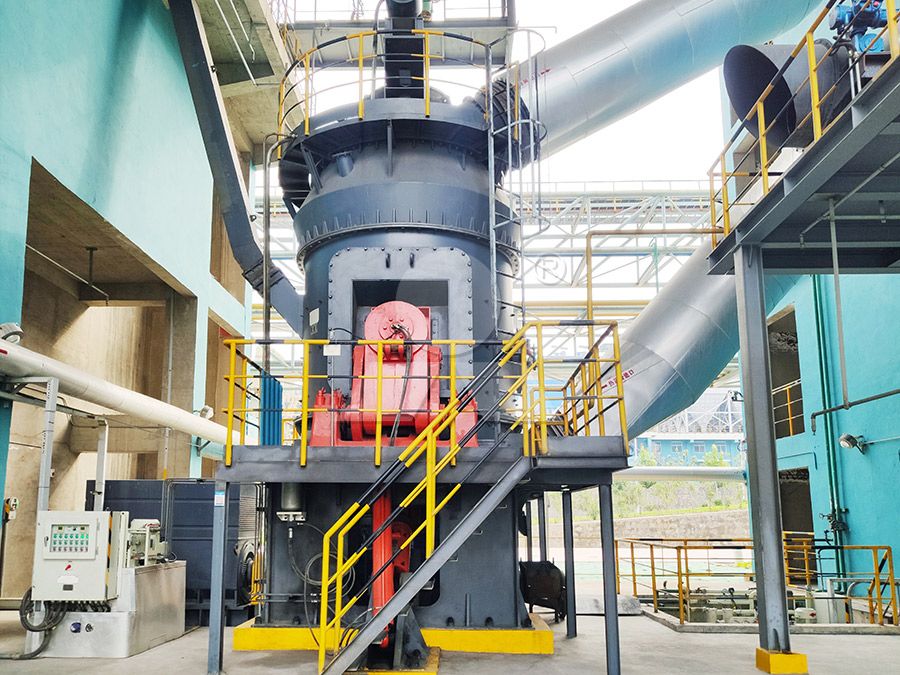
For operations requiring ultra-fine powder production from slag materials, the MW Ultrafine Grinding Mill represents a significant technological advancement. This equipment is specifically engineered for customers who need to produce ultra-fine powder with particle sizes adjustable between 325-2500 meshes. With an input size capacity of 0-20 mm and throughput ranging from 0.5-25 tph, this machine offers remarkable versatility for various slag processing applications.
The MW Ultrafine Grinding Mill incorporates several innovative features that make it particularly suitable for slag processing. Its newly designed grinding curves for the grinding roller and ring significantly enhance grinding efficiency. Comparative performance data demonstrates that with identical fineness and power consumption, this mill achieves production capacity 40% higher than jet grinding mills and stirred grinding mills, while doubling the output of traditional ball grinding mills. Remarkably, the system energy consumption is only 30% of comparable jet grinding systems.
Operational Advantages in Real-World Applications
The practical benefits of advanced grinding technology extend beyond mere technical specifications. The MW Ultrafine Grinding Mill’s unique design eliminates rolling bearings and screws within the grinding chamber, addressing common failure points in conventional equipment. This design consideration prevents damage to bearing components and eliminates machine failures caused by loose screws, significantly improving operational reliability.
Environmental compliance is another critical consideration for modern processing facilities. The integrated efficient pulse dust collector ensures no dust pollution occurs during the entire milling process. Combined with silencers and noise elimination rooms, the system operates well within national environmental protection standards, making it suitable for facilities operating in regulated environments.
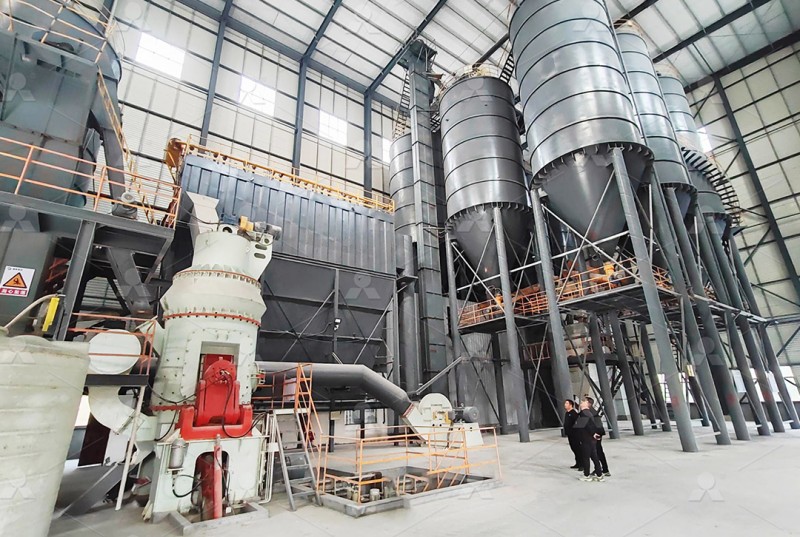
For operations requiring even higher capacity, the LM Vertical Slag Mill offers processing capabilities from 7-100T/H with input sizes of 38-65mm. This specialized equipment integrates drying, grinding, powder selection, and conveying into a single system, specifically designed for grinding industrial waste into powder. Its vertical structure reduces the covered area by approximately 50% compared to ball milling systems while cutting energy consumption by 30-40%.
Maximizing Return on Investment
The economic justification for advanced grinding equipment extends beyond initial purchase price. Factors such as energy consumption, maintenance requirements, spare parts availability, and operational downtime significantly impact the total cost of ownership. Equipment designed with digitalized processing techniques ensures higher precision in manufacturing, particularly for core components, resulting in longer service life and more consistent performance.
Comprehensive technical support and original spare parts availability further enhance operational reliability. Production facilities that cover both manufacturing and sales can assume responsibility for every machine produced, offering customers complete technical services and ensuring worry-free operation throughout the equipment’s lifecycle.
Frequently Asked Questions
What makes slag processing different from other mineral grinding applications?
Slag presents unique challenges due to its variable composition, abrasive nature, and specific end-use requirements. Successful processing requires equipment that can handle these variations while maintaining consistent output quality and operational efficiency.
How does the MW Ultrafine Grinding Mill achieve higher efficiency compared to traditional equipment?
The MW Mill incorporates newly designed grinding curves for rollers and rings, advanced powder selection technology, and eliminates common failure points like internal bearings and screws. These innovations collectively contribute to 40% higher production capacity and 70% lower energy consumption compared to conventional systems.
What environmental benefits do modern slag grinding systems offer?
Advanced systems feature integrated pulse dust collectors, silencers, and noise reduction technologies that minimize environmental impact. The MW Ultrafine Grinding Mill, for instance, operates with no dust pollution and meets stringent national environmental standards.
How important is particle size control in slag processing?
Extremely important. The ability to precisely control particle size between 325-2500 meshes enables processors to meet specific application requirements, whether for cement production, concrete additives, or other industrial uses, directly impacting the value of the final product.
What support is available for maintenance and spare parts?
Comprehensive support includes technical services and original spare parts from the manufacturer, ensuring operational continuity and maintaining equipment performance throughout its service life.