
Why Is My Raymond Mill Not Producing Powder?
We provide a wide range of mills — including Raymond mill, trapezoidal mill, vertical mill, ultrafine mill, and ball mill, obtained ISO9001 international quality certification, EU CE certification, and Customs Union CU-TR certification. Suitable for processing minerals such as limestone, phosphate, quicklime, kaolin, talc, barite, bentonite, calcium carbonate, dolomite, coal, gypsum, clay, carbon black, slag, cement raw materials, cement clinker, and more.
The discharge range of these mills can be adjusted to meet specific processing needs, typically from 80-400 mesh, 600-3250 mesh, and can achieve the finest particle size of up to 6000 mesh(D50).
If you are looking for a reliable grinding solution to turn stone or minerals into fine powder, please feel free to contact our online customer service.
Why Is My Raymond Mill Not Producing Powder?
As an experienced plant manager with over 15 years in mineral processing, I’ve encountered countless operational challenges. One of the most frustrating issues is when your Raymond mill suddenly stops producing the fine powder you need. The machine appears to be running normally, but the output quality deteriorates or production ceases entirely. Let me walk you through the common culprits and practical solutions.
Common Causes of Poor Powder Production
The grinding process in Raymond mills depends on multiple factors working in harmony. When powder production fails, it’s typically due to one of these issues:
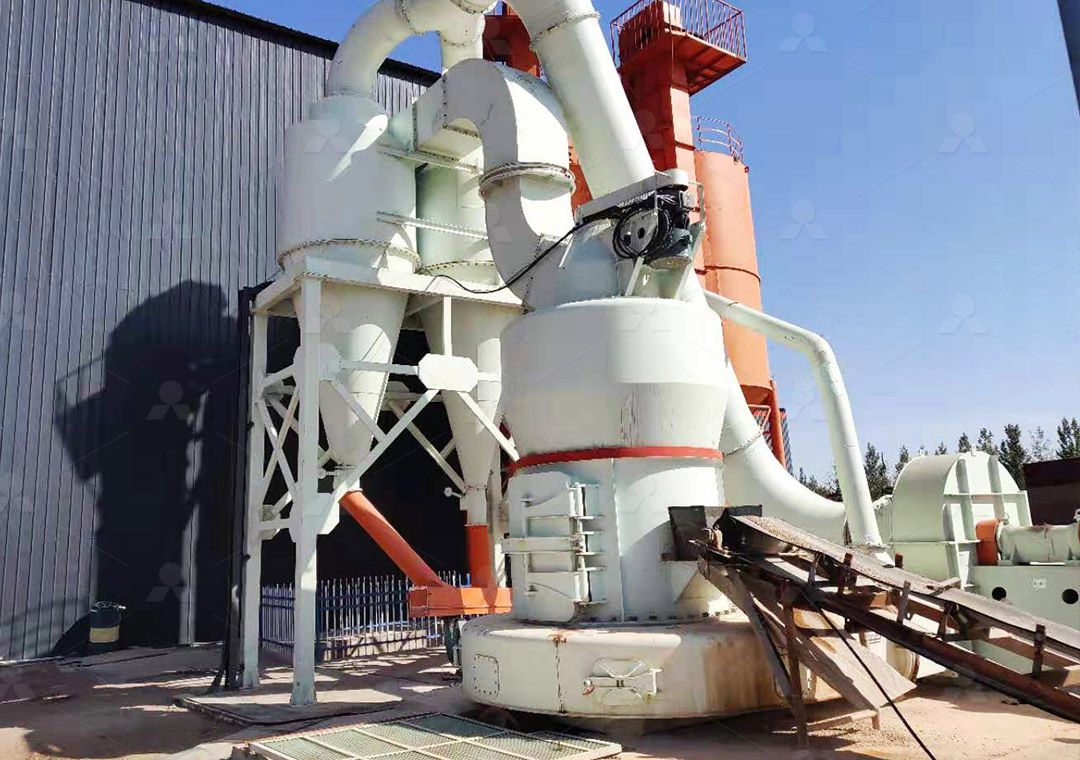
Worn Grinding Components: The grinding rollers and rings are the heart of your Raymond mill. After extensive use, these components wear down, reducing the grinding pressure and efficiency. I’ve seen operations where production dropped by 40% simply because the rollers needed replacement. The gradual nature of this wear makes it easy to miss until production suffers significantly.
Incorrect Feed Size: Raymond mills have specific input size requirements (typically <25mm). When operators feed oversized material, the grinding mechanism struggles to process it effectively. I recall visiting a facility where they were feeding 40mm material into a mill designed for 25mm maximum – no wonder their powder output had diminished!
Moisture Content Issues: Material moisture directly impacts grinding efficiency. Excess moisture causes material to stick to grinding components and internal surfaces, creating a paste-like consistency instead of fine powder. The ideal moisture content varies by material but generally should not exceed 6-8%.
Beyond Raymond: When to Consider an Upgrade
Sometimes, the issue isn’t with your Raymond mill’s operation but with its fundamental capabilities for your specific application. If you’re consistently struggling with powder quality or production rates, it might be time to consider more advanced grinding technology.
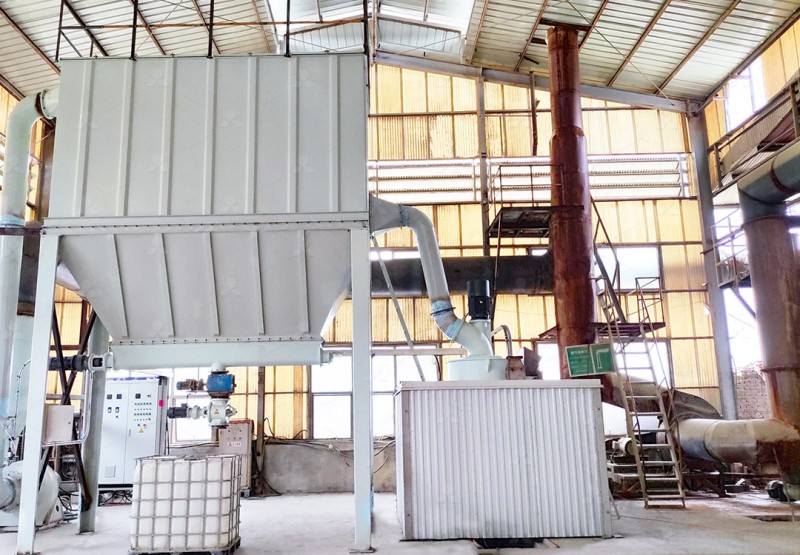
For operations requiring ultra-fine powder (325-2500 meshes), our MW Ultrafine Grinding Mill represents a significant advancement. With an input size of 0-20 mm and capacity ranging from 0.5-25 tph, this equipment addresses many Raymond mill limitations. The innovative design features higher yielding with lower energy consumption – achieving 40% higher production capacity than jet grinding mills with only 30% of the energy consumption.
What truly sets the MW series apart is its precision. The German-designed cage-type powder selector allows exact fineness control, while the absence of rolling bearings and screws in the grinding chamber eliminates common failure points. The integrated pulse dust collector ensures environmentally friendly operation, addressing both performance and regulatory concerns.
Operational Best Practices
Regardless of your equipment, certain practices ensure optimal powder production:
Regular Maintenance Scheduling: Don’t wait for components to fail completely. Establish a preventive maintenance schedule based on operating hours. Document wear patterns to predict replacement needs accurately.
Proper Material Preparation: Ensure your crushing circuit delivers consistently sized material. Implement moisture control measures where necessary. Remember that different materials have different grinding characteristics – what works for limestone may not work for barite.
Systematic Troubleshooting: When powder production drops, methodically check: grinding component clearance, separator operation, air flow rates, and feeding consistency. Keep detailed operational records to identify patterns.
Knowing When to Upgrade Your Equipment
After years of working with various grinding systems, I’ve developed a simple rule: if you’re spending more on maintenance and energy than the cost of modern equipment would save you in two years, it’s time to upgrade. The efficiency gains from newer technologies often justify the investment.
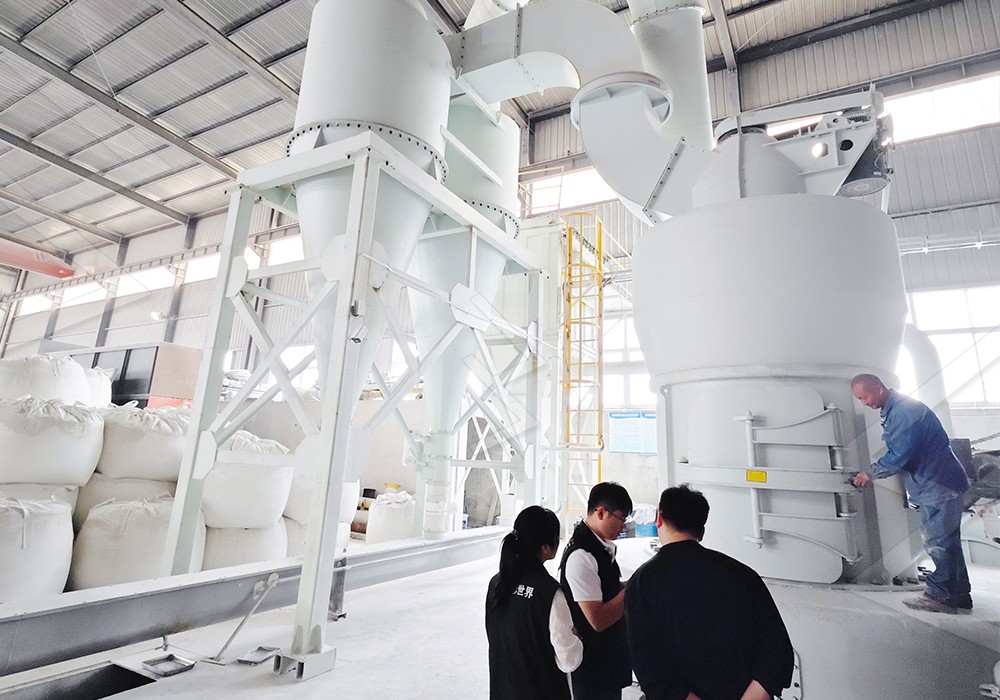
For operations requiring even more advanced capabilities, our LUM Ultrafine Vertical Grinding Mill offers another excellent option. With input size of 0-10 mm and capacity of 5-18 tph, it incorporates the latest grinding roller technology and German powder separating technology. The reversible structure makes maintenance significantly easier, reducing downtime during component inspection or replacement.
Frequently Asked Questions
Why has my Raymond mill’s powder production gradually decreased over time?
Gradual production decrease typically indicates worn grinding components. The rollers and rings lose their optimal profile, reducing grinding efficiency. Regular measurement and scheduled replacement prevent this issue.
Can I adjust my Raymond mill to produce finer powder?
Raymond mills have limitations on fineness capabilities. While separator adjustments can help, for consistently finer powder (especially beyond 325 mesh), consider upgrading to specialized equipment like our MW Ultrafine Grinding Mill.
How does material moisture affect powder production?
Excess moisture causes material adherence to grinding surfaces and powder aggregation. It reduces grinding efficiency and can clog the system. Optimal moisture content is material-specific but generally below 8%.
What’s the most overlooked maintenance item that affects powder production?
The grinding roller spring tension is frequently overlooked. Incorrect tension reduces grinding pressure, directly impacting powder fineness and production rate. Regular tension checks should be part of your maintenance routine.
When should I consider replacing rather than repairing my Raymond mill?
Consider replacement when: energy consumption exceeds 30% of newer models, production capacity consistently falls short of requirements, or maintenance costs exceed 15% of the equipment’s value annually. Modern mills like our MW series offer significantly better efficiency and reliability.