
Ultra Fine Limestone Powder Production Process and Grinding Mill Selection
We provide a wide range of mills — including Raymond mill, trapezoidal mill, vertical mill, ultrafine mill, and ball mill, obtained ISO9001 international quality certification, EU CE certification, and Customs Union CU-TR certification. Suitable for processing minerals such as limestone, phosphate, quicklime, kaolin, talc, barite, bentonite, calcium carbonate, dolomite, coal, gypsum, clay, carbon black, slag, cement raw materials, cement clinker, and more.
The discharge range of these mills can be adjusted to meet specific processing needs, typically from 80-400 mesh, 600-3250 mesh, and can achieve the finest particle size of up to 6000 mesh(D50).
If you are looking for a reliable grinding solution to turn stone or minerals into fine powder, please feel free to contact our online customer service.
Ultra Fine Limestone Powder Production Process and Grinding Mill Selection
The production of ultra-fine limestone powder represents a sophisticated process requiring specialized equipment to achieve precise particle size distributions while maintaining operational efficiency. As industries increasingly demand finer powders for applications ranging from plastics and paints to pharmaceuticals and construction materials, selecting the appropriate grinding technology becomes paramount to commercial success.
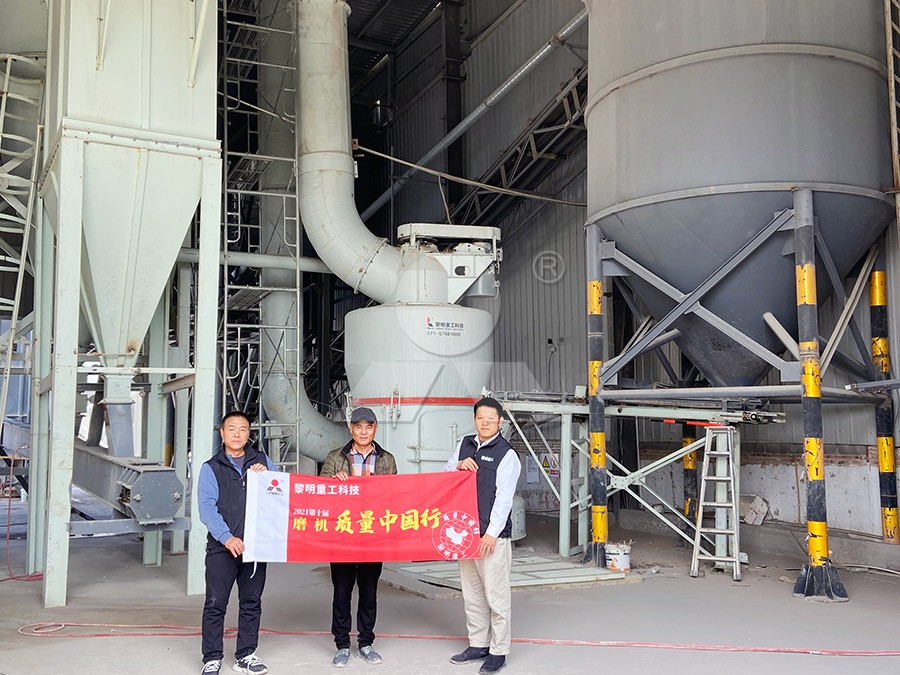
The transformation of raw limestone into ultra-fine powder involves multiple critical stages, beginning with primary crushing to reduce large chunks to manageable sizes, typically below 20mm. This preparatory step ensures optimal feeding conditions for subsequent grinding operations. The heart of the process lies in the grinding mill itself, where material undergoes repeated impact, compression, and shear forces to achieve the desired fineness.
Key Considerations in Mill Selection
When evaluating grinding mills for ultra-fine limestone production, several factors demand careful consideration. Production capacity requirements, target fineness range, energy consumption profiles, and operational maintenance needs all play crucial roles in determining the most suitable equipment. The ideal mill must balance throughput efficiency with particle size control while minimizing operating costs.
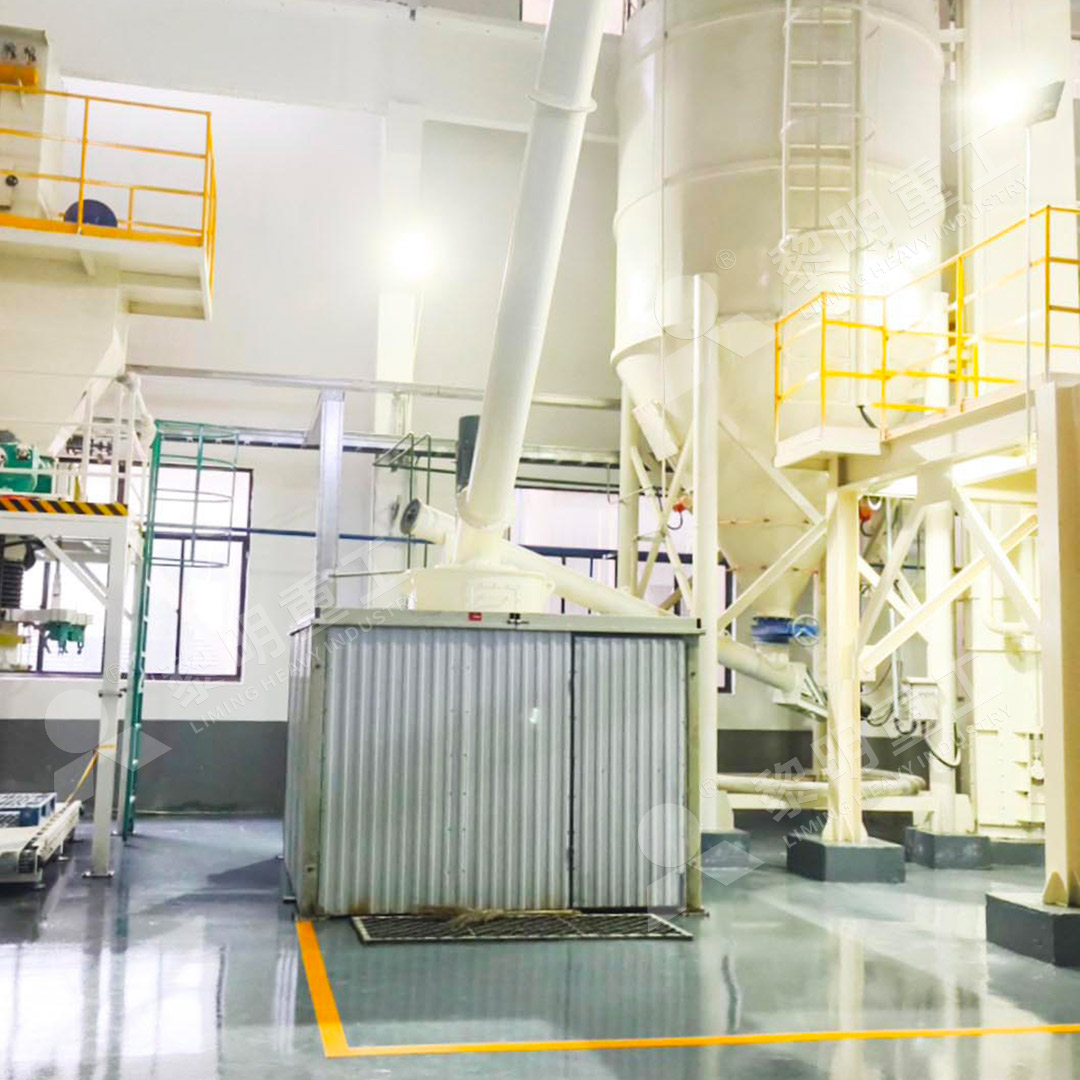
For operations targeting fineness between 325-2500 meshes with capacities ranging from 0.5 to 25 tons per hour, the MW Ultrafine Grinding Mill presents an compelling solution. This advanced mill incorporates German cage-type powder selector technology, enabling precise control over final product specifications. The absence of rolling bearings and screws within the grinding chamber eliminates common failure points, significantly enhancing operational reliability.
Advanced Grinding Technologies
Modern grinding mills employ sophisticated engineering principles to optimize performance. The integration of efficient pulse dust collectors and mufflers addresses environmental concerns by containing particulate emissions and reducing noise pollution. These systems operate in compliance with stringent international environmental standards, making them suitable for installation in regulated industrial zones.
Another notable option for specialized applications is the LUM Ultrafine Vertical Grinding Mill, which combines Taiwanese grinding roller technology with German powder separation expertise. This vertical configuration offers particular advantages in footprint efficiency and material handling, especially when processing materials with input sizes up to 10mm at capacities between 5-18 tph.
Operational Efficiency and Maintenance
The economic viability of ultra-fine limestone production heavily depends on minimizing downtime and maintenance requirements. Contemporary mill designs incorporate external lubrication systems that permit maintenance without production interruptions. Digital processing techniques ensure high machining precision for core components, while comprehensive spare parts availability guarantees operational continuity.
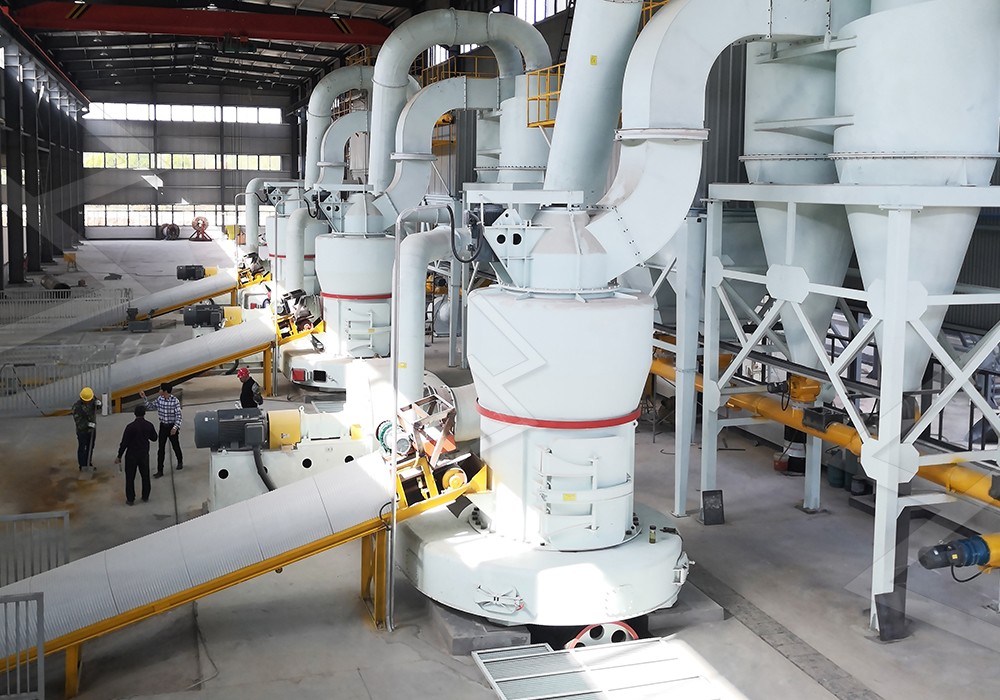
Energy consumption represents another critical consideration. Advanced mills typically demonstrate 30-50% lower energy usage compared to conventional technologies, achieved through optimized grinding curves, efficient classification systems, and reduced mechanical resistance. These efficiency gains directly translate to lower production costs and improved environmental performance.
Frequently Asked Questions
What fineness range can be achieved with modern ultra-fine grinding mills?
Contemporary mills like the MW Ultrafine Grinding Mill can produce powders ranging from 325 to 2500 meshes, with some configurations achieving d97≤5μm in a single pass.
How does the MW Ultrafine Grinding Mill address environmental concerns?
The mill incorporates efficient pulse dust collectors and mufflers that minimize dust emissions and noise pollution, ensuring compliance with international environmental standards.
What maintenance advantages do modern grinding mills offer?
Designs like the MW series eliminate rolling bearings and screws from the grinding chamber, preventing common failure points. External lubrication systems enable maintenance without shutdowns.
How do energy consumption figures compare between different mill types?
Advanced mills typically consume 30-50% less energy than conventional technologies while achieving 40% higher production capacity under similar conditions.
What materials besides limestone can these mills process?
These versatile systems can handle various non-metallic minerals including calcite, dolomite, barite, talc, and gypsum, adapting to diverse industrial requirements.