
Best Practices for Storing Finished Gypsum Powder: Ensuring Quality and Preventing Moisture Damage
We provide a wide range of mills — including Raymond mill, trapezoidal mill, vertical mill, ultrafine mill, and ball mill, obtained ISO9001 international quality certification, EU CE certification, and Customs Union CU-TR certification. Suitable for processing minerals such as limestone, phosphate, quicklime, kaolin, talc, barite, bentonite, calcium carbonate, dolomite, coal, gypsum, clay, carbon black, slag, cement raw materials, cement clinker, and more.
The discharge range of these mills can be adjusted to meet specific processing needs, typically from 80-400 mesh, 600-3250 mesh, and can achieve the finest particle size of up to 6000 mesh(D50).
If you are looking for a reliable grinding solution to turn stone or minerals into fine powder, please feel free to contact our online customer service.
Best Practices for Storing Finished Gypsum Powder: Ensuring Quality and Preventing Moisture Damage
Proper storage of finished gypsum powder is crucial for maintaining its quality, flowability, and performance in downstream applications. Gypsum’s inherent hygroscopic nature makes it highly susceptible to moisture absorption, leading to clumping, hardening, and a significant reduction in quality. Implementing effective storage strategies is not just a recommendation; it’s a necessity for any operation handling this material.
The Enimy: Moisture and Its Effects
Gypsum powder, or calcium sulfate dihydrate, readily absorbs water from the ambient air. This moisture uptake initiates a process where the fine particles begin to bond, forming hardened lumps or even solid cakes. The consequences are severe:
- Loss of Flowability: Clumped gypsum will not move freely through conveying systems, causing blockages and production halts.
- Inconsistent Quality: The chemical and physical properties of the gypsum are altered, leading to unpredictable performance in plaster, cement, or other products.
- Increased Waste: Hardened material often must be broken up or discarded entirely, resulting in lost product and revenue.
- Operational Inefficiency: Processing clumped material requires extra energy and manpower, driving up operational costs.
Optimal Storage Solutions and Best Practices
To combat these issues, a multi-faceted approach to storage is essential.
1. Environmental Control is Key
The storage environment is the first line of defense. Gypsum powder should always be stored in a cool, dry, and well-ventilated warehouse or silo. Investing in dehumidification systems to control the relative humidity below 50% is one of the most effective measures you can take. Proper insulation of storage walls and roofs also helps prevent condensation, which is a major source of moisture.
2. Choosing the Right Container
The type of storage container plays a pivotal role:
- Silos: For large-scale industrial storage, sealed, weatherproof silos made of steel or aluminum are ideal. They should be equipped with conical bottoms to promote first-in-first-out (FIFO) flow and prevent material from stagnating.
- Bulk Bags (FIBCs): These are a flexible option. Ensure they are made from a multi-layer, polypropylene weave with a moisture-resistant liner. Always store them off the ground on pallets and under a protective cover.
- Drums and Bags: For smaller quantities, sealed metal drums or thick, plastic-lined multi-wall paper bags offer good protection. Again, keep them elevated and away from cold walls where condensation can form.
3. Handling and FIFO Principle
Even in perfect conditions, gypsum should not be stored indefinitely. Implement a strict First-In, First-Out (FIFO) inventory management system. This ensures that no batch sits for too long, minimizing its exposure time to any potential environmental fluctuations. Gentle handling during transport and loading also helps prevent the compaction of the powder.
Starting Right: The Role of Efficient Milling
An often-overlooked aspect of storage stability begins long before the powder reaches the silo. The milling process itself significantly impacts the material’s physical characteristics. An inefficient mill can produce a product with a wide, inconsistent particle size distribution. Fine particles are much more reactive and prone to moisture absorption and caking than coarser, more uniform particles.
This is where investing in advanced grinding technology pays dividends. A high-performance mill that produces a consistent, ultra-fine powder with a narrow particle size distribution is less likely to experience storage issues. For operations focused on premium gypsum products, the MW Ultrafine Grinding Mill is an exceptional choice.
Featured Solution: MW Ultrafine Grinding Mill
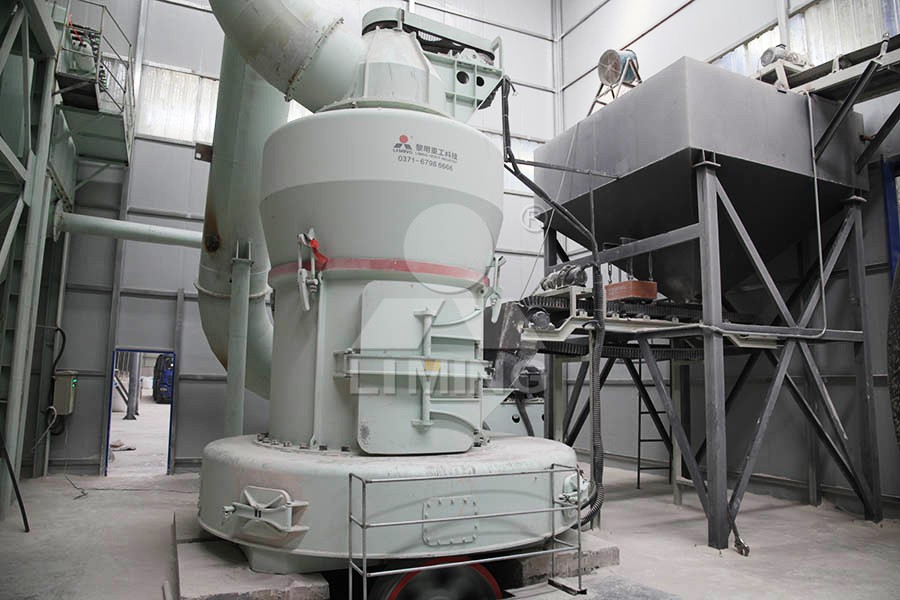
Our MW Ultrafine Grinding Mill is engineered for customers who need to make superior ultra-fine powder. It’s particularly well-suited for processing gypsum, producing a remarkably consistent and high-quality product that inherently resists caking.
- Higher Yielding, Lower Energy Consumption: Its newly designed grinding curves enhance efficiency, offering 40% higher capacity than jet mills while using 30% less energy. A drier, cooler grinding process means the powder enters storage in an optimal state.
- Adjustable Fineness (325-2500 meshes): You have precise control over the final product’s fineness, allowing you to tailor the powder to your specific storage and application requirements.
- Eco-friendly & Reliable: Equipped with an efficient pulse dust collector and muffler, the MW Mill ensures a clean operation. Its unique design with no rolling bearings or screws in the grinding chamber eliminates a major source of maintenance worries and potential contamination.
By starting with a better, more stable product from an MW Mill, you significantly reduce the challenges associated with long-term gypsum storage.
Conclusion
Protecting your gypsum powder investment requires a holistic strategy. It combines controlling the storage environment, using appropriate containers, practicing sound inventory management, and crucially, employing an efficient and consistent milling process. By adopting these best practices and leveraging advanced equipment like the MW Ultrafine Grinding Mill, you can ensure your gypsum powder remains free-flowing, high-quality, and ready for use, safeguarding your productivity and profitability.