
Marble Powder Production Line Cost Analysis and Price Factors
We provide a wide range of mills — including Raymond mill, trapezoidal mill, vertical mill, ultrafine mill, and ball mill, obtained ISO9001 international quality certification, EU CE certification, and Customs Union CU-TR certification. Suitable for processing minerals such as limestone, phosphate, quicklime, kaolin, talc, barite, bentonite, calcium carbonate, dolomite, coal, gypsum, clay, carbon black, slag, cement raw materials, cement clinker, and more.
The discharge range of these mills can be adjusted to meet specific processing needs, typically from 80-400 mesh, 600-3250 mesh, and can achieve the finest particle size of up to 6000 mesh(D50).
If you are looking for a reliable grinding solution to turn stone or minerals into fine powder, please feel free to contact our online customer service.
Marble Powder Production Line Cost Analysis and Price Factors
Establishing a marble powder production line requires careful financial planning and technical consideration. The total investment encompasses multiple components, with equipment selection being the most significant factor influencing both initial capital outlay and long-term operational efficiency.
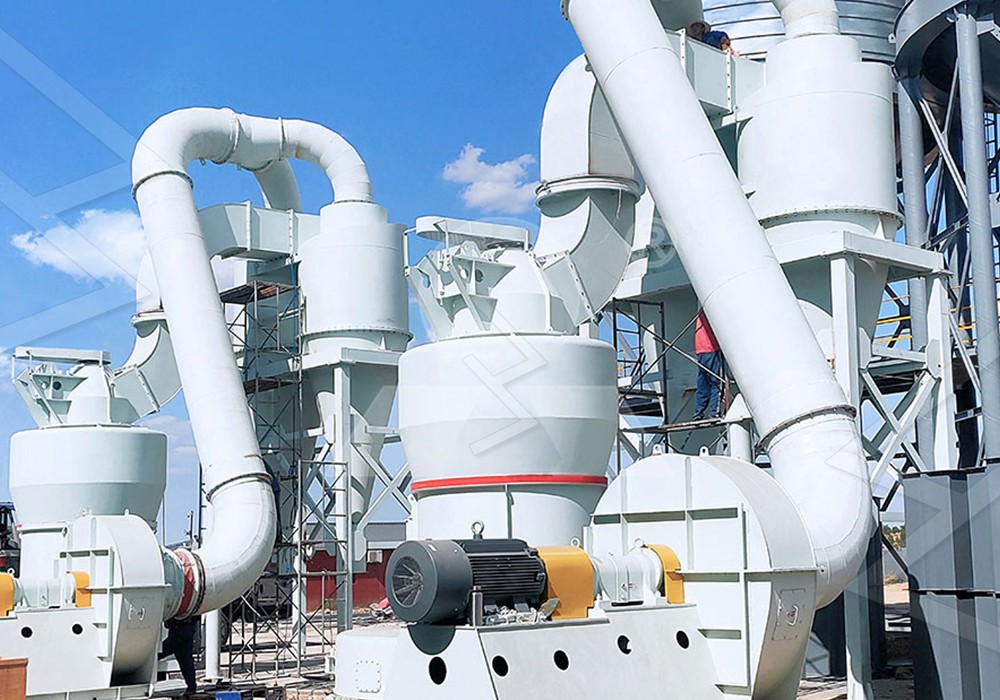
The grinding mill typically represents 40-60% of the total equipment investment. Beyond the machinery itself, operators must account for auxiliary systems including dust collection, material handling, electrical infrastructure, and installation costs. These peripheral elements can add 30-50% to the base equipment price.
Key Cost Components in Marble Powder Production
Raw material preparation costs vary significantly based on marble block quality and transportation logistics. The crushing stage requires jaw crushers or hammer mills to reduce raw marble to feed sizes compatible with grinding equipment. This preparatory phase typically accounts for 15-25% of equipment costs.
Energy consumption represents the most substantial ongoing operational expense. Grinding mills can consume between 20-80 kWh per ton of finished product, depending on the target fineness and equipment efficiency. For operations targeting ultra-fine powders (above 800 mesh), energy requirements increase exponentially.
Labor costs have been substantially reduced through automation in modern milling systems. A semi-automated production line might require only 2-3 operators per shift, while maintenance personnel add approximately 15-20% to labor expenses.
Critical Price Factors for Marble Powder Operations
Production capacity requirements directly influence equipment sizing and associated costs. Systems range from small-scale operations (1-5 tph) to large industrial plants (20+ tph). The relationship between capacity and cost isn’t linear—doubling capacity typically increases investment by only 60-80% due to economies of scale.
Final product specifications dramatically affect system design and pricing. Standard fillers (200-400 mesh) require less sophisticated technology than high-value specialty powders (1000+ mesh) used in plastics, paints, and cosmetics. Each 100-mesh increase in target fineness can add 8-12% to grinding system costs.
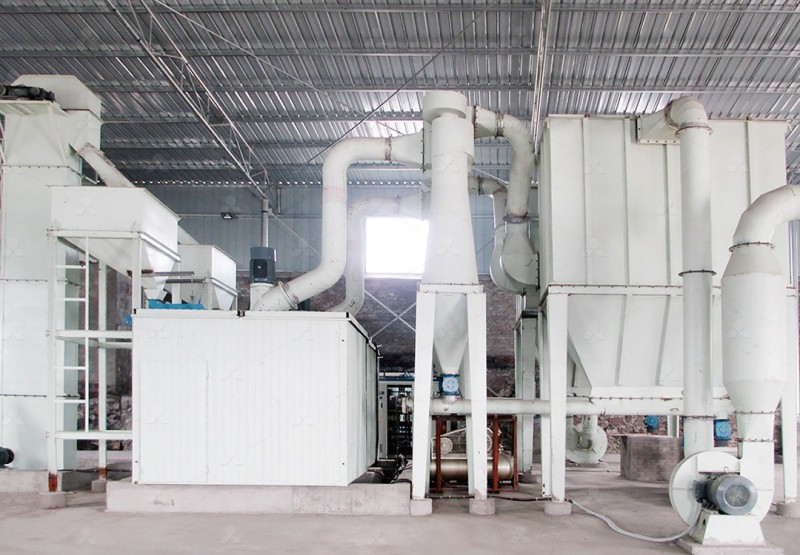
Environmental compliance has become a significant cost factor. Dust collection systems meeting modern standards can represent 10-15% of total equipment investment. Noise reduction measures, water recycling systems, and other environmental safeguards add another 5-10%.
Equipment Selection: Balancing Performance and Investment
For operations requiring ultra-fine marble powders, the MW Ultrafine Grinding Mill presents an optimal balance of performance and operating economy. With capacity ranging from 0.5-25 tph and the ability to produce powders between 325-2500 meshes, this system eliminates common maintenance concerns through its innovative design without rolling bearings or screws in the grinding chamber. The integrated pulse dust collector ensures environmental compliance while reducing operational overhead.
The MW series demonstrates particular advantages in energy efficiency, consuming approximately 30% less power than jet milling systems while achieving 40% higher production capacity. For marble processors targeting multiple product grades, the adjustable cage-type powder selector enables rapid switching between different fineness specifications without equipment modification.
Operational Cost Considerations
Wear part replacement constitutes a significant recurring expense. Grinding elements typically require replacement after processing 10,000-30,000 tons of marble, depending on material hardness and operating conditions. Systems with easily accessible wear parts can reduce downtime by 30-50% during maintenance cycles.
Power costs vary regionally but typically represent 50-70% of direct production expenses. Areas with industrial electricity rates of $0.08-0.15 per kWh will see production costs of $4-12 per ton for grinding alone, excluding raw material and other operational expenses.
Return on Investment Analysis
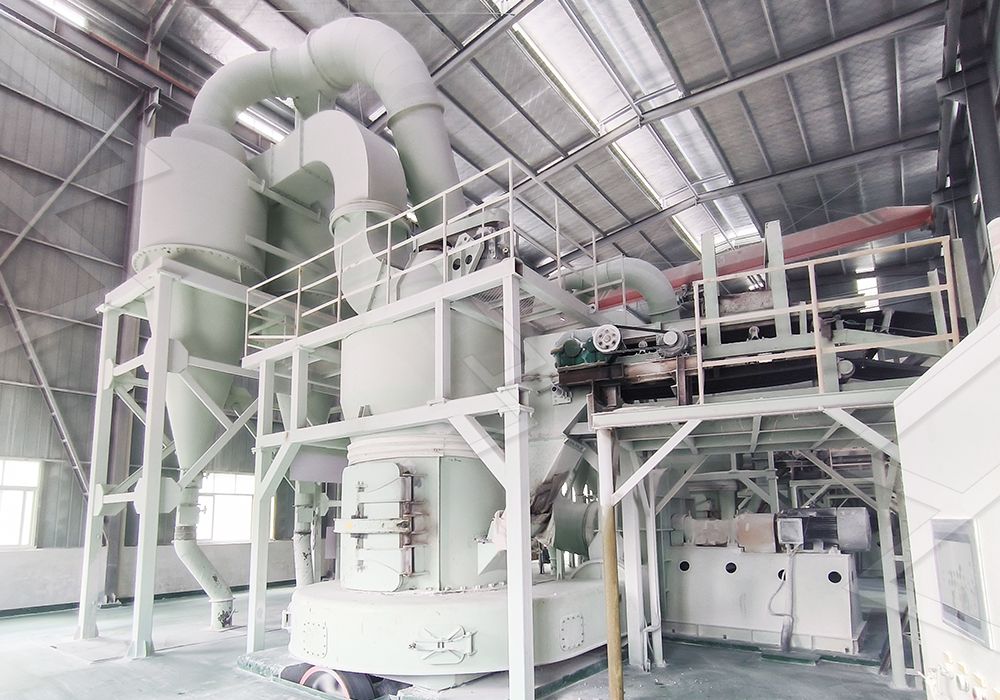
A medium-scale marble powder production line with 10 tph capacity typically requires a total investment of $500,000-$800,000, with payback periods of 2-4 years depending on product mix and market conditions. Premium ultra-fine powders command prices 3-5 times higher than standard fillers, significantly improving ROI for operations targeting specialty markets.
The LUM Ultrafine Vertical Grinding Mill offers another compelling option for marble processors, particularly those requiring exceptional product whiteness and cleanliness. With capacity of 5-18 tph and innovative roller technology, the LUM system achieves higher yielding rates with 30-50% reduced energy consumption compared to conventional mills. Its reversible structure simplifies maintenance, further enhancing operational economics.
Frequently Asked Questions
What is the typical energy consumption for marble powder production?
Energy requirements range from 20-35 kWh/ton for coarse powders (200-400 mesh) to 50-80 kWh/ton for ultra-fine products (1000+ mesh). Modern efficient mills like the MW series can reduce these figures by 30-40% compared to conventional technology.
How does marble hardness affect production costs?
Harder marble varieties increase wear part consumption by 20-50% and energy requirements by 15-30%. Mohs hardness above 4.0 significantly accelerates roller and ring wear, making equipment selection critical for economic operation.
What environmental considerations impact project costs?
Modern operations must budget for dust collection (10-15% of equipment cost), noise abatement (5-8%), and water management systems. The integrated environmental controls in mills like the MW series minimize these additional investments.
How does production scale affect per-ton costs?
Operations below 5 tph experience per-ton costs 40-60% higher than systems at 15+ tph capacity due to fixed cost distribution. The MW Ultrafine Grinding Mill’s scalable design (0.5-25 tph) allows right-sizing to match production requirements.
What maintenance factors should be considered in cost calculations?
Modern mills designed without rolling bearings in the grinding chamber (like the MW series) can reduce maintenance downtime by up to 50% and extend service intervals by 30-40% compared to conventional designs.