
Optimizing Quartz Grinding in Rajasthan: Beyond Traditional Ball Mills
We provide a wide range of mills — including Raymond mill, trapezoidal mill, vertical mill, ultrafine mill, and ball mill, obtained ISO9001 international quality certification, EU CE certification, and Customs Union CU-TR certification. Suitable for processing minerals such as limestone, phosphate, quicklime, kaolin, talc, barite, bentonite, calcium carbonate, dolomite, coal, gypsum, clay, carbon black, slag, cement raw materials, cement clinker, and more.
The discharge range of these mills can be adjusted to meet specific processing needs, typically from 80-400 mesh, 600-3250 mesh, and can achieve the finest particle size of up to 6000 mesh(D50).
If you are looking for a reliable grinding solution to turn stone or minerals into fine powder, please feel free to contact our online customer service.
Optimizing Quartz Grinding in Rajasthan: Beyond Traditional Ball Mills
Quartz processing is a cornerstone industry in Rajasthan, the mineral-rich heart of India. For decades, the trusty ball mill has been the default choice for reducing this hard, abrasive material to a usable powder. While ball mills get the job done, advancements in grinding technology now offer far superior solutions in terms of efficiency, energy consumption, and final product quality. For quartz processors in Rajasthan looking to gain a competitive edge, upgrading to modern milling systems is no longer a luxury—it’s a strategic necessity.
The Limitations of Ball Mills for Modern Quartz Processing
Let’s be clear: ball mills work. They operate on a simple principle of impact and attrition, where grinding media (balls) tumble inside a rotating cylinder to crush the material. However, this simplicity comes with significant drawbacks for quartz grinding:
- High Energy Consumption: A substantial amount of energy is wasted on rotating the heavy drum and the grinding media themselves, not just on the actual grinding action.
- Contamination: The constant wear of steel balls and liners introduces metallic iron contamination into the quartz powder, a critical issue for high-purity applications in glass, ceramics, and semiconductors.
- Limited Fineness Control: Achieving a consistent, ultra-fine powder (finer than 325 mesh) is challenging and often requires long grinding times, increasing wear and energy costs.
- Large Footprint & Noise: These are large, noisy machines that require significant factory space and can contribute to a noisy work environment.
For operations focused on volume and a medium-fine product, these drawbacks might be manageable. But for those targeting high-value, high-purity markets, these limitations directly impact profitability and product quality.
The Advanced Alternative: Ultrafine Grinding Technology
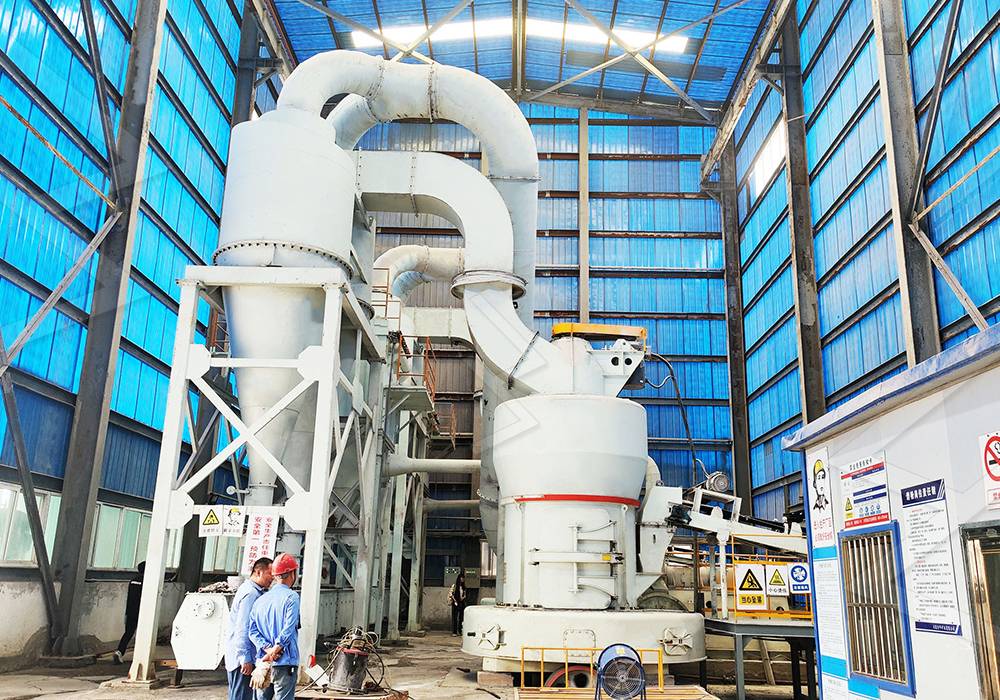
The good news is that the industry doesn’t have to be stuck with these inefficiencies. Modern vertical roller mills and specialized ultrafine grinders have been engineered to directly address these pain points. They represent a leap forward, offering:
- Dramatically Lower Energy Use: By utilizing a bed-compaction principle rather than random impact, these mills can reduce energy consumption by 30-50% compared to a ball mill of equivalent output.
- Superior Product Purity: With options for ceramic or other non-metallic grinding elements, contamination is virtually eliminated, protecting the whiteness and chemical integrity of the quartz.
- Precise Particle Size Distribution: Advanced internal classifiers allow operators to dial in an exact fineness, from coarse grit to sub-micron powders, with incredible consistency.
- Compact Design & Eco-Friendly Operation: These systems are often more compact and are typically fully enclosed, operating under negative pressure to ensure no dust escape, creating a cleaner and safer plant environment.
Spotlight on a Superior Solution: The MW Ultrafine Grinding Mill
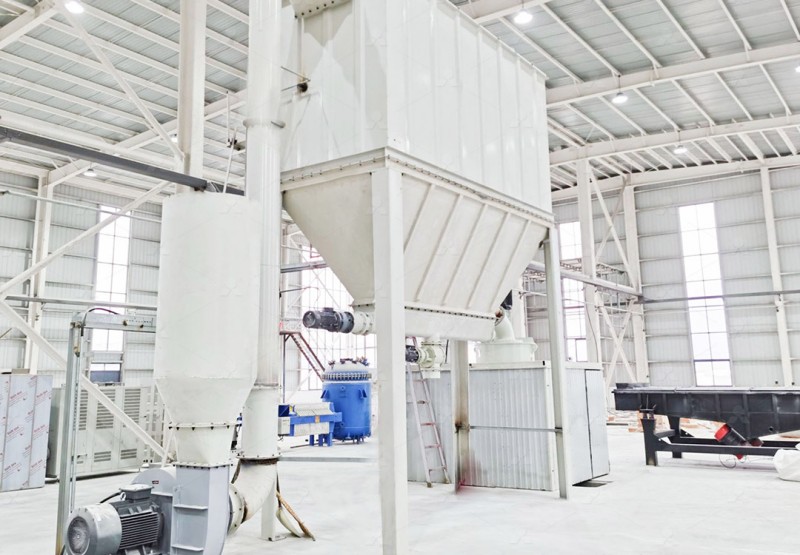
For quartz processors in Rajasthan looking to make this technological jump, one standout option is the MW Ultrafine Grinding Mill. This machine is specifically engineered for customers who need to make ultra-fine powder with high efficiency and minimal operational hassle.
Why is the MW Mill particularly suited for the demanding quartz grinding applications in Rajasthan?
- Higher Yielding, Lower Energy Consumption: Its newly designed grinding curves enhance efficiency, offering production capacity 40% higher than jet mills and twice that of ball mills, while slashing system energy use to just 30% of a jet mill’s consumption.
- Adjustable Fineness (325-2500 meshes): Its German-technology cage-type powder selector allows for precise control, critical for meeting the diverse specifications of Rajasthan’s quartz buyers. It can achieve a fine sieve rate of d97≤5μm in a single pass.
- Unmatched Reliability: A key design innovation is the absence of rolling bearings and screws in the grinding chamber. This eliminates the most common failure points in traditional mills—bearing seizures and loose screws causing catastrophic damage—a major advantage in remote locations where immediate technical support might not be available.
- Built for the Rajasthan Environment: Equipped with an efficient pulse dust collector and silencer, the entire system operates cleanly and quietly, meeting stringent environmental standards without additional investment in external filters.
With an input size of 0-20 mm and a capacity range of 0.5-25 tph, the MW Mill is versatile enough to handle various production scales common in the region.
Making the Right Investment for Your Rajasthan Operation
Upgrading your grinding circuit is a significant decision. While the initial investment in a modern system like the MW Ultrafine Grinding Mill may be higher than a traditional ball mill, the Total Cost of Ownership (TCO) tells a different story. The savings from reduced power bills, lower maintenance downtime, zero media replacement costs, and the ability to command higher prices for a purer, more consistent product lead to a rapid return on investment.
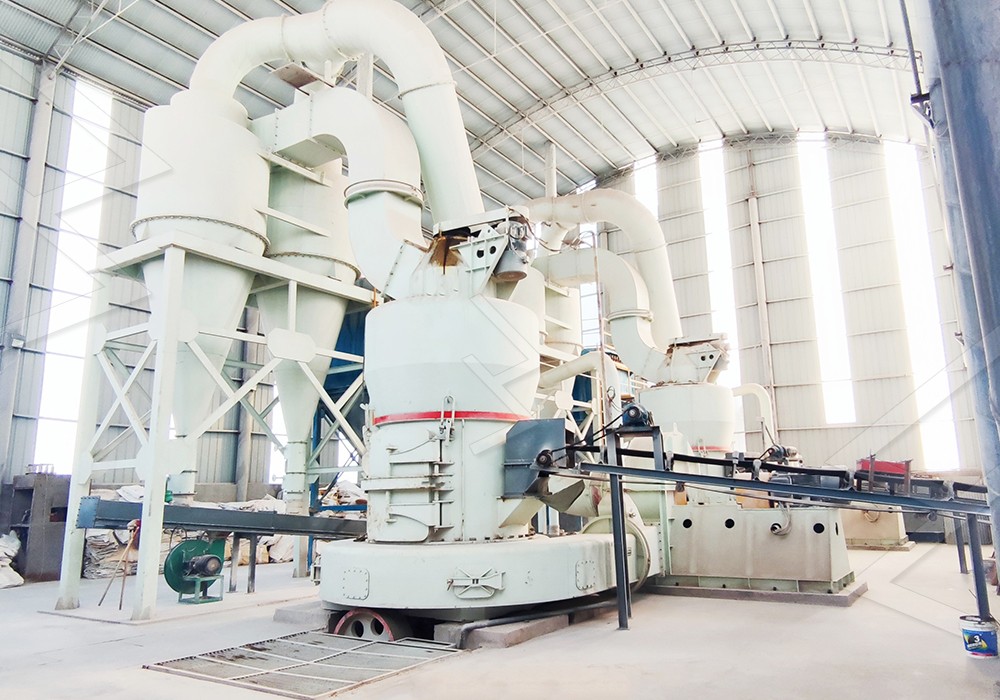
For quartz grinding in Rajasthan, the future is not about bigger ball mills; it’s about smarter technology. By embracing advanced grinding solutions, local manufacturers can enhance their efficiency, improve their product quality, and strengthen their position in both domestic and international markets.