
Safety Operating Procedures for Fluorite Grinding Mill
We provide a wide range of mills — including Raymond mill, trapezoidal mill, vertical mill, ultrafine mill, and ball mill, obtained ISO9001 international quality certification, EU CE certification, and Customs Union CU-TR certification. Suitable for processing minerals such as limestone, phosphate, quicklime, kaolin, talc, barite, bentonite, calcium carbonate, dolomite, coal, gypsum, clay, carbon black, slag, cement raw materials, cement clinker, and more.
The discharge range of these mills can be adjusted to meet specific processing needs, typically from 80-400 mesh, 600-3250 mesh, and can achieve the finest particle size of up to 6000 mesh(D50).
If you are looking for a reliable grinding solution to turn stone or minerals into fine powder, please feel free to contact our online customer service.
Safety Operating Procedures for Fluorite Grinding Mill
Operating grinding equipment for fluorite and other minerals requires strict adherence to safety protocols to protect personnel, equipment, and the environment. This guide outlines essential procedures for safe mill operation, incorporating industry best practices and technological advancements.
Pre-Operation Safety Checks
Before initiating any grinding operation, conduct thorough equipment inspections. Verify all guards are securely in place, check for loose bolts or components, and ensure emergency stop buttons function properly. Inspect electrical connections for signs of damage and confirm ventilation systems operate without obstruction.
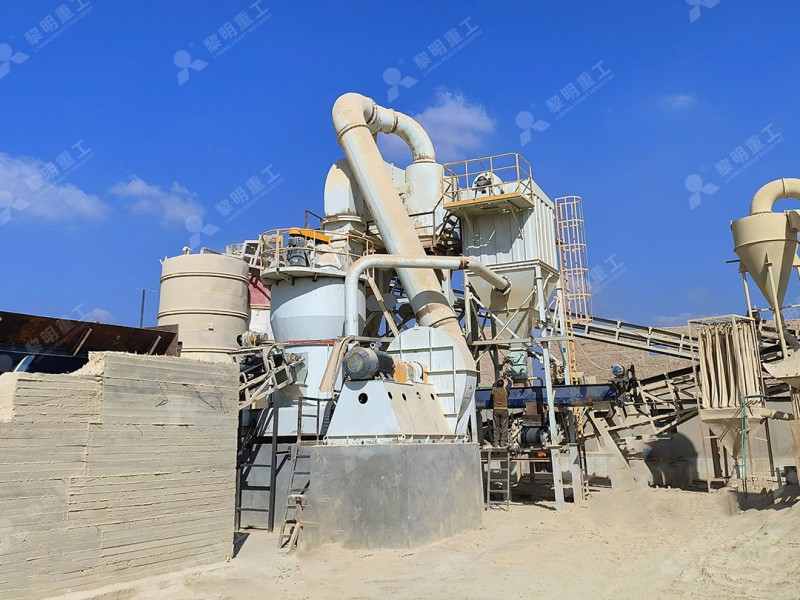
Pay particular attention to the grinding chamber area. For operations requiring ultra-fine powder production, our MW Ultrafine Grinding Mill offers significant safety advantages with its innovative design that eliminates rolling bearings and screws within the grinding chamber. This design prevents common failure points and reduces maintenance hazards.
Personal Protective Equipment Requirements
All personnel must wear appropriate PPE including safety glasses, hearing protection, dust masks, steel-toed boots, and protective gloves. When handling fluorite materials, consider the specific dust containment properties of your equipment. The MW Ultrafine Grinding Mill’s efficient pulse dust collector and muffler system significantly reduces airborne particles and noise exposure, creating a safer working environment.
Operational Safety Protocols
During operation, maintain safe distances from moving components and never attempt to adjust or clear blockages while equipment is running. Monitor temperature gauges and vibration indicators regularly. Abnormal readings may indicate developing problems requiring immediate attention.
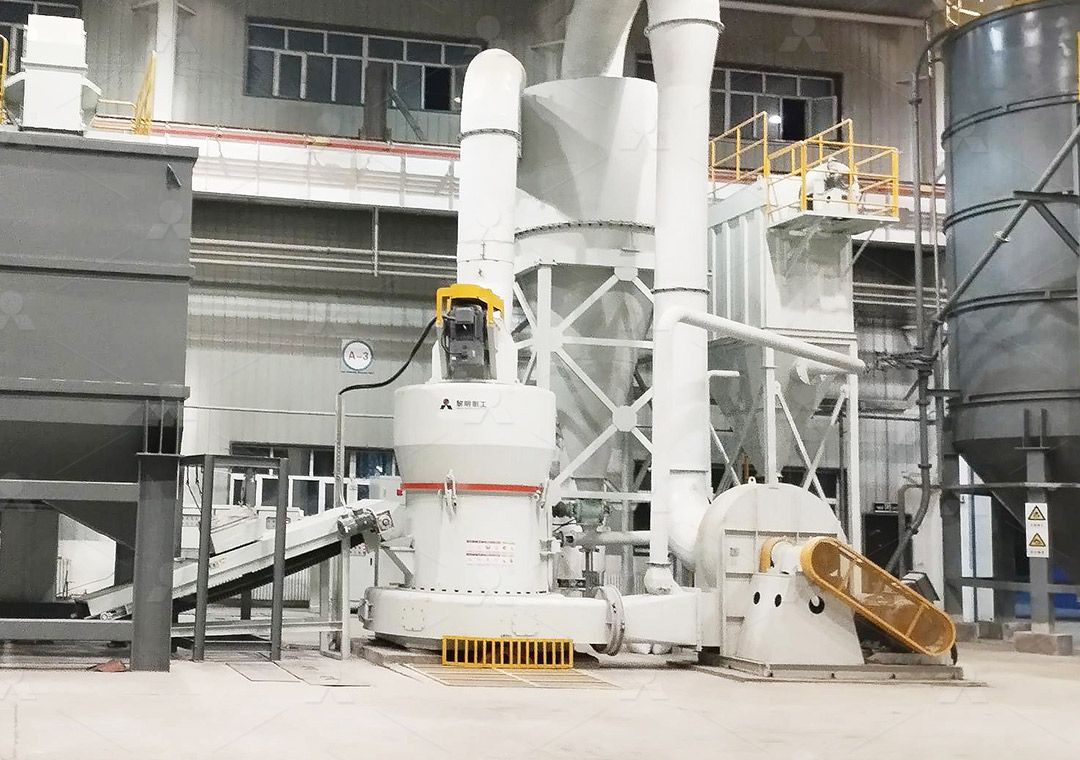
For operations requiring precise fineness adjustment between 325-2500 meshes, the MW Ultrafine Grinding Mill’s German-designed cage-type powder selector provides accurate separation while maintaining operational safety through stable, predictable performance.
Emergency Procedures
Establish clear emergency shutdown procedures and ensure all operators can execute them without hesitation. In case of equipment malfunction, unusual noises, or visible sparks, initiate immediate shutdown using the designated emergency stops. Never restart equipment until the cause has been identified and rectified by qualified maintenance personnel.
Maintenance Safety
Implement lockout-tagout procedures during all maintenance activities. The external lubrication system on advanced mills like the MW series allows for lubrication without shutdown, significantly reducing maintenance-related risks. Always allow equipment to cool completely before performing internal inspections or repairs.
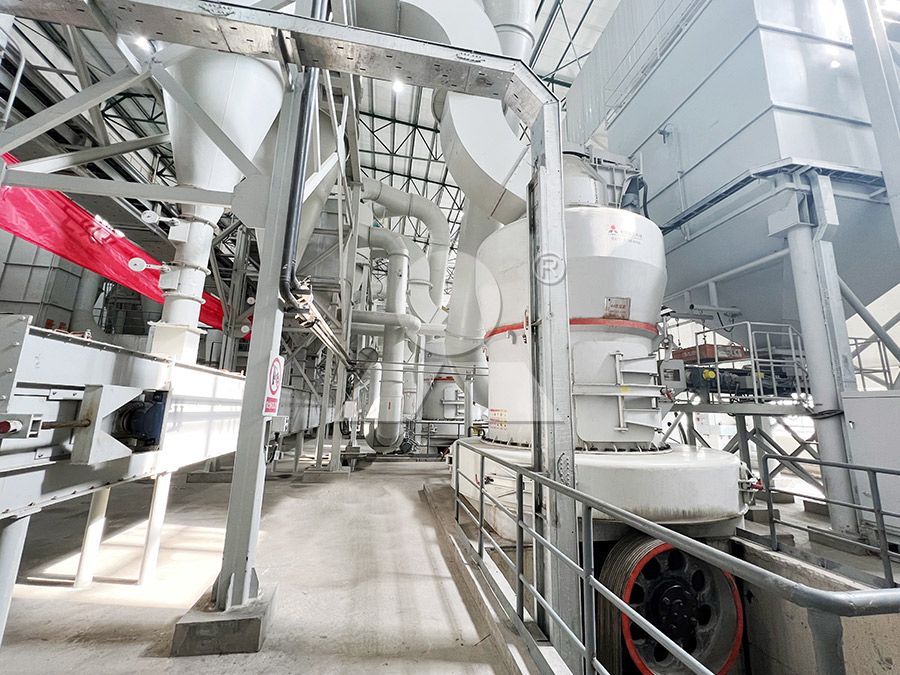
Regular maintenance not only ensures operational safety but also maintains grinding efficiency. The MW Ultrafine Grinding Mill’s higher yielding, lower energy consumption design translates to more stable operation with fewer unexpected shutdowns.
Environmental Safety Considerations
Modern grinding operations must address environmental concerns beyond traditional workplace safety. Equipment with integrated dust collection and noise reduction capabilities, like the MW Ultrafine Grinding Mill, helps operations meet stringent environmental standards while protecting worker health.
Frequently Asked Questions
What is the maximum input size for safe operation of fluorite grinding mills?
For ultra-fine grinding applications, maintain input material below 20mm. Our MW Ultrafine Grinding Mill processes 0-20mm input material safely while achieving 0.5-25 tph capacity depending on final fineness requirements.
How often should safety inspections be conducted?
Perform visual inspections before each shift, comprehensive weekly checks, and detailed monthly evaluations by qualified technicians. Document all inspections and maintenance activities.
What makes the MW Ultrafine Grinding Mill particularly safe for fluorite processing?
Its absence of rolling bearings and screws in the grinding chamber eliminates common failure points. The external lubrication system allows maintenance without shutdown, and the integrated pulse dust collector contains fluorite dust effectively.
Can the same safety procedures apply to different mineral processing applications?
While core safety principles remain consistent, always consult specific material safety data sheets and adjust procedures for unique material characteristics like hardness, abrasiveness, and dust explosivity.
What training should operators receive?
Operators require comprehensive training on equipment-specific operation, emergency procedures, PPE requirements, and hazard recognition. Regular refresher courses ensure skills remain current.