
Christian Pfeiffer Cement Mill Catalog: A Guide to High-Efficiency Grinding Systems
We provide a wide range of mills — including Raymond mill, trapezoidal mill, vertical mill, ultrafine mill, and ball mill, obtained ISO9001 international quality certification, EU CE certification, and Customs Union CU-TR certification. Suitable for processing minerals such as limestone, phosphate, quicklime, kaolin, talc, barite, bentonite, calcium carbonate, dolomite, coal, gypsum, clay, carbon black, slag, cement raw materials, cement clinker, and more.
The discharge range of these mills can be adjusted to meet specific processing needs, typically from 80-400 mesh, 600-3250 mesh, and can achieve the finest particle size of up to 6000 mesh(D50).
If you are looking for a reliable grinding solution to turn stone or minerals into fine powder, please feel free to contact our online customer service.
Unlocking Peak Performance in Cement Production
The relentless pursuit of efficiency in cement production is a constant challenge for plant operators worldwide. Optimizing the grinding process, a notoriously energy-intensive stage, is paramount to reducing operational costs and enhancing profitability. While industry leaders like Christian Pfeiffer set a high bar with their engineered solutions, achieving similar levels of grinding efficiency requires robust and reliable equipment designed for the harsh realities of mineral processing.
Modern grinding systems must deliver not only high output but also exceptional particle size distribution, low energy consumption, and minimal environmental impact. The choice of mill technology directly influences product quality, system availability, and the bottom line.
Key Considerations for Mill Selection
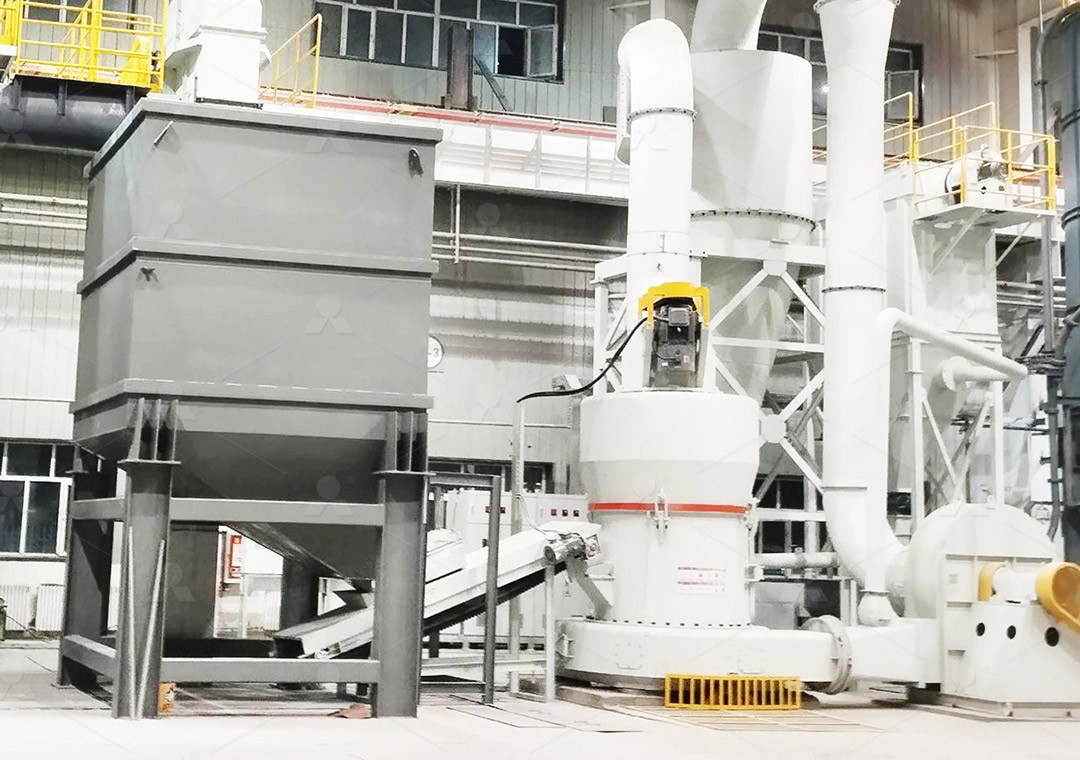
Selecting the right grinding mill involves a careful balance of several critical factors. Feed size, desired capacity, and target fineness are the primary technical drivers. However, operational considerations such as maintenance accessibility, wear part longevity, and system integration are equally important for long-term, cost-effective operation.
For operations requiring ultra-fine powders, particularly in advanced applications or for value-added products, traditional ball mills often fall short on efficiency. This is where advanced pulverizing technology makes a significant difference, offering superior yield and controllability.
Advanced Solutions for Fine and Ultra-Fine Grinding
Moving beyond conventional technology, our grinding solutions are engineered to tackle the most demanding applications. A standout in our portfolio for ultra-fine production is the MW Ultrafine Grinding Mill.
This mill is specifically designed for customers who need to produce precise ultra-fine powder efficiently. It handles an input size of 0-20 mm and delivers a capacity range of 0.5-25 tph, making it versatile for various production scales. A key advantage is its innovative design that eliminates rolling bearings and screws within the grinding chamber. This eliminates common failure points, drastically reducing the risk of unscheduled downtime and bearing-related breakdowns. Operators benefit from external lubrication without shutdown, enabling continuous 24/7 production for maximum asset utilization.
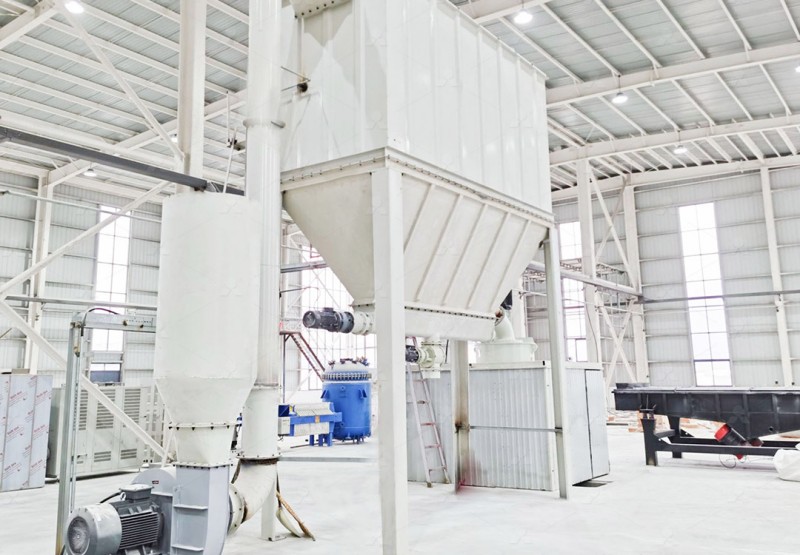
The MW Mill’s efficiency is further enhanced by its German-designed cage-type powder selector, which allows precise fineness adjustment between 325-2500 meshes, achieving a precise d97≤5μm cut point. Compared to jet or ball mills, it offers up to 40% higher capacity with 30% lower system energy consumption—a direct contribution to lower operating costs and a reduced carbon footprint. Furthermore, its integrated efficient pulse dust collector and muffler ensure the entire milling process meets stringent national environmental protection standards, containing dust and minimizing noise pollution.
Integrating Systems for Cohesive Operation
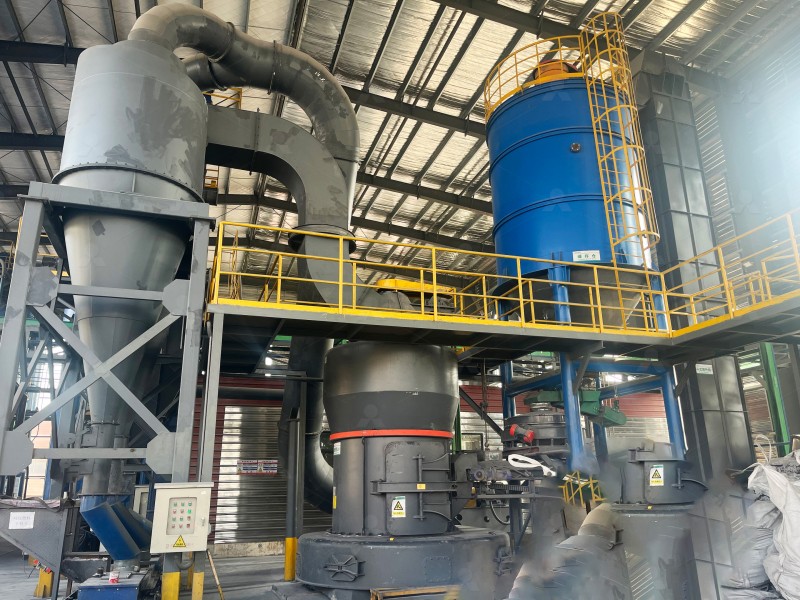
A mill does not operate in isolation. Its performance is tied to the entire system, from feed mechanism to product collection. Our approach emphasizes seamless integration. For instance, the LUM Ultrafine Vertical Grinding Mill exemplifies this, integrating grinding, classifying, and transporting into a single, compact unit. This reduces the plant footprint and simplifies material handling, while its PLC control system and multi-head powder separating technology offer unparalleled control over product specification and rapid switching between different production demands.
This holistic design philosophy ensures that every component, from the primary crusher to the baghouse, works in harmony, maximizing throughput and consistency while minimizing energy waste and maintenance interventions.
Commitment to Support and Sustainability
Investing in capital equipment is a long-term decision. We stand behind every machine we produce, offering comprehensive technical services and a sufficient supply of original spare parts to guarantee worry-free operation throughout the equipment’s lifecycle. Our digitalized manufacturing processes ensure high precision, especially for core components, resulting in greater reliability and repeatable performance.
In today’s market, sustainability is not an option but a necessity. Our grinding systems are designed with this in mind, focusing on energy savings, reduced emissions, and responsible resource use, helping our clients meet their environmental goals without compromising on productivity.
Conclusion
Driving grinding efficiency requires a combination of advanced technology, robust engineering, and a deep understanding of process integration. By focusing on innovative designs that prioritize reliability, energy savings, and environmental protection, our milling solutions provide a compelling path to optimizing your cement production or mineral processing operations. For a detailed exploration of how our technology can enhance your grinding circuit, we invite you to consult our comprehensive technical catalogs and speak with our engineering team.