
Overpressure Trapezium Mill for Slag Processing Equipment
We provide a wide range of mills — including Raymond mill, trapezoidal mill, vertical mill, ultrafine mill, and ball mill, obtained ISO9001 international quality certification, EU CE certification, and Customs Union CU-TR certification. Suitable for processing minerals such as limestone, phosphate, quicklime, kaolin, talc, barite, bentonite, calcium carbonate, dolomite, coal, gypsum, clay, carbon black, slag, cement raw materials, cement clinker, and more.
The discharge range of these mills can be adjusted to meet specific processing needs, typically from 80-400 mesh, 600-3250 mesh, and can achieve the finest particle size of up to 6000 mesh(D50).
If you are looking for a reliable grinding solution to turn stone or minerals into fine powder, please feel free to contact our online customer service.
Revolutionizing Slag Processing with Advanced Grinding Technology
The industrial sector continually seeks innovative solutions for processing challenging materials like slag, a byproduct with significant potential for reuse in construction and manufacturing. Traditional grinding methods often fall short when dealing with slag’s abrasive nature and variable composition. This is where overpressure trapezium mills emerge as game-changing equipment, offering superior performance where conventional mills struggle.
The Engineering Behind Overpressure Technology
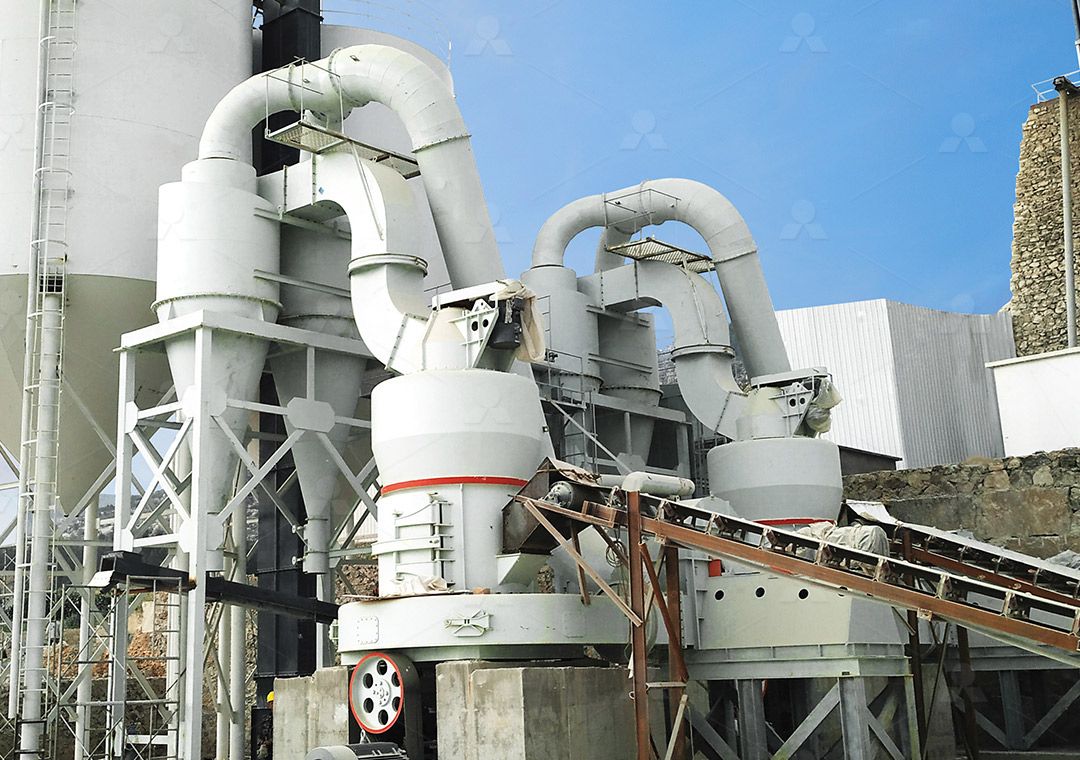
Overpressure trapezium mills incorporate a sophisticated grinding mechanism that applies controlled pressure between grinding rollers and the grinding ring. This pressure optimization creates a more efficient grinding environment, particularly beneficial for hard materials like slag. The system maintains consistent pressure through hydraulic or spring mechanisms, ensuring uniform particle size distribution while minimizing energy consumption.
What sets these mills apart is their ability to handle the specific challenges of slag processing. Slag often contains metallic components and varies in hardness, requiring equipment that can adapt to these inconsistencies without compromising performance or suffering excessive wear. The overpressure design provides this flexibility while maintaining operational stability.
Complementary Solutions for Diverse Applications
While overpressure trapezium mills excel in slag processing, operations requiring ultra-fine powders might benefit from our MW Ultrafine Grinding Mill. This advanced system processes materials with input sizes up to 20 mm and capacities ranging from 0.5 to 25 tph. Designed for customers requiring ultra-fine powder production, this machine features efficient pulse dust collection and noise reduction systems that minimize environmental impact.
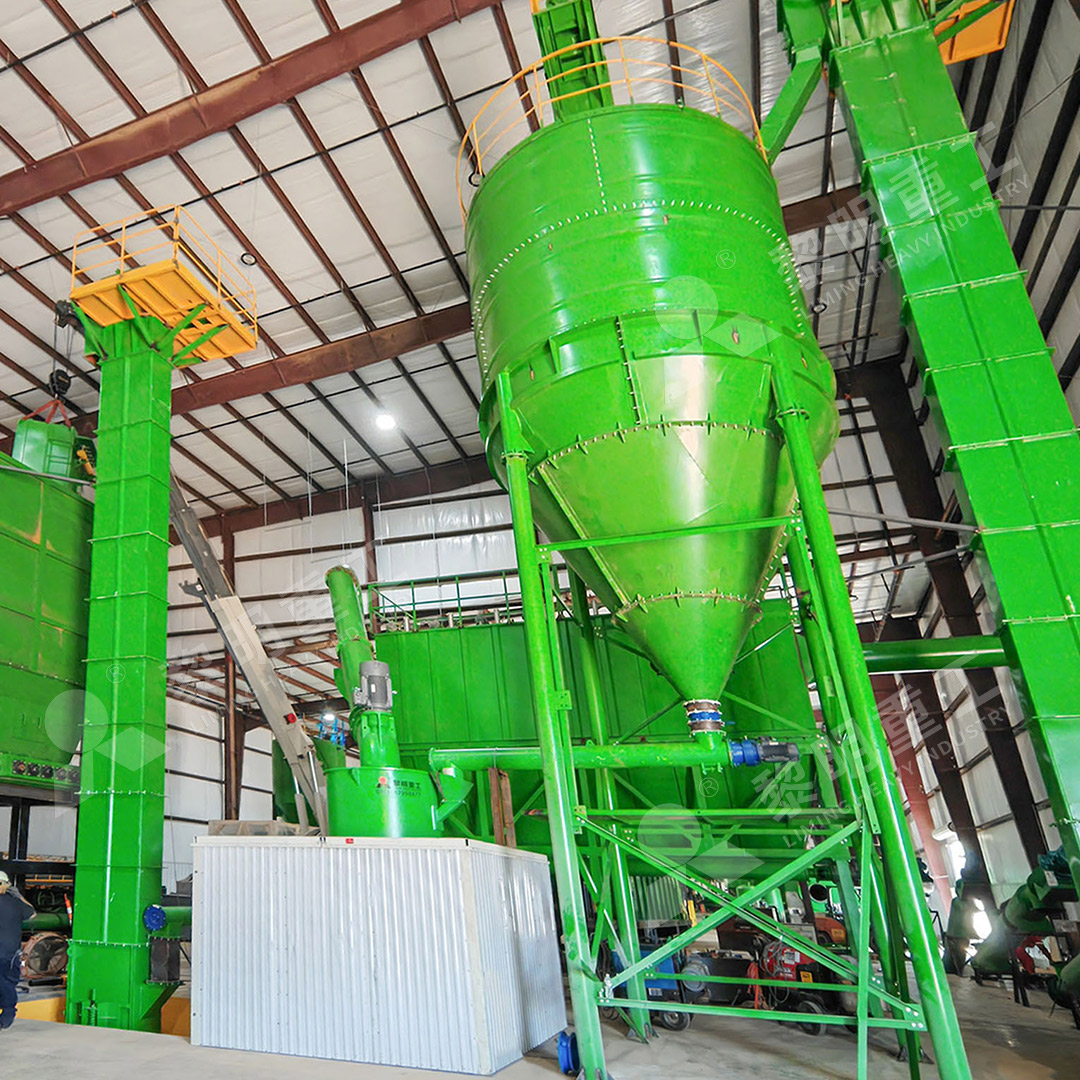
The MW Ultrafine Grinding Mill demonstrates remarkable efficiency, achieving production capacity 40% higher than jet grinding mills and double the output of ball grinding mills, while consuming only 30% of the energy of jet grinding systems. Its adjustable fineness between 325-2500 meshes and innovative design without rolling bearings or screws in the grinding chamber make it exceptionally reliable for continuous operation.
Operational Advantages in Slag Processing
Overpressure trapezium mills provide distinct benefits for slag processing operations. The enhanced grinding efficiency translates to lower operational costs, while the robust construction withstands the abrasive nature of slag materials. The integrated separation systems ensure consistent product quality, crucial for slag destined for cement production or construction applications.
Maintenance considerations are particularly important when processing abrasive materials like slag. The design of these mills prioritizes accessibility to wearing components, reducing downtime for replacement or servicing. This operational efficiency, combined with lower energy requirements, positions overpressure trapezium mills as economically viable solutions for slag processing facilities.
Environmental Compliance and Sustainability
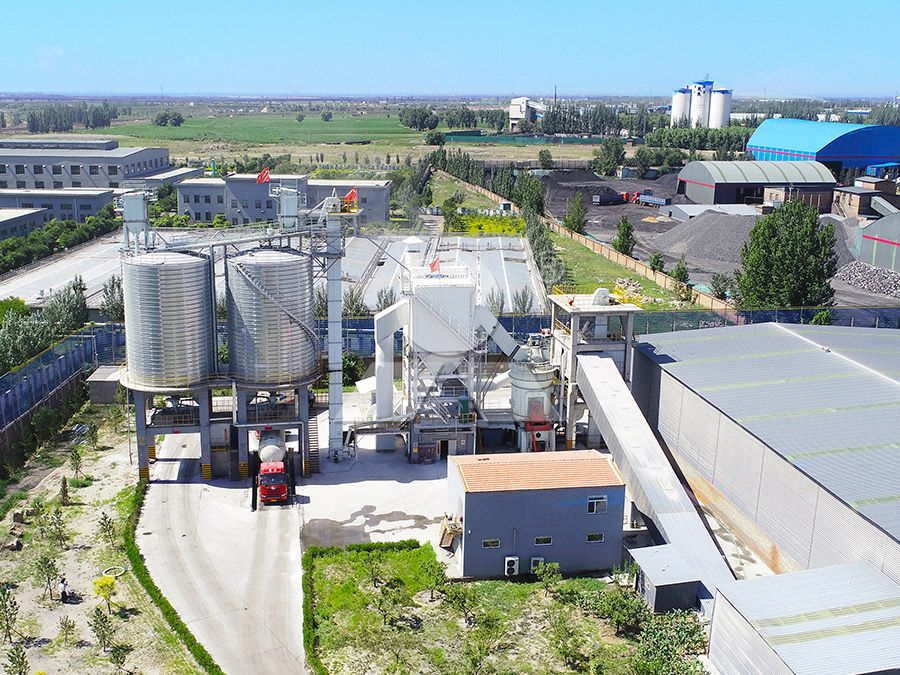
Modern slag processing must address environmental concerns, and overpressure trapezium mills incorporate features that support sustainable operations. Advanced dust collection systems capture particulate matter, while noise reduction technologies maintain workplace comfort. These environmental considerations align with global standards for industrial operations, making them suitable for facilities in regulated markets.
Frequently Asked Questions
What makes overpressure trapezium mills suitable for slag processing?
The controlled pressure application in these mills creates optimal grinding conditions for slag’s variable composition and hardness. The design accommodates the abrasive nature of slag while maintaining consistent performance and minimizing wear on components.
How does the MW Ultrafine Grinding Mill complement slag processing operations?
While overpressure trapezium mills handle general slag grinding, the MW Ultrafine Grinding Mill provides specialized capabilities for producing ultra-fine slag powders for high-value applications. Its efficient design reduces energy consumption by up to 70% compared to conventional jet mills while offering precise fineness control.
What maintenance considerations are specific to slag grinding applications?
Slag’s abrasive properties necessitate regular inspection of wearing components. However, the design of these mills facilitates quick replacement of grinding elements, minimizing downtime. The absence of rolling bearings in the grinding chamber of the MW mill, for instance, eliminates concerns about bearing damage from abrasive materials.
Can these systems handle variations in slag composition?
Yes, both overpressure trapezium mills and the MW Ultrafine Grinding Mill are engineered to accommodate material variations. Adjustable operational parameters allow operators to optimize performance based on specific slag characteristics, ensuring consistent output quality despite input variations.
What environmental features do these grinding systems incorporate?
Both systems include advanced dust collection technology, with the MW mill featuring efficient pulse dust collectors that prevent dust pollution. Noise reduction systems, including mufflers and noise elimination rooms, ensure operations comply with environmental standards while maintaining worker comfort.