
Raymond Mill for Pyrophyllite Grinding: Efficient Powder Processing Solutions
We provide a wide range of mills — including Raymond mill, trapezoidal mill, vertical mill, ultrafine mill, and ball mill, obtained ISO9001 international quality certification, EU CE certification, and Customs Union CU-TR certification. Suitable for processing minerals such as limestone, phosphate, quicklime, kaolin, talc, barite, bentonite, calcium carbonate, dolomite, coal, gypsum, clay, carbon black, slag, cement raw materials, cement clinker, and more.
The discharge range of these mills can be adjusted to meet specific processing needs, typically from 80-400 mesh, 600-3250 mesh, and can achieve the finest particle size of up to 6000 mesh(D50).
If you are looking for a reliable grinding solution to turn stone or minerals into fine powder, please feel free to contact our online customer service.
Raymond Mill for Pyrophyllite Grinding: Efficient Powder Processing Solutions
Pyrophyllite, a versatile aluminosilicate mineral, has gained significant importance across various industries due to its unique properties including low thermal expansion, high refractoriness, and excellent electrical insulation. The growing demand for finely ground pyrophyllite powder in ceramics, paint, plastics, and cosmetics industries necessitates advanced grinding solutions that can deliver consistent particle size distribution while maintaining operational efficiency.
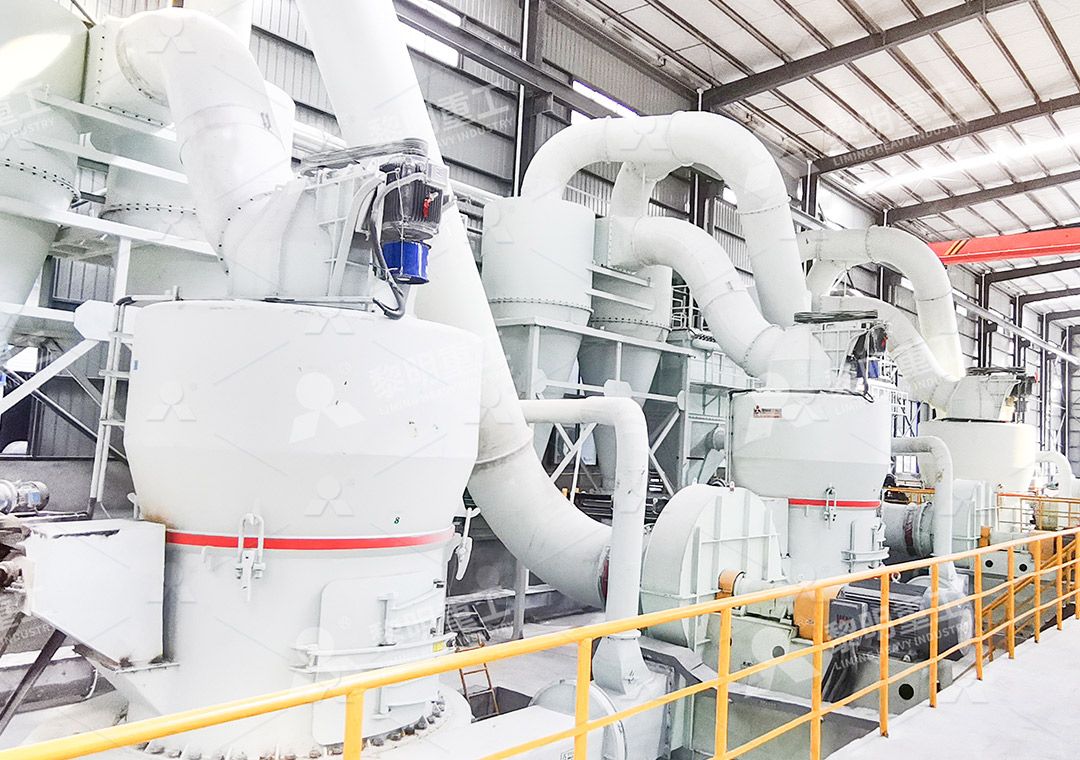
The Grinding Challenge: Pyrophyllite Characteristics
Processing pyrophyllite presents specific challenges for grinding equipment. With a Mohs hardness of 1-2 and perfect basal cleavage, this mineral requires precise grinding control to achieve the desired fineness without over-processing. Traditional grinding mills often struggle with maintaining consistent particle size distribution and dealing with the mineral’s natural moisture content. The ideal grinding solution must balance production efficiency with precise fineness control while minimizing energy consumption.
Advanced Grinding Technology for Superior Results
Modern grinding technology has evolved significantly to address the specific requirements of pyrophyllite processing. The key considerations include adjustable fineness control, energy efficiency, minimal contamination, and environmental compliance. Among the available options, our MW Ultrafine Grinding Mill stands out as an exceptional solution for pyrophyllite processing applications.
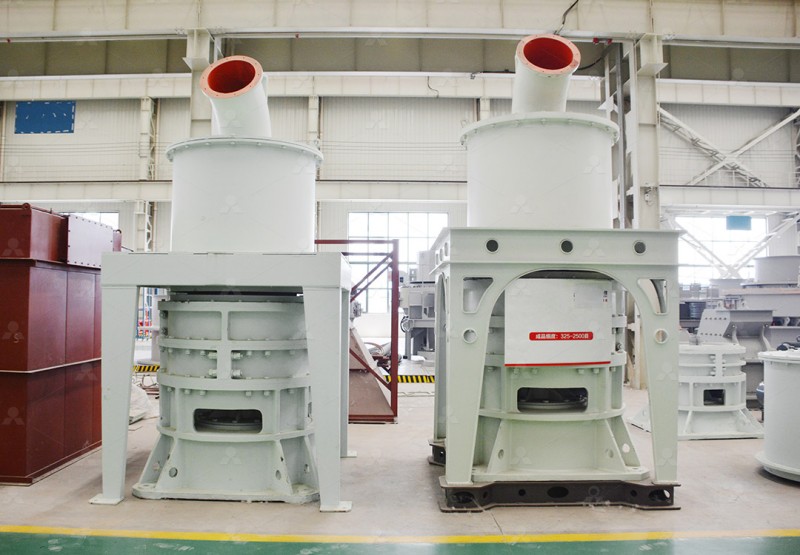
MW Ultrafine Grinding Mill: Engineered for Pyrophyllite Excellence
Specifically designed for ultra-fine powder production, the MW Ultrafine Grinding Mill represents a technological leap in pyrophyllite processing. With an input size capacity of 0-20 mm and production rates ranging from 0.5 to 25 tons per hour, this machine offers remarkable flexibility for various production requirements. The innovative design incorporates several proprietary technologies that make it particularly suitable for pyrophyllite applications.
The mill’s cage-type powder selector, incorporating German technology, ensures precise powder separation with adjustable fineness between 325-2500 meshes. This level of control is crucial for pyrophyllite applications where specific particle size distributions determine the material’s performance in final products. The system achieves a remarkable screening rate of d97≤5μm in a single pass, significantly reducing processing time and energy consumption.
Operational Advantages for Pyrophyllite Processing
What sets the MW Ultrafine Grinding Mill apart in pyrophyllite applications is its unique mechanical design. The absence of rolling bearings and screws in the grinding chamber eliminates common failure points and prevents machine damage from loose components. This design consideration is particularly valuable when processing materials like pyrophyllite that require continuous operation for optimal productivity.
The external lubrication system allows for maintenance without shutdown, supporting 24-hour production cycles that are often necessary in industrial mineral processing. Combined with the integrated pulse dust collector and noise reduction features, the MW Ultrafine Grinding Mill ensures environmentally compliant operation that meets stringent international standards.
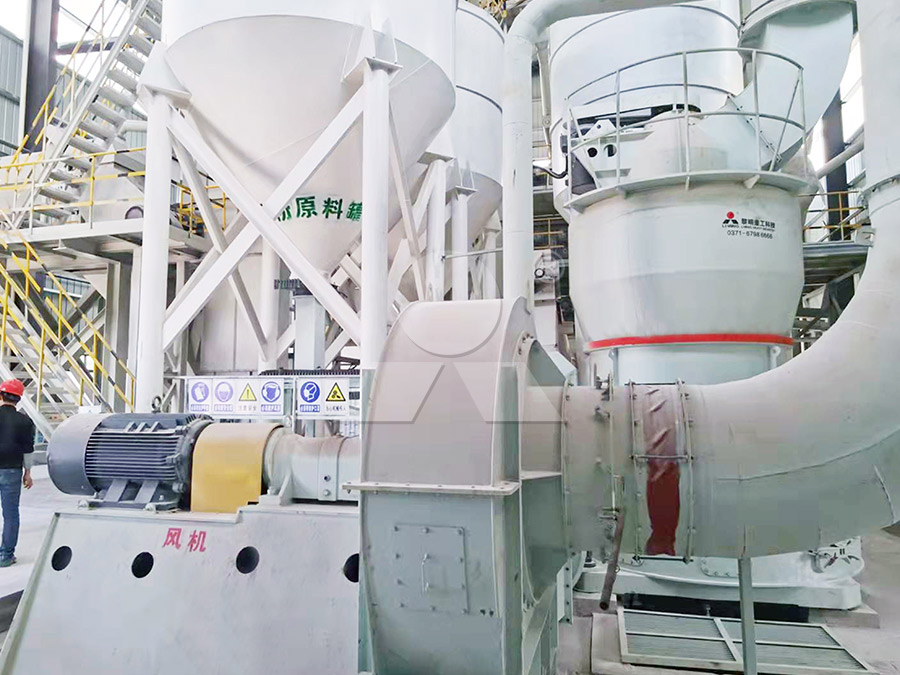
Energy Efficiency and Production Optimization
For pyrophyllite processors, operational costs directly impact profitability. The MW Ultrafine Grinding Mill addresses this concern through its optimized grinding curves for rollers and rings, enhancing grinding efficiency by 40% compared to jet mills and stirred grinding mills. The system energy consumption is approximately 30% of traditional jet grinding mills, representing significant cost savings over the equipment’s operational lifetime.
For operations requiring different throughput capacities or dealing with space constraints, our LUM Ultrafine Vertical Grinding Mill offers an excellent alternative. With an input size of 0-10 mm and capacity of 5-18 tph, this mill incorporates the latest Taiwanese grinding roller technology and German powder separating technology, providing exceptional performance in compact footprint.
Frequently Asked Questions
What makes pyrophyllite challenging to grind?
Pyrophyllite’s perfect basal cleavage and softness require precise grinding control to prevent over-processing while achieving consistent particle size distribution. The mineral’s tendency to absorb moisture also presents handling challenges that specialized grinding equipment must address.
How does the MW Ultrafine Grinding Mill handle moisture content in pyrophyllite?
The mill’s integrated drying system efficiently handles materials with natural moisture content. The airflow system and grinding heat combine to reduce moisture during processing, ensuring optimal grinding conditions and final product quality.
What fineness range can be achieved for pyrophyllite applications?
The MW Ultrafine Grinding Mill offers adjustable fineness between 325-2500 meshes, with the capability to achieve d97≤5μm in a single pass. This range covers most industrial applications from ceramics to advanced composite materials.
How does the maintenance requirement compare to traditional grinding mills?
The absence of rolling bearings and screws in the grinding chamber significantly reduces maintenance needs. The external lubrication system allows for routine maintenance without production stoppages, minimizing downtime and operational disruptions.
What environmental considerations are addressed in the design?
The mill incorporates an efficient pulse dust collector and noise reduction system, ensuring compliance with international environmental standards. The closed-system design prevents dust emission while the noise control features maintain workplace safety standards.