Optimizing Vertical Ball Race Coal Mill Arrangement: Design and Operational Considerations
We provide a wide range of mills — including Raymond mill, trapezoidal mill, vertical mill, ultrafine mill, and ball mill, obtained ISO9001 international quality certification, EU CE certification, and Customs Union CU-TR certification. Suitable for processing minerals such as limestone, phosphate, quicklime, kaolin, talc, barite, bentonite, calcium carbonate, dolomite, coal, gypsum, clay, carbon black, slag, cement raw materials, cement clinker, and more.
The discharge range of these mills can be adjusted to meet specific processing needs, typically from 80-400 mesh, 600-3250 mesh, and can achieve the finest particle size of up to 6000 mesh(D50).
If you are looking for a reliable grinding solution to turn stone or minerals into fine powder, please feel free to contact our online customer service.
Optimizing Vertical Ball Race Coal Mill Arrangement: Design and Operational Considerations
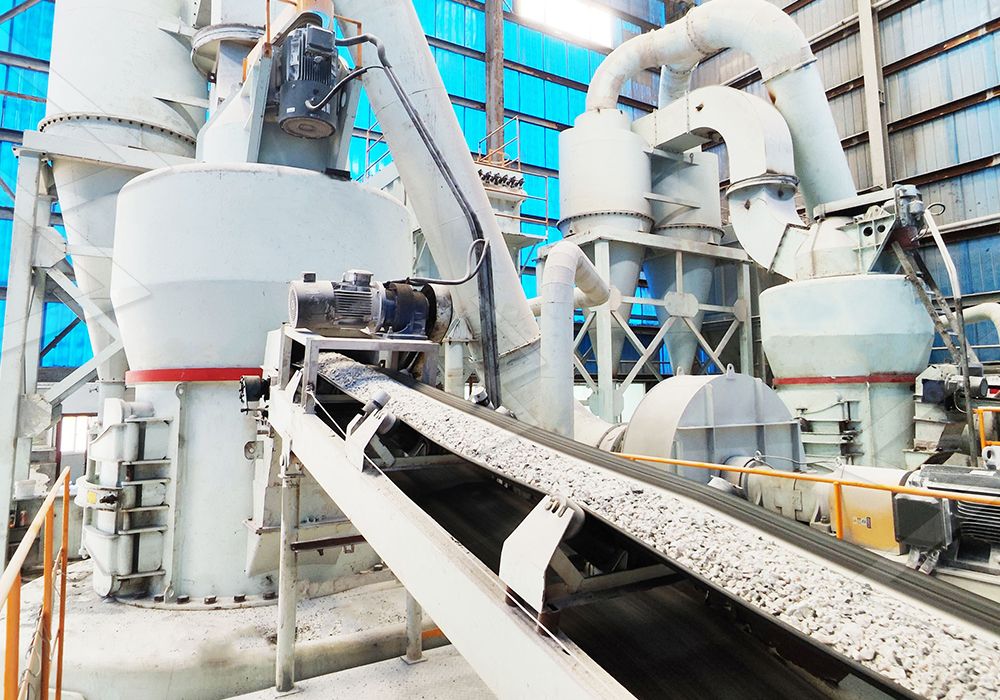
Vertical Ball Race Coal Mills (VBRM) are a cornerstone of modern industrial coal processing, offering significant advantages in efficiency, reliability, and environmental compliance over traditional ball mill systems. Their arrangement and integration into a plant’s workflow are critical to maximizing these benefits. This article explores key design and operational considerations for VBRM systems, highlighting how technological advancements are shaping the industry.
Core Design Principles for Efficient Arrangement
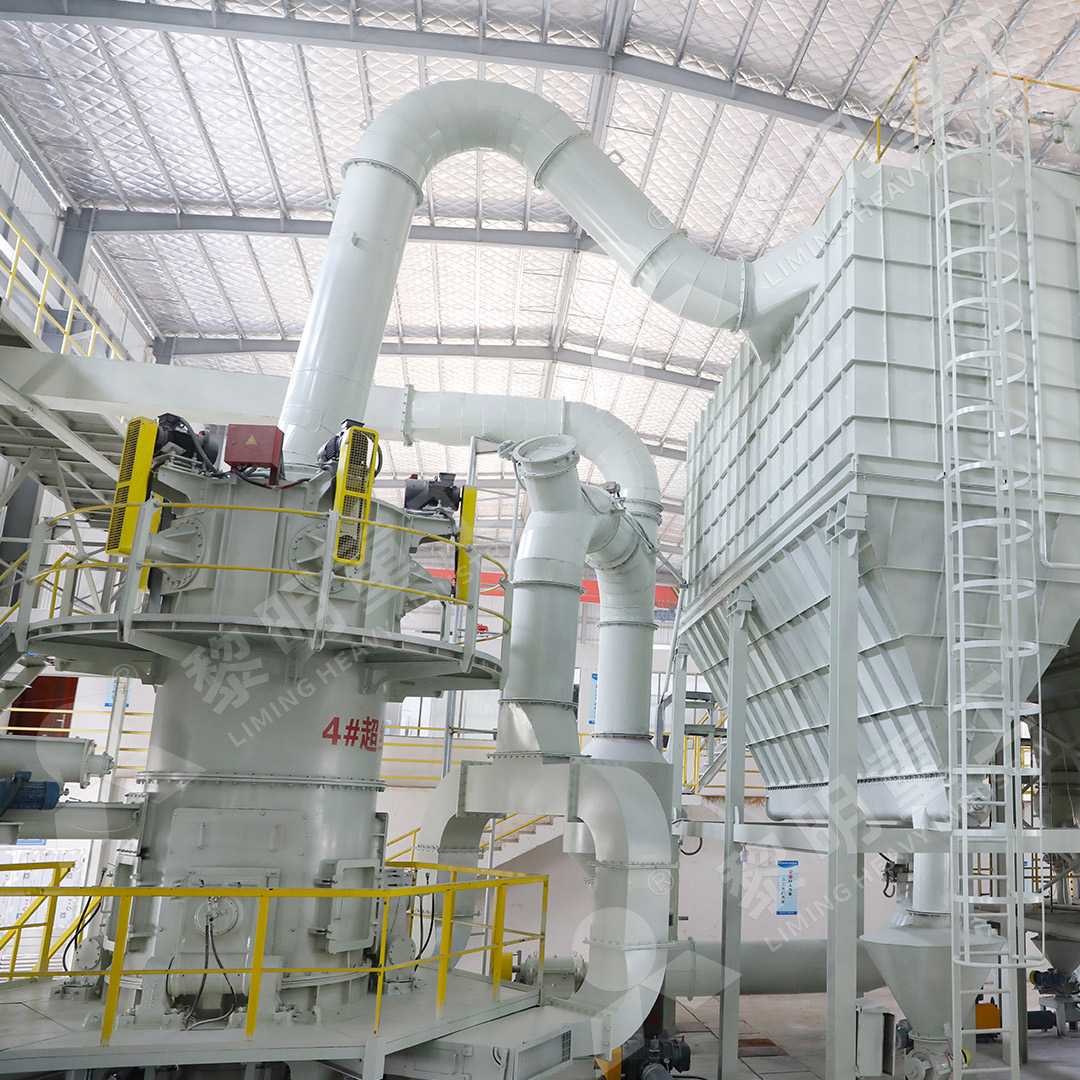
The physical arrangement of a VBRM must prioritize both operational efficiency and maintenance accessibility. A well-designed layout minimizes pressure drop in the pneumatic conveying system, reduces energy consumption for material transport, and ensures easy access to the mill, classifier, and ancillary equipment for inspection and servicing. The foundation must be robust enough to handle dynamic loads and vibrations, while the housing should be designed for effective noise attenuation. Proper sealing at all connections is paramount to prevent the escape of fine coal dust, ensuring a safe and environmentally compliant operation. The integration of efficient dust collection systems, like pulse jet baghouses, directly at material transfer points is non-negotiable for meeting modern emission standards.
Critical Operational Parameters
Successful operation of a VBRM hinges on the precise control of several interdependent parameters. Grinding pressure, which is the force exerted by the hydraulic system on the grinding rollers, must be optimized for the specific coal hardness and desired fineness. Incorrect pressure leads to either insufficient grinding or excessive wear. The primary air temperature and volume are crucial for drying the raw coal and transporting the pulverized product; too little air results in poor transport and potential mill fires, while too much reduces efficiency. Furthermore, the speed of the dynamic classifier directly controls the final product fineness. A holistic control system that monitors mill motor amperage, outlet temperature, and differential pressure is essential for stable and efficient operation, allowing for automatic adjustments to feed rate and air flow.
The Shift to Advanced Grinding Technologies
While VBRMs are highly effective, the industry is continuously evolving towards even more efficient and versatile solutions. For applications requiring ultra-fine pulverized coal or processing of other minerals, newer mill designs offer compelling advantages. A prime example is our MW Ultrafine Grinding Mill. This advanced mill is engineered for customers who need to produce ultra-fine powder with superior efficiency. It features a newly designed grinding curve for the roller and ring that enhances grinding efficiency, resulting in a capacity 40% higher than that of jet mills and twice as large as traditional ball mills, all while reducing system energy consumption by up to 30%.
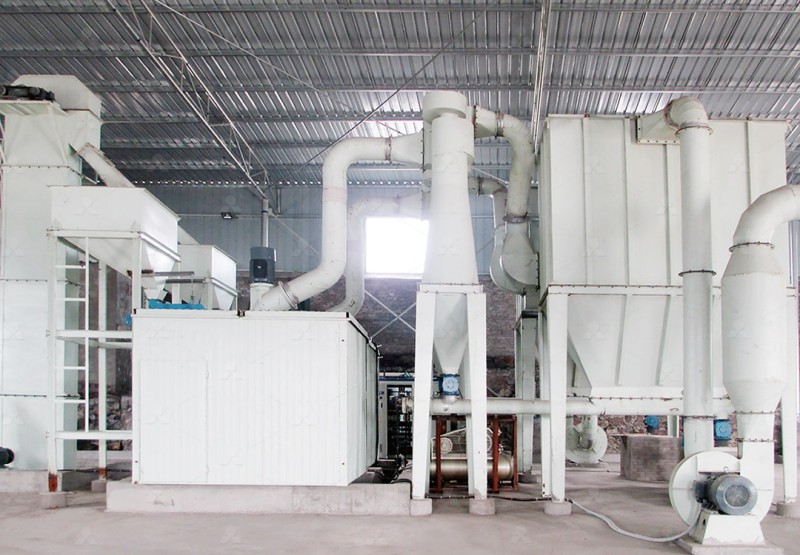
The MW Mill’s cage-type powder selector, incorporating German technology, allows for precise fineness adjustment between 325 and 2500 meshes. A key design innovation is the absence of rolling bearings and screws in the grinding chamber, eliminating common failure points and enabling external lubrication without shutdown for true 24/7 continuous operation. For operations focused on coal, our LM Vertical Coal Mill is another robust solution. It integrates drying, grinding, and powder selection in a single unit, featuring a hydraulic system for grinding pressure adjustment and a design that prevents direct contact between the roller and table to avoid destructive vibration. Its compact footprint and ability to operate under negative pressure make it an excellent choice for new installations or upgrades, significantly reducing overall investment and operating costs while ensuring no dust pollution.
Conclusion
The arrangement and operation of a Vertical Ball Race Coal Mill are complex but manageable with careful design and a deep understanding of the process interrelationships. Embracing advanced control systems and considering newer, more efficient mill technologies like the MW Ultrafine Grinding Mill or LM Vertical Coal Mill can lead to substantial gains in productivity, energy savings, and environmental performance, future-proofing industrial grinding operations.