
The Ultimate Guide to Rolling Mill Equipment Suppliers and Services in Hong Kong
We provide a wide range of mills — including Raymond mill, trapezoidal mill, vertical mill, ultrafine mill, and ball mill, obtained ISO9001 international quality certification, EU CE certification, and Customs Union CU-TR certification. Suitable for processing minerals such as limestone, phosphate, quicklime, kaolin, talc, barite, bentonite, calcium carbonate, dolomite, coal, gypsum, clay, carbon black, slag, cement raw materials, cement clinker, and more.
The discharge range of these mills can be adjusted to meet specific processing needs, typically from 80-400 mesh, 600-3250 mesh, and can achieve the finest particle size of up to 6000 mesh(D50).
If you are looking for a reliable grinding solution to turn stone or minerals into fine powder, please feel free to contact our online customer service.
The Ultimate Guide to Rolling Mill Equipment Suppliers and Services in Hong Kong
Hong Kong’s position as a global trade hub extends into the heavy industrial sector, including the supply and servicing of rolling mill equipment. For businesses in construction, metallurgy, and mineral processing, finding reliable machinery is paramount to operational success. The market offers a range of solutions, from traditional ball mills to advanced vertical and ultrafine grinding systems.
When selecting equipment, key considerations include input size, capacity, energy efficiency, and the specific properties of the material being processed. Suppliers in the region cater to these needs, providing both robust machinery and comprehensive after-sales support, including technical services and genuine spare parts, to ensure worry-free operation.
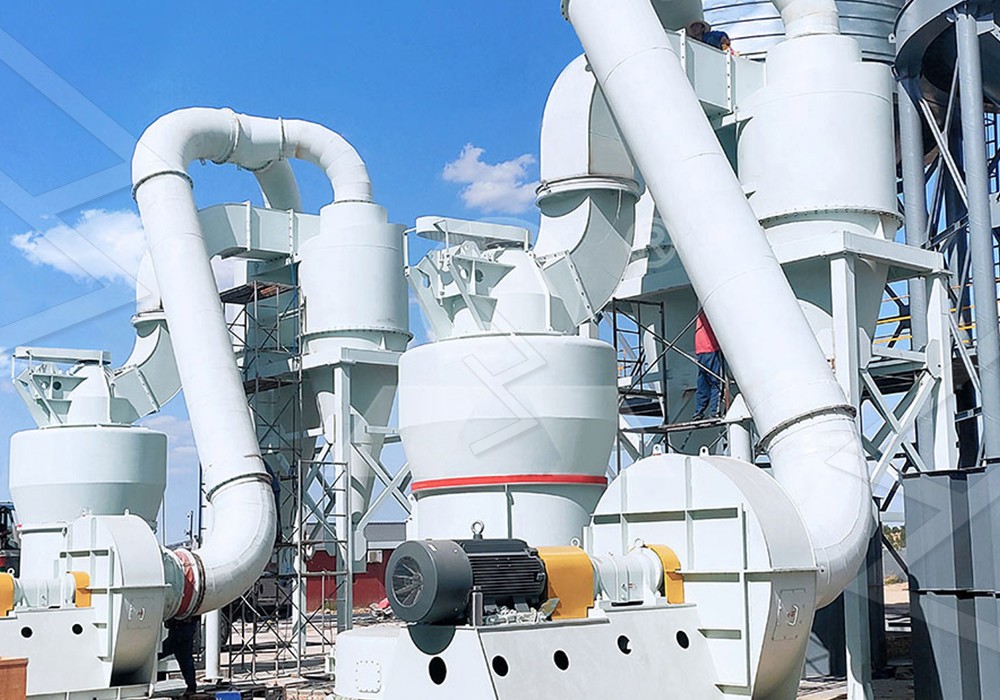
Key Equipment for Modern Processing Plants
The evolution from basic milling to high-efficiency, environmentally conscious grinding has been significant. Modern mills are designed to integrate multiple processes—crushing, drying, grinding, classifying, and conveying—into a single, compact system. This not only saves valuable floor space but also drastically reduces overall energy consumption compared to traditional systems.
One standout example for operations requiring ultra-fine powder is the MW Ultrafine Grinding Mill. This machine is engineered for customers who need to produce fine powder between 325-2500 meshes. With an input size of 0-20 mm and a capacity ranging from 0.5 to 25 tons per hour, it’s a versatile solution for materials like limestone, calcite, dolomite, and even applications in the chemical industry for products like cosmetics and food additives. A key advantage is its design; the absence of rolling bearings and screws in the grinding chamber eliminates worries about bearing damage or loose screws causing failures. Furthermore, its efficient pulse dust collector and muffler make the entire production process more eco-friendly by significantly reducing dust and noise pollution.
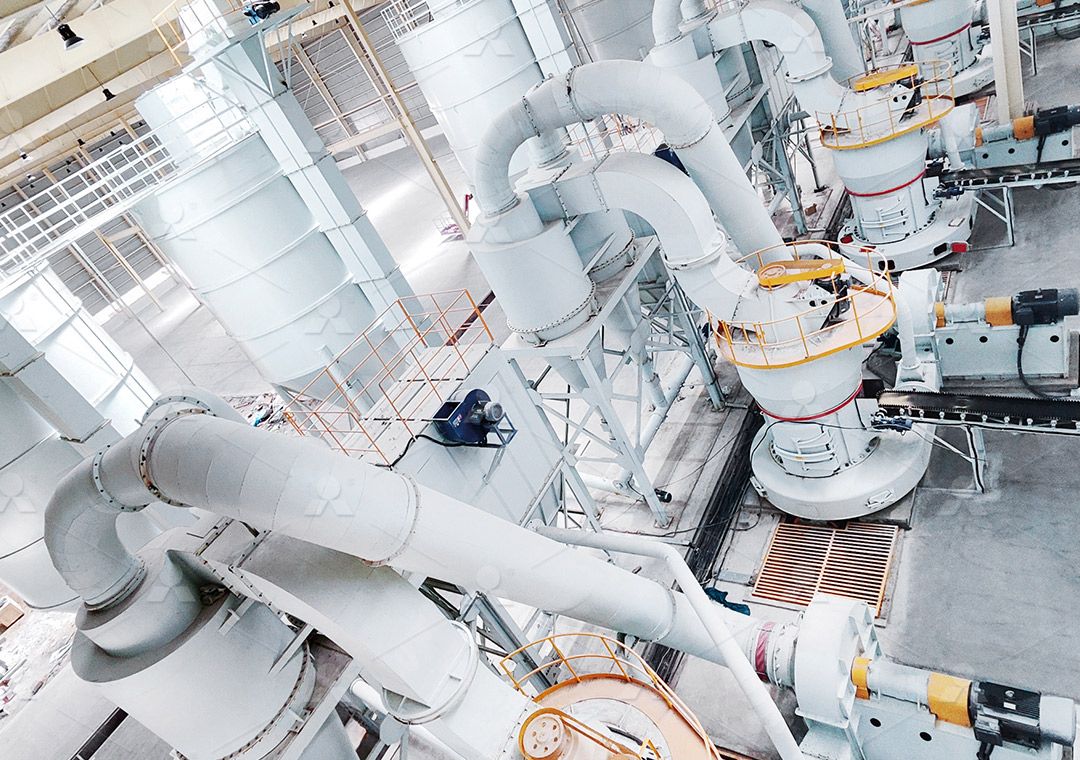
Navigating the Supplier Landscape in Hong Kong
Choosing the right supplier goes beyond just the equipment specs. It’s about partnering with a provider that offers digitalized processing for higher precision machining and stands behind their product. Look for companies that handle their own production and sales, as this often translates to direct accountability, better technical support, and a guaranteed supply of original spare parts. This ensures long-term operational stability and minimizes costly downtime.
The right equipment, coupled with expert local service, can transform a operation’s efficiency and environmental footprint. It’s not just about grinding material; it’s about investing in a system that offers higher yield with lower energy consumption, adjustable fineness, and stable, automated operation.
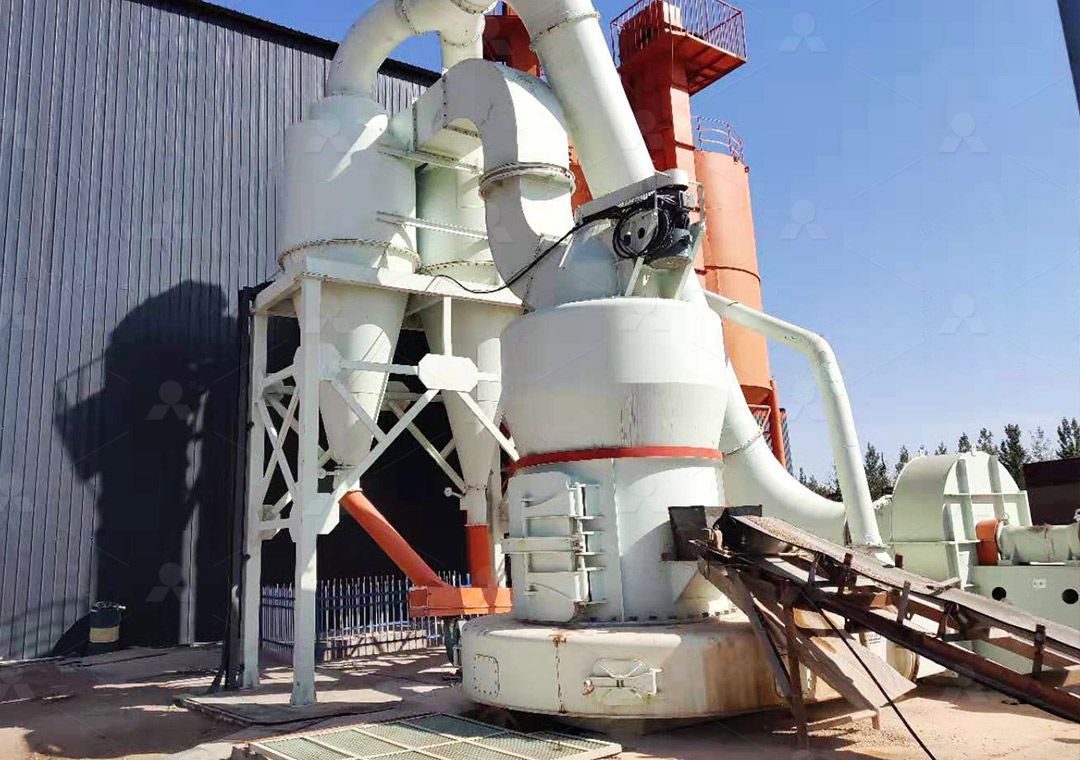
In conclusion, whether you’re processing slag, coal, or non-metallic minerals, the Hong Kong market provides access to world-class rolling mill technology. By focusing on innovative designs that prioritize energy savings, environmental protection, and operational simplicity, businesses can find the perfect equipment to meet their specific production goals and drive growth.