
High Pressure Raymond Mill for Quicklime Grinding
We provide a wide range of mills — including Raymond mill, trapezoidal mill, vertical mill, ultrafine mill, and ball mill, obtained ISO9001 international quality certification, EU CE certification, and Customs Union CU-TR certification. Suitable for processing minerals such as limestone, phosphate, quicklime, kaolin, talc, barite, bentonite, calcium carbonate, dolomite, coal, gypsum, clay, carbon black, slag, cement raw materials, cement clinker, and more.
The discharge range of these mills can be adjusted to meet specific processing needs, typically from 80-400 mesh, 600-3250 mesh, and can achieve the finest particle size of up to 6000 mesh(D50).
If you are looking for a reliable grinding solution to turn stone or minerals into fine powder, please feel free to contact our online customer service.
High Pressure Raymond Mill for Quicklime Grinding
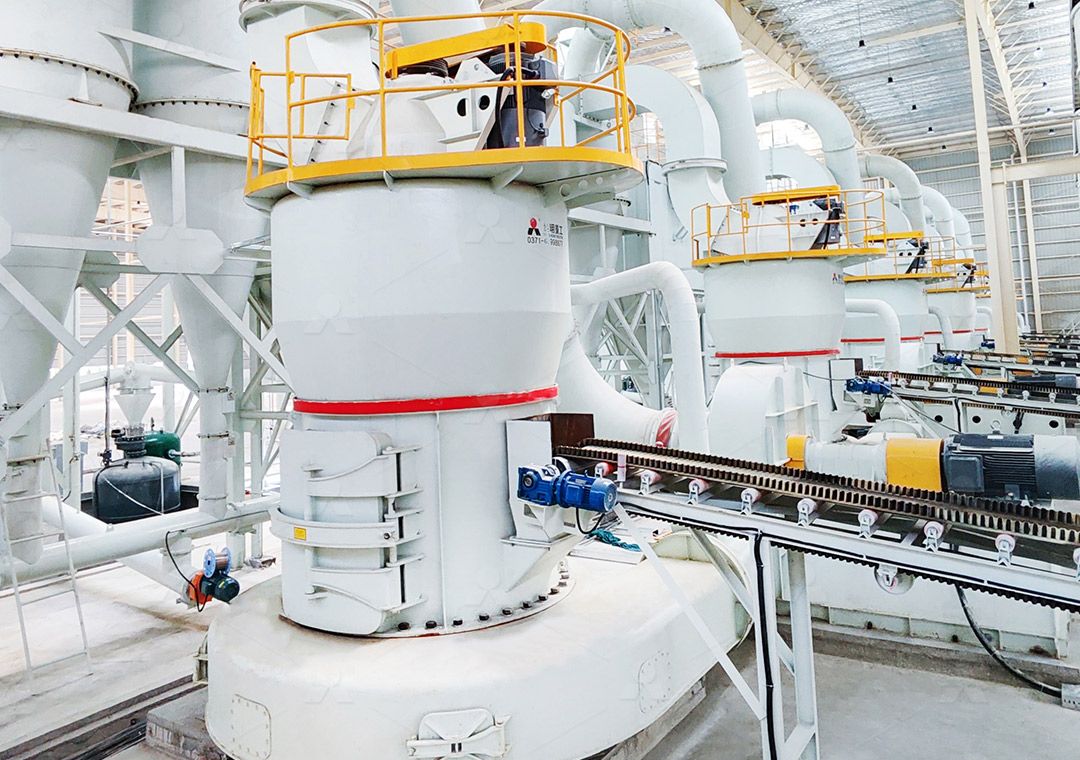
In industrial mineral processing, quicklime grinding presents unique challenges that demand specialized equipment. The high reactivity and specific physical properties of quicklime require grinding solutions that can maintain product quality while ensuring operational efficiency. For decades, Raymond Mill technology has been the cornerstone of mineral processing, and its high-pressure variants have revolutionized quicklime production.
The Quicklime Grinding Challenge
Quicklime (calcium oxide) requires precise particle size control for optimal performance in various applications, including steel manufacturing, water treatment, and construction materials. Traditional grinding methods often struggle with quicklime’s tendency to absorb moisture and form agglomerates. The High Pressure Raymond Mill addresses these challenges through its unique grinding mechanism that applies substantial pressure between grinding rollers and rings, effectively pulverizing quicklime while minimizing moisture absorption during processing.
Technical Advantages for Quicklime Processing
The High Pressure Raymond Mill system incorporates several critical features that make it ideal for quicklime grinding. The enhanced spring pressure system allows for grinding pressure adjustment up to 1200kg, significantly higher than conventional mills. This increased pressure enables finer particle size distribution while maintaining throughput efficiency. The closed-circuit system with efficient cyclone collectors ensures minimal product loss and consistent quality output.
For operations requiring even finer particle specifications or dealing with varying quicklime characteristics, our MW Ultrafine Grinding Mill presents an excellent alternative or complementary solution. With an input size capacity of 0-20 mm and throughput ranging from 0.5-25 tph, this advanced system delivers superior performance for ultra-fine quicklime powder production. The MW series achieves remarkable fineness between 325-2500 meshes while incorporating German cage-type powder selector technology for precise particle classification.
Operational Efficiency and Environmental Compliance
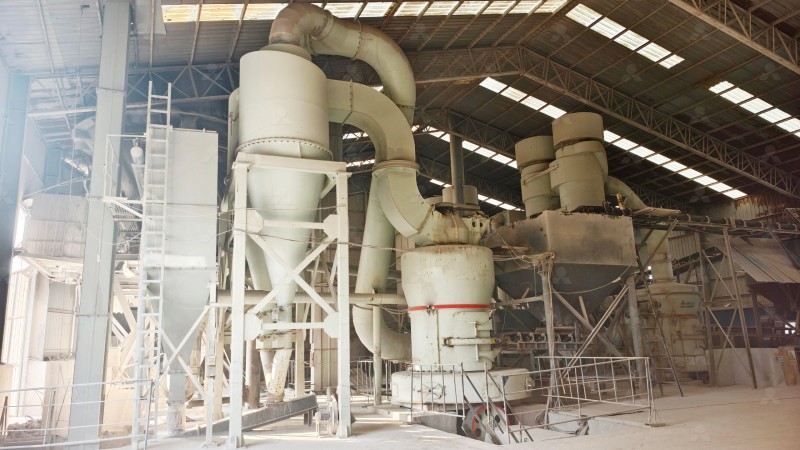
Modern quicklime processing facilities face increasing pressure to balance production demands with environmental responsibility. The High Pressure Raymond Mill integrates advanced dust collection systems that capture particulate matter effectively, ensuring compliance with stringent air quality standards. The system’s energy-efficient design reduces power consumption by 30-40% compared to traditional ball mills, providing significant operational cost savings while maintaining output quality.
For operations seeking comprehensive grinding solutions, our LUM Ultrafine Vertical Grinding Mill offers additional advantages with its 0-10 mm input size capacity and 5-18 tph throughput. This system integrates the latest Taiwanese grinding roller technology with German powder separating technology, providing exceptional control over final product characteristics. The reversible structure design facilitates easier maintenance, reducing downtime during roller shell and liner plate replacement.
Application-Specific Configurations
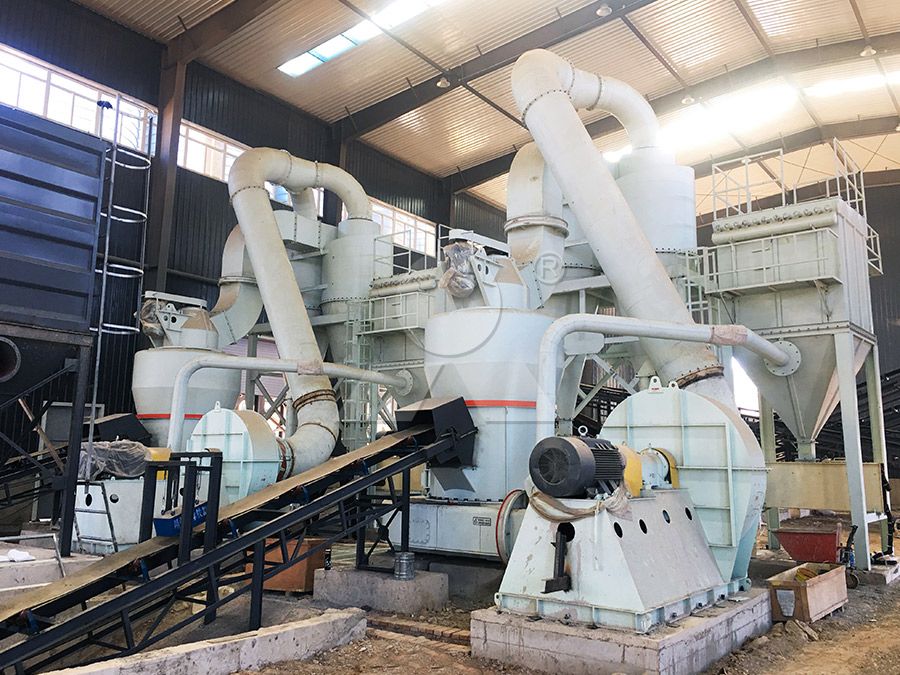
Different quicklime applications require specific particle size distributions and chemical characteristics. The High Pressure Raymond Mill’s adjustable parameters allow operators to fine-tune the grinding process to meet exact customer specifications. From construction-grade quicklime requiring specific surface area characteristics to chemical-grade material demanding precise reactivity profiles, the system’s flexibility ensures consistent product quality across diverse application requirements.
Frequently Asked Questions
What is the typical particle size range achievable with High Pressure Raymond Mill for quicklime?
The system can produce quicklime powder ranging from 80 to 400 mesh, with some configurations capable of achieving up to 600 mesh for specialized applications.
How does the system handle quicklime’s moisture sensitivity?
The closed grinding circuit and integrated hot air system minimize atmospheric exposure during processing, reducing moisture absorption and maintaining product quality.
What maintenance requirements should operators anticipate?
Regular inspection of grinding rollers and rings is recommended every 800-1,000 operating hours, with typical replacement intervals of 2,000-3,000 hours depending on quicklime characteristics.
Can the system be integrated with existing quicklime processing lines?
Yes, the modular design allows for straightforward integration with calcination systems, storage silos, and packaging operations, with customizable configurations available.
What power consumption can be expected for typical quicklime grinding operations?
Power requirements vary with product fineness and throughput, but typically range between 18-75 kW per ton of processed quicklime, representing significant efficiency improvements over alternative technologies.