
How Much Does an Ultrafine Raymond Mill Model Cost?
We provide a wide range of mills — including Raymond mill, trapezoidal mill, vertical mill, ultrafine mill, and ball mill, obtained ISO9001 international quality certification, EU CE certification, and Customs Union CU-TR certification. Suitable for processing minerals such as limestone, phosphate, quicklime, kaolin, talc, barite, bentonite, calcium carbonate, dolomite, coal, gypsum, clay, carbon black, slag, cement raw materials, cement clinker, and more.
The discharge range of these mills can be adjusted to meet specific processing needs, typically from 80-400 mesh, 600-3250 mesh, and can achieve the finest particle size of up to 6000 mesh(D50).
If you are looking for a reliable grinding solution to turn stone or minerals into fine powder, please feel free to contact our online customer service.
How Much Does an Ultrafine Raymond Mill Model Cost?
As an industry professional with over a decade of experience in mineral processing equipment, I’m frequently asked about the pricing of ultrafine Raymond mill models. The truth is, there’s no one-size-fits-all answer—the cost varies significantly based on capacity, fineness requirements, and specific features. However, I can provide some valuable insights to help you understand what factors into the pricing and what you should expect when investing in this equipment.
When clients ask me about ultrafine grinding mill costs, I always emphasize that you’re not just buying a machine—you’re investing in a complete powder processing solution. The initial equipment price typically represents only part of the total cost of ownership. You need to consider operational expenses, maintenance requirements, energy consumption, and the mill’s overall efficiency.
Key Factors Influencing Ultrafine Mill Pricing
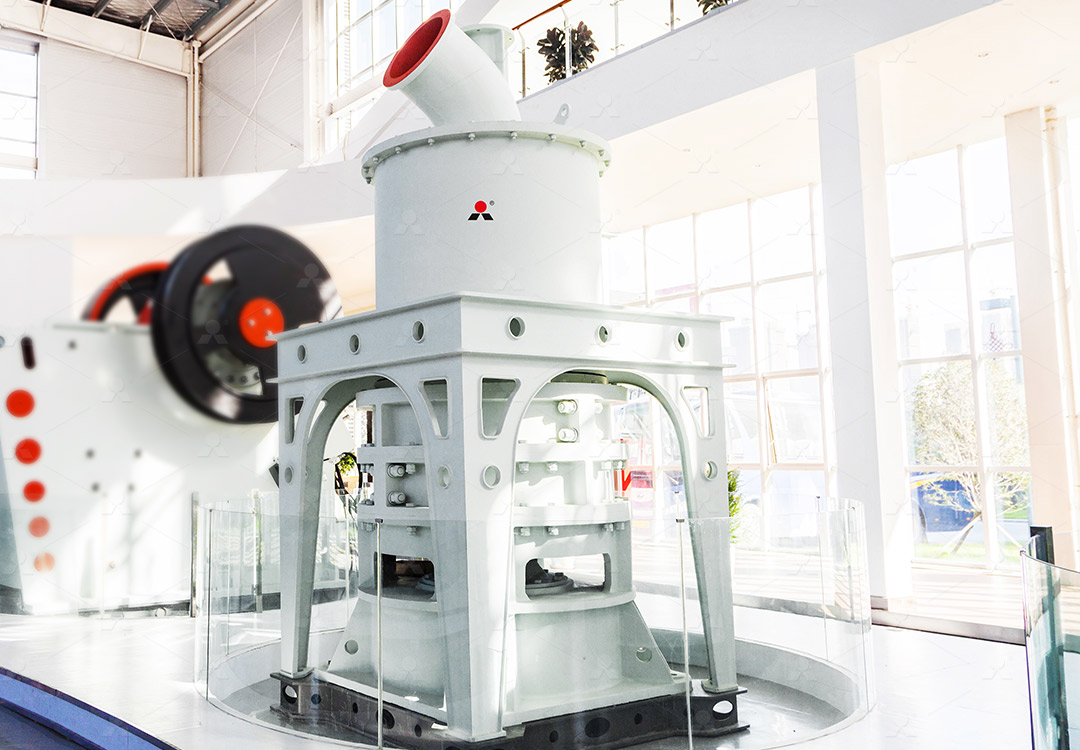
Several critical elements determine the final cost of an ultrafine Raymond mill. The grinding capacity is perhaps the most significant factor—mills with higher throughput capacities naturally command higher prices. For reference, our MW Ultrafine Grinding Mill offers capacities ranging from 0.5 to 25 tons per hour, accommodating various production needs.
The required fineness level dramatically impacts cost. Equipment capable of producing powders between 325-2500 meshes requires more sophisticated separation technology and precision engineering. Our MW model features German cage-type powder selector technology that enables precise fineness adjustment within this range while achieving remarkable d97≤5μm screening rates in a single pass.
Build quality and materials used in construction also affect pricing. Mills designed for continuous 24-hour operation with minimal maintenance, like our MW Ultrafine Grinding Mill with its innovative “no rolling bearing & screw in grinding chamber” design, represent higher initial investments but deliver substantial long-term savings through reduced downtime and maintenance costs.
Beyond the Price Tag: Considering Total Value
Smart buyers look beyond the initial purchase price to evaluate the total cost of ownership. Energy efficiency is a crucial consideration—our MW Ultrafine Grinding Mill consumes approximately 30% less energy compared to jet grinding mills while delivering 40% higher production capacity. This translates to significant operational savings over the equipment’s lifespan.
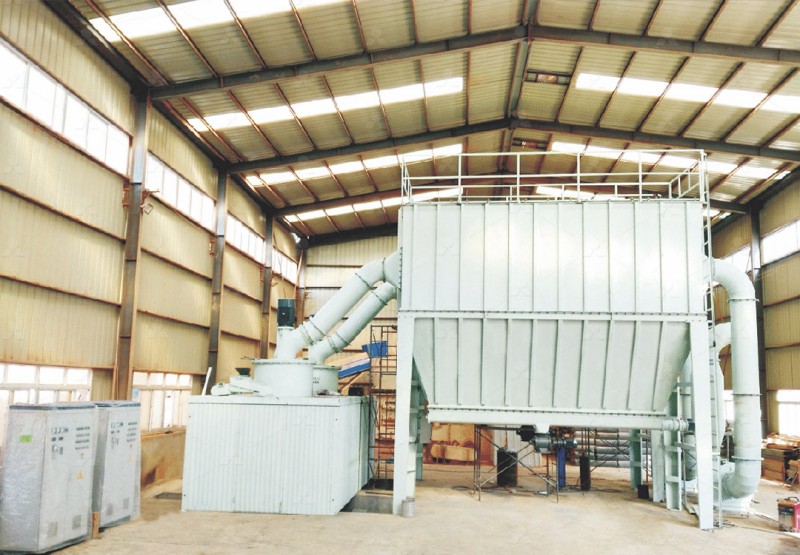
Environmental compliance features also contribute to the overall value equation. Modern mills must incorporate effective dust collection and noise reduction systems. The MW Ultrafine Grinding Mill comes equipped with efficient pulse dust collectors and mufflers that ensure compliance with national environmental standards—features that might increase the initial cost but prevent expensive retrofitting later.
Recommended Solutions for Different Needs
For operations requiring ultra-fine powder production, I frequently recommend our MW Ultrafine Grinding Mill. This machine is specifically engineered for customers who need to make ultra-fine powder with superior efficiency. Its advanced design features higher yielding with lower energy consumption, making it ideal for processing materials like limestone, calcite, dolomite, and various industrial minerals.
Another excellent option worth considering is our LUM Ultrafine Vertical Grinding Mill, which integrates ultrafine powder grinding, grading, and transporting in a single system. With an input size of 0-10 mm and capacity of 5-18 tph, it represents another sophisticated solution for demanding powder processing applications.
Making an Informed Investment
When evaluating ultrafine mill costs, remember that the cheapest option often becomes the most expensive in the long run. Consider not just the purchase price but also the machine’s reliability, efficiency, maintenance requirements, and the manufacturer’s support services. Our company provides comprehensive technical support and original spare parts to ensure worry-free operation throughout your mill’s service life.
The actual cost of an ultrafine Raymond mill model depends heavily on your specific requirements. I encourage you to consult with our technical team to get a precise quotation tailored to your production needs, material characteristics, and fineness requirements.
Frequently Asked Questions
What is the typical price range for an ultrafine Raymond mill?
Prices can range from $50,000 to $500,000+ depending on capacity, configuration, and technical specifications. Our technical team can provide accurate quotations based on your specific requirements.
How does the MW Ultrafine Grinding Mill achieve higher efficiency?
The MW mill features newly designed grinding curves of grinding roller and grinding ring that enhance grinding efficiency, delivering 40% higher production capacity than jet grinding mills with 30% less energy consumption.
What materials can the MW Ultrafine Grinding Mill process?
It effectively processes limestone, calcite, dolomite, petroleum coal, gypsum, barite, marble, talc, coal powder, and various materials for chemical, paint, cosmetics, medicine, and food additive industries.
How often does the MW Ultrafine Grinding Mill require maintenance?
With its innovative design featuring no rolling bearings or screws in the grinding chamber and external lubrication capability, the MW mill can operate continuously for 24 hours with minimal maintenance requirements.
What environmental features are included?
The MW Ultrafine Grinding Mill comes equipped with efficient pulse dust collectors, silencers, and noise elimination rooms to ensure compliance with national environmental protection standards.