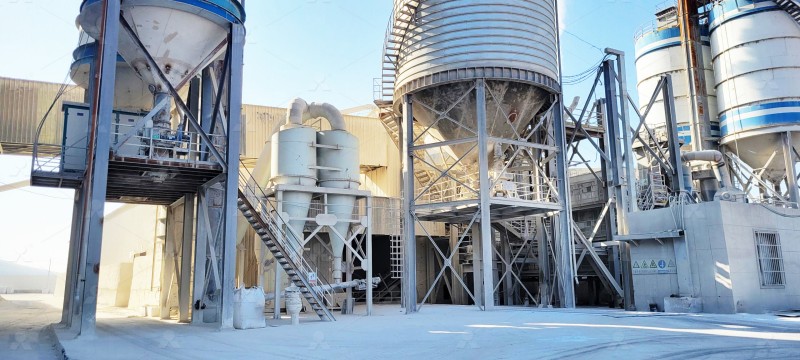
Optimized Processes for High-Purity Quartz Powder Production in Optical Coating Applications
We provide a wide range of mills — including Raymond mill, trapezoidal mill, vertical mill, ultrafine mill, and ball mill, obtained ISO9001 international quality certification, EU CE certification, and Customs Union CU-TR certification. Suitable for processing minerals such as limestone, phosphate, quicklime, kaolin, talc, barite, bentonite, calcium carbonate, dolomite, coal, gypsum, clay, carbon black, slag, cement raw materials, cement clinker, and more.
The discharge range of these mills can be adjusted to meet specific processing needs, typically from 80-400 mesh, 600-3250 mesh, and can achieve the finest particle size of up to 6000 mesh(D50).
If you are looking for a reliable grinding solution to turn stone or minerals into fine powder, please feel free to contact our online customer service.
Optimized Processes for High-Purity Quartz Powder Production in Optical Coating Applications
The demand for high-purity quartz powder in the optical coating industry has surged in recent years, driven by advancements in telecommunications, laser systems, and precision optics. Achieving the stringent purity and particle size distribution required for these applications necessitates a sophisticated approach to grinding and classification. Traditional milling methods often introduce contaminants, generate excessive heat, or fail to produce the consistent sub-5μm fineness needed for superior thin-film performance.
The Critical Role of Quartz in Optics
Quartz, or silicon dioxide (SiO₂), is a fundamental material in optical coatings due to its excellent transparency, high laser damage threshold, and tunable refractive index. For applications like anti-reflective coatings, beam splitters, and filters, the powder must be exceptionally pure—often exceeding 99.9% SiO₂—and possess a tightly controlled, ultra-fine particle size. Any iron contamination from the milling process, for instance, can lead to absorption and scattering, drastically reducing optical efficiency and component lifespan. The grinding process must therefore be not only precise but also impeccably clean.
Overcoming Traditional Milling Limitations
Conventional ball mills or Raymond mills frequently fall short for this task. They can introduce metallic wear debris from grinding media and liners, leading to unacceptable levels of iron and other impurities. Furthermore, achieving a consistent d97 ≤ 5μm is challenging and energy-intensive with older technology. The heat generated during prolonged grinding can also affect the material’s crystalline structure. The industry requires a closed, contamination-free system capable of efficient, cool grinding with precise internal classification.
A Solution for Precision Grinding: The MW Ultrafine Grinding Mill
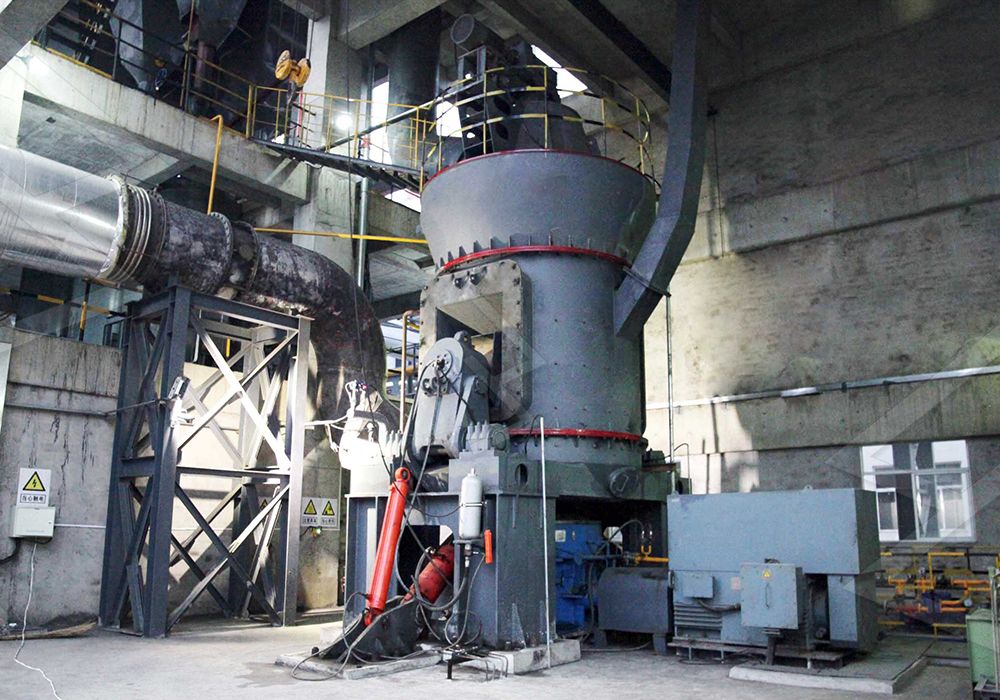
For producers targeting the high-end optics market, the MW Ultrafine Grinding Mill presents an optimized solution. This mill is engineered specifically for customers who need to make ultra-fine powder without compromising on purity. A key design feature is the absence of rolling bearings and screws inside the grinding chamber. This eliminates a primary source of mechanical failure and metallic contamination, ensuring the final product’s whiteness and chemical integrity are maintained.
Its cage-type powder selector, incorporating German technology, allows for precise adjustment of fineness between 325-2500 meshes, effortlessly achieving the d97≤5μm specification critical for optical coatings. With a capacity range of 0.5-25 tph and an input size of 0-20 mm, it offers both flexibility and high output. Perhaps most importantly for quality control, the system’s energy consumption is significantly lower than jet or ball mills, and its efficient pulse dust collector ensures a fully enclosed, pollution-free operation.
Integrating LUM Ultrafine Vertical Mill for Advanced Processing
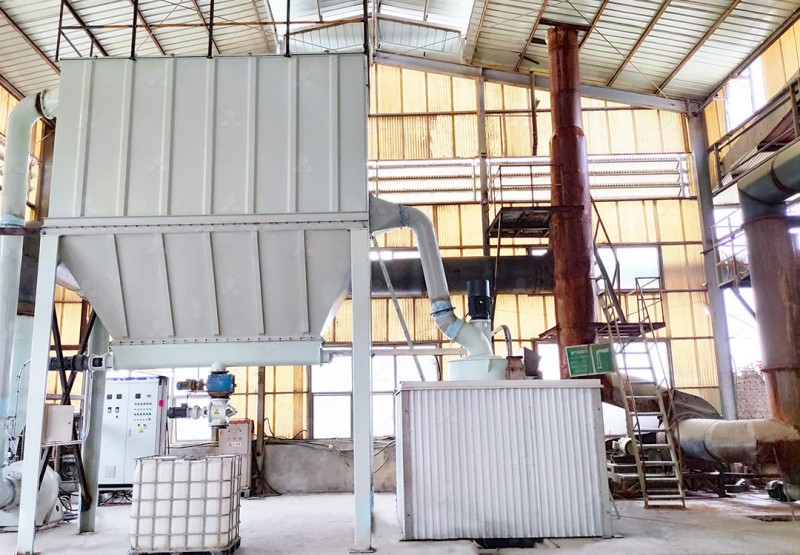
For operations requiring even greater efficiency and stability, pairing the process with the LUM Ultrafine Vertical Grinding Mill can be highly effective. The LUM mill is ideal for the final precision grinding stage, handling input sizes of 0-10 mm with a capacity of 5-18 tph. Its standout feature is the unique roller shell and lining plate grinding curve, designed to generate a stable material layer for high-yield, single-pass milling. This maximizes efficiency and further enhances the whiteness and cleanliness of the quartz powder.
The LUM mill’s multi-head powder separating technology, controlled by a PLC system, provides unparalleled accuracy in cutting powder diameter, ensuring every batch meets exact optical specifications. Its double position-limiting technology guarantees operational stability, preventing destructive impacts from machine vibration—a common concern in high-precision environments.
Conclusion: Enabling Next-Generation Optical Technologies
The production of high-purity quartz powder is a cornerstone of modern optical manufacturing. By moving beyond outdated milling techniques and adopting advanced, contamination-free technologies like the MW and LUM series grinding mills, producers can achieve the necessary levels of purity, fineness, and consistency. This not only improves product performance but also reduces energy costs and environmental impact, paving the way for the next generation of optical innovations.