
4500 Mesh 3R Raymond Mill for Fine Powder Grinding: Achieving Unprecedented Fineness
We provide a wide range of mills — including Raymond mill, trapezoidal mill, vertical mill, ultrafine mill, and ball mill, obtained ISO9001 international quality certification, EU CE certification, and Customs Union CU-TR certification. Suitable for processing minerals such as limestone, phosphate, quicklime, kaolin, talc, barite, bentonite, calcium carbonate, dolomite, coal, gypsum, clay, carbon black, slag, cement raw materials, cement clinker, and more.
The discharge range of these mills can be adjusted to meet specific processing needs, typically from 80-400 mesh, 600-3250 mesh, and can achieve the finest particle size of up to 6000 mesh(D50).
If you are looking for a reliable grinding solution to turn stone or minerals into fine powder, please feel free to contact our online customer service.
Pushing the Boundaries of Fine Powder Production
In today’s competitive industrial landscape, achieving ultra-fine powder specifications while maintaining operational efficiency represents a significant challenge for manufacturers across multiple sectors. The pursuit of 4500 mesh fineness requires specialized grinding technology that balances precision, productivity, and cost-effectiveness. Traditional grinding approaches often fall short when targeting these extreme fineness requirements, necessitating advanced milling solutions engineered specifically for superfine powder applications.
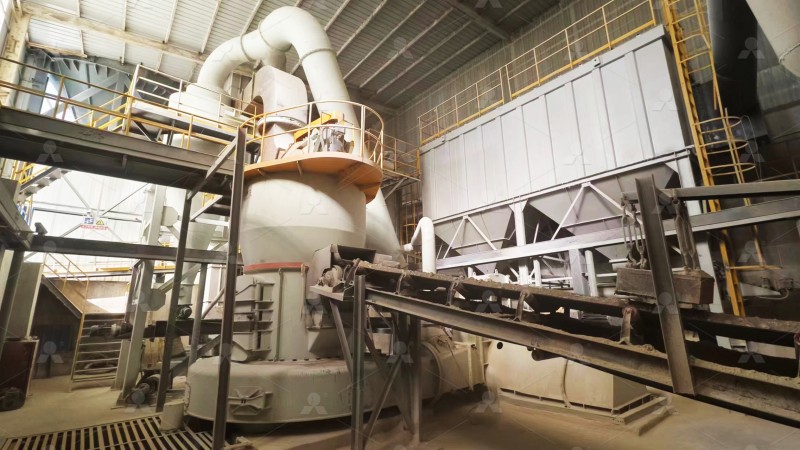
The 3R Raymond Mill configuration represents a specialized approach to fine powder processing, featuring three grinding rollers working in concert to achieve remarkable particle size reduction. This mechanical design creates multiple grinding zones where material undergoes progressive refinement, ultimately reaching the coveted 4500 mesh specification that translates to approximately 3-5 microns particle size. What distinguishes this system is its ability to maintain consistent output quality while processing various mineral and chemical compounds.
Technical Innovations in Fine Grinding
Modern Raymond Mill systems incorporate several critical advancements that enable them to achieve unprecedented fineness levels. The grinding chamber geometry has been optimized to create more efficient particle classification during the grinding process, while improved roller and ring materials extend operational life when processing abrasive materials. Advanced airflow systems ensure proper material transport through the grinding circuit, preventing premature discharge of insufficiently processed particles.
The separator technology represents another area of significant innovation. Modern dynamic classifiers can precisely control particle cut points, ensuring that only properly sized material exits the grinding circuit. This precision directly impacts product quality and system efficiency, as improperly sized material doesn’t recycle through the grinding chamber unnecessarily.
When to Consider Advanced Grinding Solutions
While the 4500 Mesh 3R Raymond Mill excels in specific applications, certain production scenarios may benefit from even more advanced grinding technology. For operations requiring fineness between 325-2500 meshes with higher capacity requirements, we typically recommend considering our MW Ultrafine Grinding Mill. This advanced system represents the next evolution in fine powder processing, featuring several proprietary technologies that enhance efficiency and output quality.
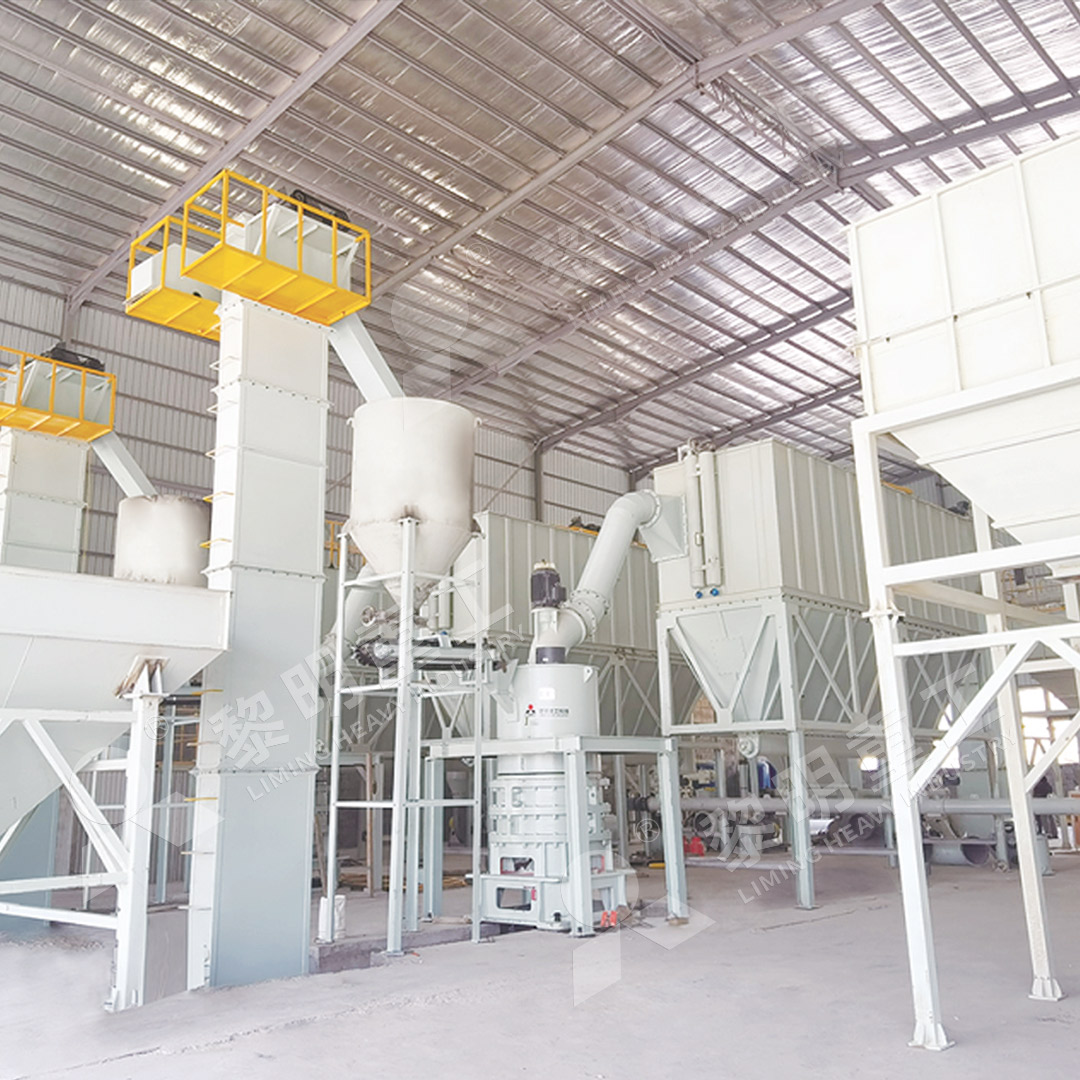
The MW Ultrafine Grinding Mill incorporates a German-designed cage-type powder selector that significantly improves separation precision. With the ability to achieve d97≤5μm in a single pass and adjustable fineness between 325-2500 meshes, this system offers remarkable flexibility for operations processing materials like limestone, calcite, dolomite, and various industrial minerals. The absence of rolling bearings and screws in the grinding chamber eliminates common failure points, while the external lubrication system enables continuous 24-hour operation.
Complementary Technology: LUM Ultrafine Vertical Grinding Mill
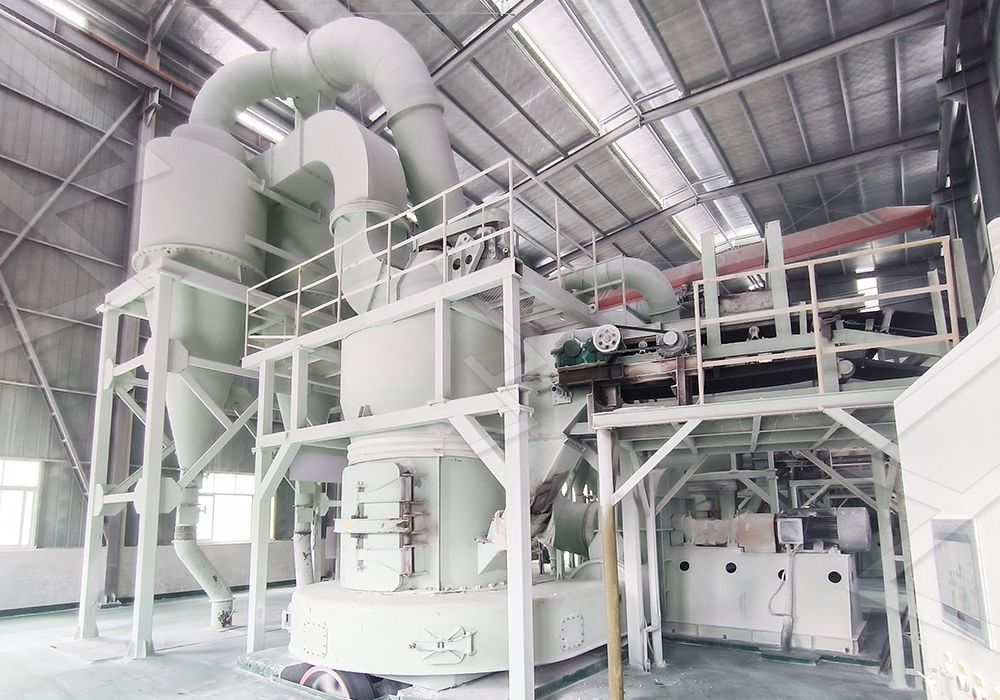
For operations requiring the absolute finest powders with maximum efficiency, our LUM Ultrafine Vertical Grinding Mill integrates the latest Taiwanese grinding roller technology with German powder separating technology. This system excels in processing superfine dry powders of non-metal ores with input sizes up to 10mm and capacity ranging from 5-18 tph. The unique roller shell and lining plate grinding curve design promotes better material layer formation, enabling high finished product rates through single-pass powder milling.
The LUM system’s double position-limiting technology provides exceptional operational stability by preventing destructive impacts between grinding components, while the reversible structure simplifies maintenance procedures. When combined with PLC control systems and multi-head powder separating technology, this grinding mill reduces energy consumption by 30-50% compared to conventional systems.
Application-Specific Considerations
Selecting the appropriate grinding technology requires careful analysis of material characteristics, production targets, and final product specifications. The 4500 Mesh 3R Raymond Mill typically excels in dedicated fine powder production environments where specific mesh requirements must be consistently met. Operations with variable production requirements or those processing multiple materials often benefit from the flexibility offered by the MW or LUM systems.
Environmental considerations also play an increasingly important role in equipment selection. Modern grinding systems incorporate comprehensive dust collection and noise reduction technologies that minimize environmental impact while ensuring operator safety. The pulse dust collectors integrated into these systems effectively contain fine particles, while specialized mufflers and noise elimination rooms maintain workplace noise at acceptable levels.
Frequently Asked Questions
What is the typical energy consumption for a 4500 Mesh 3R Raymond Mill?
Energy consumption varies based on material characteristics and operational parameters, but modern systems typically achieve 30-40% reduction compared to conventional grinding mills. The MW Ultrafine Grinding Mill specifically reduces system energy consumption to just 30% of jet grinding mill requirements.
Can the same mill process different materials to 4500 mesh?
While possible, material characteristics significantly impact grinding efficiency and wear rates. Harder, more abrasive materials may require more frequent maintenance and consume more energy. We recommend consulting with our technical team for specific material recommendations.
How does the MW Ultrafine Grinding Mill achieve higher efficiency?
The MW mill incorporates newly designed grinding curves of grinding roller and grinding ring that enhance grinding efficiency. With the same fineness and power, its production capacity is 40% higher than jet grinding mills and twice as large as ball grinding mills.
What maintenance advantages do these systems offer?
The absence of rolling bearings and screws in the MW Ultrafine Grinding Mill’s grinding chamber eliminates concerns about bearing damage or loose screws causing machine failure. External lubrication enables continuous 24-hour operation without shutdowns for maintenance.
How do these systems address environmental concerns?
Both the 4500 Mesh 3R Raymond Mill and our MW/LUM systems feature efficient pulse dust collectors that prevent dust pollution during operation. Silencers and noise elimination rooms reduce operational noise, ensuring compliance with national environmental protection standards.