
Coal Vibratory Mill: Efficient Grinding for Power Generation and Industrial Applications
We provide a wide range of mills — including Raymond mill, trapezoidal mill, vertical mill, ultrafine mill, and ball mill, obtained ISO9001 international quality certification, EU CE certification, and Customs Union CU-TR certification. Suitable for processing minerals such as limestone, phosphate, quicklime, kaolin, talc, barite, bentonite, calcium carbonate, dolomite, coal, gypsum, clay, carbon black, slag, cement raw materials, cement clinker, and more.
The discharge range of these mills can be adjusted to meet specific processing needs, typically from 80-400 mesh, 600-3250 mesh, and can achieve the finest particle size of up to 6000 mesh(D50).
If you are looking for a reliable grinding solution to turn stone or minerals into fine powder, please feel free to contact our online customer service.
Coal Vibratory Mill: Efficient Grinding for Power Generation and Industrial Applications
In the demanding world of power generation and heavy industry, efficient coal processing stands as a critical determinant of operational success. The pulverization of coal into fine powder is essential for optimal combustion in thermal power plants and various industrial heating processes. This is where advanced coal vibratory mills demonstrate their indispensable value, transforming raw coal into precisely controlled particulate matter with remarkable efficiency.
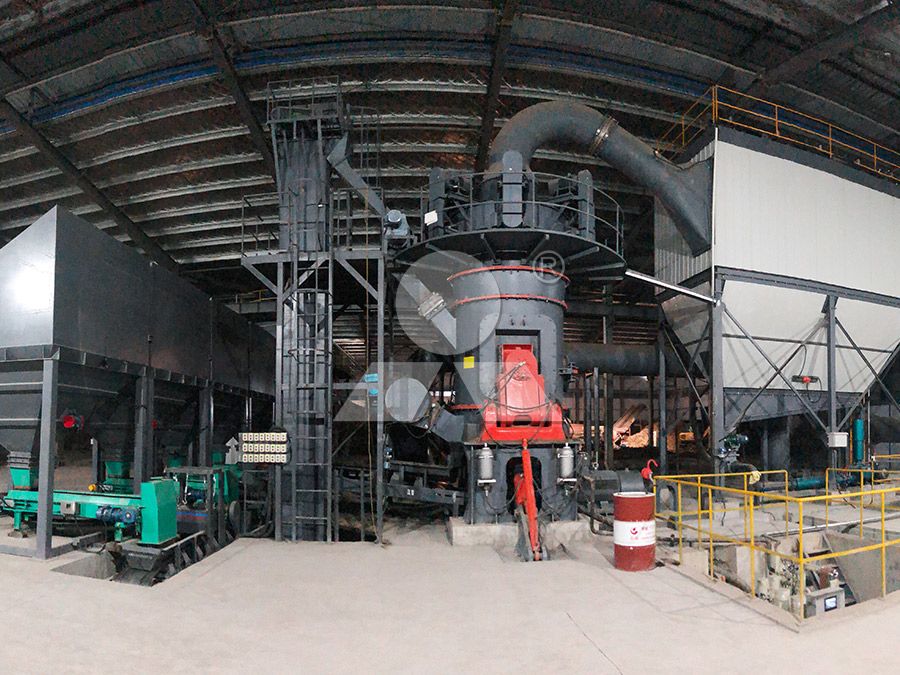
The fundamental challenge in coal processing lies in achieving consistent particle size distribution while minimizing energy consumption and environmental impact. Traditional grinding methods often struggle with these competing demands, but modern vibratory mill technology has revolutionized this space. Through sophisticated mechanical design and intelligent control systems, today’s mills deliver unprecedented performance metrics.
The Engineering Behind Efficient Coal Comminution
Contemporary coal vibratory mills employ a combination of impact, attrition, and compression forces to reduce coal particles to the required fineness. The strategic application of vibratory energy creates a highly efficient grinding environment where particles are constantly in motion, ensuring uniform exposure to grinding elements. This dynamic approach significantly outperforms static grinding methods in both throughput and energy efficiency.
Material handling represents another critical aspect of coal mill performance. Advanced systems incorporate intelligent feeding mechanisms that maintain optimal mill loading, preventing both under-utilization and overloading scenarios. This precise control extends equipment lifespan while maximizing production capacity.
Introducing the MW Ultrafine Grinding Mill: Precision Engineering for Demanding Applications
For operations requiring exceptional fineness control and energy efficiency, the MW Ultrafine Grinding Mill represents a technological leap forward. Engineered for customers who need to produce ultra-fine powder, this machine demonstrates remarkable capabilities with an input size range of 0-20 mm and capacity spanning 0.5-25 tph.
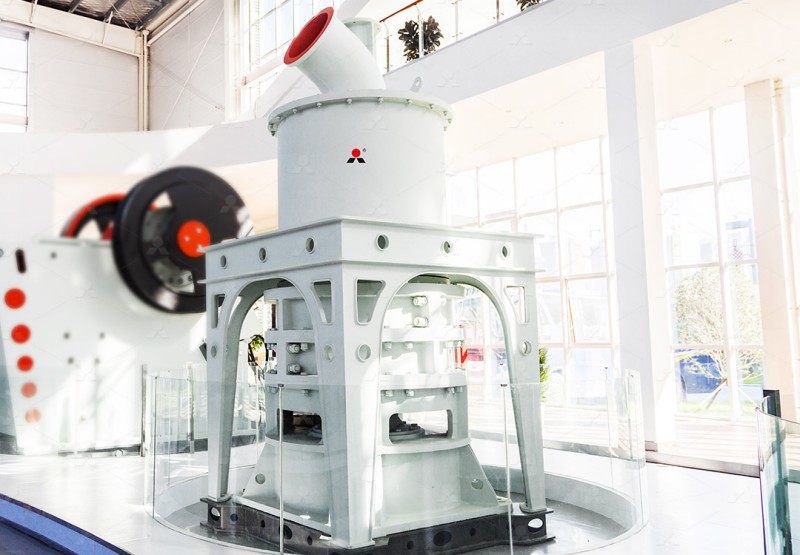
The MW series stands apart through its innovative design features. The newly engineered grinding curves of the grinding roller and ring enhance grinding efficiency substantially. Comparative analysis reveals production capacity increases of 40% over jet grinding mills and stirred grinding mills, with output doubling that of traditional ball grinding mills. Remarkably, system energy consumption registers at just 30% of jet grinding mill requirements.
Fineness adjustment represents another strength, with the cage-type powder selector employing German technology to achieve precision separation. The mill offers adjustable fineness between 325-2500 meshes, with screening rates achieving d97≤5μm in a single pass. The elimination of rolling bearings and screws within the grinding chamber addresses common failure points, while external lubrication systems enable continuous 24-hour operation.
Environmental Compliance and Operational Excellence
Modern industrial operations face increasing pressure to minimize environmental impact, and coal processing is no exception. The integration of efficient pulse dust collectors and mufflers in advanced mill designs effectively addresses both particulate and noise pollution concerns. The MW Ultrafine Grinding Mill exemplifies this approach, operating within stringent national environmental protection standards without compromising performance.
Digital manufacturing techniques further enhance mill reliability and precision. With dozens of numerical control machine lines handling cutting, bending, planing, milling, and painting operations, core components achieve exceptional dimensional accuracy and durability. This manufacturing excellence, combined with comprehensive spare parts support, ensures worry-free operation across extended service periods.
Application Diversity Beyond Power Generation
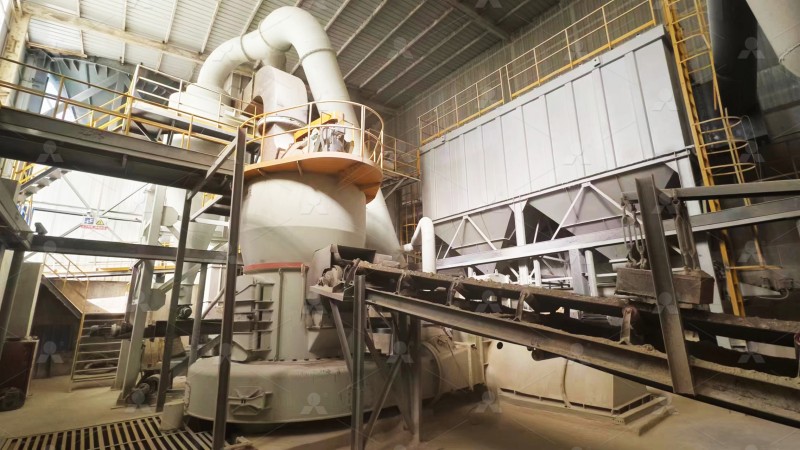
While power generation represents the most visible application for coal vibratory mills, these versatile machines serve numerous industrial sectors. From cement production and steel manufacturing to chemical processing and specialized material synthesis, the ability to precisely control coal particle characteristics enables diverse industrial processes.
The selection between various mill technologies—including the LUM Ultrafine Vertical Grinding Mill for operations requiring 5-18 tph capacity with 0-10 mm input size—depends on specific operational requirements. Each design offers unique advantages tailored to different production scenarios and material characteristics.
Frequently Asked Questions
What maintenance advantages does the MW Ultrafine Grinding Mill offer?
The absence of rolling bearings and screws in the grinding chamber eliminates common failure points. The external lubrication system allows maintenance without shutdown, supporting continuous 24-hour operation.
How does the MW mill achieve its energy efficiency?
Through optimized grinding curves, precision engineering, and advanced powder separation technology, the MW mill consumes only 30% of the energy required by comparable jet grinding mills while increasing production capacity by 40%.
What environmental features are incorporated?
The system includes efficient pulse dust collectors that prevent dust pollution throughout the milling process, along with silencers and noise elimination rooms to reduce acoustic impact, ensuring full compliance with environmental standards.
What fineness range can be achieved?
The MW Ultrafine Grinding Mill offers adjustable fineness between 325-2500 meshes, with the capability to achieve d97≤5μm in a single processing pass through its advanced cage-type powder selector.
How does digital manufacturing improve reliability?
Numerical control machining ensures high precision for all components, particularly core parts, resulting in better fit, longer service life, and more consistent performance across the entire system.