
5 Key Steps to Optimize Production Process for Conductive Carbon Black Powder
We provide a wide range of mills — including Raymond mill, trapezoidal mill, vertical mill, ultrafine mill, and ball mill, obtained ISO9001 international quality certification, EU CE certification, and Customs Union CU-TR certification. Suitable for processing minerals such as limestone, phosphate, quicklime, kaolin, talc, barite, bentonite, calcium carbonate, dolomite, coal, gypsum, clay, carbon black, slag, cement raw materials, cement clinker, and more.
The discharge range of these mills can be adjusted to meet specific processing needs, typically from 80-400 mesh, 600-3250 mesh, and can achieve the finest particle size of up to 6000 mesh(D50).
If you are looking for a reliable grinding solution to turn stone or minerals into fine powder, please feel free to contact our online customer service.
5 Key Steps to Optimize Production Process for Conductive Carbon Black Powder
Conductive carbon black powder is a critical material in industries ranging from electronics to automotive coatings. Optimizing its production process ensures higher efficiency, better quality, and reduced operational costs. Here are five essential steps to achieve this:
1. Raw Material Selection and Pre-Treatment
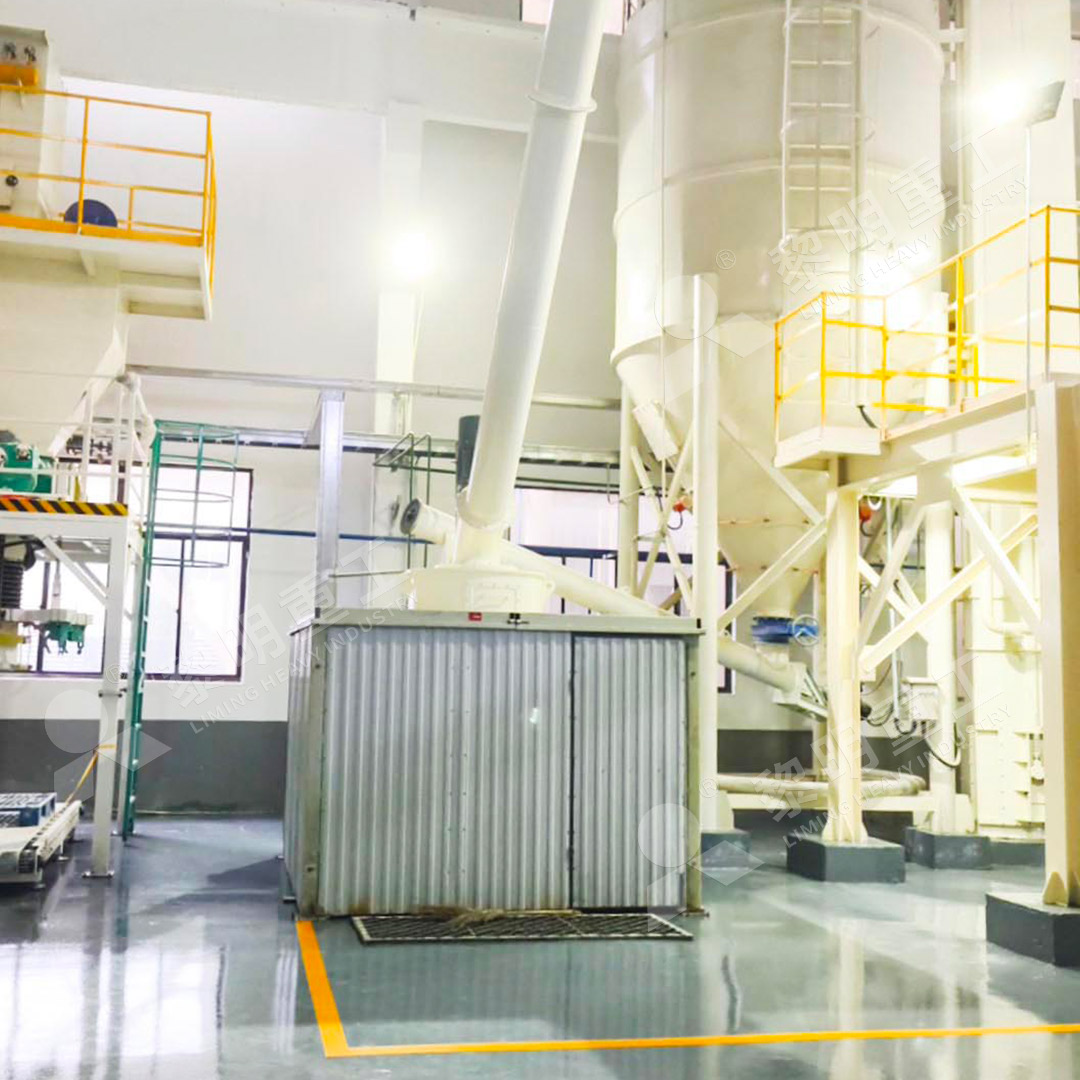
The quality of conductive carbon black heavily depends on the raw materials used. Ensure the feedstock is free from impurities and has consistent particle size. Pre-treatment steps like drying and crushing are crucial to prepare the material for grinding. For instance, our MW Ultrafine Grinding Mill handles input sizes up to 20 mm, making it ideal for pre-processed materials.
2. Precision Grinding for Uniform Particle Size
Grinding is the heart of carbon black production. A mill with adjustable fineness (e.g., 325–2500 meshes) ensures optimal particle distribution. The MW Ultrafine Grinding Mill excels here, offering 40% higher capacity than jet mills while consuming 30% less energy. Its cage-type powder selector guarantees d97≤5μm precision.
3. Dust and Noise Control
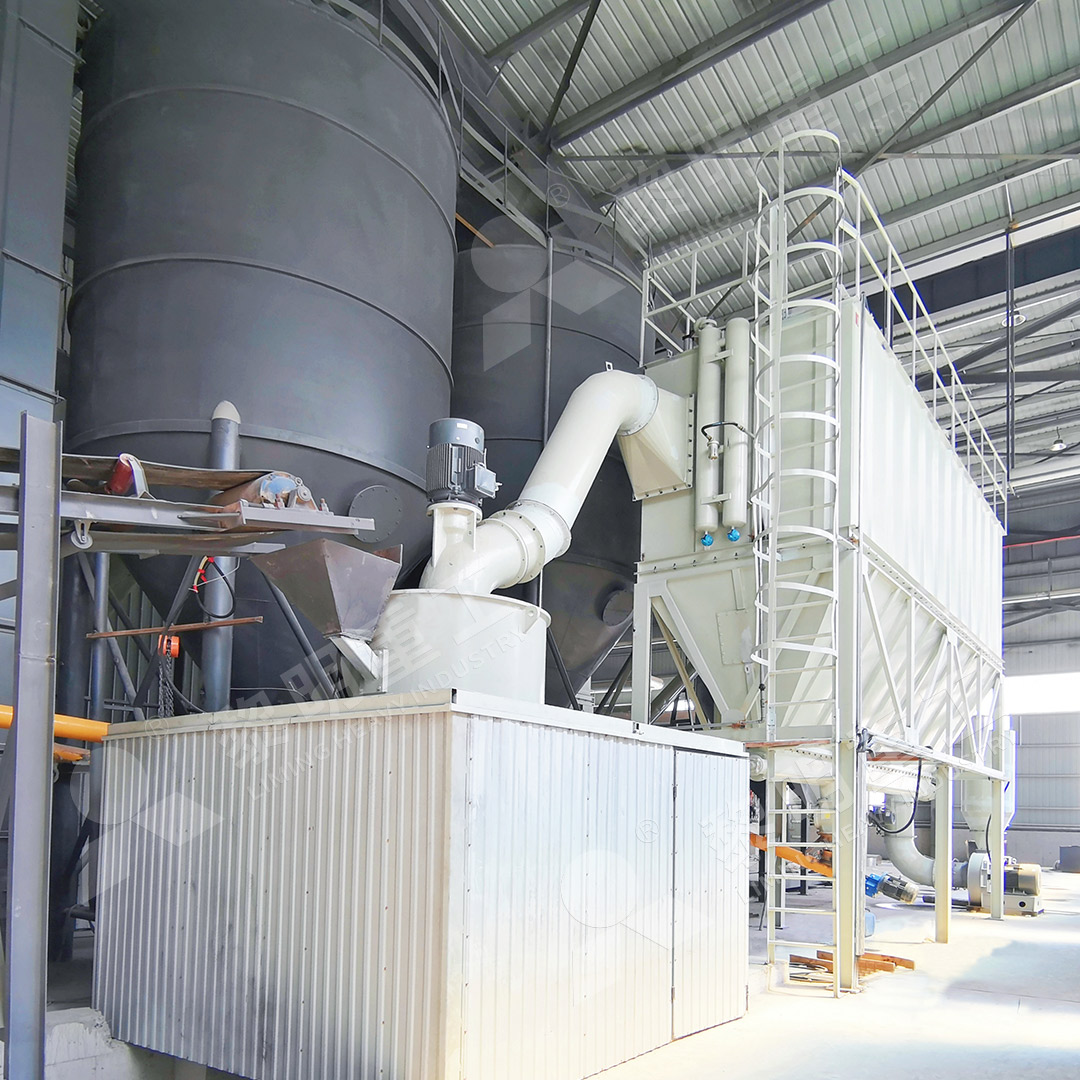
Carbon black production generates dust and noise, posing environmental and safety risks. Equip your facility with mills featuring integrated pulse dust collectors and mufflers. Our MW mill’s eco-friendly design complies with national standards, reducing dust pollution and noise levels below 75 dB.
4. Energy Efficiency and Automation
Modern mills leverage automation to minimize energy waste. The LUM Ultrafine Vertical Grinding Mill, for example, uses PLC controls and multi-head powder separation to cut energy use by 50%. Its reversible structure simplifies maintenance, further reducing downtime.
5. Quality Assurance and Testing
Regularly test the powder’s conductivity, fineness, and purity. Advanced mills like the MW series allow real-time adjustments to fineness and pressure, ensuring consistent output. Partner with suppliers offering spare parts and technical support to maintain peak performance.
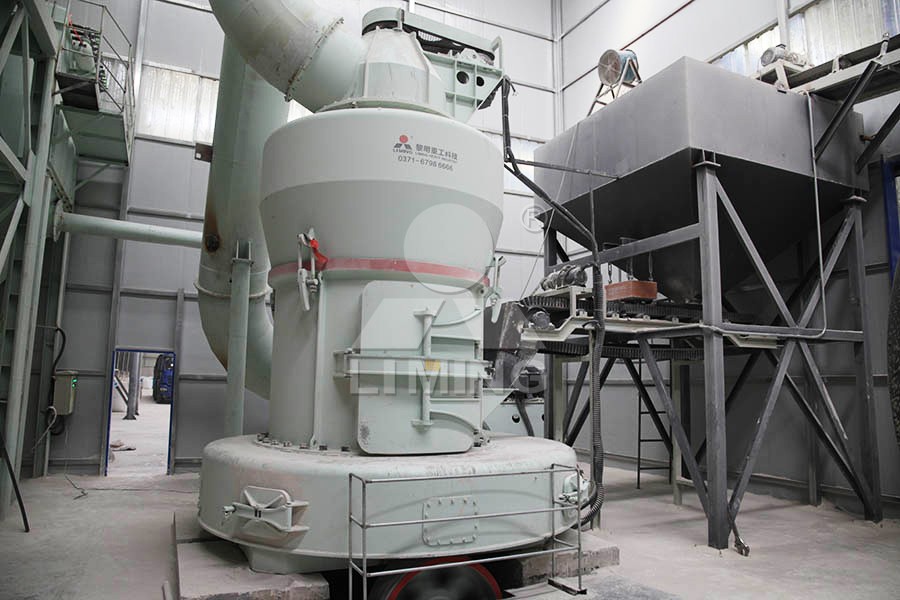
By implementing these steps and leveraging advanced equipment like the MW Ultrafine Grinding Mill or LUM Vertical Grinding Mill, producers can achieve a streamlined, cost-effective process with superior product quality.