
Pumice Powder Grinding Mill Machine Price Guide
We provide a wide range of mills — including Raymond mill, trapezoidal mill, vertical mill, ultrafine mill, and ball mill, obtained ISO9001 international quality certification, EU CE certification, and Customs Union CU-TR certification. Suitable for processing minerals such as limestone, phosphate, quicklime, kaolin, talc, barite, bentonite, calcium carbonate, dolomite, coal, gypsum, clay, carbon black, slag, cement raw materials, cement clinker, and more.
The discharge range of these mills can be adjusted to meet specific processing needs, typically from 80-400 mesh, 600-3250 mesh, and can achieve the finest particle size of up to 6000 mesh(D50).
If you are looking for a reliable grinding solution to turn stone or minerals into fine powder, please feel free to contact our online customer service.
Pumice Powder Grinding Mill Machine Price Guide
Navigating the world of pumice powder grinding equipment can be challenging, especially when trying to balance performance requirements with budget constraints. As an industrial specialist with over a decade of experience in mineral processing, I’ve witnessed how proper machine selection directly impacts operational efficiency and profitability. This guide will help you understand the key factors influencing grinding mill prices while highlighting solutions that deliver exceptional value.
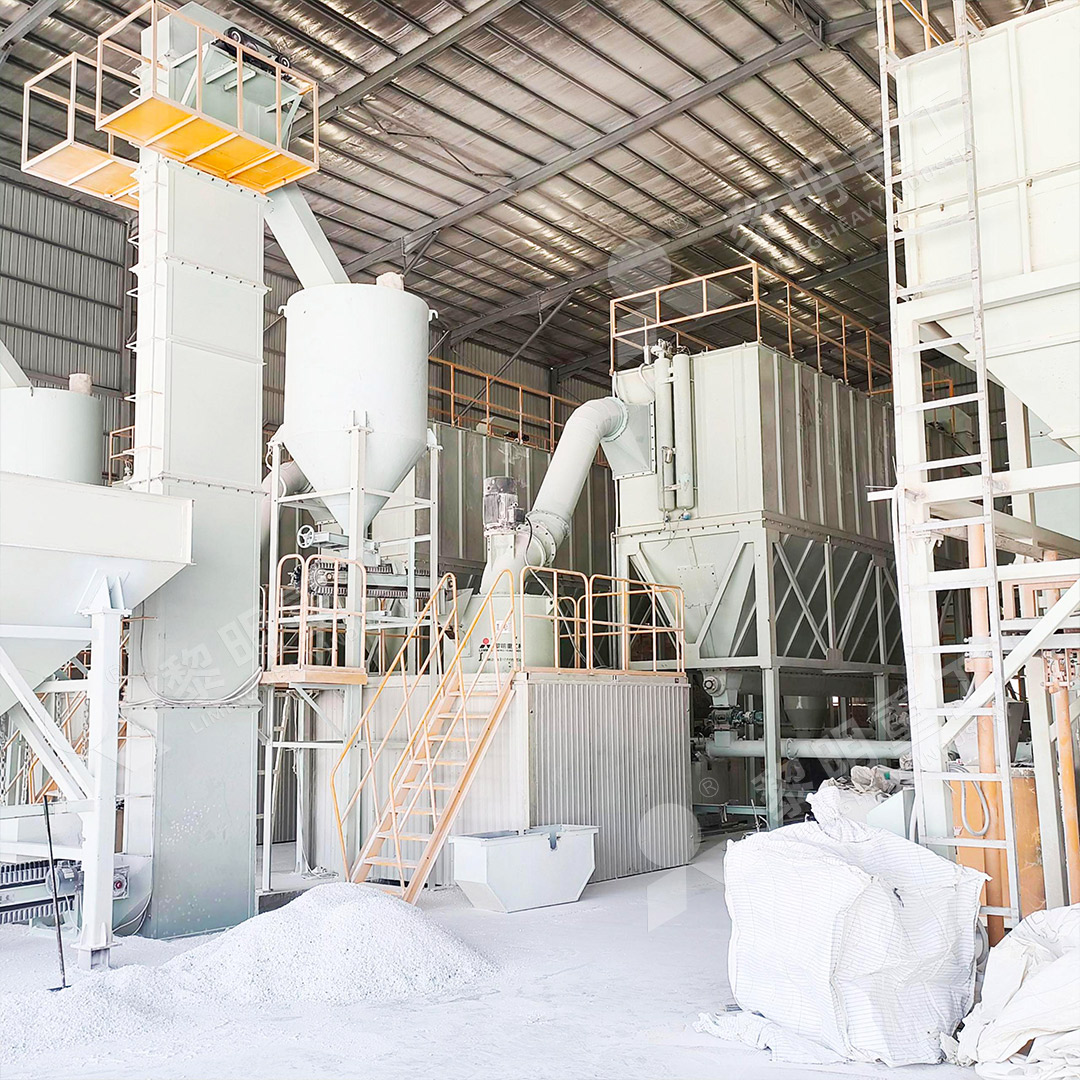
Pumice grinding presents unique challenges due to its abrasive nature and the precise fineness requirements for various applications. The market offers numerous options, from traditional Raymond mills to advanced vertical grinding systems, with prices ranging from $50,000 to $500,000 depending on specifications. However, the true cost extends far beyond the initial investment—energy consumption, maintenance frequency, and production efficiency significantly impact your long-term operational expenses.
Key Factors Affecting Grinding Mill Pricing
Several critical elements determine the final price tag of pumice grinding equipment. Capacity requirements represent the most significant cost driver, with systems ranging from small-scale (1-5 tph) to industrial-scale (25+ tph) operations. The required fineness also dramatically influences pricing—achieving 2500 mesh demands more sophisticated technology than 325 mesh production. Additional cost factors include the grinding mechanism, material of construction (crucial for abrasive pumice), automation level, and environmental control systems.
Many operations make the mistake of selecting equipment based solely on initial purchase price, overlooking the substantial impact of energy efficiency on long-term costs. Our analysis shows that energy consumption can represent up to 60% of the total cost of ownership over a five-year period. Similarly, maintenance requirements and spare part availability significantly affect operational downtime and associated losses.
Recommended Solution: MW Ultrafine Grinding Mill
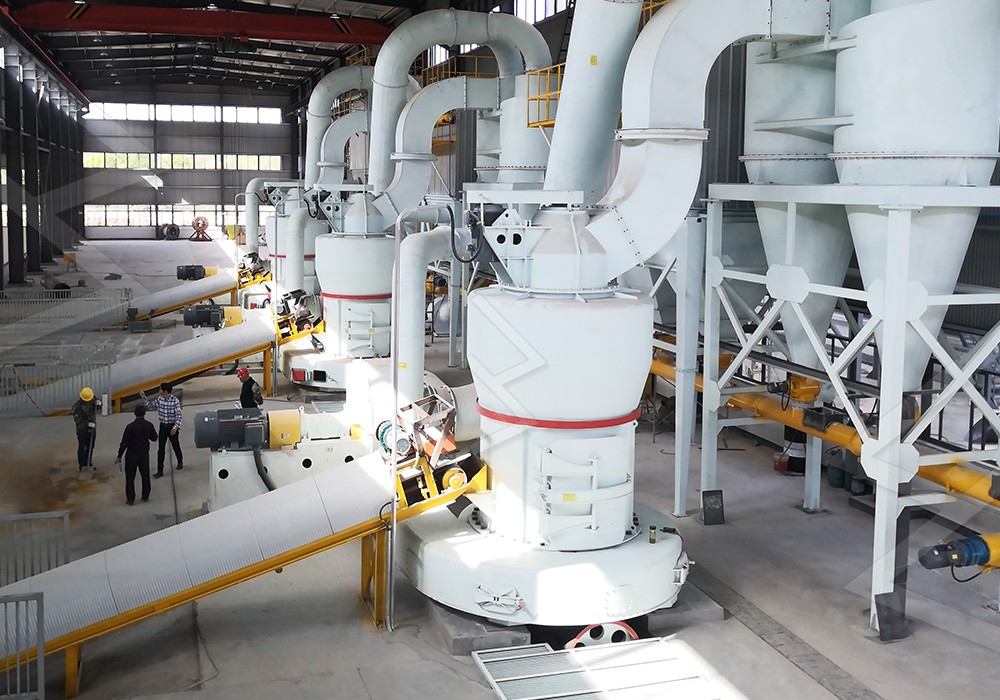
For operations requiring high-quality pumice powder with superior efficiency, we strongly recommend considering our MW Ultrafine Grinding Mill. This system represents the optimal balance between performance and operational economy, specifically engineered for challenging materials like pumice. With an input size capacity of 0-20 mm and production rates from 0.5 to 25 tph, it accommodates most industrial requirements while delivering exceptional particle consistency.
The MW Series stands out through its innovative design that eliminates rolling bearings and screws from the grinding chamber—a revolutionary approach that virtually eliminates the primary failure points in conventional mills. This design translates to dramatically reduced maintenance costs and unprecedented operational reliability. The integrated pulse dust collector and muffler system ensures environmental compliance without additional investments in auxiliary equipment.
What truly distinguishes the MW Ultrafine Grinding Mill is its remarkable energy efficiency. Independent verification confirms 40% higher production capacity compared to jet mills and double the output of ball mills with identical power input. For operations grinding to specifications between 325-2500 meshes, the German-designed cage-type powder selector ensures precise classification with screening rates achieving d97≤5μm in a single pass.
Alternative Option: LUM Ultrafine Vertical Grinding Mill
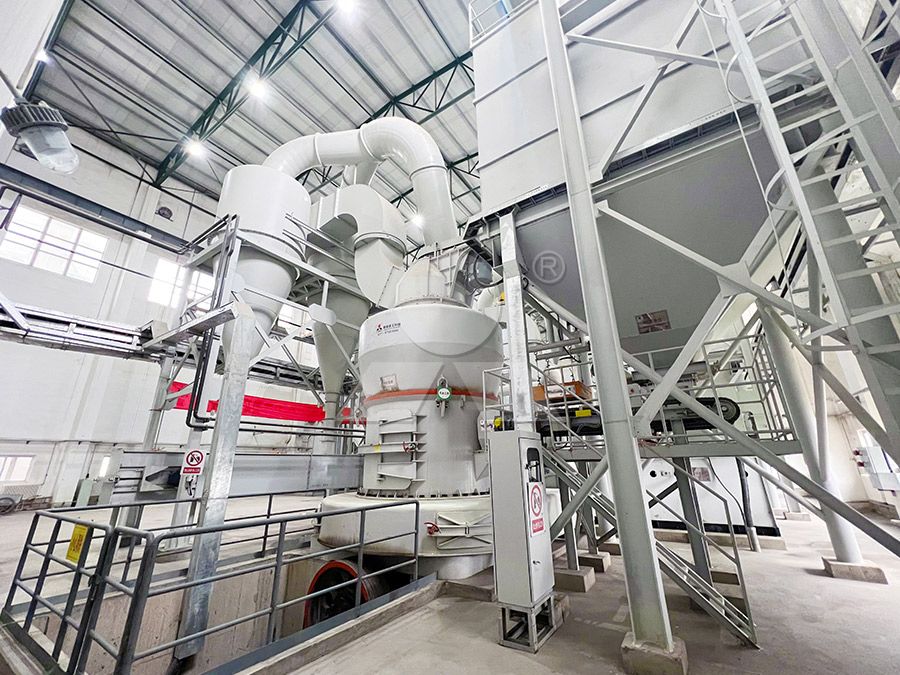
For operations with space constraints or specific workflow requirements, our LUM Ultrafine Vertical Grinding Mill presents an excellent alternative. This compact system handles 0-10 mm input material with 5-18 tph capacity, incorporating the latest Taiwanese grinding roller technology and German powder separation systems. Its unique double position-limiting technology provides exceptional stability during operation, while the reversible structure simplifies maintenance procedures.
The LUM design specifically addresses common industry problems including materials’ long lingering time, repeated grinding, and iron contamination. The specially designed roller shell and lining plate grinding curve promotes efficient material layer formation, enabling high finished product rates through single-pass processing. This approach significantly enhances whiteness and cleanliness—critical factors for premium pumice applications.
Strategic Investment Considerations
When evaluating pumice grinding mill options, adopt a comprehensive perspective that considers the total cost of ownership rather than just the purchase price. The slightly higher initial investment in advanced technology like our MW or LUM series typically delivers returns through reduced energy consumption (30-50% savings), lower maintenance costs, and higher product quality that commands premium pricing.
Operational flexibility represents another crucial consideration. The ability to adjust fineness between 325-2500 meshes without hardware changes provides significant strategic advantages as market demands evolve. Similarly, systems that can process various materials beyond pumice offer valuable diversification potential.
Frequently Asked Questions
What is the typical price range for a quality pumice grinding mill?
Quality industrial-grade pumice grinding mills range from approximately $80,000 for basic models to over $300,000 for high-capacity, advanced systems with full automation and environmental controls. The MW Ultrafine Grinding Mill typically falls in the $150,000-$250,000 range depending on configuration.
How does pumice’s abrasiveness affect mill selection and pricing?
Pumice’s high abrasiveness necessitates more durable construction materials and specialized designs, typically increasing equipment costs by 15-25% compared to mills for less abrasive materials. However, this premium is offset by significantly longer component life and reduced maintenance expenses.
What operational costs beyond the purchase price should I consider?
Key operational costs include energy consumption (typically 30-50% of operating cost), maintenance and spare parts (15-25%), labor (10-20%), and environmental compliance (5-10%). Advanced systems like the MW Series optimize all these factors through innovative engineering.
How important is after-sales support when selecting a grinding mill supplier?
Extremely important. Quality technical support and genuine spare parts availability can reduce downtime by up to 70%. We maintain comprehensive service networks and substantial spare parts inventories to ensure worry-free operation for all our clients.