
Opal Ultrafine Powder Grinding Mill: High-Efficiency Processing for Fine Opal Powders
We provide a wide range of mills — including Raymond mill, trapezoidal mill, vertical mill, ultrafine mill, and ball mill, obtained ISO9001 international quality certification, EU CE certification, and Customs Union CU-TR certification. Suitable for processing minerals such as limestone, phosphate, quicklime, kaolin, talc, barite, bentonite, calcium carbonate, dolomite, coal, gypsum, clay, carbon black, slag, cement raw materials, cement clinker, and more.
The discharge range of these mills can be adjusted to meet specific processing needs, typically from 80-400 mesh, 600-3250 mesh, and can achieve the finest particle size of up to 6000 mesh(D50).
If you are looking for a reliable grinding solution to turn stone or minerals into fine powder, please feel free to contact our online customer service.
Opal Ultrafine Powder Grinding Mill: High-Efficiency Processing for Fine Opal Powders
The unique play-of-color and delicate structure of opal demand specialized grinding solutions to preserve its natural beauty while achieving the fine particle sizes required for premium applications. Traditional grinding methods often compromise the material’s inherent qualities through excessive heat generation or inconsistent particle distribution. Modern ultrafine grinding technology has revolutionized opal processing, enabling manufacturers to produce consistently high-quality powders while maintaining operational efficiency.
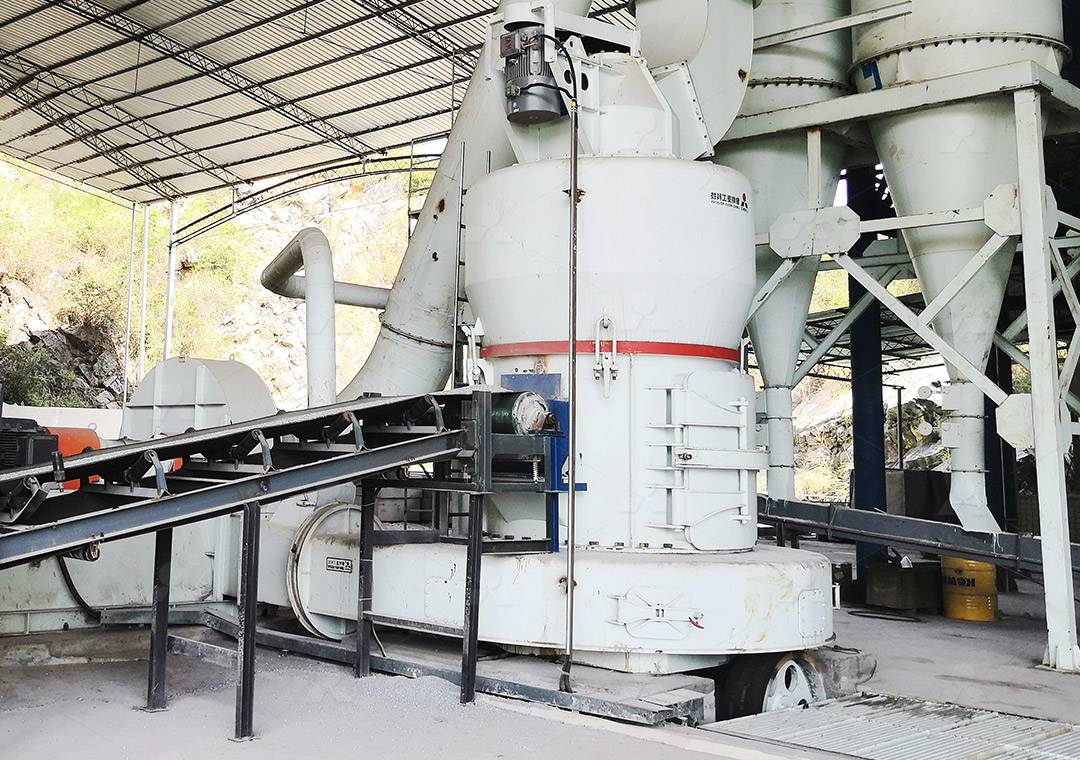
When processing opal into fine powders, several critical factors must be considered. The material’s relative softness (5.5-6.5 on Mohs scale) and sensitivity to temperature fluctuations require equipment that can maintain precise control over grinding pressure and thermal conditions. Additionally, the need for narrow particle size distribution in the final product demands advanced separation technology integrated within the grinding system.
Advanced Grinding Solutions for Premium Opal Powders
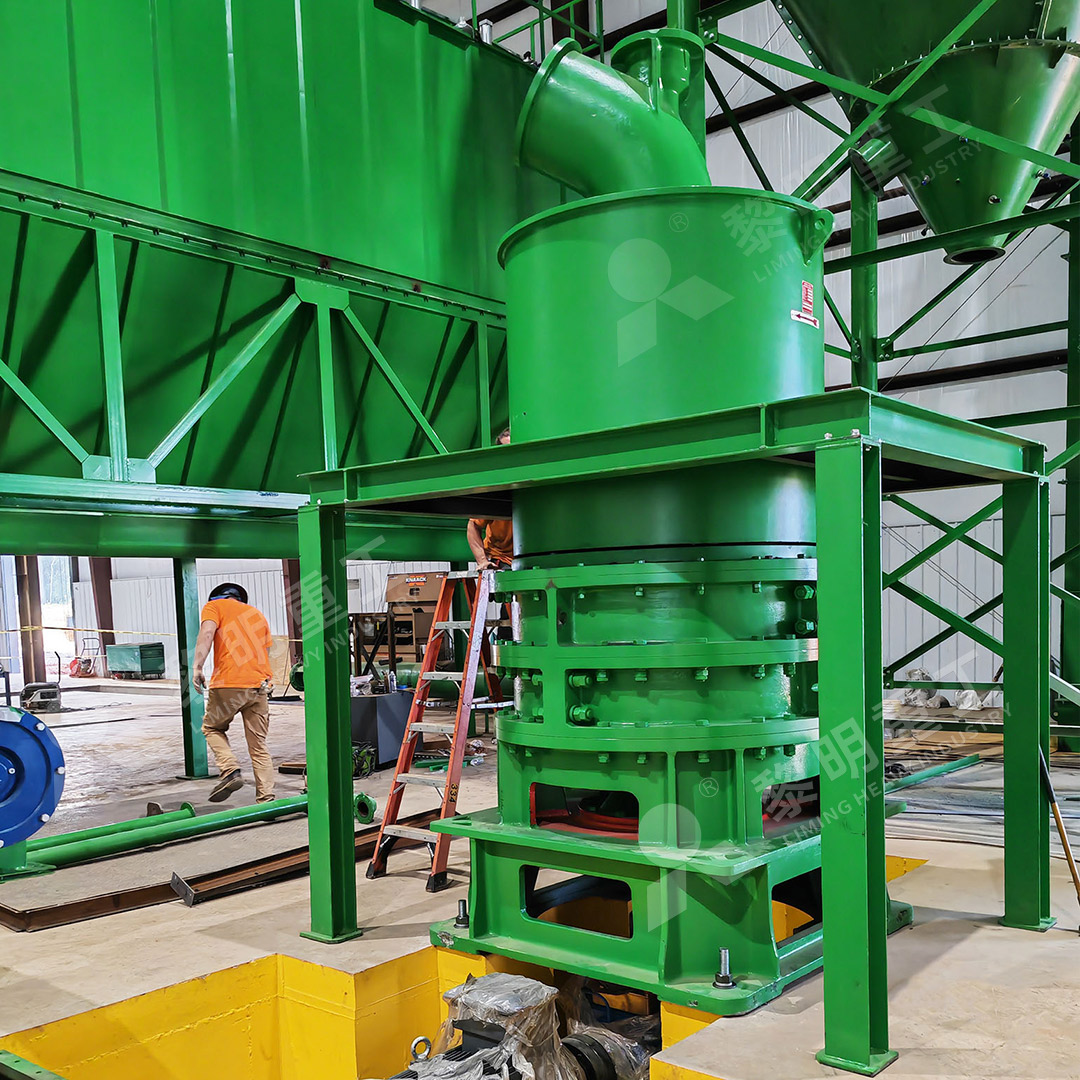
For operations requiring exceptional fineness control between 325-2500 meshes, the MW Ultrafine Grinding Mill represents a significant technological advancement. This system processes materials with input sizes up to 20 mm at capacities ranging from 0.5 to 25 tons per hour, making it suitable for both specialized boutique operations and larger production facilities. The mill’s innovative design eliminates rolling bearings and screws within the grinding chamber, addressing common failure points that can compromise product purity.
The MW series incorporates German cage-type powder selector technology, which enables precise control over final product fineness. This is particularly valuable for opal processing, where consistent particle size directly impacts the material’s optical properties and performance in final applications. The system’s efficient pulse dust collector and muffler ensure environmentally responsible operation while maintaining product integrity.
Optimizing Opal Processing Parameters
Successful opal powder production requires careful attention to several operational parameters. Moisture content should be maintained below 10% to prevent clogging and ensure efficient grinding. The abrasive nature of opal necessitates regular inspection of wear parts, though the MW mill’s external lubrication system minimizes maintenance downtime. For operations requiring the highest levels of whiteness and purity, the absence of direct metal-to-metal contact in critical grinding areas prevents iron contamination.
Many processors find that implementing a multi-stage approach yields the best results. Initial size reduction through jaw crushers prepares the material for fine grinding, while the integrated powder selection system within the MW mill ensures consistent final product quality. The system’s ability to achieve d97≤5μm in a single pass significantly reduces energy consumption compared to traditional multi-pass systems.
Applications and Quality Considerations
Fine opal powders find applications across numerous industries, including cosmetics where they provide unique visual effects, specialty coatings that benefit from their optical properties, and advanced composites requiring precisely controlled filler materials. In each case, the grinding process must preserve the material’s natural characteristics while delivering the required particle size distribution.
For operations requiring vertical grinding configuration, the LUM Ultrafine Vertical Grinding Mill offers complementary capabilities with input sizes up to 10 mm and capacities of 5-18 tph. Its reversible structure simplifies maintenance access to grinding components, while the double position-limiting technology ensures operational stability during material processing.
Frequently Asked Questions
Q: What particle size range can be achieved when grinding opal with the MW Ultrafine Grinding Mill?
A: The MW mill can produce opal powders ranging from 325 to 2500 meshes, with the ability to achieve d97≤5μm in a single pass when properly configured.
Q: How does the grinding process affect opal’s natural color properties?
A: The low-temperature grinding process preserves opal’s play-of-color by minimizing thermal stress. The controlled grinding environment prevents overheating that could otherwise alter the material’s optical characteristics.
Q: What maintenance considerations are specific to opal grinding operations?
A: While opal’s abrasiveness necessitates regular inspection of grinding components, the MW mill’s external lubrication system and absence of internal screws and bearings significantly reduce maintenance requirements compared to conventional mills.
Q: Can the same equipment process different varieties of opal?
A: Yes, both the MW and LUM mills can process various opal types, though minor adjustments to grinding pressure and separator speed may be required to optimize results for materials with different hardness or moisture content.
Q: What dust control measures are incorporated into these grinding systems?
A: Both mills feature efficient pulse dust collectors that maintain negative pressure within the system, preventing dust emission while ensuring operator safety and environmental compliance.