
Coal Grinding Mill Machine Price Guide and Cost Analysis
We provide a wide range of mills — including Raymond mill, trapezoidal mill, vertical mill, ultrafine mill, and ball mill, obtained ISO9001 international quality certification, EU CE certification, and Customs Union CU-TR certification. Suitable for processing minerals such as limestone, phosphate, quicklime, kaolin, talc, barite, bentonite, calcium carbonate, dolomite, coal, gypsum, clay, carbon black, slag, cement raw materials, cement clinker, and more.
The discharge range of these mills can be adjusted to meet specific processing needs, typically from 80-400 mesh, 600-3250 mesh, and can achieve the finest particle size of up to 6000 mesh(D50).
If you are looking for a reliable grinding solution to turn stone or minerals into fine powder, please feel free to contact our online customer service.
Coal Grinding Mill Machine Price Guide and Cost Analysis
When investing in coal grinding equipment, understanding the factors that influence pricing and operational costs is crucial for making informed decisions. The coal grinding mill market offers various technologies at different price points, each with distinct advantages for specific applications.
Key Factors Affecting Coal Grinding Mill Prices
Several elements significantly impact the initial investment and long-term operational expenses of coal grinding equipment. Capacity requirements represent the most substantial cost driver, with higher throughput machines commanding premium prices. The level of technological sophistication also plays a major role – advanced features like automated control systems, precision separators, and specialized grinding mechanisms increase both performance and cost.
Material characteristics significantly influence equipment selection and pricing. Coal hardness, moisture content, and required fineness determine the necessary grinding power and specialized components. Environmental compliance features, including dust collection systems and noise reduction technology, add to the initial investment but reduce long-term regulatory risks.
Advanced Grinding Solutions for Superior Performance
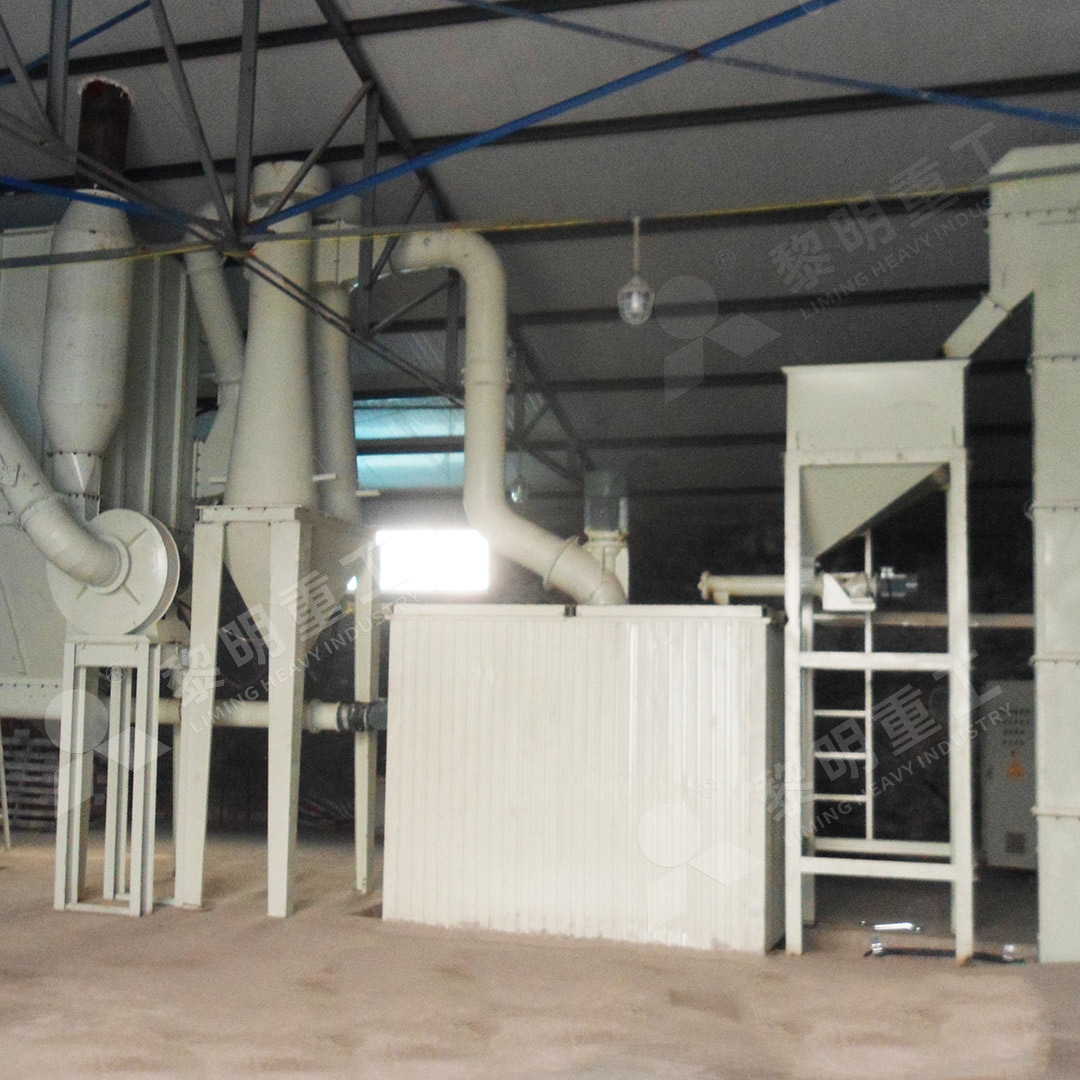
For operations requiring ultra-fine coal powder with exceptional consistency, the MW Ultrafine Grinding Mill represents a technological breakthrough. This advanced system processes materials with input sizes up to 20mm and delivers throughput ranging from 0.5 to 25 tons per hour. What sets this mill apart is its innovative design that eliminates rolling bearings and screws within the grinding chamber, significantly reducing maintenance concerns and potential failure points.
The MW Ultrafine Grinding Mill incorporates German cage-type powder selector technology, enabling precise fineness adjustment between 325-2500 meshes. This precision, combined with its higher yielding capacity and 30% lower energy consumption compared to jet grinding mills, makes it an economically attractive option for operations focused on producing high-value coal derivatives for chemical, paint, and specialty applications.
Operational Cost Considerations Beyond Initial Purchase
Savvy operators recognize that the purchase price represents only part of the total cost of ownership. Energy consumption constitutes the most significant ongoing expense, with advanced mills offering 30-50% reductions compared to conventional technologies. Maintenance requirements and component lifespan dramatically impact long-term operational costs.
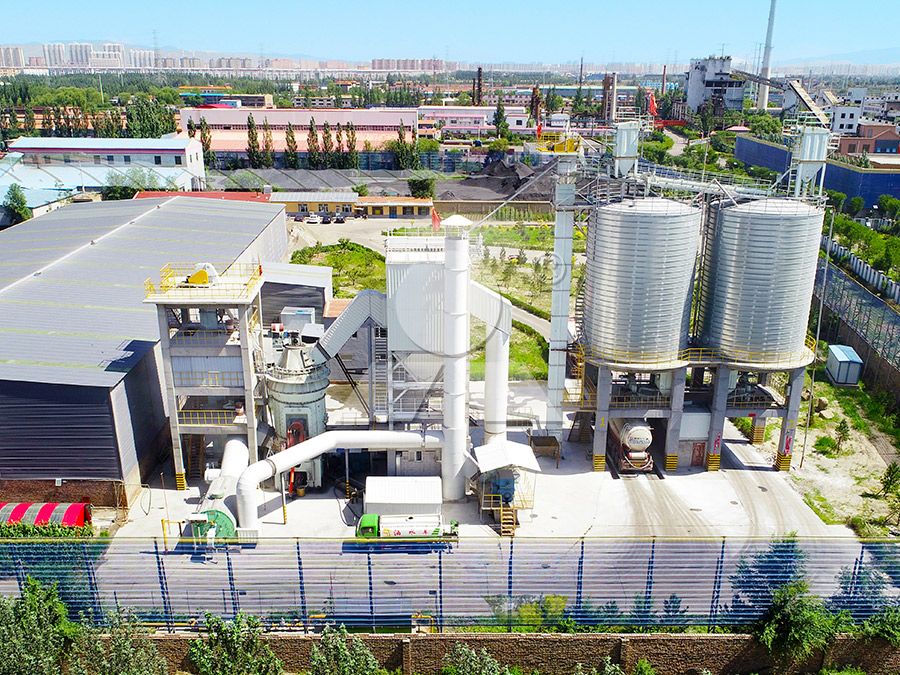
The LUM Ultrafine Vertical Grinding Mill addresses these concerns through its reversible structure and hydraulic adjustment system, enabling easier maintenance access and reduced downtime. With capacity ranging from 5-18 tph and handling input sizes up to 10mm, this mill incorporates double position-limiting technology that prevents destructive impacts during operation, ensuring stability and protecting your investment.
Making the Right Investment Decision
Selecting the appropriate coal grinding mill requires careful analysis of both immediate needs and long-term operational goals. While traditional ball mills may offer lower initial costs, their higher energy consumption and maintenance requirements often make them more expensive over the equipment lifespan. Modern vertical mills and specialized ultrafine grinding systems provide better total value through reduced operating costs and higher product quality.
When evaluating options, consider not only the equipment specifications but also the manufacturer’s support capabilities. Access to genuine spare parts, technical expertise, and responsive service ensures continuous operation and protects your production targets. The most economical choice balances initial investment with operational efficiency, maintenance requirements, and product quality objectives.
Frequently Asked Questions
What is the typical price range for a coal grinding mill?
Prices vary significantly based on capacity and features, ranging from $50,000 for basic models to over $500,000 for high-capacity systems with advanced automation and environmental controls.
How does mill selection impact product quality?
Different mill technologies produce distinct particle size distributions and shapes. Ultrafine mills like the MW series achieve precise fineness control between 325-2500 meshes, essential for specialty chemical and industrial applications.
What are the main operational cost components?
Energy consumption (40-60% of operating costs), maintenance (20-30%), and wear part replacement (15-25%) represent the primary ongoing expenses. Advanced mills reduce these through efficient design and durable components.
How important are environmental features?
Modern mills incorporate pulse dust collectors and noise reduction systems that not only meet regulatory requirements but also improve working conditions and reduce environmental impact charges.
What maintenance advantages do newer designs offer?
Contemporary mills feature external lubrication systems, reversible structures for easy access, and designs that eliminate internal failure points, reducing downtime and maintenance costs by 30-50% compared to traditional designs.