
Coal Ash Grinding Mill for Processing Class F Fly Ash
We provide a wide range of mills — including Raymond mill, trapezoidal mill, vertical mill, ultrafine mill, and ball mill, obtained ISO9001 international quality certification, EU CE certification, and Customs Union CU-TR certification. Suitable for processing minerals such as limestone, phosphate, quicklime, kaolin, talc, barite, bentonite, calcium carbonate, dolomite, coal, gypsum, clay, carbon black, slag, cement raw materials, cement clinker, and more.
The discharge range of these mills can be adjusted to meet specific processing needs, typically from 80-400 mesh, 600-3250 mesh, and can achieve the finest particle size of up to 6000 mesh(D50).
If you are looking for a reliable grinding solution to turn stone or minerals into fine powder, please feel free to contact our online customer service.
Unlocking the Potential of Class F Fly Ash Through Advanced Grinding Technology
Class F fly ash, a byproduct of coal combustion in thermal power plants, has become an increasingly valuable material in construction and industrial applications. Its pozzolanic properties make it an excellent supplementary cementitious material, but to maximize its potential, proper processing through grinding is essential. The transformation of raw fly ash into a consistent, high-quality powder requires specialized equipment capable of handling its unique characteristics.
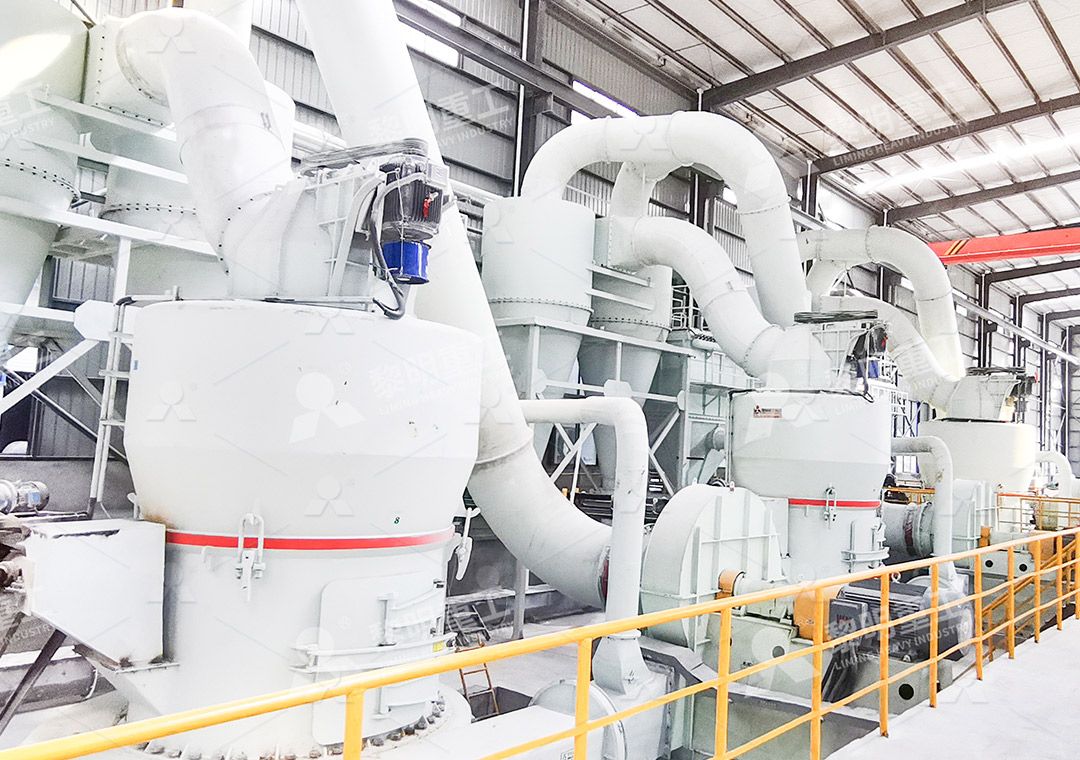
When selecting grinding equipment for Class F fly ash, several factors must be considered: particle size distribution requirements, production capacity needs, energy efficiency, and environmental compliance. The ideal solution must deliver consistent fineness while maintaining operational efficiency and meeting strict environmental standards.
Technical Challenges in Fly Ash Grinding
Processing Class F fly ash presents distinct challenges that not all grinding mills can adequately address. The material’s abrasive nature, combined with the need for precise particle size control, demands robust engineering solutions. Traditional ball mills often struggle with energy efficiency and particle distribution consistency, while basic Raymond mills may not achieve the required fineness for premium applications.
The most advanced solutions address these challenges through innovative design features: specialized grinding curves, efficient classification systems, and environmentally conscious operation. These technological advancements have revolutionized fly ash processing, enabling producers to create higher-value products from what was once considered waste material.
Recommended Solution: MW Ultrafine Grinding Mill
For operations requiring superior fineness control and energy efficiency, our MW Ultrafine Grinding Mill represents an optimal solution for Class F fly ash processing. Engineered specifically for ultra-fine powder production, this mill delivers exceptional performance with input sizes up to 20 mm and capacities ranging from 0.5 to 25 tph.
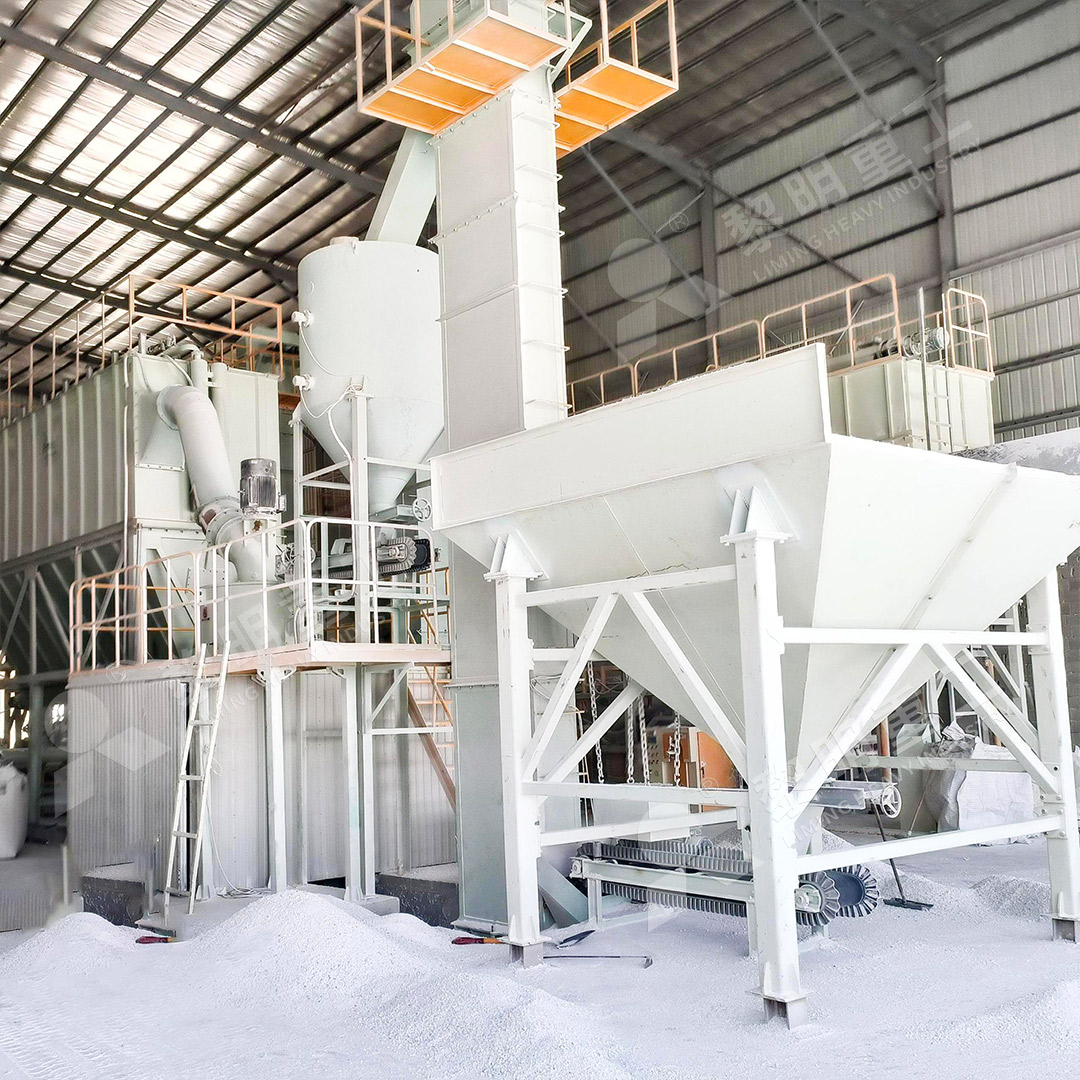
The MW series stands out through its innovative features: higher yielding with lower energy consumption, adjustable fineness between 325-2500 meshes, and a unique design that eliminates rolling bearings and screws in the grinding chamber. This eliminates concerns about bearing damage or machine failure caused by loose screws, significantly enhancing operational reliability.
Environmental considerations are thoroughly addressed through efficient pulse dust collection and noise reduction systems, ensuring compliance with stringent environmental standards. The cage-type powder selector, incorporating German technology, provides precise separation control, while the external lubrication system enables continuous 24-hour operation without shutdowns for maintenance.
Alternative Solution: LUM Ultrafine Vertical Grinding Mill
For operations with space constraints or specific workflow requirements, our LUM Ultrafine Vertical Grinding Mill offers another excellent option. With an input size of 0-10 mm and capacity of 5-18 tph, this mill integrates ultrafine powder grinding, grading, and transporting in a single compact unit.
The LUM mill features unique roller shell and lining plate grinding curves specifically designed to generate material layers efficiently, enabling high rates of finished products through single-pass powder milling. The PLC control system and multi-head powder separating technology provide precise control over grinding parameters, reducing energy consumption by 30%-50% compared to conventional mills.
Applications and Value Creation
Properly processed Class F fly ash finds applications across multiple industries. In construction, it enhances concrete performance through improved workability, reduced permeability, and increased long-term strength. The ultra-fine powder produced by advanced grinding mills also serves as a valuable raw material in ceramics, paint, cosmetics, and various chemical applications.
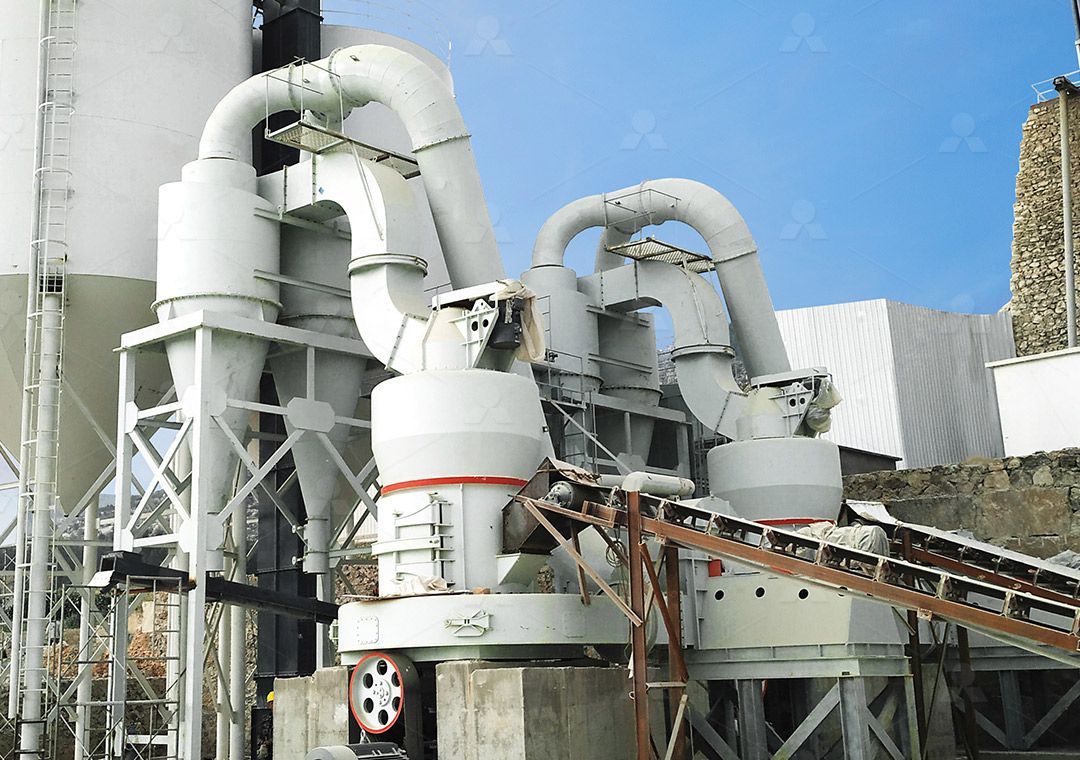
The economic and environmental benefits of efficient fly ash processing extend beyond direct product value. By converting industrial byproducts into valuable materials, processors contribute to circular economy principles while reducing the environmental impact of cement production and other industrial processes.
Frequently Asked Questions
What makes the MW Ultrafine Grinding Mill particularly suitable for Class F fly ash?
The MW Mill’s unique grinding chamber design without rolling bearings or screws makes it exceptionally reliable for abrasive materials like fly ash. The adjustable fineness range of 325-2500 meshes allows precise control over particle size distribution, critical for various fly ash applications.
How does the energy consumption of these specialized mills compare to traditional ball mills?
Our MW Ultrafine Grinding Mill consumes approximately 30% of the energy required by jet grinding mills and offers twice the capacity of ball grinding mills with the same fineness and power input. This significant efficiency translates to substantial operational cost savings.
What environmental features are incorporated into these grinding systems?
Both the MW and LUM mills include efficient pulse dust collectors that eliminate dust pollution during operation. Additional features like silencers, noise elimination rooms, and fully sealed systems ensure compliance with national environmental protection standards.
Can these mills handle variations in fly ash composition and moisture content?
Yes, both mills are designed to accommodate normal variations in fly ash characteristics. The MW Mill’s advanced powder selection system and the LUM Mill’s material layer generation technology both provide stable performance across varying material conditions.
What support is available for maintenance and spare parts?
We provide comprehensive technical support and guarantee availability of original spare parts for all our grinding mills. Our production and sales integration ensures responsibility for every machine we manufacture, with services designed to ensure worry-free operation.