
Barium Feldspar European Version Grinding Mill for Fine Powder Production
We provide a wide range of mills — including Raymond mill, trapezoidal mill, vertical mill, ultrafine mill, and ball mill, obtained ISO9001 international quality certification, EU CE certification, and Customs Union CU-TR certification. Suitable for processing minerals such as limestone, phosphate, quicklime, kaolin, talc, barite, bentonite, calcium carbonate, dolomite, coal, gypsum, clay, carbon black, slag, cement raw materials, cement clinker, and more.
The discharge range of these mills can be adjusted to meet specific processing needs, typically from 80-400 mesh, 600-3250 mesh, and can achieve the finest particle size of up to 6000 mesh(D50).
If you are looking for a reliable grinding solution to turn stone or minerals into fine powder, please feel free to contact our online customer service.
Unlocking the Potential of Barium Feldspar with Advanced Grinding Technology
Barium feldspar, a crucial industrial mineral valued for its chemical stability and unique physical properties, presents specific challenges in fine powder processing. Traditional grinding equipment often struggles to achieve the precise particle size distribution and purity levels required for high-value applications in ceramics, glass manufacturing, and filler industries. The quest for optimal processing solutions has led to significant advancements in grinding mill technology, particularly European-designed mills that combine precision engineering with operational efficiency.
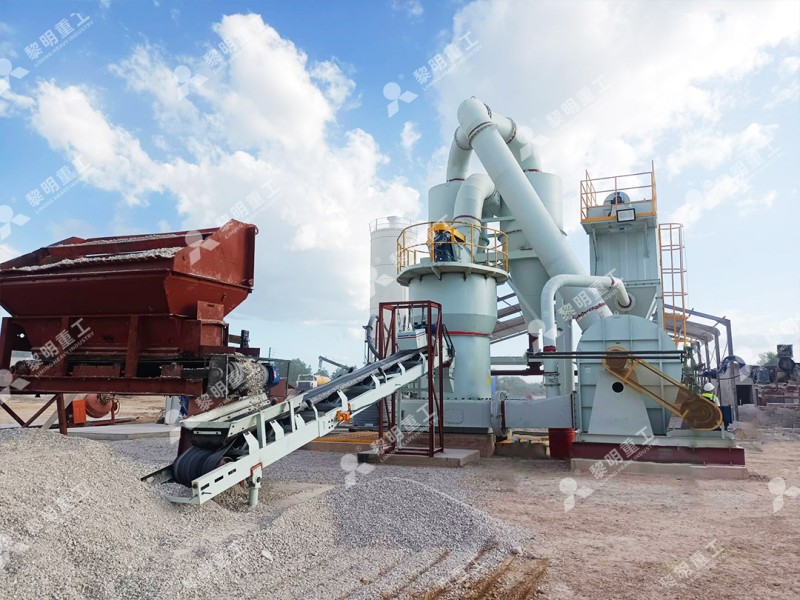
The transformation of raw barium feldspar into high-quality fine powder demands equipment capable of maintaining consistent particle size while minimizing contamination. Conventional mills frequently introduce iron pollution during the grinding process, compromising the material’s whiteness and chemical purity – critical factors determining end-product quality. Furthermore, energy consumption represents a substantial portion of operational costs in mineral processing, making efficiency a paramount consideration for modern production facilities.
Technical Considerations for Barium Feldspar Processing
Successful barium feldspar milling requires addressing several technical challenges simultaneously. The material’s moderate hardness (approximately 6-6.5 on Mohs scale) and cleavage characteristics necessitate grinding systems that can generate both impact and compression forces. Additionally, the target fineness for many barium feldspar applications ranges from 325 to 2500 meshes, demanding precise classification capabilities often beyond the scope of conventional grinding systems.
Moisture content presents another significant factor, as excessive humidity can lead to clogging and reduced throughput. Modern grinding approaches incorporate integrated drying systems that maintain optimal processing conditions without requiring separate drying equipment, thereby streamlining operations and reducing capital investment.
Advanced Mill Solutions for Superior Results
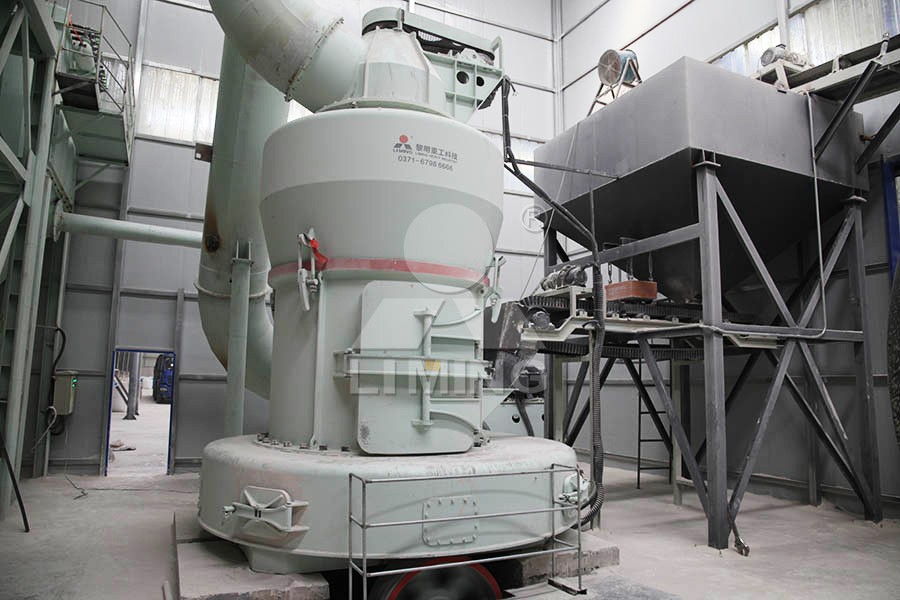
Among the available technologies, our MW Ultrafine Grinding Mill stands out as an exceptional solution for barium feldspar processing. Engineered specifically for ultra-fine powder production, this mill achieves fineness between 325-2500 meshes with remarkable consistency. The innovative design eliminates rolling bearings and screws within the grinding chamber, addressing common failure points that plague conventional mills. With an input size capability of 0-20 mm and throughput ranging from 0.5 to 25 tph, the MW series accommodates various production requirements while reducing system energy consumption by approximately 30% compared to jet milling alternatives.
The integration of German cage-type powder selector technology ensures precise particle separation, achieving screening rates of d97≤5μm in a single pass. This precision directly translates to improved product quality and reduced reprocessing requirements. Furthermore, the mill’s efficient pulse dust collector and muffler system maintain operational cleanliness and noise control, addressing environmental considerations without compromising performance.
Operational Advantages in Real-World Applications
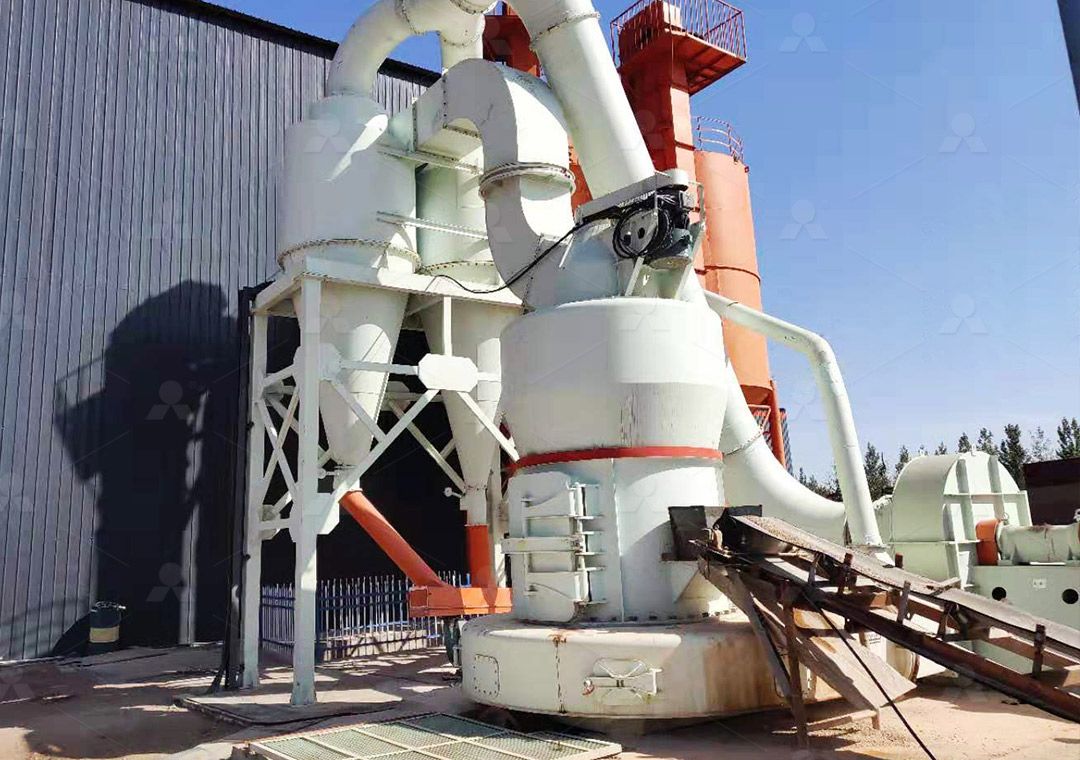
Field implementations demonstrate significant benefits when processing barium feldspar with advanced European-designed mills. Production facilities report yield increases of up to 40% compared to traditional grinding approaches, alongside substantial reductions in specific energy consumption. The absence of direct metal-to-metal contact between grinding components virtually eliminates iron contamination, preserving the material’s natural whiteness and chemical integrity.
Maintenance requirements show notable improvement through strategic design innovations. External lubrication systems enable continuous operation without shutdowns for maintenance, while the simplified internal structure reduces wear part inventory and replacement complexity. These factors collectively contribute to higher operational availability and reduced total cost of ownership.
Future Directions in Mineral Processing Technology
The evolution of grinding technology continues to focus on intelligent automation, energy optimization, and environmental compatibility. Modern mills increasingly incorporate digital monitoring systems that track operational parameters in real-time, enabling predictive maintenance and consistent product quality. The integration of IoT capabilities allows remote operation and optimization, reducing labor requirements while enhancing process control.
As environmental regulations become more stringent, the industry’s emphasis on clean, efficient processing will undoubtedly grow. Advanced grinding systems that minimize dust emissions, reduce noise pollution, and optimize energy utilization represent not just operational improvements but essential adaptations to evolving industrial standards.
Frequently Asked Questions
What makes barium feldspar particularly challenging to process?
Barium feldspar requires careful processing to maintain its chemical purity and achieve the narrow particle size distribution demanded by premium applications. Traditional mills often introduce contamination and struggle with precise classification in the ultra-fine range.
How does the MW Ultrafine Grinding Mill address iron contamination concerns?
The mill’s innovative chamber design eliminates rolling bearings and screws that typically generate metallic wear debris. Combined with specialized wear-resistant materials in grinding components, this approach minimizes iron introduction during processing.
What operational benefits can I expect when switching to advanced grinding technology?
Facilities typically experience 30-50% reduction in energy consumption, 40% higher throughput, significantly reduced maintenance requirements, and improved product quality with more consistent particle size distribution.
Can the same equipment process other industrial minerals?
Yes, these advanced grinding systems effectively process various non-metallic minerals including limestone, calcite, dolomite, talc, and barite, making them versatile investments for mineral processing operations.