
91 Mg Dir and Boards of Industrial Mills in Indonesia: A Complete Guide
We provide a wide range of mills — including Raymond mill, trapezoidal mill, vertical mill, ultrafine mill, and ball mill, obtained ISO9001 international quality certification, EU CE certification, and Customs Union CU-TR certification. Suitable for processing minerals such as limestone, phosphate, quicklime, kaolin, talc, barite, bentonite, calcium carbonate, dolomite, coal, gypsum, clay, carbon black, slag, cement raw materials, cement clinker, and more.
The discharge range of these mills can be adjusted to meet specific processing needs, typically from 80-400 mesh, 600-3250 mesh, and can achieve the finest particle size of up to 6000 mesh(D50).
If you are looking for a reliable grinding solution to turn stone or minerals into fine powder, please feel free to contact our online customer service.
Navigating Industrial Leadership in Indonesia’s Milling Sector
Serving as a 91 Mg Dir (Managing Director) or board member for industrial mills in Indonesia requires navigating complex operational challenges while driving profitability in a competitive market. The country’s rapidly expanding manufacturing sector demands leaders who can balance production efficiency with environmental compliance and cost management.
Industrial milling operations face persistent challenges in achieving optimal particle size distribution while controlling operational expenses. The selection of appropriate grinding technology directly impacts both product quality and bottom-line performance. Forward-thinking executives are increasingly looking toward advanced milling solutions that offer superior efficiency and reliability.
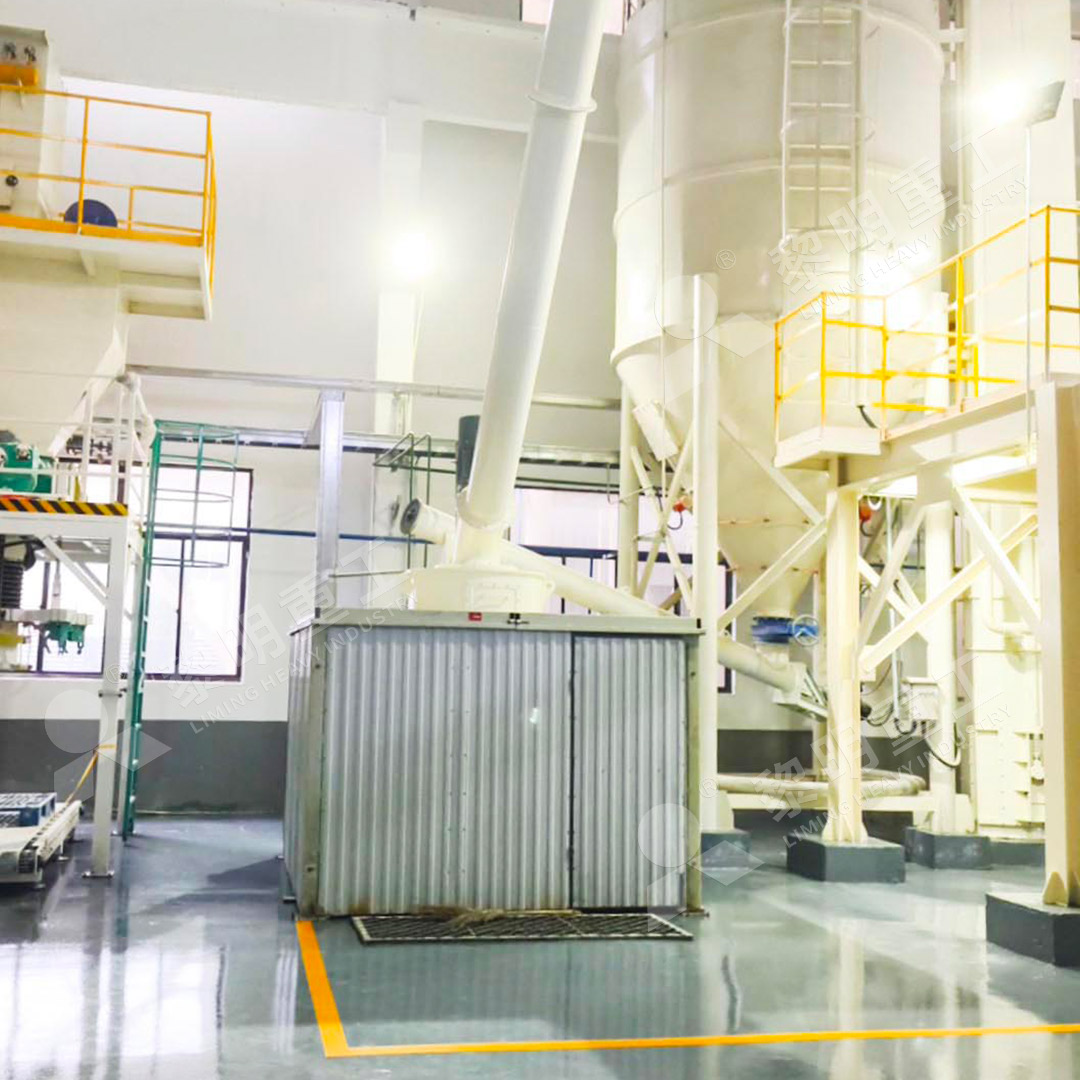
Strategic Equipment Selection for Competitive Advantage
Modern milling operations require equipment that delivers consistent performance across varying material types and production demands. The MW Ultrafine Grinding Mill represents a significant advancement in this space, particularly for operations requiring ultra-fine powder production. With an input size capacity of 0-20 mm and throughput ranging from 0.5 to 25 tph, this system accommodates diverse production requirements while maintaining precision output.
What sets the MW Ultrafine Grinding Mill apart is its innovative design that eliminates rolling bearings and screws within the grinding chamber. This engineering decision directly addresses one of the most common maintenance challenges in milling operations—bearing failure and loose fasteners causing unexpected downtime. The external lubrication system enables continuous 24-hour operation, a critical feature for mills operating in Indonesia’s round-the-clock manufacturing environment.
Environmental Compliance and Community Relations
Indonesian industrial operations face increasing scrutiny regarding environmental impact. The integrated pulse dust collector and muffler system in the MW Ultrafine Grinding Mill demonstrates how modern equipment can achieve production goals while meeting stringent environmental standards. The system’s ability to operate with minimal dust emission and noise pollution is particularly valuable in regions with close proximity to residential areas.
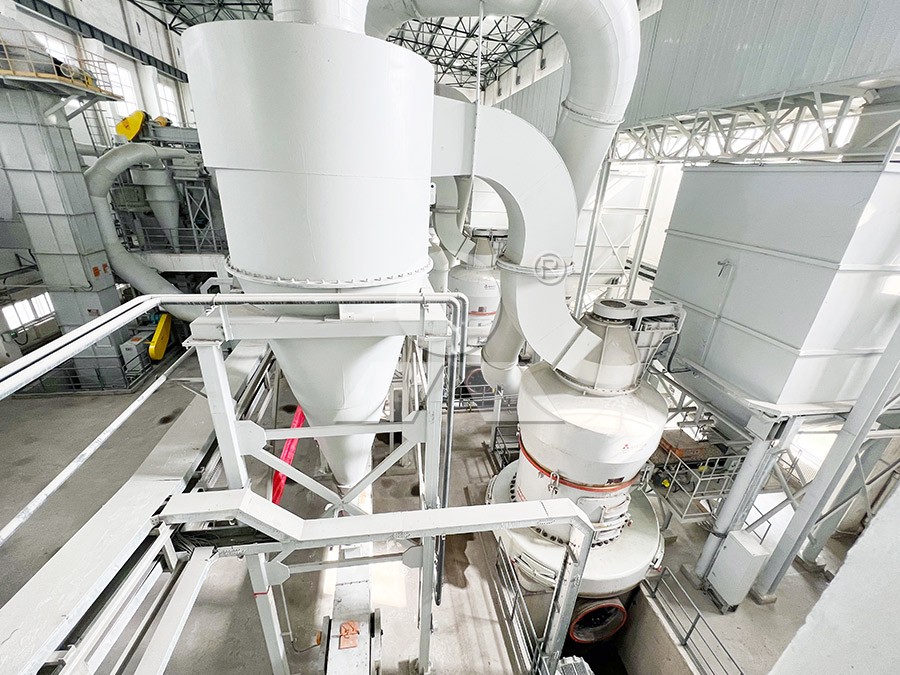
Operational Efficiency Through Advanced Technology
The cage-type powder selector in the MW Ultrafine Grinding Mill, incorporating German technology, allows precise adjustment of product fineness between 325-2500 meshes. This flexibility enables mills to quickly adapt to changing customer requirements without significant equipment modification. The demonstrated 40% higher production capacity compared to jet grinding mills, coupled with 30% lower system energy consumption, directly addresses the cost pressures facing Indonesian industrial operations.
For operations requiring different specifications, the LUM Ultrafine Vertical Grinding Mill offers complementary capabilities with its 0-10 mm input size and 5-18 tph capacity. Its reversible structure simplifies maintenance procedures, while the double position-limiting technology ensures operational stability—critical considerations for remote operations where technical support may not be immediately available.
Strategic Implementation Considerations
Successful integration of advanced milling technology requires careful planning around workforce training, spare parts inventory, and process adaptation. The comprehensive technical support and original spare parts availability for both the MW and LUM grinding mills provide assurance to management teams implementing these systems in the Indonesian context.
Frequently Asked Questions
What maintenance advantages does the MW Ultrafine Grinding Mill offer for operations in remote Indonesian locations?
The absence of rolling bearings and screws in the grinding chamber significantly reduces maintenance requirements. The external lubrication system allows for lubrication without shutdown, minimizing downtime in areas where technical support may be limited.
How does the equipment address Indonesia’s environmental regulations?
The integrated pulse dust collector ensures no dust pollution during operation, while the silencer and noise elimination room reduce acoustic impact. The system is designed to meet national environmental protection standards.
What materials can be processed effectively with these grinding mills?
Both the MW and LUM mills handle various materials including limestone, calcite, dolomite, petroleum coal, gypsum, barite, marble, talc, and coal powder. They’re also suitable for chemical industry applications involving paint, cosmetics, medicine, and food additives.
How does the energy consumption compare to traditional milling equipment?
The MW Ultrafine Grinding Mill demonstrates 30% lower energy consumption compared to jet grinding mills, while the LUM Ultrafine Vertical Grinding Mill reduces energy consumption by 30%-50% compared to common grinding mills.
What technical support is available for operations in Indonesia?
Complete technical services and original spare parts support ensure worry-free operation, with responsive service networks established throughout major industrial regions in Indonesia.