
80-12 Mesh Quartz Sand Grinding Mill: Selection Guide and Price Analysis
We provide a wide range of mills — including Raymond mill, trapezoidal mill, vertical mill, ultrafine mill, and ball mill, obtained ISO9001 international quality certification, EU CE certification, and Customs Union CU-TR certification. Suitable for processing minerals such as limestone, phosphate, quicklime, kaolin, talc, barite, bentonite, calcium carbonate, dolomite, coal, gypsum, clay, carbon black, slag, cement raw materials, cement clinker, and more.
The discharge range of these mills can be adjusted to meet specific processing needs, typically from 80-400 mesh, 600-3250 mesh, and can achieve the finest particle size of up to 6000 mesh(D50).
If you are looking for a reliable grinding solution to turn stone or minerals into fine powder, please feel free to contact our online customer service.
80-12 Mesh Quartz Sand Grinding Mill: Selection Guide and Price Analysis
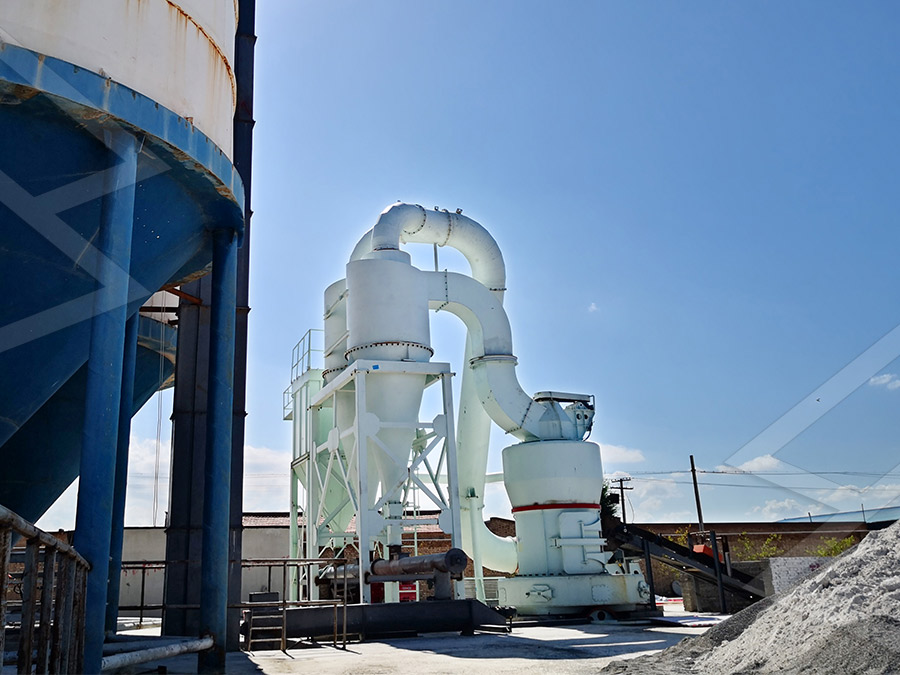
Quartz sand grinding represents a specialized process requiring precise equipment selection to achieve optimal particle distribution between 80 and 12 mesh (approximately 180-1700 microns). This comprehensive guide examines the critical factors influencing mill selection and provides detailed price analysis for various grinding solutions.
Understanding Quartz Sand Grinding Requirements
Quartz sand’s inherent hardness (7 on the Mohs scale) and chemical stability present unique challenges for grinding operations. The target particle size range of 80-12 mesh demands equipment capable of handling abrasive materials while maintaining consistent output quality. Production capacity requirements, energy efficiency considerations, and final product applications significantly influence the optimal mill selection.
When processing quartz sand, operators must consider the material’s tendency to cause wear on grinding components. The crystalline structure of quartz creates sharp edges during fracturing, which can accelerate component deterioration if not properly addressed through equipment design and material selection.
Key Selection Criteria for Quartz Sand Mills
Several technical factors dictate the appropriate grinding mill for quartz sand applications:
- Abrasion Resistance: Grinding components must withstand quartz’s abrasive nature through specialized alloys or design features that minimize direct contact
- Particle Size Control: The equipment must provide precise control over the final product distribution within the 80-12 mesh range
- Energy Efficiency: Grinding hard materials consumes significant energy, making operational costs a crucial consideration
- Maintenance Requirements: Easy access to wear parts and simplified maintenance procedures reduce downtime
- Environmental Considerations: Dust control and noise reduction features ensure compliance with environmental regulations
Recommended Solution: MW Ultrafine Grinding Mill
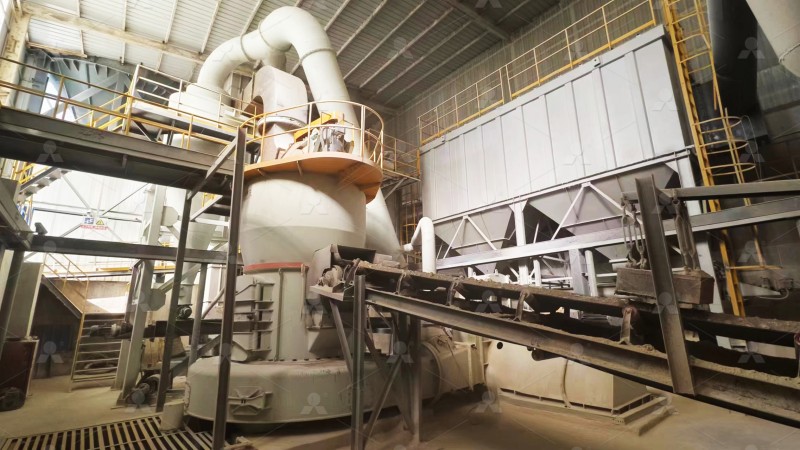
For operations requiring precise control within the 80-12 mesh range, the MW Ultrafine Grinding Mill represents an optimal solution. This advanced mill system handles input sizes up to 20mm with capacities ranging from 0.5 to 25 tons per hour, making it suitable for various production requirements.
The MW series incorporates several technological innovations specifically beneficial for quartz sand processing. Its newly designed grinding curves for rollers and rings enhance efficiency, achieving 40% higher production capacity compared to jet mills and double the output of ball mills with equivalent power consumption. The adjustable fineness between 325-2500 meshes provides exceptional flexibility for meeting specific customer requirements within the target range.
Notably, the MW Ultrafine Grinding Mill eliminates rolling bearings and screws within the grinding chamber, addressing a common failure point in abrasive applications. This design innovation prevents bearing damage and eliminates machine failures caused by loose fasteners, significantly improving reliability in quartz sand operations.
Alternative Solution: LUM Ultrafine Vertical Grinding Mill
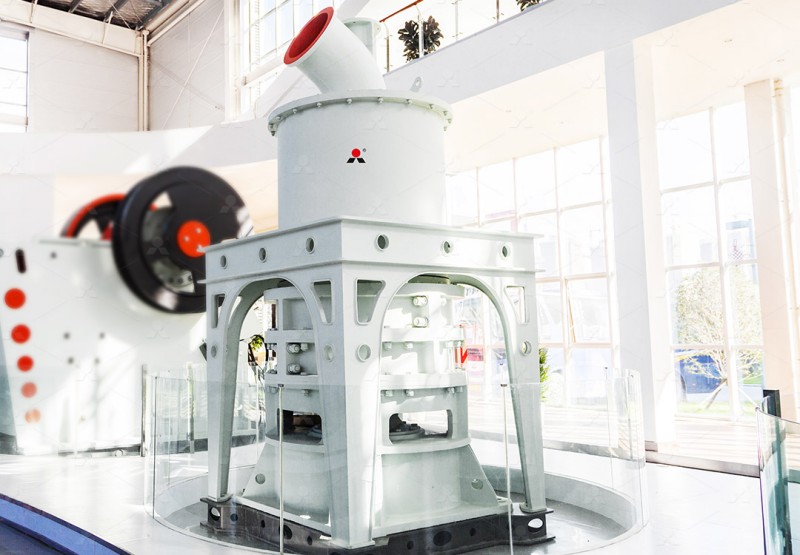
For operations with stricter space constraints or different feed size requirements, the LUM Ultrafine Vertical Grinding Mill offers another excellent option. With an input size capacity of 0-10mm and throughput of 5-18 tph, this mill integrates German powder separating technology with advanced Taiwanese roller designs.
The LUM series addresses common quartz grinding challenges through its unique roller shell and lining plate grinding curve, which facilitates material layer formation and enables high finished product rates through single-pass milling. The double position-limiting technology provides operational stability by preventing destructive impacts between grinding components during unexpected vibration events.
Price Analysis and Investment Considerations
Grinding mill pricing varies significantly based on capacity, features, and technological sophistication. For quartz sand applications in the 80-12 mesh range, equipment costs typically range from $50,000 for basic models to over $200,000 for fully-equipped systems with advanced automation and environmental controls.
The MW Ultrafine Grinding Mill represents a mid-to-upper investment range but delivers exceptional value through operational savings. Its energy consumption represents only 30% of comparable jet mills, while the absence of internal bearings and screws reduces maintenance costs by approximately 15-20% annually compared to conventional designs.
When evaluating total cost of ownership, consider these factors beyond initial purchase price:
- Wear Part Replacement: Quartz processing typically increases component wear rates; evaluate replacement costs and frequency
- Energy Consumption: Mills with higher efficiency may command premium prices but deliver long-term savings
- Operational Labor: Automated systems reduce staffing requirements but increase initial investment
- Environmental Compliance: Integrated dust collection systems may add to initial cost but prevent regulatory issues
Operational Best Practices for Quartz Sand Grinding
Maximizing mill performance with quartz sand requires attention to several operational parameters. Maintain consistent feed rates to prevent overloading and ensure optimal particle-on-particle grinding action. Monitor liner and roller wear regularly, as deteriorating components negatively impact particle size distribution and increase energy consumption.
For the MW Ultrafine Grinding Mill, leverage the external lubrication system to maintain optimal operating conditions without production interruptions. The external lubrication capability enables continuous 24-hour operation, significantly improving overall equipment effectiveness in high-volume quartz processing applications.
Conclusion
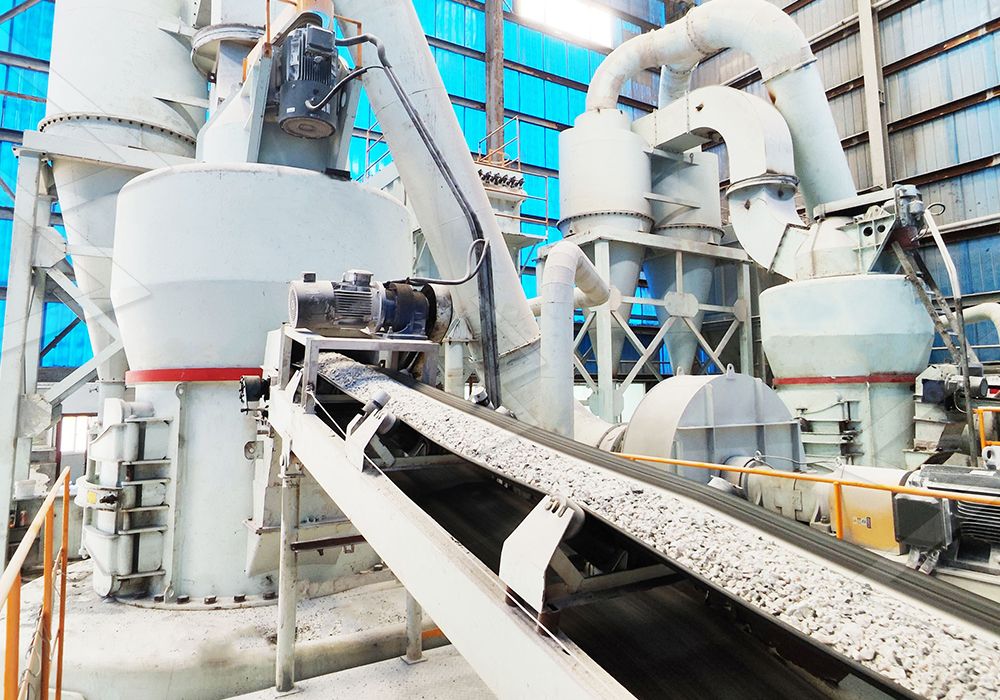
Selecting the appropriate grinding mill for 80-12 mesh quartz sand requires careful evaluation of technical requirements, operational constraints, and economic factors. The MW Ultrafine Grinding Mill stands out as a particularly suitable solution, offering the precise control, durability, and efficiency needed for successful quartz sand processing operations.
Frequently Asked Questions
What makes quartz sand particularly challenging to grind?
Quartz’s high hardness (7 Mohs) and crystalline structure create significant abrasion on grinding components. The material tends to fracture along sharp planes, accelerating wear on conventional mill parts unless specifically designed abrasion-resistant materials are employed.
How does the MW Ultrafine Grinding Mill achieve higher energy efficiency?
The MW mill incorporates optimized grinding curves for rollers and rings that enhance material reduction efficiency. Additionally, the absence of rolling bearings in the grinding chamber eliminates a significant source of energy loss, while the advanced powder selector reduces recirculation of adequately sized particles.
Can the same mill handle materials outside the 80-12 mesh range?
Yes, the MW Ultrafine Grinding Mill offers adjustable fineness between 325-2500 meshes, providing flexibility for various product requirements. Simple adjustments to the separator speed and grinding pressure enable production of different particle size distributions from the same equipment.
What maintenance advantages does the bearing-free design provide?
By eliminating rolling bearings and screws from the grinding chamber, the MW mill prevents two common failure points in abrasive applications. This design extends service intervals, reduces replacement part costs, and eliminates downtime associated with bearing failures or loose fasteners.
How significant are the environmental benefits of modern grinding mills?
Contemporary mills like the MW series incorporate efficient pulse dust collectors that typically capture 99.9% of particulate matter, while integrated silencers reduce operational noise by 20-30 decibels compared to conventional designs. These features ensure compliance with increasingly stringent environmental regulations.
What is the typical service life for wear components in quartz applications?
With proper operation and maintenance, grinding rollers and rings in the MW mill typically last 3,000-5,000 hours in continuous quartz sand service. The exact lifespan depends on quartz purity, feed size, and operating parameters, but represents a significant improvement over conventional mill designs.