
700 Mesh Trapezium Mill: High-Efficiency Grinding for Fine Powder Production
We provide a wide range of mills — including Raymond mill, trapezoidal mill, vertical mill, ultrafine mill, and ball mill, obtained ISO9001 international quality certification, EU CE certification, and Customs Union CU-TR certification. Suitable for processing minerals such as limestone, phosphate, quicklime, kaolin, talc, barite, bentonite, calcium carbonate, dolomite, coal, gypsum, clay, carbon black, slag, cement raw materials, cement clinker, and more.
The discharge range of these mills can be adjusted to meet specific processing needs, typically from 80-400 mesh, 600-3250 mesh, and can achieve the finest particle size of up to 6000 mesh(D50).
If you are looking for a reliable grinding solution to turn stone or minerals into fine powder, please feel free to contact our online customer service.
700 Mesh Trapezium Mill: High-Efficiency Grinding for Fine Powder Production
In the demanding world of industrial mineral processing, achieving consistent, high-volume production of fine powders in the 700-mesh range (approximately 20-25 microns) presents a significant technical challenge. This fineness is critical for applications in paints, coatings, plastics, and advanced ceramics, where particle size distribution directly influences product performance. Traditional grinding solutions often struggle with efficiency, energy consumption, and maintenance at this scale. The evolution of trapezium mill technology, however, has provided a robust answer, combining high throughput with remarkable precision.
The Engineering Behind Fine Powder Precision
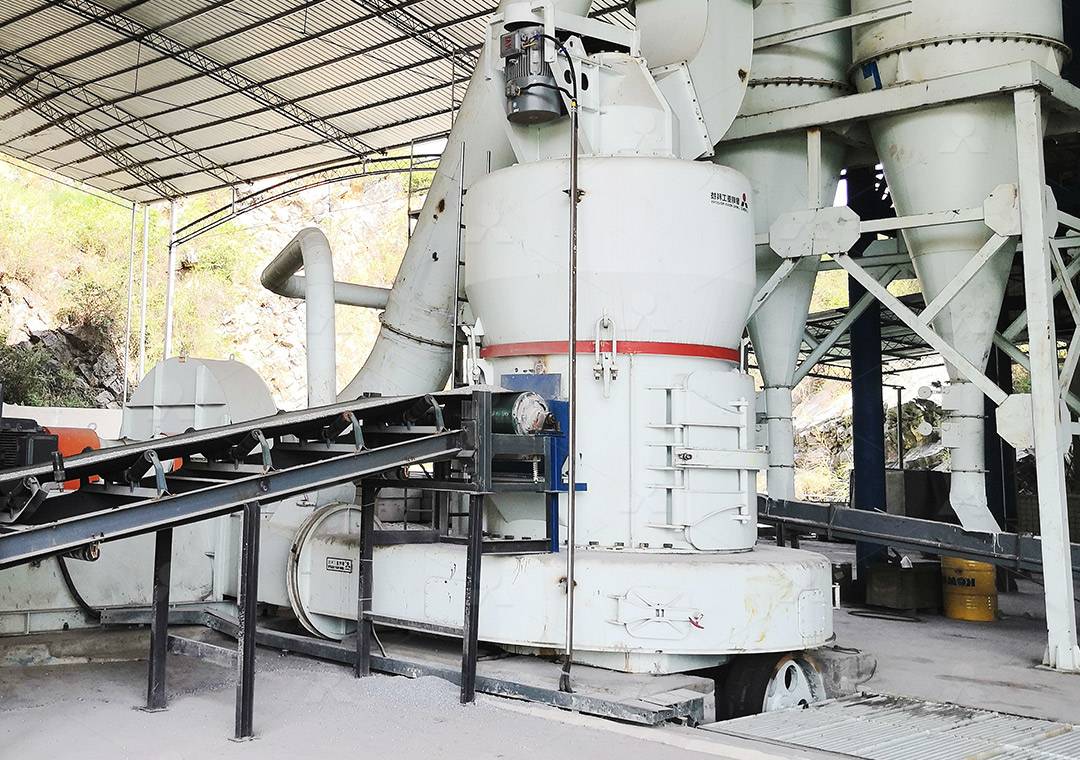
The core of a high-performance 700-mesh trapezium mill lies in its grinding geometry and airflow management. Unlike older Raymond mill designs, advanced trapezium mills feature curved grinding rolls and rings that create a more efficient grinding bed. This geometry increases the contact area and grinding pressure on the material, leading to more effective size reduction with each pass. The ground material is then carried by a precisely controlled air current to an integrated high-efficiency classifier.
For 700-mesh production, the classifier is the heart of the system. Modern mills utilize cage-type or multi-head turbine classifiers that can make sharp, accurate cuts in the particle stream. This technology ensures that only particles meeting the strict fineness requirement (d97 ≤ 25μm) exit the mill as product, while coarser particles are efficiently returned for further grinding. This closed-circuit system is key to achieving high yield and consistent quality.
Overcoming Traditional Limitations: Efficiency and Sustainability
One of the most significant advancements in contemporary trapezium mills is their dramatic reduction in energy consumption. By optimizing the grinding curve and reducing air-conveying resistance through designs like cambered air ducts, leading mills can achieve the same output as traditional designs while using 30-40% less power. This is not just an economic advantage but a major step toward sustainable industrial processing.
Operational stability and environmental compliance are non-negotiable in today’s market. High-end mills address this with integrated pulse-jet dust collectors that capture over 99.9% of particulate matter, ensuring the entire milling process is clean and meets stringent international emission standards. Furthermore, innovations like elastic damping bases and external lubrication systems minimize vibration and allow for maintenance without shutdowns, guaranteeing continuous 24/7 production for high-volume requirements.
Selecting the Right Mill for Your 700-Mesh Application
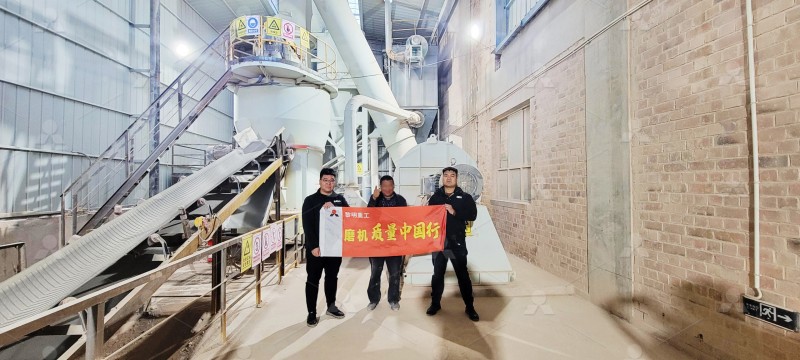
When investing in a fine powder production line, matching the mill’s capabilities to your specific material and capacity needs is crucial. For producers targeting the 700-mesh range with materials like limestone, calcite, dolomite, or talc, our MTW Series European Trapezium Mill stands out as an exemplary solution. It incorporates a bevel gear integral transmission for compact, stable operation and features a proprietary split-type shovel blade that enhances feeding efficiency. Its low-resistance arc air channel and advanced cage powder separator are specifically engineered for energy-efficient production of fine and ultra-fine powders.
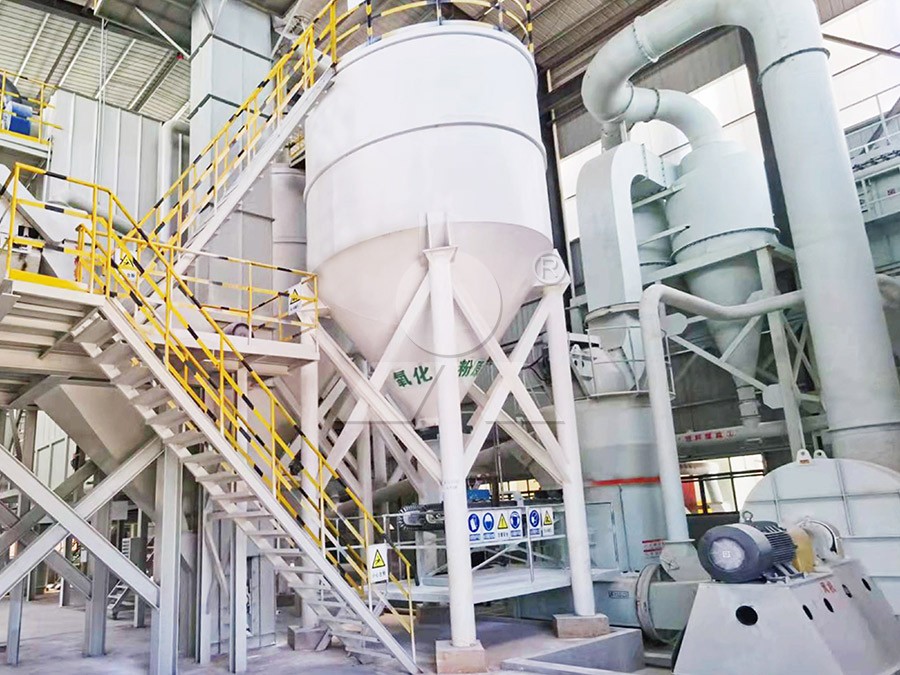
For operations requiring even finer processing or dealing with higher hardness materials, stepping up to an ultra-fine grinding platform is often necessary. In such cases, we highly recommend our LUM Ultrafine Vertical Grinding Mill. While utilizing a different grinding principle (roller and table), its core strength for fine powder lies in its exceptional separating accuracy. Integrating the latest German powder separating technology, the LUM mill can effortlessly achieve fineness between 325-2500 mesh. Its multi-head powder separating system and PLC control allow for precise, adjustable cuts, making it ideal for producing 700-mesh powder with a superior, narrow particle size distribution. The reversible grinding roller design also simplifies maintenance significantly, reducing downtime.
Conclusion: The Path to Premium Fine Powder
The production of 700-mesh powder is no longer a bottleneck but an opportunity for efficiency and quality leadership. By leveraging modern trapezium and vertical mill technologies that prioritize precision classification, energy savings, and operational reliability, producers can secure a competitive edge. The focus has shifted from mere pulverization to intelligent, controlled particle engineering, enabling industries to meet the exacting standards of next-generation materials and applications.
Frequently Asked Questions (FAQ)
1. What is the main difference between a trapezium mill and a vertical mill for fine powder production?
While both are excellent for fine grinding, the key difference lies in their structure and grinding mechanism. Trapezium mills (like the MTW series) use rollers that swing outward to press against a stationary ring, with material shoveled into the grinding zone. Vertical mills (like the LUM series) have rollers that press directly onto a rotating table. Vertical mills often offer even higher grinding efficiency and easier maintenance access for very fine (e.g., >800 mesh) and high-volume applications.
2. Can your mills handle moist materials for 700-mesh grinding?
Our standard MTW and LUM mills are designed for grinding materials with low moisture content (typically below 6-10%). For materials with higher moisture, we offer integrated drying solutions. Our LM Vertical Grinding Mill series, for instance, integrates crushing, drying, grinding, and classifying in one unit, capable of handling feed moisture up to 15-20% by utilizing hot air from an auxiliary heat source.
3. How is the fineness (700 mesh) precisely controlled and adjusted?
Fineness is primarily controlled by the speed of the classifier rotor. A higher rotor speed creates greater centrifugal force, allowing only finer particles to pass. Our mills feature advanced cage-type or turbine classifiers with variable frequency drives (VFDs). Operators can digitally adjust the rotor speed via the PLC control system to precisely target a specific fineness, such as 700 mesh, and make quick adjustments for different products.
4. What kind of wear parts can be expected, and what is their typical service life?
The main wear parts are the grinding rollers and rings/table liners. These are manufactured from high-chromium or wear-resistant alloy steel. Service life varies greatly with material abrasiveness (e.g., talc vs. quartz). For moderately abrasive materials like calcite, life can range from 2,000 to 5,000 operating hours. Our mills are designed with split structures and hydraulic systems to make replacing these parts faster and simpler.
5. Is the system truly dust-free and environmentally friendly?
Yes. Our complete grinding systems are equipped with high-efficiency pulse jet bag dust collectors (with efficiency >99.9%) and are designed to operate under negative pressure. This means any potential dust leaks are inward, into the system, preventing workplace and environmental pollution. The final exhaust dust concentration can be controlled well below 20 mg/Nm³, complying with the strictest international environmental standards.