
6R Raymond Mill for 100 Mesh Powder Production: A Proven Workhorse and Modern Alternatives
We provide a wide range of mills — including Raymond mill, trapezoidal mill, vertical mill, ultrafine mill, and ball mill, obtained ISO9001 international quality certification, EU CE certification, and Customs Union CU-TR certification. Suitable for processing minerals such as limestone, phosphate, quicklime, kaolin, talc, barite, bentonite, calcium carbonate, dolomite, coal, gypsum, clay, carbon black, slag, cement raw materials, cement clinker, and more.
The discharge range of these mills can be adjusted to meet specific processing needs, typically from 80-400 mesh, 600-3250 mesh, and can achieve the finest particle size of up to 6000 mesh(D50).
If you are looking for a reliable grinding solution to turn stone or minerals into fine powder, please feel free to contact our online customer service.
6R Raymond Mill for 100 Mesh Powder Production: A Proven Workhorse and Modern Alternatives
For decades, the Raymond Mill has been a cornerstone of powder processing, particularly for mid-range fineness applications like 100 mesh (approximately 150 microns). The 6R configuration, with its six grinding rollers, represents a robust and high-capacity variant of this classic design. It is engineered to handle non-metallic minerals with Mohs hardness below 7 and humidity under 6%, delivering consistent output for industries ranging from mining and construction to chemicals.
The operational principle is both elegant and effective. Material is fed into the grinding chamber where the shovel blades scoop and lift it between the rotating rollers and the stationary grinding ring. The centrifugal force presses the rollers outward, crushing the material. The resulting powder is carried by the air stream to an integrated classifier; fine particles meeting the 100-mesh specification pass through, while coarse particles are returned for regrinding. This closed-circuit system ensures efficiency and consistent product quality.
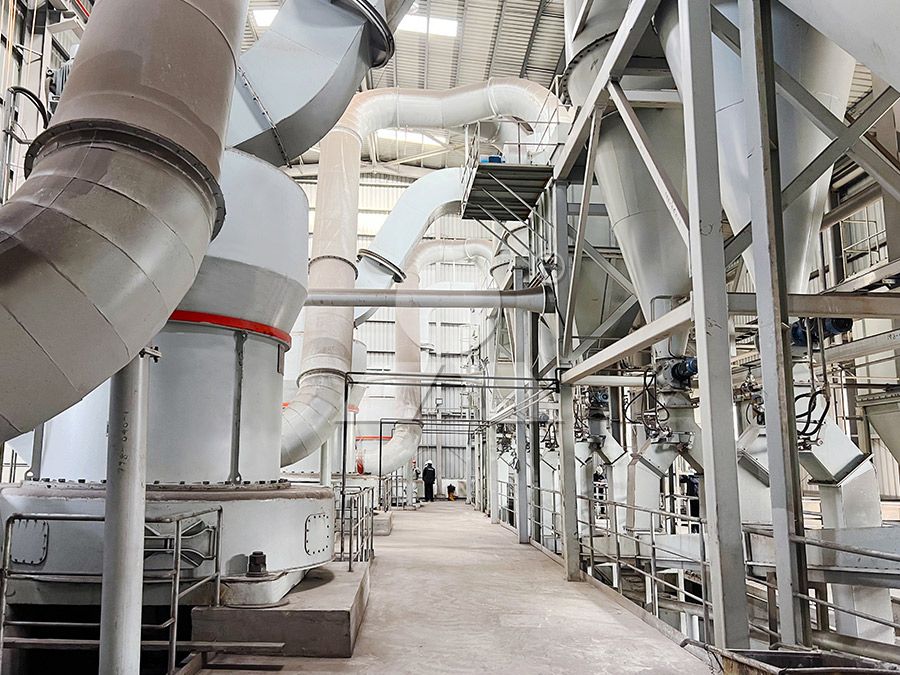
The 6R Raymond Mill offers distinct advantages for 100-mesh production. Its structure is relatively simple, leading to lower initial investment and ease of maintenance. The system’s energy consumption for this specific fineness range is competitive, and its footprint is compact. For operations with consistent feed material and stable demand for 100-mesh powder, a well-maintained 6R Raymond Mill remains a reliable and cost-effective solution.
Evolving Beyond Tradition: The Need for Enhanced Performance
While the 6R Raymond Mill is a proven workhorse, modern production demands often push beyond its traditional capabilities. Challenges such as higher energy consumption per ton compared to newer designs, limitations in achieving finer or more adjustable fineness, and greater wear on grinding parts can impact long-term operational costs and flexibility. Furthermore, environmental regulations now place a premium on dust-free and low-noise operation, areas where older mill designs may require significant auxiliary equipment.
This is where technological innovation creates compelling alternatives. The core goal remains the same—efficiently reducing particle size—but the path to achieving it has been refined. Modern mills integrate advanced grinding mechanics, precision separation technology, and intelligent control systems to deliver superior performance, especially when flexibility, ultra-fine capabilities, or higher capacity are required alongside or beyond the 100-mesh benchmark.
Modern Engineering Solutions for Advanced Powder Processing
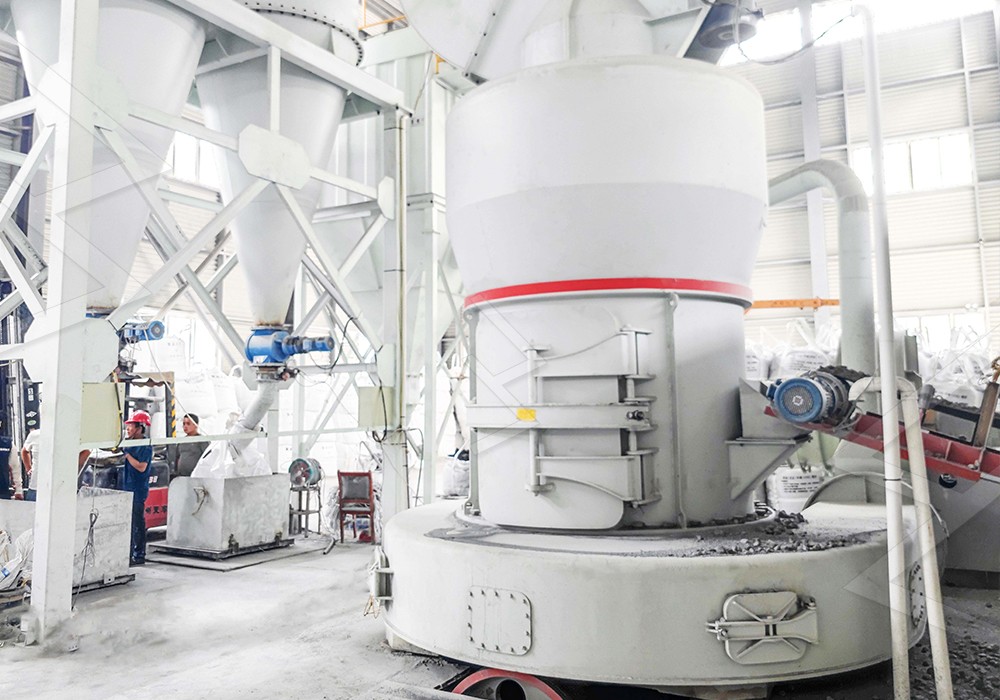
For customers whose needs extend from 100 mesh into finer territories, or who prioritize maximum energy efficiency and lower operating costs, our advanced grinding technologies offer a significant leap forward. These mills are not merely replacements but strategic upgrades, designed to future-proof your production line.
A prime example is our MW Ultrafine Grinding Mill. This machine is engineered for customers targeting ultra-fine powders but is exceptionally efficient across a broad spectrum, including 100-mesh production. Its newly designed grinding curves for the roller and ring enhance efficiency dramatically. In fact, with the same fineness and power, its capacity can be 40% higher than jet or stirred mills and double that of a ball mill, while system energy consumption can be as low as 30% of a jet mill’s. Crucially, its cage-type powder selector allows precise fineness adjustment from 325 to 2500 meshes, offering unparalleled flexibility. The design eliminates rolling bearings and screws in the grinding chamber, removing common failure points, and includes an efficient pulse dust collector for environmentally clean operation.
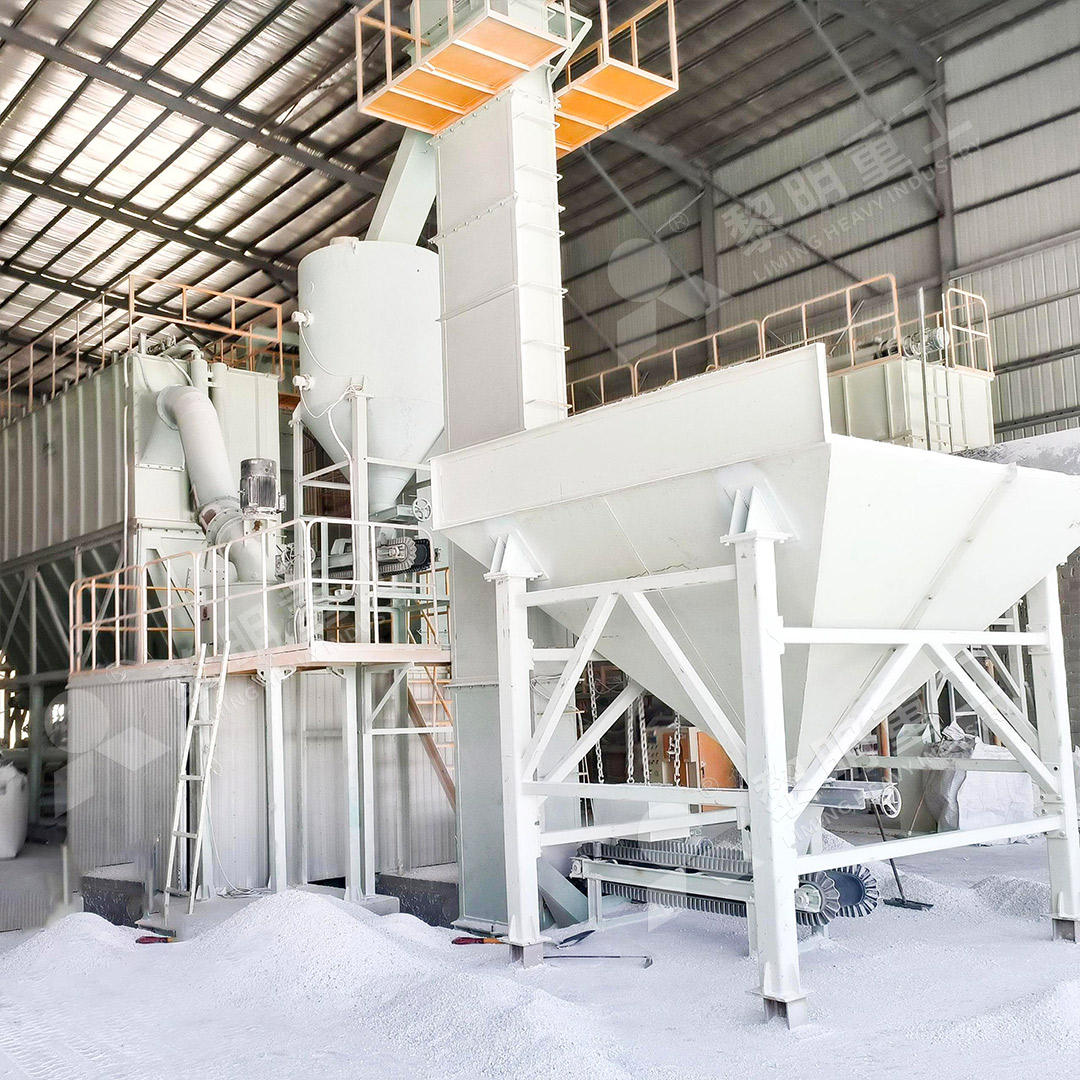
For operations seeking vertical mill advantages—such as integrated drying, grinding, and classifying—the LUM Ultrafine Vertical Grinding Mill stands out. Integrating the latest grinding roller and German powder separating technology, it excels in producing superfine dry powder. Its unique roller shell and lining plate curve promote stable material layer formation, enabling high rates of finished product in a single pass. This improves both efficiency and the whiteness/cleanliness of products like calcite and marble. Features like double position-limiting technology ensure operational stability, while a reversible structure makes maintenance on heavy grinding rollers far easier, minimizing downtime.
Making the Right Choice for Your Operation
The decision between a traditional 6R Raymond Mill and a modern alternative hinges on a detailed analysis of your specific requirements. Consider the 6R Raymond Mill if your primary, long-term need is stable 100-mesh production from consistent materials, and initial investment cost is a key driver.
However, if your business requires flexibility to adjust fineness, aims for significantly lower energy consumption per ton, plans to produce finer powders, or demands the highest environmental standards with minimal maintenance worries, then exploring our advanced mills is a prudent step. Both the MW and LUM series represent the forefront of grinding technology, built with digital precision and backed by comprehensive technical support and genuine spare parts to guarantee worry-free operation.
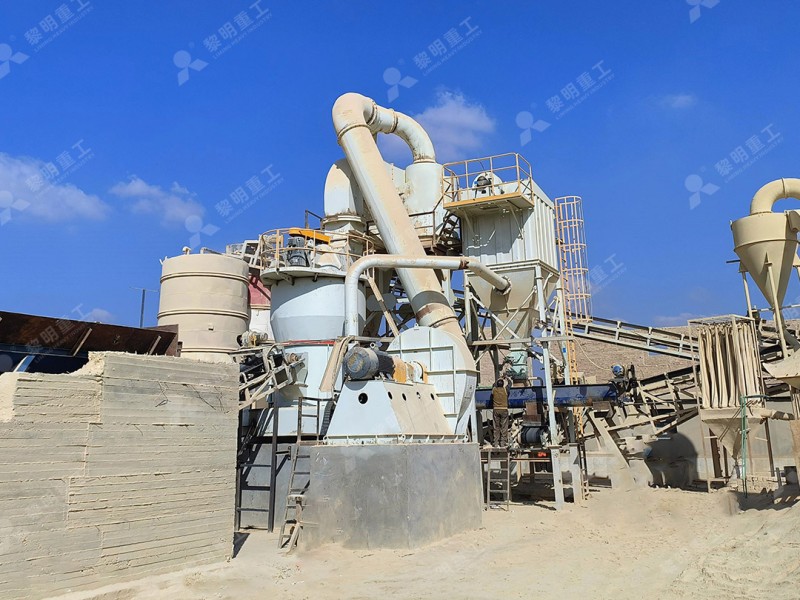
Ultimately, whether you choose the enduring reliability of the Raymond mill design or the enhanced performance of our next-generation equipment, the goal is to provide you with the most efficient and profitable solution for your powder production needs.
Frequently Asked Questions (FAQ)
1. Can a 6R Raymond Mill produce powder finer than 100 mesh?
Yes, a 6R Raymond Mill can achieve fineness up to approximately 325 mesh (45 microns) by adjusting the classifier speed and airflow. However, its efficiency and energy consumption become less optimal compared to specialized fine-grinding mills like the MW Ultrafine Grinding Mill when consistently targeting fineness above 200 mesh.
2. What are the main wear parts in a 6R Raymond Mill, and how long do they typically last?
The primary wear parts are the grinding rollers, grinding ring, and shovel blades. Their lifespan depends entirely on the abrasiveness of the processed material. For moderately abrasive minerals like calcite, they may last several thousand hours. Using wear-resistant alloys, as found in our MTW series mills, can extend service life by 1.7 to 2.5 times.
3. How does the energy consumption of a 6R Raymond Mill compare to your MW Ultrafine Grinding Mill for 100-mesh output?
While the 6R Raymond Mill is efficient for its class, the MW Ultrafine Grinding Mill incorporates more advanced grinding mechanics and system design. For the same 100-mesh output, the MW mill typically operates with significantly lower specific energy consumption (kWh per ton), potentially saving 30-50% depending on the material and system configuration.
4. Is the dust collection system included with these mills?
Our modern mill systems, such as the MW and LUM series, are often offered as complete systems that include an efficient pulse jet dust collector (like the one standard on the MW mill) and necessary piping, ensuring environmentally friendly, dust-free operation. For traditional Raymond mills, the dust collector may be specified and supplied as a separate but integral part of the grinding plant.
5. What materials are NOT suitable for grinding in a 6R Raymond Mill?
It is not suitable for grinding explosive, flammable, highly viscous, or ductile metals. Materials with Mohs hardness greater than 7 (e.g., quartz, zircon sand) will cause excessive wear. Materials with high moisture content (above 6%) may also require pre-drying to avoid clogging.
6. Can your advanced mills like the LUM handle moist feed materials?
Yes, one of the key advantages of vertical roller mills like the LUM series is their ability to integrate grinding and drying. By introducing hot air into the grinding chamber, they can simultaneously dry and grind materials with a certain moisture content, eliminating the need for a separate dryer in many cases.