
5R4121 Raymond Mill Grinding Machine: Technical Specifications and Applications
We provide a wide range of mills — including Raymond mill, trapezoidal mill, vertical mill, ultrafine mill, and ball mill, obtained ISO9001 international quality certification, EU CE certification, and Customs Union CU-TR certification. Suitable for processing minerals such as limestone, phosphate, quicklime, kaolin, talc, barite, bentonite, calcium carbonate, dolomite, coal, gypsum, clay, carbon black, slag, cement raw materials, cement clinker, and more.
The discharge range of these mills can be adjusted to meet specific processing needs, typically from 80-400 mesh, 600-3250 mesh, and can achieve the finest particle size of up to 6000 mesh(D50).
If you are looking for a reliable grinding solution to turn stone or minerals into fine powder, please feel free to contact our online customer service.
5R4121 Raymond Mill Grinding Machine: Technical Specifications and Applications
For decades, the Raymond Mill has stood as a cornerstone of industrial powder processing. The 5R4121 model represents a mature and highly refined iteration of this classic design, offering reliable performance for a wide range of medium-fine grinding applications. Its enduring popularity stems from a straightforward yet effective mechanical principle, robust construction, and operational simplicity that translates to lower long-term maintenance costs.
Core Technical Specifications and Design Philosophy
The 5R4121 designation indicates the presence of five grinding rollers. These rollers, suspended from a revolving star frame, swing outward under centrifugal force to press against a stationary grinding ring. The key specifications typically include a maximum feed size of under 25mm and a capacity range of approximately 0.6 to 5 tons per hour, depending on material characteristics and desired fineness.
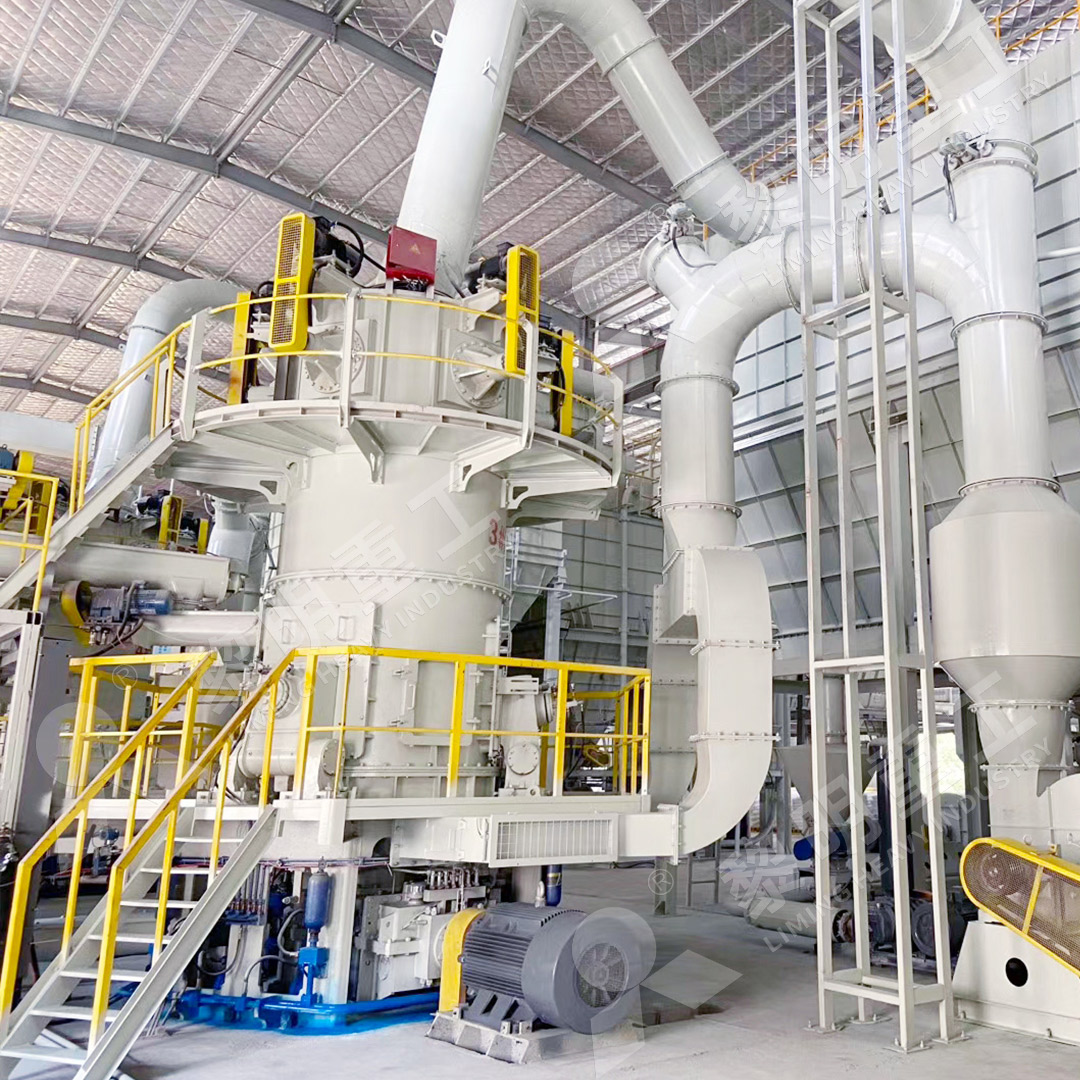
The system is integrated, comprising the main mill, a cyclone collector, piping, a jaw crusher for preliminary size reduction, a vibrating feeder, and an electrical control cabinet. The ground material is conveyed pneumatically; the built-in blower creates an airflow that carries the powder to a high-efficiency separator. Here, oversized particles are rejected and returned for further grinding, while product meeting the fineness requirement is collected. This closed-circuit design ensures efficient classification and consistent product quality.
A significant advantage of the 5R4121 is its compact footprint and relatively low investment cost compared to more complex milling systems. It is engineered for continuous, stable operation with minimal supervision. The wear parts, primarily the grinding rollers and rings, are often made from high manganese steel or other wear-resistant alloys, providing extended service life and reducing the frequency of part replacements.
Primary Industrial Applications
The 5R4121 Raymond Mill excels in processing non-metallic minerals with Mohs hardness below 7 and humidity less than 6%. Its most common applications include:
- Mining & Minerals: Efficiently grinding materials such as limestone, calcite, dolomite, barite, talc, gypsum, and marble to fineness between 80 and 325 mesh.
- Construction Materials: Production of fine powders for cement, fly ash, and other building material additives.
- Energy & Chemicals: Preparation of pulverized coal for boilers and processing of various non-flammable, non-explosive chemical raw materials.
- Ceramics & Refractories: Grinding raw materials for subsequent firing processes.
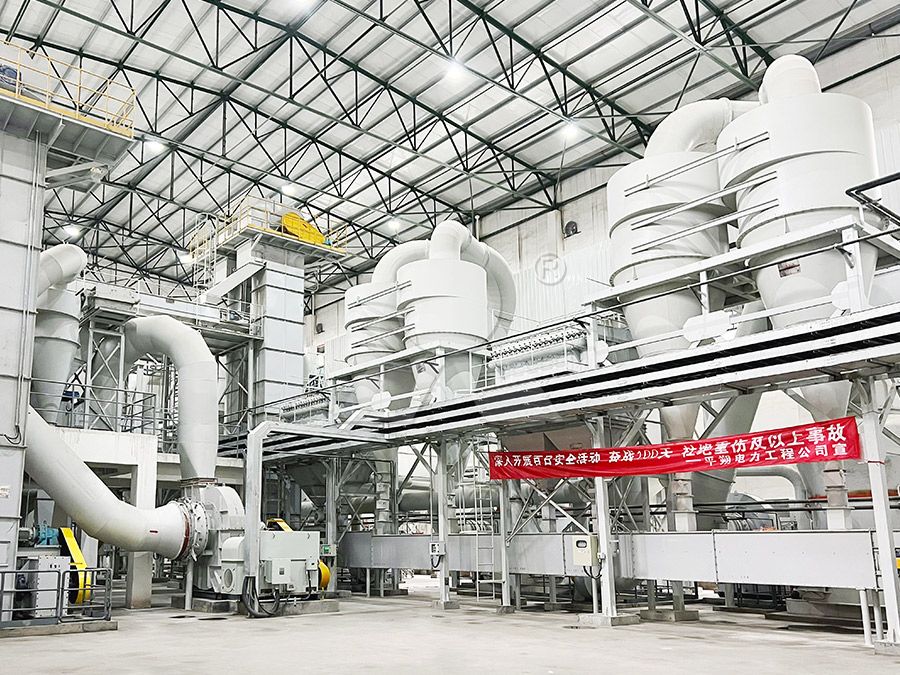
Its ability to produce powders in the 100-400 mesh range with good uniformity makes it a versatile workhorse in many small to medium-scale processing plants. The environmental performance is enhanced by the integral pulse dust collector, which effectively contains dust during operation, aligning with modern environmental standards.
Evolving Beyond Tradition: Modern Alternatives for Advanced Needs
While the 5R4121 Raymond Mill is a proven solution, technological evolution has introduced mills that offer significant advantages for more demanding applications, particularly where higher capacity, superior energy efficiency, or ultra-fine output is required.
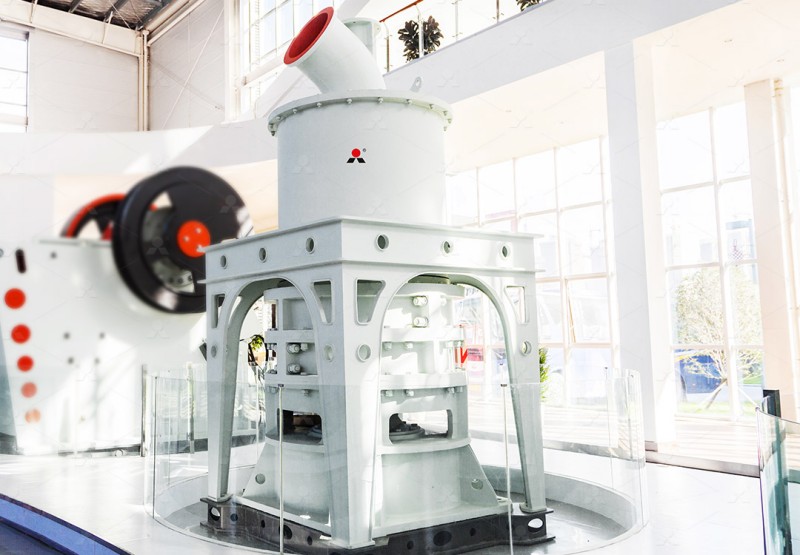
For operations seeking to produce finer powders or achieve higher throughput with lower energy consumption, our MW Ultrafine Grinding Mill presents a compelling upgrade. This advanced mill is engineered for customers requiring ultra-fine powder between 325 and 2500 meshes. It incorporates a highly efficient cage-type powder selector based on German technology, ensuring precise particle separation with a screening rate that can achieve d97≤5μm in a single pass. A standout feature is the elimination of rolling bearings and screws within the grinding chamber, drastically reducing maintenance concerns related to bearing failure or loose components. With a capacity range of 0.5 to 25 tph and a system energy consumption reported to be only 30% of some jet mills, the MW series represents a leap in efficiency and fineness capability.
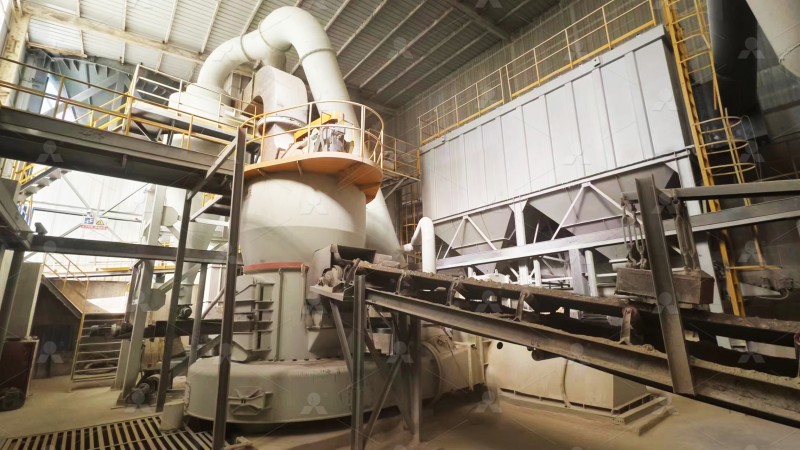
Similarly, for projects prioritizing large-scale vertical integration and exceptional drying capability, the LUM Ultrafine Vertical Grinding Mill is an excellent choice. Integrating grinding, grading, and transportation, it features unique roller and lining plate curves that promote stable material bed formation and high single-pass yield. Its use of multi-head powder separating technology with PLC control allows for precise, energy-efficient cuts in particle size distribution. Furthermore, its reversible roller structure, enabled by a hydraulic system, allows grinding rollers to be easily swung out for maintenance, dramatically reducing downtime. With an input size of 0-10mm and capacity of 5-18 tph, the LUM mill is a sophisticated solution for superfine dry powder production of non-metallic ores.
Conclusion
The 5R4121 Raymond Mill remains a reliable and cost-effective choice for standard grinding tasks. Its design simplicity and operational robustness ensure its place in the industry. However, for operations aiming at the forefront of powder technology—demanding higher efficiency, finer products, and smarter maintenance—modern mills like the MW and LUM series are engineered to deliver superior performance and a lower total cost of ownership. Selecting the right equipment depends on a clear analysis of material properties, target fineness, production volume, and long-term operational goals.
Frequently Asked Questions (FAQ)
1. What is the typical fineness range achievable with a 5R4121 Raymond Mill?
The 5R4121 can generally produce powders in a fineness range from about 80 mesh (180μm) to 325 mesh (45μm). Adjusting the speed of the built-in classifier controls the final product size.
2. How does the MW Ultrafine Grinding Mill achieve such fine powder output compared to a Raymond Mill?
The MW Mill employs a fundamentally different grinding principle combined with a high-precision cage-type selector. It uses a multi-layered grinding path and much higher rotational speeds of the classification rotor, allowing for precise aerodynamic separation of particles down to a few microns, far beyond the capability of traditional pendulum roller mills.
3. What are the main maintenance points for a Raymond Mill?
Key maintenance involves regular inspection and replacement of wear parts like grinding rollers and rings, checking and lubricating central shaft bearings, ensuring the classifier blades are intact, and maintaining the tightness of drive belts. The pulse dust collector’s bags also require periodic checking and replacement.
4. Can the LUM Vertical Mill handle moist materials?
Yes, one of the significant advantages of the LUM Ultrafine Vertical Grinding Mill is its integrated drying capability. Hot air can be introduced into the mill alongside the feed material, allowing it to simultaneously dry and grind materials with a certain moisture content, which is a limitation for standard Raymond mills.
5. Is the energy saving of the newer mills significant?
Absolutely. Technological advancements in grinding curve design, mechanical efficiency, and classification precision directly reduce specific energy consumption. For example, the MW and LUM mills are designed to offer 30-50% energy savings compared to older technologies like ball mills or some jet mills for equivalent output, representing major operational cost savings.
6. Do you provide spare parts and technical support for these mills?
Yes, as the manufacturer, we take full responsibility for every machine we produce. We maintain a sufficient supply of original spare parts and offer comprehensive technical services, including installation guidance, operational training, and troubleshooting support, to ensure worry-free operation for our customers.