
5R Raymond Mill for Efficient Sand and Gravel Powder Production
We provide a wide range of mills — including Raymond mill, trapezoidal mill, vertical mill, ultrafine mill, and ball mill, obtained ISO9001 international quality certification, EU CE certification, and Customs Union CU-TR certification. Suitable for processing minerals such as limestone, phosphate, quicklime, kaolin, talc, barite, bentonite, calcium carbonate, dolomite, coal, gypsum, clay, carbon black, slag, cement raw materials, cement clinker, and more.
The discharge range of these mills can be adjusted to meet specific processing needs, typically from 80-400 mesh, 600-3250 mesh, and can achieve the finest particle size of up to 6000 mesh(D50).
If you are looking for a reliable grinding solution to turn stone or minerals into fine powder, please feel free to contact our online customer service.
Unlocking Efficiency in Sand and Gravel Processing
In the competitive world of construction materials production, achieving optimal efficiency in sand and gravel powder processing represents a significant operational advantage. The 5R Raymond Mill has emerged as a cornerstone technology for operations seeking to enhance their powder production capabilities while maintaining cost-effectiveness and environmental compliance.
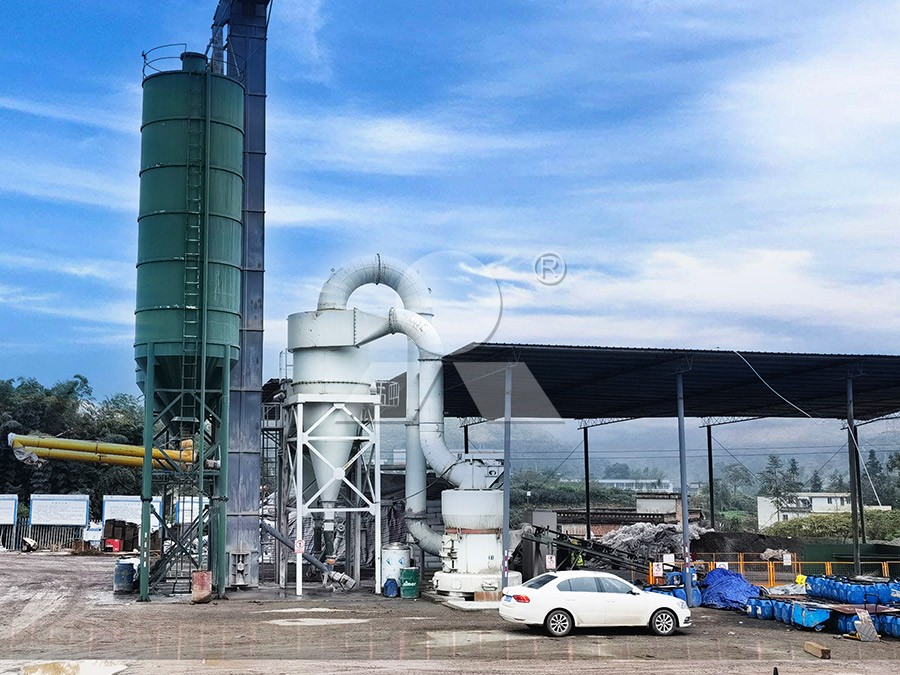
The fundamental strength of the 5R Raymond Mill lies in its robust grinding mechanism, which utilizes five grinding rollers to achieve superior material reduction. This configuration enables higher throughput capacities compared to traditional milling systems, making it particularly suitable for medium to large-scale sand and gravel operations. The increased number of grinding rollers distributes the workload more evenly, resulting in more consistent particle size distribution and extended component lifespan.
Advanced Technological Features
Modern 5R Raymond Mills incorporate several technological advancements that distinguish them from earlier generations of grinding equipment. The integration of automated control systems allows for precise adjustment of grinding parameters, enabling operators to fine-tune the milling process according to specific material characteristics and production requirements. This level of control is particularly valuable when processing variable sand and gravel deposits, where material hardness and composition may fluctuate.
The environmental performance of contemporary 5R Raymond Mills represents another significant improvement. Advanced dust collection systems effectively capture particulate matter during operation, ensuring compliance with increasingly stringent air quality regulations. Additionally, noise reduction technologies create a more favorable working environment while minimizing the operation’s impact on surrounding communities.
Beyond Traditional Raymond Mills: Advanced Alternatives
While the 5R Raymond Mill remains a reliable workhorse for many operations, technological evolution has produced even more sophisticated grinding solutions. For operations requiring ultra-fine powder production with enhanced efficiency, we particularly recommend considering our MW Ultrafine Grinding Mill. This advanced system represents a significant leap forward in grinding technology, capable of processing materials with input sizes up to 20 mm and achieving production capacities ranging from 0.5 to 25 tons per hour.
The MW Ultrafine Grinding Mill distinguishes itself through several innovative features. Its newly designed grinding curves for the grinding roller and ring enhance grinding efficiency substantially. Comparative performance data demonstrates that with identical fineness and power consumption, the MW Mill delivers 40% higher production capacity than jet grinding mills and stirred grinding mills, while doubling the output of traditional ball grinding mills. Remarkably, the system energy consumption is only 30% of comparable jet grinding mills.
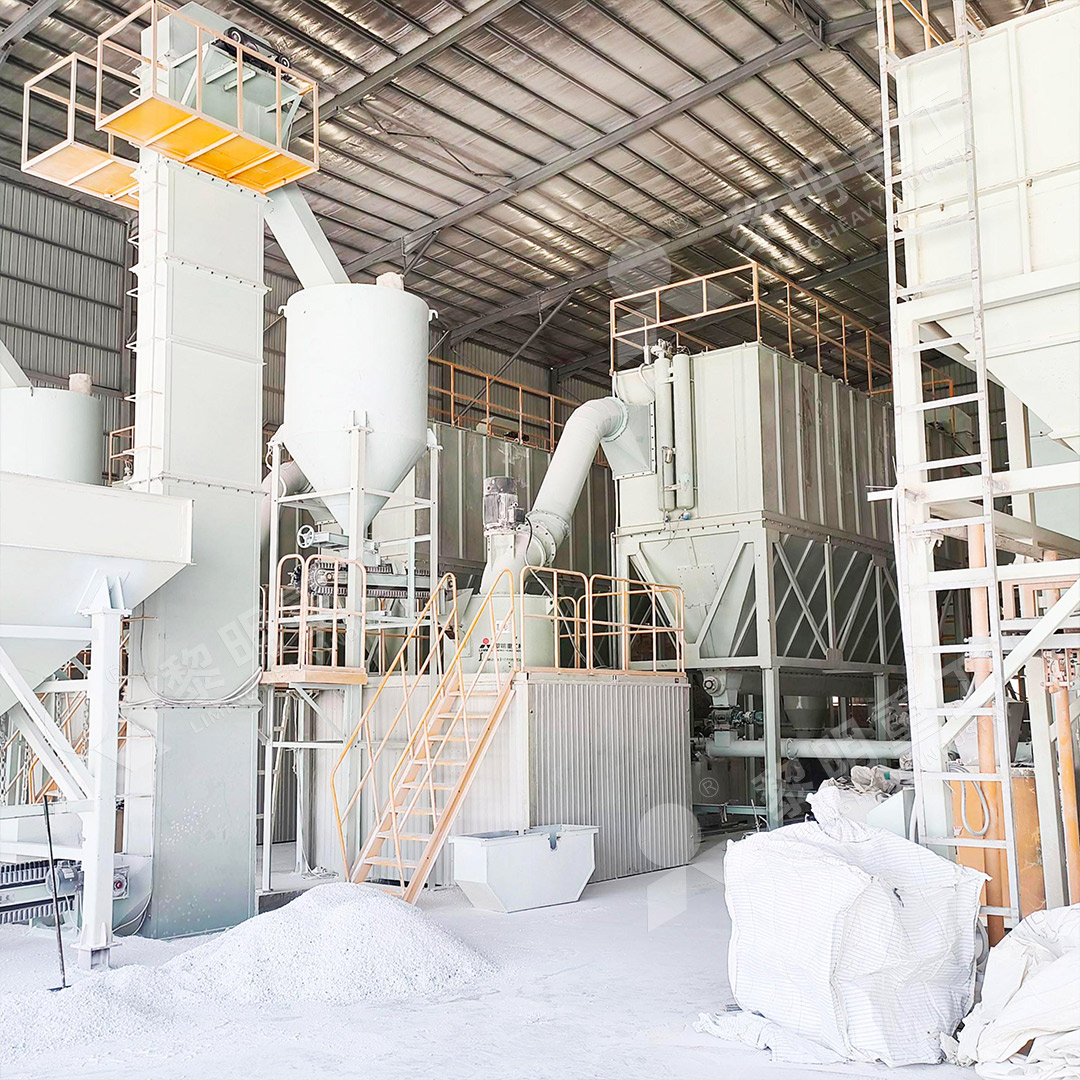
Another notable advantage of the MW Ultrafine Grinding Mill is its adjustable fineness range between 325-2500 meshes, facilitated by German-engineered cage-type powder selector technology. This flexibility allows operators to precisely tailor product specifications to market demands. The mill’s unique design eliminates rolling bearings and screws within the grinding chamber, eliminating concerns about bearing damage or machine failure due to loose fasteners.
Operational Considerations for Sand and Gravel Applications
When implementing 5R Raymond Mill technology for sand and gravel powder production, several operational factors warrant careful consideration. Material moisture content significantly impacts milling efficiency, with most systems performing optimally with moisture levels below a specific threshold. Pre-drying systems may be necessary for materials with higher inherent moisture content.
Maintenance protocols represent another critical consideration. The 5R Raymond Mill’s design facilitates relatively straightforward access to key components, reducing downtime for routine maintenance and parts replacement. Establishing a preventive maintenance schedule based on operational hours and material throughput can significantly extend equipment lifespan and maintain consistent product quality.
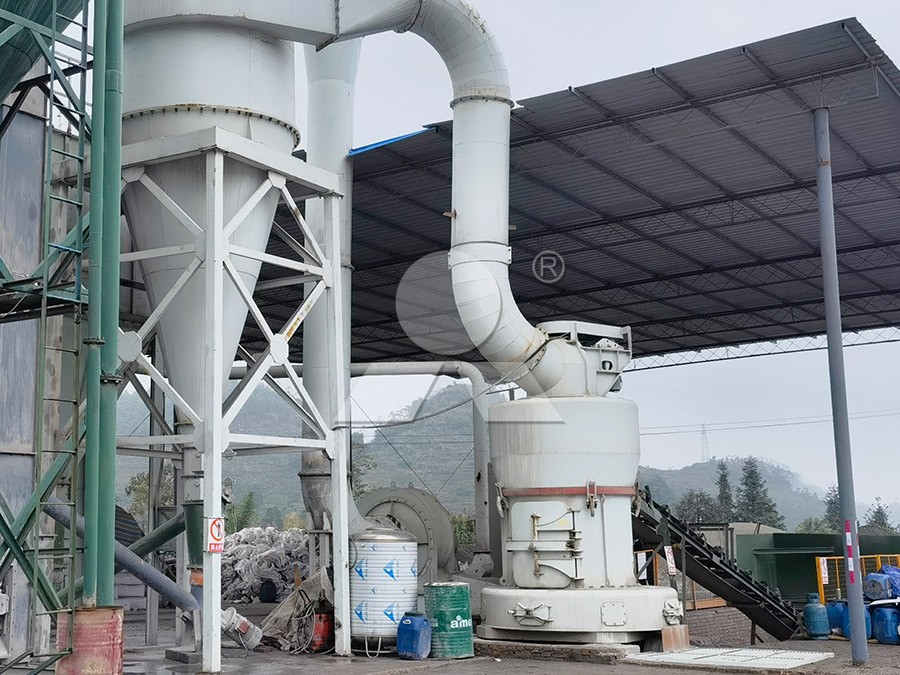
For operations requiring even greater efficiency and precision, our LUM Ultrafine Vertical Grinding Mill offers another compelling alternative. This system integrates ultrafine powder grinding, grading, and transporting in a single unit, incorporating the latest grinding roller technology from Taiwan and German powder separating technology. With an input size of 0-10 mm and capacity of 5-18 tph, the LUM Mill features unique roller shell and lining plate grinding curves that generate material layers more easily, enabling high rates of finished products through single-pass powder milling.
Frequently Asked Questions
What is the typical production capacity range for a 5R Raymond Mill in sand and gravel applications?
Production capacity varies based on material characteristics and final product fineness, but typically ranges between 3-8 tons per hour for standard sand and gravel materials.
How does the 5R Raymond Mill compare to traditional ball mills for sand and gravel powder production?
The 5R Raymond Mill generally offers higher energy efficiency, more precise particle size control, and lower operating costs compared to traditional ball mills, though initial investment may be higher.
What maintenance requirements should operators anticipate with 5R Raymond Mills?
Key maintenance includes regular inspection and replacement of grinding rollers and rings, lubrication of moving parts, and monitoring of the classifier system. Most components are designed for extended service life with proper operation.
Can the 5R Raymond Mill handle materials with varying hardness within the same production run?
Yes, the system can accommodate moderate variations in material hardness, though significant fluctuations may require operational adjustments to maintain optimal product consistency.
What environmental considerations are addressed in modern 5R Raymond Mill designs?
Contemporary systems incorporate comprehensive dust collection, noise reduction technologies, and energy-efficient operation to minimize environmental impact and ensure regulatory compliance.