
5R Raymond Mill for Diatomite Grinding: Efficient Processing Solutions
We provide a wide range of mills — including Raymond mill, trapezoidal mill, vertical mill, ultrafine mill, and ball mill, obtained ISO9001 international quality certification, EU CE certification, and Customs Union CU-TR certification. Suitable for processing minerals such as limestone, phosphate, quicklime, kaolin, talc, barite, bentonite, calcium carbonate, dolomite, coal, gypsum, clay, carbon black, slag, cement raw materials, cement clinker, and more.
The discharge range of these mills can be adjusted to meet specific processing needs, typically from 80-400 mesh, 600-3250 mesh, and can achieve the finest particle size of up to 6000 mesh(D50).
If you are looking for a reliable grinding solution to turn stone or minerals into fine powder, please feel free to contact our online customer service.
5R Raymond Mill for Diatomite Grinding: Efficient Processing Solutions
Diatomite, a naturally occurring siliceous sedimentary rock, presents unique challenges and opportunities in mineral processing. Its delicate, porous structure and wide range of industrial applications—from filtration aids and functional fillers to insulation materials—demand a grinding solution that preserves its intrinsic properties while achieving precise particle size distribution. For decades, the Raymond Mill, particularly the 5R configuration, has stood as a benchmark for efficient diatomite processing, balancing output, fineness, and operational economy.
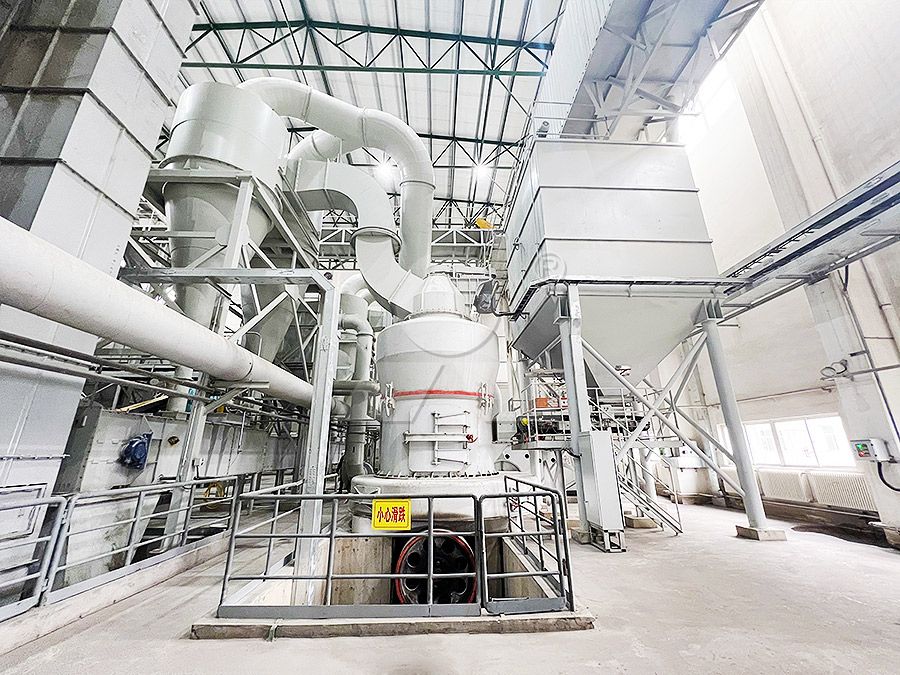
Why the 5R Raymond Mill Excels with Diatomite
The 5R Raymond Mill, an evolution of the classic pendulum roller design, incorporates five grinding rollers. This configuration significantly increases the grinding contact area and pressure compared to smaller 3R or 4R models. For diatomite, which requires gentle yet consistent comminution to avoid destroying its porous framework, this means higher throughput capacity without resorting to excessive force or speed that could generate unwanted heat or fines. The centrifugal grinding action, where rollers swing outward to press against the grinding ring, is ideal for brittle, medium-hard materials like diatomite. The integrated classifier allows for real-time adjustment of product fineness, typically ranging from 80 to 325 mesh, which covers the majority of commercial diatomite specifications.
Key Considerations for Optimal Diatomite Processing
Successful diatomite milling extends beyond simply selecting a 5R mill. Several factors are critical:
- Moisture Control: Incoming diatomite often contains moisture. An efficient drying system, either integrated or preceding the mill, is essential to prevent clogging and ensure smooth powder flow.
- Dust Management: Diatomite powder is extremely lightweight. A high-efficiency pulse jet baghouse dust collector is non-negotiable for maintaining a clean plant environment, protecting equipment, and ensuring worker safety.
- Abrasion Resistance: While not the most abrasive material, consistent processing mandates the use of wear-resistant alloys for grinding rollers and rings to maintain product uniformity and reduce maintenance frequency.
- System Intelligence: Modern 5R mills incorporate PLC-based controls for monitoring grinding pressure, fan speed, and classifier rotation, enabling stable, repeatable production runs.
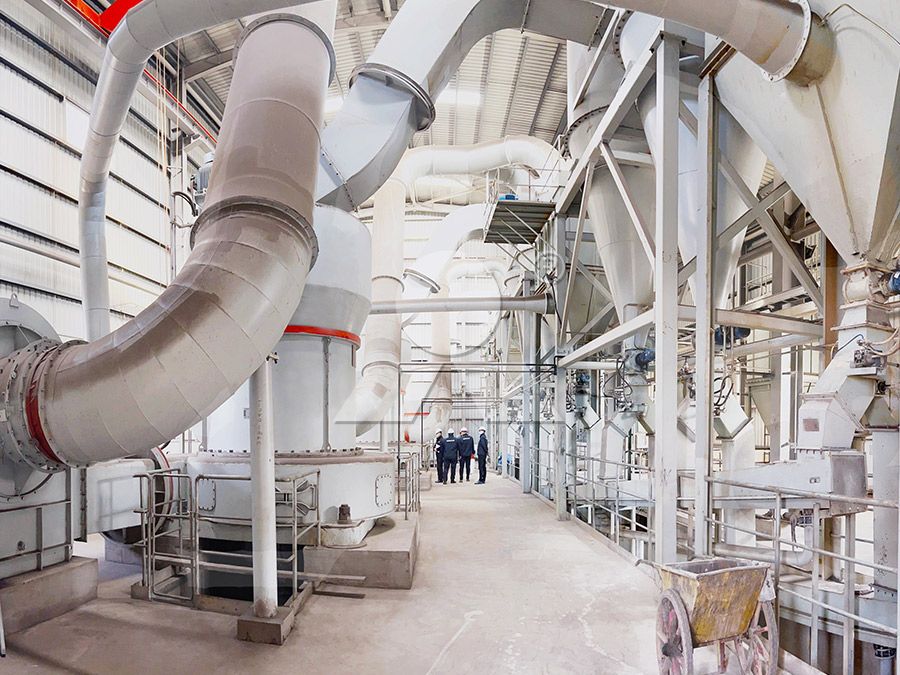
When to Consider Advanced Grinding Technologies
While the 5R Raymond Mill is a robust and cost-effective solution for standard diatomite products, certain high-value applications demand ultra-fine powders (finer than 325 mesh/45μm) or exceptional product whiteness and purity. For these demanding scenarios, moving to an ultra-fine grinding platform can unlock new product potential and margins.
For clients targeting the high-end functional filler, cosmetics, or advanced filtration markets, our MW Ultrafine Grinding Mill represents a significant technological leap. Engineered for customers requiring ultra-fine powder, the MW series achieves adjustable fineness between 325-2500 meshes. Its innovative design eliminates rolling bearings and screws inside the grinding chamber, removing critical failure points and enabling worry-free, continuous 24-hour operation. The German-technology cage-type powder selector ensures precise classification with a screening rate achieving d97≤5μm in a single pass. Furthermore, with a system energy consumption estimated at only 30% of a traditional jet mill and production capacity significantly higher, it offers remarkable efficiency for superfine diatomite production.
For operations seeking large-scale, integrated processing with superior drying capability, our LUM Ultrafine Vertical Grinding Mill is another premier choice. Integrating grinding, drying, classifying, and conveying, the LUM mill is perfect for diatomite with higher moisture content. Its unique roller and lining plate curve promotes stable material bed formation, while the multi-head powder separating technology and PLC control allow for precise, energy-efficient cuts in the ultrafine range, reducing energy consumption by 30%-50% compared to ordinary mills.
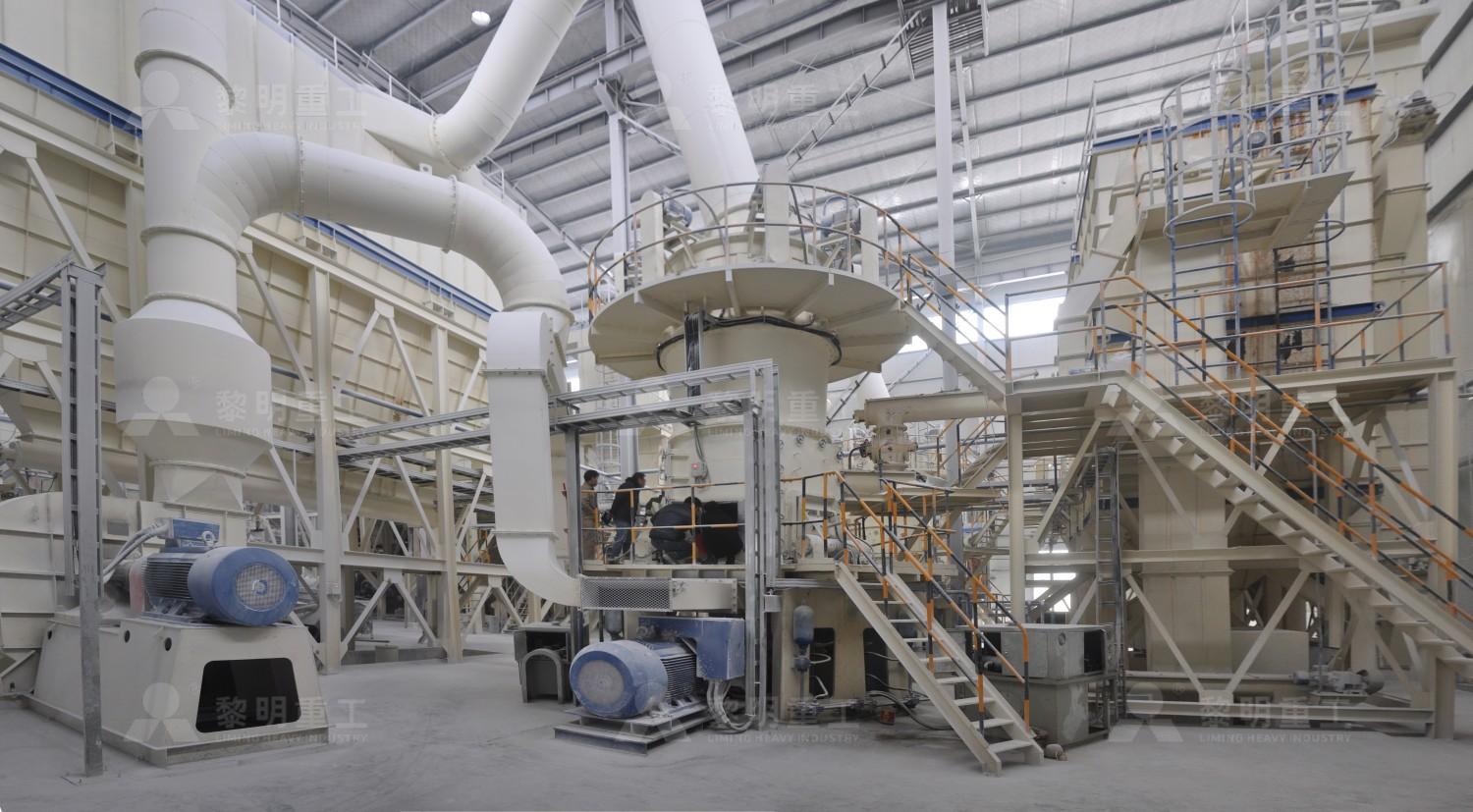
Conclusion: Matching the Mill to the Mission
The 5R Raymond Mill remains a cornerstone of diatomite processing for good reason: it is reliable, understandable, and economically viable for a wide spectrum of products. Its design philosophy centers on proven mechanical efficiency. However, the evolution of market requirements towards specialized, high-value diatomite powders necessitates a broader equipment portfolio. By understanding the full scope of your product goals—from volume and fineness to purity and operational cost—you can select the optimal grinding solution, whether it’s the dependable workhorse 5R Raymond Mill or the advanced, ultra-fine capabilities of the MW or LUM series. The right mill is not just a piece of equipment; it’s the core of your product quality and competitive edge.
Frequently Asked Questions (FAQ)
1. What is the typical output range of a 5R Raymond Mill for diatomite?
Depending on the initial feed size and desired final fineness, a 5R Raymond Mill can typically process between 3 to 8 tons per hour of diatomite. The exact capacity must be determined based on specific ore characteristics and product specifications.
2. Can a 5R mill produce diatomite powder for food-grade applications?
Yes, but it requires a fully integrated system designed for such standards. This includes using food-grade lubricants, ensuring all contact parts are made of appropriate stainless steel or coated materials, and implementing a comprehensive cleaning protocol. The mill itself must be sealed and equipped with high-efficiency dust collection to prevent contamination.
3. How does the MW Ultrafine Grinding Mill protect product purity compared to a Raymond mill?
The MW Mill’s design, with no rolling bearings or screws in the grinding chamber, fundamentally eliminates the risk of contamination from lubricant leaks or metallic wear debris from these components. The external lubrication system and advanced sealing ensure the grinding zone remains isolated, which is critical for high-purity applications in pharmaceuticals or advanced ceramics.
4. What are the main advantages of a vertical mill like the LUM for diatomite?
The LUM Ultrafine Vertical Grinding Mill offers several key advantages: superior integration of drying and grinding for moist feedstocks, generally lower energy consumption per ton at finer grinds, a smaller physical footprint, and easier maintenance access due to its reversible roller design. It is particularly suited for large-scale, continuous production of uniform ultrafine powders.
5. How important is the classifier in a diatomite grinding system?
Extremely important. The classifier (or separator) is what determines the final particle size distribution. A high-precision classifier, like the cage-type selector in the MW mill or the multi-head separator in the LUM mill, ensures a sharp cut, minimizes over-grinding (which can destroy diatomite pores), and improves overall system efficiency by rapidly removing finished product from the grinding circuit.
6. What kind of after-sales support is crucial for a diatomite grinding line?
Beyond standard installation and commissioning, reliable access to genuine wear parts (rollers, rings, classifier blades) and expert technical service is paramount. Look for a supplier who manufactures their own core components and can provide timely technical support to minimize downtime, which is critical in continuous processing operations.