
5R Raymond Mill for Brucite Grinding: Price, Features, and Application Guide
We provide a wide range of mills — including Raymond mill, trapezoidal mill, vertical mill, ultrafine mill, and ball mill, obtained ISO9001 international quality certification, EU CE certification, and Customs Union CU-TR certification. Suitable for processing minerals such as limestone, phosphate, quicklime, kaolin, talc, barite, bentonite, calcium carbonate, dolomite, coal, gypsum, clay, carbon black, slag, cement raw materials, cement clinker, and more.
The discharge range of these mills can be adjusted to meet specific processing needs, typically from 80-400 mesh, 600-3250 mesh, and can achieve the finest particle size of up to 6000 mesh(D50).
If you are looking for a reliable grinding solution to turn stone or minerals into fine powder, please feel free to contact our online customer service.
5R Raymond Mill for Brucite Grinding: Price, Features, and Application Guide
For decades, the Raymond Mill has been a cornerstone of industrial mineral processing. When it comes to grinding moderately hard, non-metallic minerals like brucite—a magnesium hydroxide mineral prized for its flame retardancy, filler properties, and use in magnesium compounds—the 5R Raymond Mill remains a popular and cost-effective choice. This guide delves into the specifics of using a 5R configuration for brucite, exploring its operational features, typical investment considerations, and optimal application scenarios.
Understanding the 5R Raymond Mill Configuration
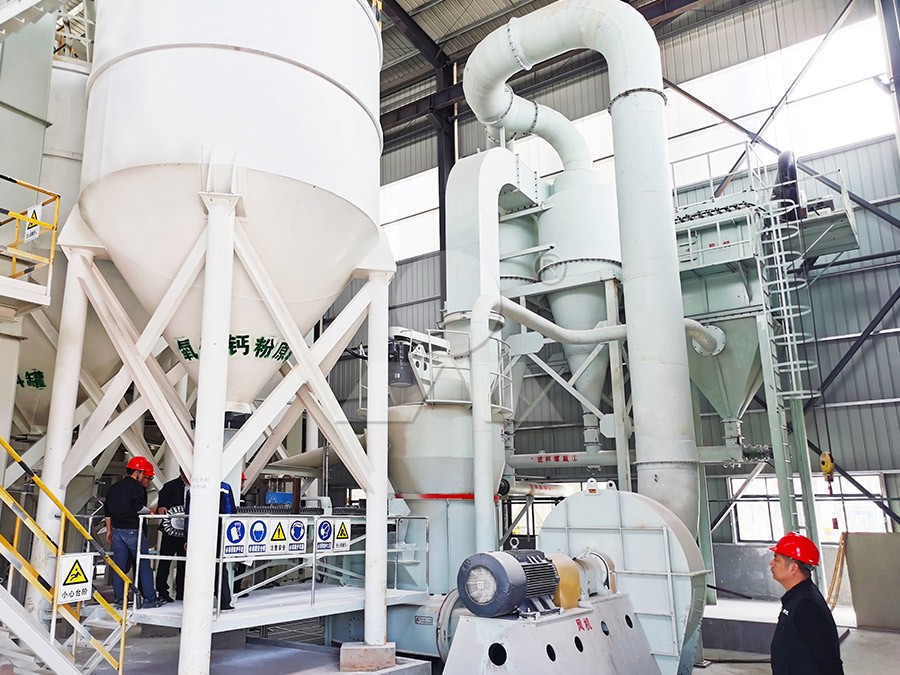
The “R” in Raymond Mill denotes the number of grinding rollers. A 5R mill is equipped with five grinding rollers, which significantly increases its grinding contact area and power compared to smaller 3R or 4R models. This makes it particularly suitable for medium-to-large scale production requirements. For brucite, which typically requires grinding to a fineness between 80 to 400 mesh for most industrial applications, the 5R Raymond Mill offers an excellent balance of throughput and energy efficiency.
Key Features and Advantages for Brucite Processing
The traditional strengths of the Raymond Mill design are amplified in the 5R model for brucite grinding:
- Enhanced Capacity: With five rollers working in tandem, the 5R mill can handle a higher volume of brucite ore. Typical capacity ranges from 8 to 25 tons per hour, depending on feed size and desired fineness.
- Stable Particle Size Distribution: The centrifugal grinding action, combined with an integrated classifier, ensures a consistent and controllable product fineness, which is critical for brucite used as a functional filler.
- Robust and Simple Structure: Its mechanical design is renowned for reliability and ease of maintenance. The grinding rollers and ring, while consumable parts, are designed for long service life and are readily replaceable.
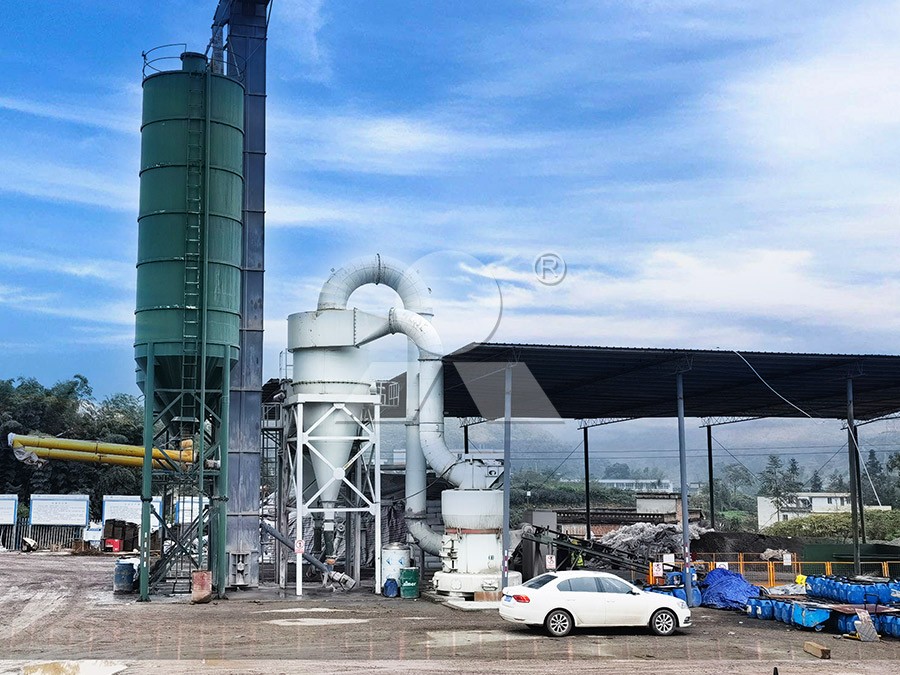
- System Integration: A complete 5R Raymond Mill system includes jaw crusher, bucket elevator, storage hopper, vibrating feeder, the main mill, classifier, cyclone collector, pulse dust collector, and piping. This integrated approach ensures smooth, continuous operation.
Investment and Operational Cost Considerations
The price of a 5R Raymond Mill system is influenced by several factors: the origin of manufacture, material of key components (e.g., wear-resistant alloy for rollers), the level of automation, and the capacity of auxiliary equipment like crushers and dust collectors. As a ballpark figure, a complete, mid-range system can represent a significant but justifiable capital investment for a dedicated brucite processing line. Its primary economic advantage lies in lower operational costs per ton compared to many alternative technologies, thanks to its straightforward mechanism and generally lower power consumption for target fineness levels.
When to Consider Advanced Grinding Solutions
While the 5R Raymond Mill is excellent for standard brucite powder production, market demands are evolving. If your project requires ultra-fine brucite powder (exceeding 800 mesh), higher throughput beyond 25 tph, or exceptional powder whiteness with minimal iron contamination, newer grinding technologies offer compelling advantages.
For these advanced applications, we strongly recommend evaluating our MW Ultrafine Grinding Mill. This machine represents a significant technological leap. It is specifically engineered for customers needing to make ultra-fine powder. With an adjustable fineness range between 325-2500 meshes, it can effortlessly produce superfine brucite powder for high-value applications in polymers, coatings, and advanced ceramics. Its innovative design features higher yielding and lower energy consumption—production capacity is 40% higher than jet mills with system energy consumption only 30% of jet mills. Furthermore, its dust removal by pulse collector ensures an eco-friendly operation that meets stringent environmental standards.
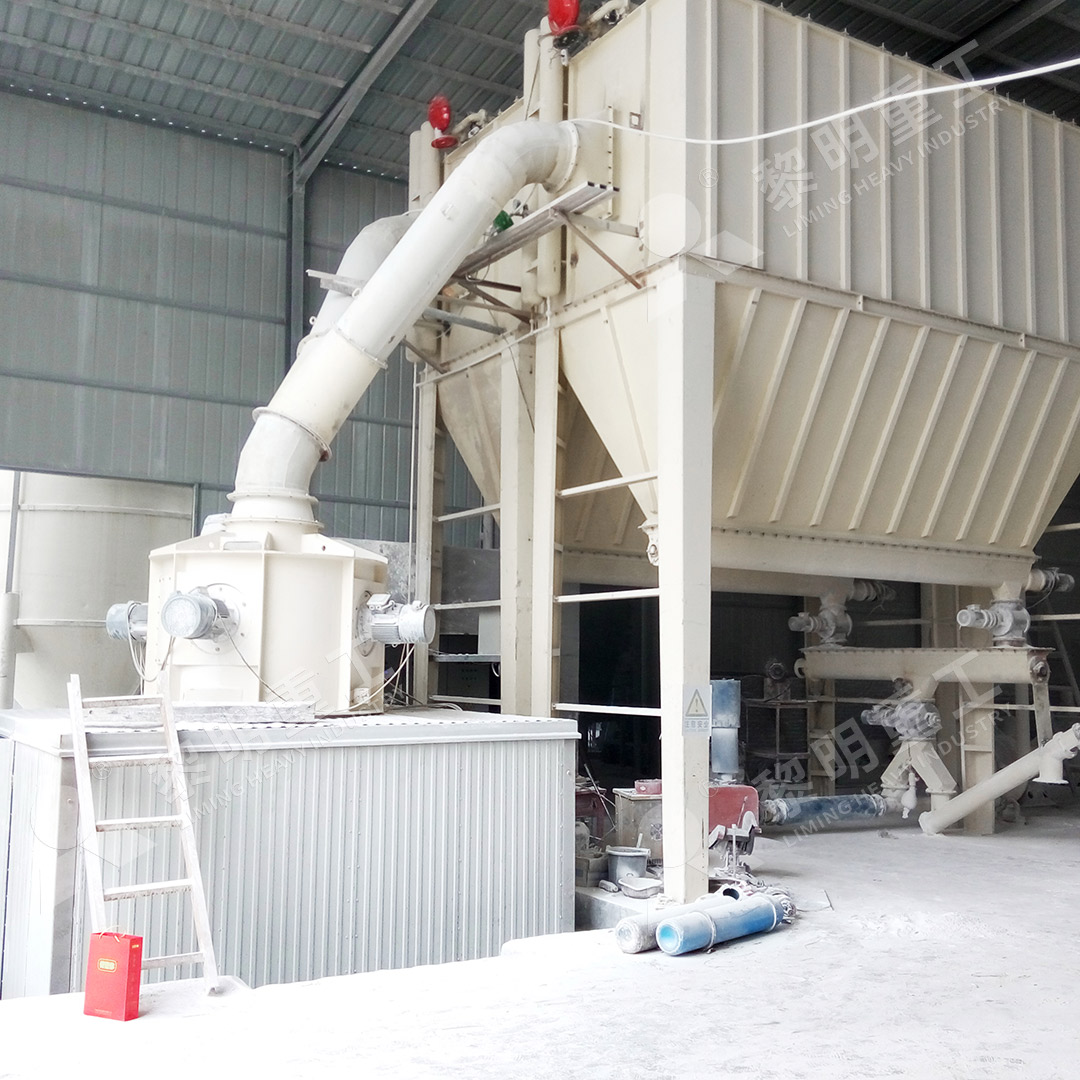
For large-scale production of fine brucite powder where vertical integration is key, our LM Vertical Grinding Mill is another premier choice. It integrates crushing, drying, grinding, classifying, and conveying in a single unit. Its coverage area is 50% smaller than a ball mill system, and it saves 30%-40% in energy consumption. The material’s short linger time reduces repeated grinding and results in lower iron content, effectively guaranteeing the whiteness and purity of the final brucite product—a crucial factor for many end-users.
Conclusion
The 5R Raymond Mill continues to be a dependable workhorse for brucite grinding, offering proven performance, operational simplicity, and cost-effectiveness for standard powder grades. When selecting equipment, carefully match your production targets (capacity, fineness, product purity) with the right mill technology. For projects demanding ultra-fine powders, higher efficiency, or superior environmental performance, exploring advanced solutions like our MW Ultrafine Grinding Mill or LM Vertical Grinding Mill can provide a decisive competitive edge, ensuring your operation is productive, sustainable, and ready to meet future market challenges.
Frequently Asked Questions (FAQ)
- What is the typical feed size for brucite entering a 5R Raymond Mill?
The feed material should first be crushed to a size of less than 25mm. A jaw crusher is typically used upstream of the mill system to achieve this. - Can a 5R Raymond Mill achieve a fineness of 800 mesh for brucite?
While it can reach higher fineness levels, efficiency and output drop significantly beyond 400-500 mesh. For consistent, high-yield production at 800 mesh and above, an ultrafine grinding mill like the MW series is a more suitable and economical choice. - How is the fineness of the final brucite powder controlled?
Fineness is primarily controlled by adjusting the speed of the built-in classifier. A faster rotor speed allows only finer particles to pass, resulting in a finer product. - What are the main wear parts in a 5R Raymond Mill grinding brucite?
The primary wear parts are the grinding rollers and the grinding ring. These should be inspected regularly and are manufactured from high manganese steel or other wear-resistant alloys to extend service life. - Is dust control a concern with brucite grinding?
Yes, effective dust collection is essential for worker safety, product recovery, and environmental compliance. A complete Raymond Mill system always includes a high-efficiency pulse jet dust collector (cyclone + bag filter) to capture over 99.9% of process dust. - What power requirement can I expect for a complete 5R system?
Total installed power for the main mill, classifier, feeder, crusher, and ancillary equipment can range from 200 kW to 350 kW, depending on the specific system configuration and capacity.