
5R Raymond Mill for 500 Mesh Powder Production: A Comprehensive Guide
We provide a wide range of mills — including Raymond mill, trapezoidal mill, vertical mill, ultrafine mill, and ball mill, obtained ISO9001 international quality certification, EU CE certification, and Customs Union CU-TR certification. Suitable for processing minerals such as limestone, phosphate, quicklime, kaolin, talc, barite, bentonite, calcium carbonate, dolomite, coal, gypsum, clay, carbon black, slag, cement raw materials, cement clinker, and more.
The discharge range of these mills can be adjusted to meet specific processing needs, typically from 80-400 mesh, 600-3250 mesh, and can achieve the finest particle size of up to 6000 mesh(D50).
If you are looking for a reliable grinding solution to turn stone or minerals into fine powder, please feel free to contact our online customer service.
5R Raymond Mill for 500 Mesh Powder Production
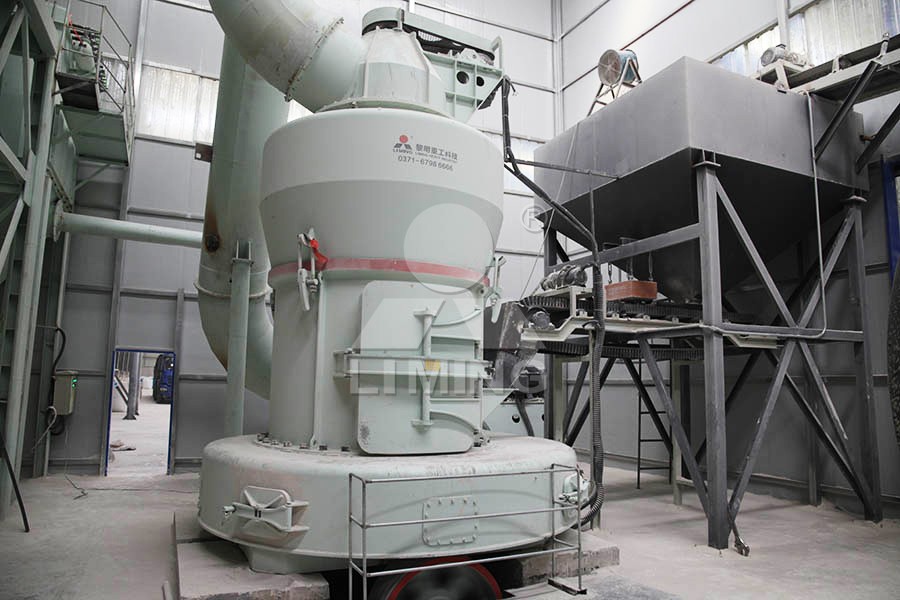
In the world of industrial powder processing, achieving consistent 500-mesh fineness represents a significant technical challenge that demands precision engineering and reliable equipment. The 5R Raymond Mill has established itself as a workhorse solution for this specific application, offering a balanced approach to medium-fine powder production across numerous industries.
Understanding the 500-Mesh Specification
When we discuss 500-mesh powder production, we’re referring to particles that pass through a screen with 500 openings per linear inch, corresponding to approximately 25-30 microns in particle size. This fineness level is crucial for applications in coatings, fillers, and chemical processing where surface area and reactivity are paramount. The 5R Raymond Mill, with its five grinding rollers, provides the necessary grinding force and precision to consistently achieve this specification while maintaining operational efficiency.
The fundamental advantage of the 5R configuration lies in its increased grinding pressure and capacity compared to smaller Raymond Mill variants. With five grinding rollers applying pressure against the grinding ring, the mill creates a larger effective grinding area, allowing for higher throughput while maintaining the precise particle size control needed for 500-mesh production.
Technical Considerations for 500-Mesh Production
Successfully producing 500-mesh powder requires careful attention to several operational parameters. Feed size must be consistently controlled, typically below 25mm, to ensure efficient grinding. Moisture content plays a critical role—excessive moisture can lead to clogging and reduced efficiency, while overly dry materials may create dust control challenges.
The classifier system within the 5R Raymond Mill deserves particular attention. For 500-mesh production, the classifier speed and blade configuration must be precisely calibrated to ensure proper separation of fine particles. This is where the experience of the operator and the quality of the mill’s design become evident. Proper maintenance of grinding elements—rollers and rings—is equally important, as wear directly impacts grinding efficiency and particle size distribution.
Beyond Traditional Raymond Mill Technology
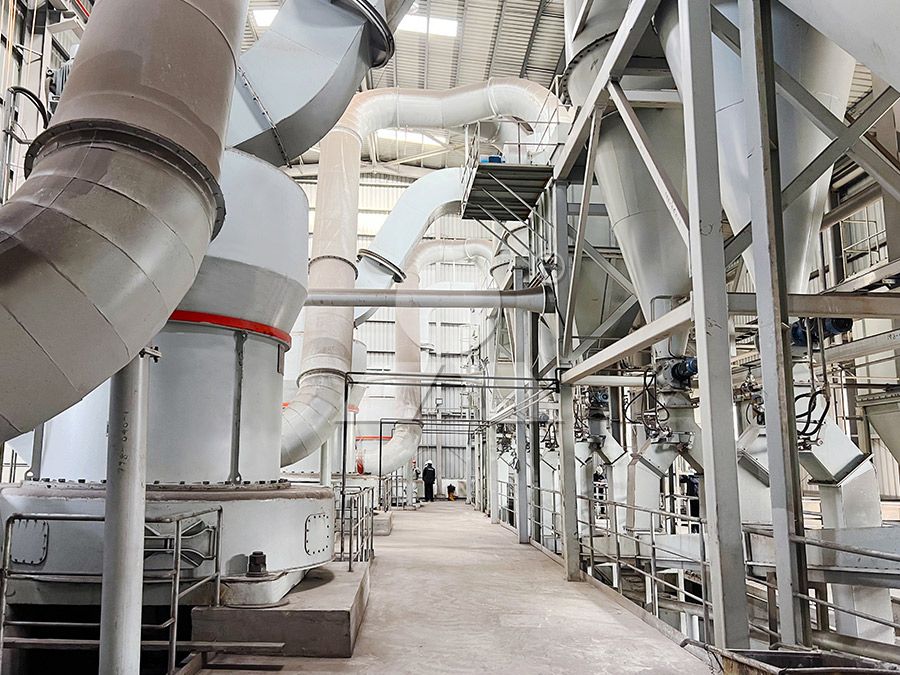
While the 5R Raymond Mill serves as an excellent solution for 500-mesh production, operations requiring finer powders or dealing with more challenging materials should consider advanced alternatives. For applications demanding ultra-fine powders ranging from 325 to 2500 meshes, the MW Ultrafine Grinding Mill represents a significant technological advancement.
The MW Series incorporates German cage-type powder selector technology that dramatically improves separation precision. What sets this mill apart is its ability to achieve d97≤5μm in a single pass, with energy consumption approximately 30% of traditional jet mills. The absence of rolling bearings and screws in the grinding chamber eliminates common failure points, while the external lubrication system enables continuous 24-hour operation without shutdowns for maintenance.
For operations prioritizing vertical space utilization and seeking even greater efficiency, the LUM Ultrafine Vertical Grinding Mill offers another compelling option. Integrating ultrafine powder grinding, grading, and transporting in a single unit, the LUM mill features unique roller shell and lining plate grinding curves that generate material layers more effectively. Its double position-limiting technology provides exceptional operational stability, while the reversible structure simplifies maintenance procedures significantly.
Operational Best Practices
Maintaining consistent 500-mesh production requires disciplined operational practices. Regular inspection of grinding elements helps prevent unexpected downtime, while systematic monitoring of power consumption provides early warning of efficiency issues. The integrated pulse dust collection system in modern mills ensures environmental compliance, but requires regular filter maintenance to maintain performance.
Material characteristics significantly influence operational parameters. Abrasive materials may require more frequent replacement of wear parts, while sticky materials might necessitate adjustments to airflow and classifier settings. Understanding these material-specific considerations allows operators to optimize mill performance for their specific application.
Economic Considerations
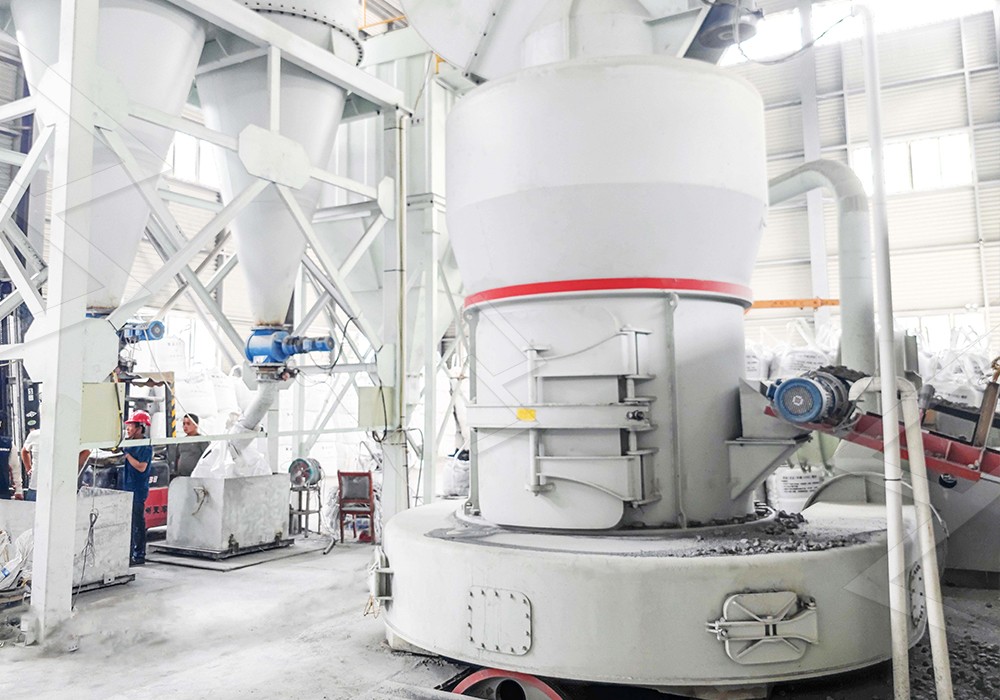
The selection of grinding equipment involves balancing capital investment against long-term operational costs. While the 5R Raymond Mill offers an attractive initial investment profile, operations requiring higher efficiency or finer grinding should evaluate the total cost of ownership of more advanced solutions. The MW Ultrafine Grinding Mill’s 40% higher production capacity compared to jet mills and twice the output of ball mills presents a compelling economic case for high-volume operations.
Energy consumption represents a significant portion of operating costs in powder production. Modern mills with optimized grinding curves and efficient classifiers can reduce energy requirements by 30-50% compared to conventional equipment. These savings, compounded over years of operation, often justify the higher initial investment in advanced grinding technology.
Future Trends in Powder Processing
The evolution of grinding technology continues to address industry demands for higher efficiency, finer powders, and reduced environmental impact. Digitalization plays an increasingly important role, with numerical control systems enabling unprecedented precision in manufacturing core components. The integration of PLC control systems allows for precise management of grinding pressure, revolution speed, and other critical parameters, contributing to more consistent product quality.
Environmental considerations continue to drive innovation, with modern mills incorporating advanced dust collection and noise reduction technologies. The industry trend toward fully automated operation reduces labor requirements while improving consistency and safety. As material science advances, we anticipate further improvements in wear-resistant materials that extend component life and reduce maintenance requirements.
Conclusion
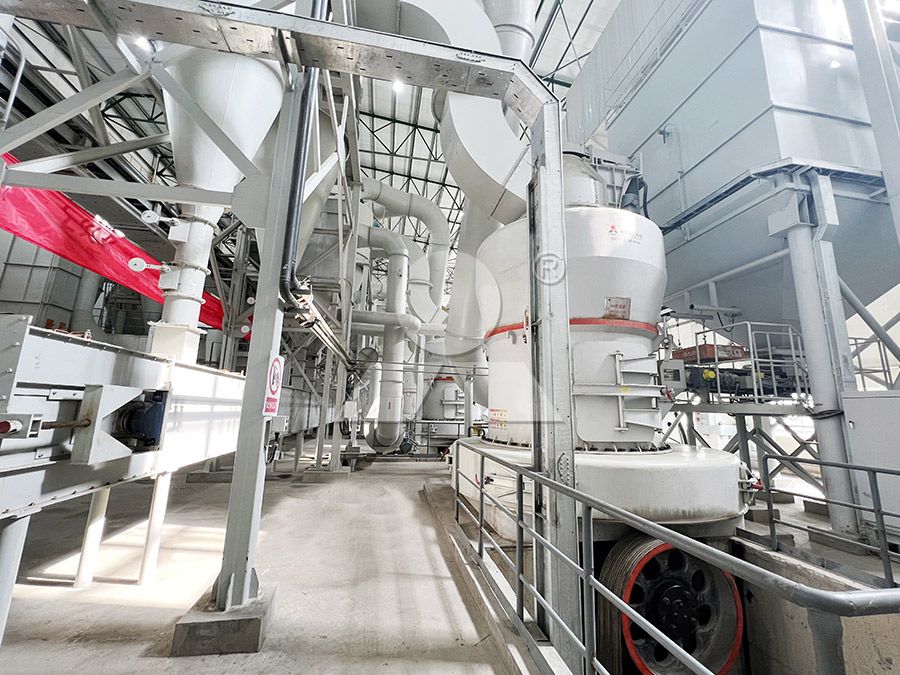
The 5R Raymond Mill remains a reliable and cost-effective solution for 500-mesh powder production, particularly for operations with moderate capacity requirements. However, as production demands evolve toward finer powders and higher efficiency, advanced solutions like the MW Ultrafine Grinding Mill and LUM Ultrafine Vertical Grinding Mill offer significant advantages in performance, energy efficiency, and operational reliability. The optimal equipment selection depends on specific production requirements, material characteristics, and economic considerations, making careful evaluation essential for long-term success in powder processing operations.
Frequently Asked Questions
What is the typical production capacity of a 5R Raymond Mill for 500-mesh powder?
The production capacity varies based on material characteristics, but typically ranges from 3-8 tons per hour for 500-mesh production. Harder materials generally result in lower throughput rates.
How does the 5R Raymond Mill compare to traditional ball mills for fine powder production?
The 5R Raymond Mill offers significantly higher energy efficiency and more precise particle size control compared to ball mills. It typically consumes 30-40% less energy while producing more consistent particle size distribution.
What maintenance intervals are required for optimal performance?
Grinding rollers and rings typically require inspection every 600-800 operating hours, with replacement needed after 2,000-3,000 hours depending on material abrasiveness. Regular lubrication and classifier maintenance should follow manufacturer recommendations.
Can the same mill produce different fineness levels?
Yes, through adjustment of the classifier speed and airflow, most Raymond Mills can produce powders ranging from 80 to 500 mesh. However, optimal efficiency is achieved within specific ranges.
What materials are unsuitable for Raymond Mill processing?
Materials with Mohs hardness exceeding 7, sticky or gummy substances, and materials with high moisture content (typically above 6%) may present challenges for standard Raymond Mills.
How does the MW Ultrafine Grinding Mill achieve higher efficiency?
The MW Mill incorporates newly designed grinding curves and German cage-type powder selector technology, enabling 40% higher production capacity compared to jet mills while consuming only 30% of the energy.
What safety features are incorporated in modern grinding mills?
Modern mills include multiple safety systems such as mechanical limiting protection, vibration monitoring, temperature sensors, and pressure relief mechanisms to ensure safe operation.
How does the LUM Vertical Grinding Mill simplify maintenance?
The LUM Mill features a reversible structure that allows grinding rollers to be easily moved out of the body for inspection and replacement, significantly reducing maintenance time and associated downtime.