
50TPH Lime Kiln Coal Mill Selection and Operation Guide
We provide a wide range of mills — including Raymond mill, trapezoidal mill, vertical mill, ultrafine mill, and ball mill, obtained ISO9001 international quality certification, EU CE certification, and Customs Union CU-TR certification. Suitable for processing minerals such as limestone, phosphate, quicklime, kaolin, talc, barite, bentonite, calcium carbonate, dolomite, coal, gypsum, clay, carbon black, slag, cement raw materials, cement clinker, and more.
The discharge range of these mills can be adjusted to meet specific processing needs, typically from 80-400 mesh, 600-3250 mesh, and can achieve the finest particle size of up to 6000 mesh(D50).
If you are looking for a reliable grinding solution to turn stone or minerals into fine powder, please feel free to contact our online customer service.
50TPH Lime Kiln Coal Mill Selection and Operation Guide
Selecting the right coal mill for a 50 TPH lime kiln operation is a critical decision that impacts efficiency, product quality, and overall operational costs. The goal is to achieve a consistent, finely ground coal powder with minimal energy consumption and maximum reliability. This guide will walk you through the key considerations and recommend a robust solution from our product line.
Key Selection Criteria
For a 50-ton-per-hour lime production line, the coal mill must handle a specific feed size and deliver a precise fineness for optimal combustion in the kiln. The primary factors include:
- Capacity & Feed Size: The mill must reliably achieve 50 TPH output. The input coal size is typically 0-20mm after primary crushing.
- Grinding Efficiency: Energy consumption is a major operational cost. A mill with higher grinding efficiency and lower specific energy consumption is paramount.
- Product Fineness: Coal for lime kilns often requires a fineness of 80% passing 200 mesh (74μm). The mill must offer adjustable and stable control over this fineness.
- Drying Capacity: Raw coal contains moisture. The mill system must integrate effective drying using kiln exhaust gasses or a dedicated hot air generator.
- Reliability & Maintenance: Lime kilns often run continuously for months. The mill must be robust, with easy access for maintenance and long-lasting wear parts to minimize downtime.
- Environmental Compliance: The entire system must operate with minimal dust emissions and noise pollution.
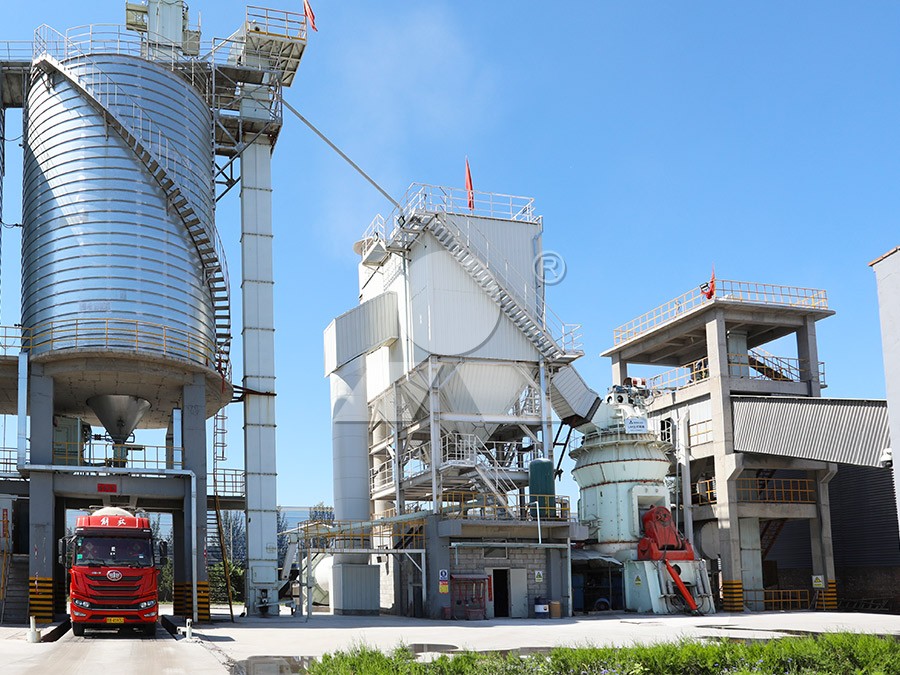
Recommended Solution: MW Ultrafine Grinding Mill
Based on your requirements, our MW Ultrafine Grinding Mill stands out as an exceptional choice. While often associated with ultra-fine powders, its design principles make it remarkably efficient for coal grinding applications where controlled fineness is key.
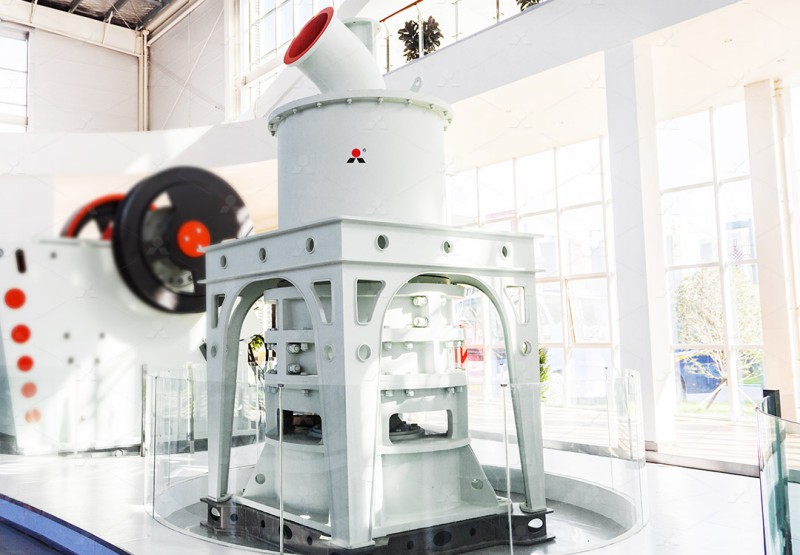
The MW Series Mill is engineered for customers who need to make precisely controlled powder. It’s equipped with an efficient pulse dust collector and muffler, significantly reducing dust and noise for a more eco-friendly operation that meets strict environmental standards.
Why it’s suited for your 50TPH lime kiln:
- Higher Yielding, Lower Energy Consumption: Its newly designed grinding curves enhance efficiency. With the same fineness and power, its production capacity is 40% higher than jet mills and double that of ball mills, while system energy consumption is slashed by 30%.
- Adjustable Fineness: Its German-technology, cage-type powder selector allows precise fineness adjustment between 325-2500 meshes, easily hitting your target kiln feed specification.
- Superior Reliability: A major advantage is the absence of rolling bearings and screws in the grinding chamber. This eliminates common failure points like bearing seizures or damage from loose screws, a common headache in 24/7 operations.
- Worry-free Operation: We stand behind every machine with comprehensive technical support and a sufficient supply of original spare parts, ensuring your lime production continues uninterrupted.
Operation Best Practices
Once the optimal mill is selected, proper operation is crucial:
- Consistent Feed: Ensure a steady and consistent feed rate of 0-20mm coal to avoid mill overload or starving, which affects efficiency and product fineness.
- Monitor Grinding Pressure: Keep a close eye on the grinding roller pressure. Adjust hydraulic settings to maintain optimal pressure for efficiency and to control wear.
- Control Airflow & Temperature: The incoming hot air temperature and volume are critical for drying and material transport. Optimize these parameters for moisture removal without damaging the mill internals.
- Routine Inspection: Implement a strict schedule for checking wear parts like roller shells and grinding rings. The MW Mill’s external lubrication system allows for maintenance without shutdowns.
- Pulse Jet Cleaning: Regularly check the pulse dust collector to ensure it’s functioning correctly, maintaining negative pressure in the system and preventing dust leaks.
Conclusion
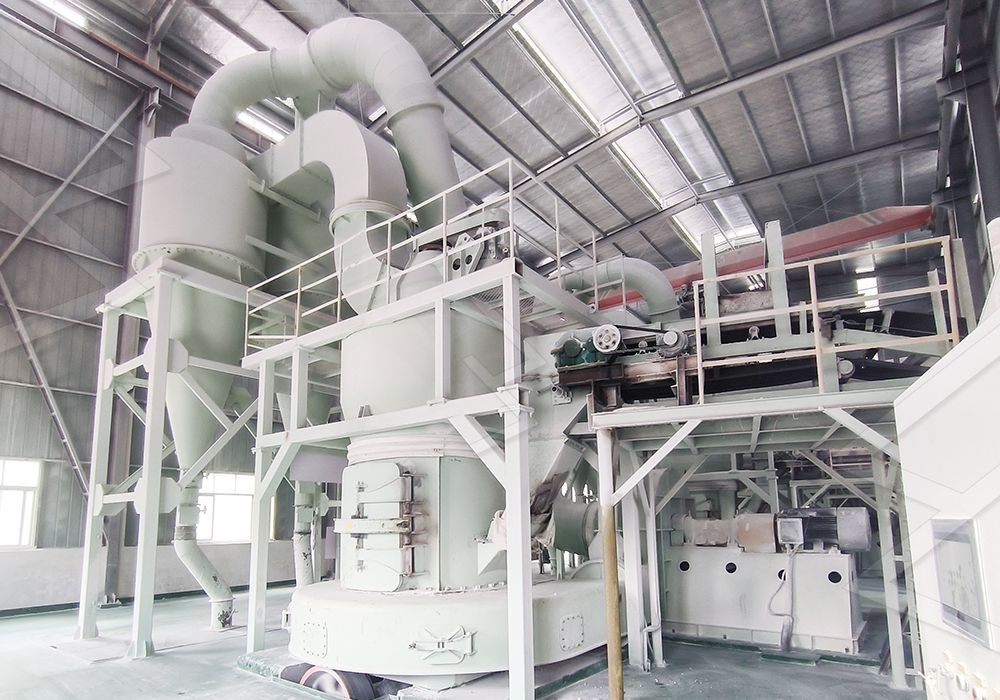
Selecting a coal mill for a 50 TPH lime kiln requires balancing capacity, efficiency, and reliability. Our MW Ultrafine Grinding Mill, with its high yield, low energy consumption, and robust, maintenance-friendly design, provides a technologically advanced and operationally sound solution. Its ability to produce a consistent, finely ground coal powder makes it an ideal partner for ensuring efficient and stable combustion in your lime kiln, ultimately contributing to higher quality lime production and lower operating costs.