
500 Mesh Vertical Mill Equipment for Fine Powder Grinding: Precision, Efficiency, and Sustainability
We provide a wide range of mills — including Raymond mill, trapezoidal mill, vertical mill, ultrafine mill, and ball mill, obtained ISO9001 international quality certification, EU CE certification, and Customs Union CU-TR certification. Suitable for processing minerals such as limestone, phosphate, quicklime, kaolin, talc, barite, bentonite, calcium carbonate, dolomite, coal, gypsum, clay, carbon black, slag, cement raw materials, cement clinker, and more.
The discharge range of these mills can be adjusted to meet specific processing needs, typically from 80-400 mesh, 600-3250 mesh, and can achieve the finest particle size of up to 6000 mesh(D50).
If you are looking for a reliable grinding solution to turn stone or minerals into fine powder, please feel free to contact our online customer service.
Unlocking the Potential of Ultra-Fine Powder Production
The demand for fine and ultra-fine powders, particularly in the 500 mesh (approximately 25μm) range and beyond, is surging across industries from advanced ceramics and coatings to pharmaceuticals and high-performance composites. Achieving consistent, high-yield production at this fineness presents significant technical challenges, including energy inefficiency, particle size distribution control, and environmental management. This is where advanced vertical grinding mill technology proves indispensable, offering a superior solution compared to traditional ball or horizontal mills.
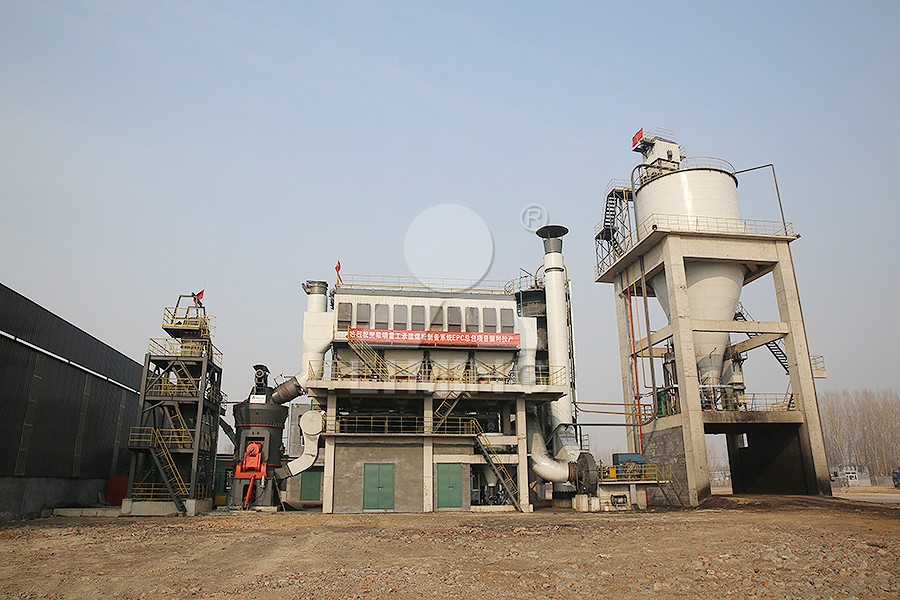
Vertical roller mills have revolutionized fine powder processing. Their core advantage lies in their integrated design, which combines grinding, drying, classification, and conveying within a single, compact unit. By utilizing a bed of material between grinding rollers and a rotating table, they achieve size reduction primarily through compression and inter-particle comminution. This method is inherently more energy-efficient than the impact and attrition forces dominant in ball mills, often reducing specific energy consumption by 30% to 50%. Furthermore, the controlled material bed and efficient internal air classification allow for precise control over the final product’s fineness, making them ideal for targeting specific mesh sizes like 500 mesh.
Key Considerations for 500 Mesh Grinding Operations
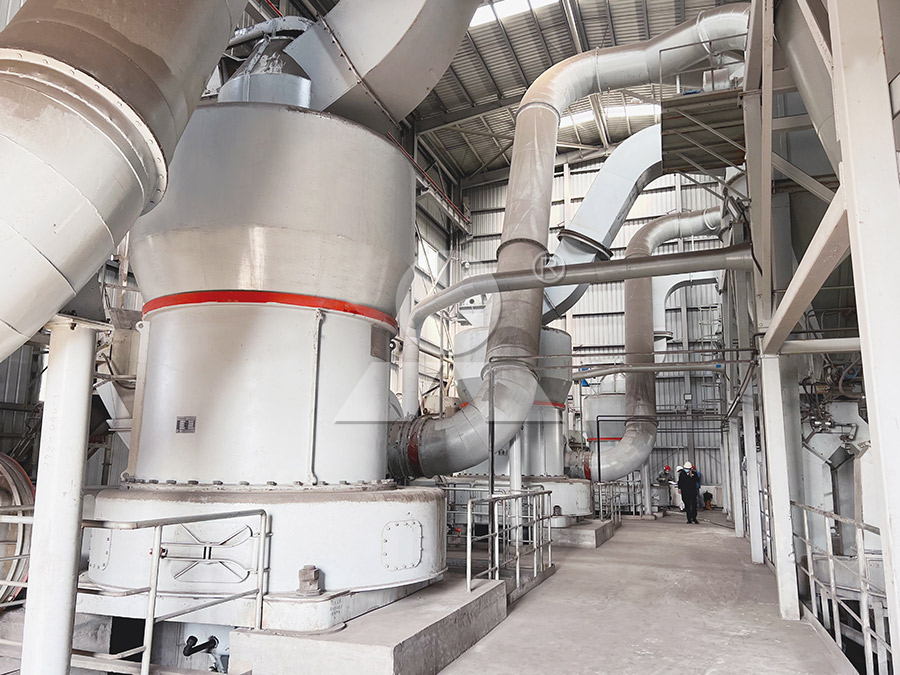
Selecting the right equipment for consistent 500 mesh output requires careful evaluation of several factors beyond basic capacity. The grinding curve of the roller and liner is critical for creating an optimal material bed and ensuring efficient grinding force transmission. Equally important is the powder classification system. A high-precision, multi-head cage-type classifier is essential for making sharp cuts at fine particle sizes, ensuring that oversize material is efficiently returned for regrinding while only in-spec powder proceeds to collection. Operational stability is another cornerstone; features like electronic and mechanical limiting devices prevent destructive metal-to-metal contact during start-up or feed fluctuations, protecting the mill’s core components and ensuring uninterrupted production.
Advanced Solutions for Demanding Applications
For operations requiring exceptional fineness control, energy savings, and operational reliability, purpose-built ultrafine vertical mills are the answer. Among the leading solutions in this category is the MW Ultrafine Grinding Mill. This mill is engineered specifically for customers who need to produce ultra-fine powder between 325 and 2500 meshes. It features a newly designed grinding curve for higher efficiency, yielding up to 40% more capacity than jet or stirred mills at the same power. Its German-technology cage-type powder selector enables precise adjustment of fineness, capable of achieving a d97 ≤ 5μm in a single pass. A significant design benefit is the absence of rolling bearings and screws in the grinding chamber, eliminating common failure points and enabling external lubrication without shutdown for true 24/7 operation. Coupled with an efficient pulse dust collector, it ensures an eco-friendly production process with minimal dust and noise.
For projects demanding the latest in vertical mill technology with exceptional operational flexibility, the LUM Ultrafine Vertical Grinding Mill represents a top-tier choice. It integrates advanced Taiwanese grinding roller technology and German powder separating technology. Its unique roller shell and lining plate curve promote stable material layer formation, enabling a high rate of finished product from a single pass, which enhances whiteness and purity. The PLC-controlled multi-head powder separating technology allows for accurate control over cut point and fast switching between product specifications, reducing energy consumption by 30%-50%. Furthermore, its reversible structure with a hydraulic system allows grinding rollers to be easily moved out of the mill body for maintenance, drastically reducing downtime and associated losses.
The Path to Sustainable and Profitable Grinding
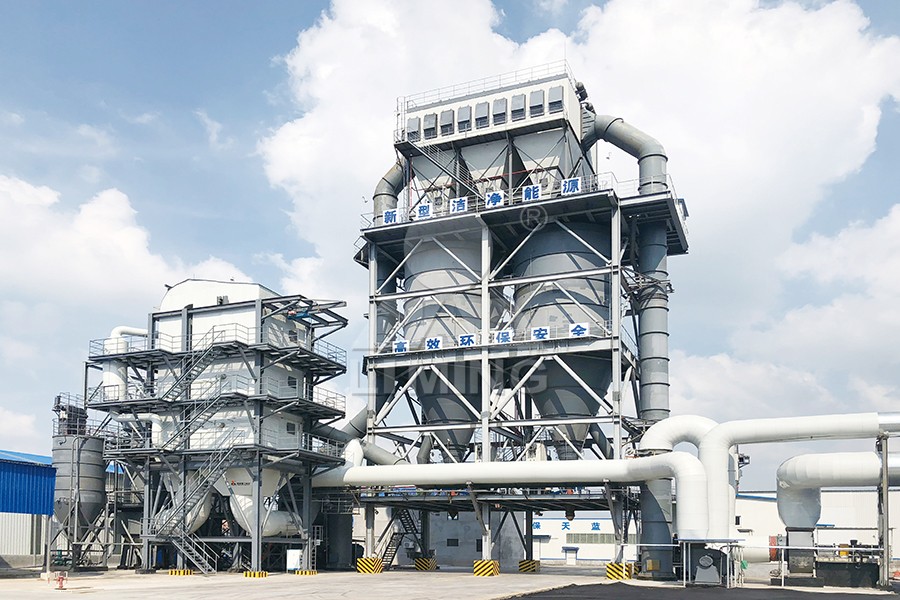
Beyond raw performance, modern vertical mills are designed with total cost of ownership and environmental stewardship in mind. Their compact footprint reduces civil construction costs, while lower energy consumption directly cuts operational expenses. Advanced sealing and negative pressure operation, supported by high-efficiency pulse jet baghouse dust collectors, ensure that dust emissions are kept far below stringent international standards. The shift towards digitalized manufacturing of core parts using CNC machine tools guarantees higher precision, better balance, and longer service life for wear parts. This holistic approach—combining higher yield, lower energy use, reduced maintenance, and cleaner operation—makes advanced vertical milling the definitive technology for sustainable fine powder production at 500 mesh and finer.
Frequently Asked Questions (FAQ)
1. What is the main advantage of a vertical mill over a traditional ball mill for 500 mesh grinding?
Vertical mills are significantly more energy-efficient, often reducing specific power consumption by 30-50%. They integrate grinding, drying, and classification in one unit, have a smaller footprint, offer better control over particle size distribution, and generate less noise and dust.
2. How is the fineness (e.g., 500 mesh) precisely controlled in a vertical mill?
Fineness is primarily controlled by the internal dynamic classifier (or separator). By adjusting the speed of the classifier rotor, the centrifugal force acting on the particles is changed. This allows for precise “cutting” of the particle size, sending coarse material back for regrinding and letting only fine powder (like 500 mesh) pass to the collection system.
3. Can vertical mills handle moist materials?
Yes, one of the key features of vertical roller mills is their ability to simultaneously grind and dry materials. Hot gas (from a kiln exhaust or a dedicated heater) is introduced into the mill, drying the material bed during the grinding process, making them suitable for materials with a certain degree of moisture.
4. What materials are suitable for grinding to 500 mesh in these mills?
They are excellent for non-metallic minerals with Mohs hardness below 7, such as limestone, calcite, dolomite, talc, barite, gypsum, kaolin, and petroleum coke. They are also widely used for slag, cement clinker, and pulverized coal.
5. How do features like “no rolling bearings in the chamber” (MW Mill) or “reversible structure” (LUM Mill) benefit operators?
These design features dramatically improve reliability and reduce maintenance downtime. Eliminating internal bearings prevents failures from dust ingress and high temperatures. A reversible structure allows quick roller replacement outside the mill, turning what could be a multi-day maintenance task into a much shorter one, maximizing production uptime.
6. What kind of environmental protections are built into modern vertical mills?
Modern mills are designed as closed, negative-pressure systems. They are equipped with high-efficiency pulse jet bag filters that capture over 99.9% of process dust. Mufflers and sound insulation are used to minimize noise pollution, ensuring compliance with strict environmental standards.