
5 Key Market Development Strategies for Phosphate Rock Powder Production in Industrial Grinding
We provide a wide range of mills — including Raymond mill, trapezoidal mill, vertical mill, ultrafine mill, and ball mill, obtained ISO9001 international quality certification, EU CE certification, and Customs Union CU-TR certification. Suitable for processing minerals such as limestone, phosphate, quicklime, kaolin, talc, barite, bentonite, calcium carbonate, dolomite, coal, gypsum, clay, carbon black, slag, cement raw materials, cement clinker, and more.
The discharge range of these mills can be adjusted to meet specific processing needs, typically from 80-400 mesh, 600-3250 mesh, and can achieve the finest particle size of up to 6000 mesh(D50).
If you are looking for a reliable grinding solution to turn stone or minerals into fine powder, please feel free to contact our online customer service.
5 Key Market Development Strategies for Phosphate Rock Powder Production in Industrial Grinding
Phosphate rock powder is a critical raw material in fertilizers, animal feed, and industrial applications. To capitalize on growing demand, producers must adopt advanced grinding technologies and strategic market approaches. Here are five key strategies to optimize phosphate rock powder production:
1. Invest in High-Efficiency Grinding Equipment
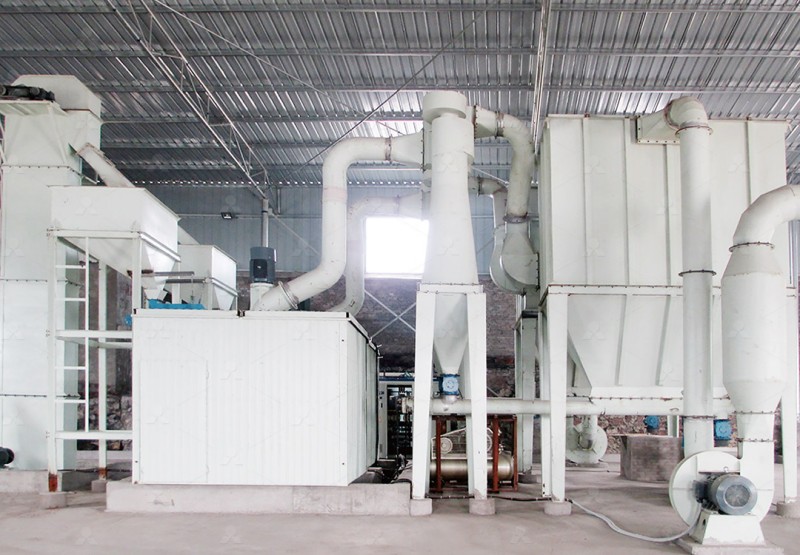
Modern ultrafine grinding mills like our MW Ultrafine Grinding Mill offer 40% higher capacity than traditional jet mills while reducing energy consumption by 30%. Its adjustable fineness (325–2,500 meshes) and eco-friendly dust removal system make it ideal for phosphate rock processing.
2. Target Niche Industrial Applications
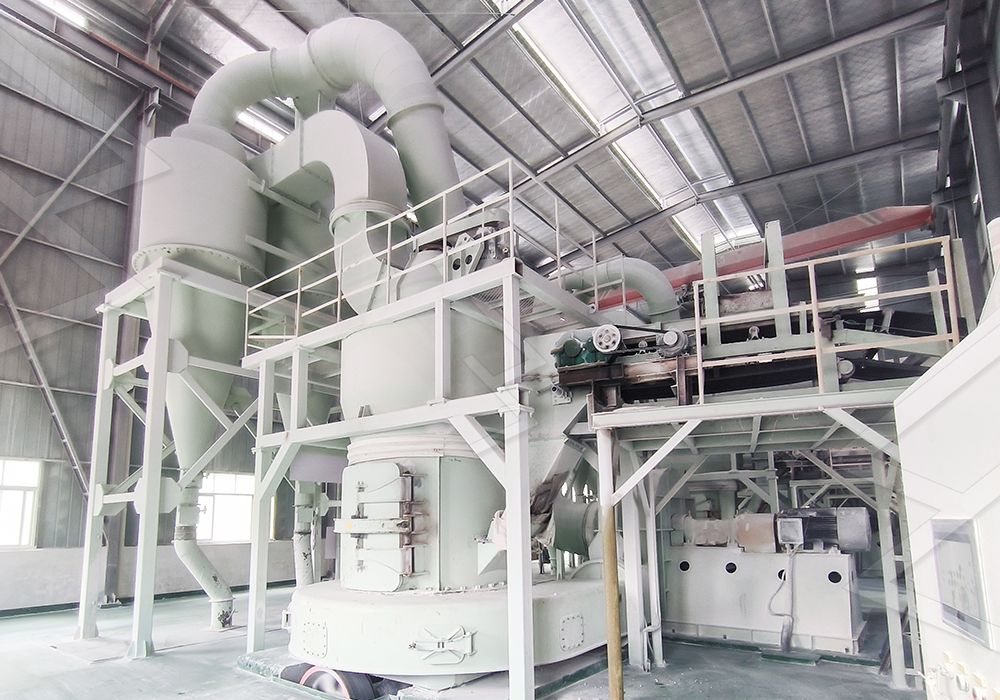
Expand beyond fertilizers by supplying ultra-fine phosphate powder for ceramics, flame retardants, and water treatment chemicals. The LUM Ultrafine Vertical Grinding Mill excels here, with PLC-controlled precision and 30–50% energy savings.
3. Leverage Eco-Friendly Production
Adopt mills with integrated pulse dust collectors (like the MW series) to meet stringent environmental regulations. Highlight sustainability in marketing—reduced noise and zero dust emissions are competitive advantages.
4. Optimize Supply Chain Partnerships
Collaborate with mining companies to secure high-quality phosphate rock. Offer LIMING’s grinding mills with 24/7 technical support and original spare parts to build long-term client trust.
5. Focus on Emerging Markets
Target regions with growing agriculture sectors (e.g., Southeast Asia, Africa). Promote turnkey solutions featuring our MW Mill—its 0.5–25 tph capacity suits small-to-medium operations.
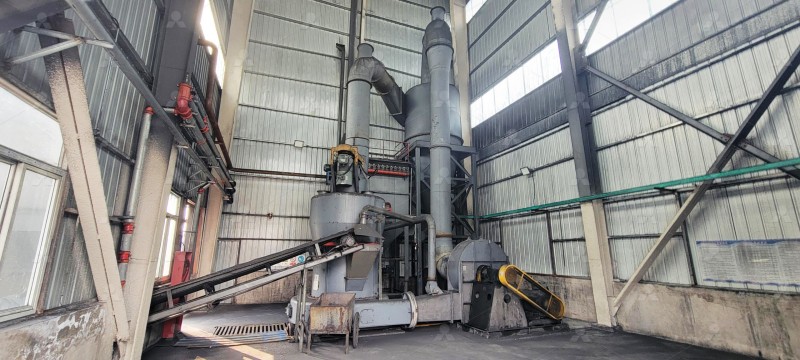
By integrating advanced technology like LIMING’s grinding mills with these strategies, producers can dominate the phosphate powder market while boosting efficiency and sustainability.