
5 Key Factors in Choosing Mill Mold Manufacturing Machine Tools
We provide a wide range of mills — including Raymond mill, trapezoidal mill, vertical mill, ultrafine mill, and ball mill, obtained ISO9001 international quality certification, EU CE certification, and Customs Union CU-TR certification. Suitable for processing minerals such as limestone, phosphate, quicklime, kaolin, talc, barite, bentonite, calcium carbonate, dolomite, coal, gypsum, clay, carbon black, slag, cement raw materials, cement clinker, and more.
The discharge range of these mills can be adjusted to meet specific processing needs, typically from 80-400 mesh, 600-3250 mesh, and can achieve the finest particle size of up to 6000 mesh(D50).
If you are looking for a reliable grinding solution to turn stone or minerals into fine powder, please feel free to contact our online customer service.
5 Key Factors in Choosing Mill Mold Manufacturing Machine Tools
Selecting the right grinding mill for mold manufacturing isn’t just about picking a machine; it’s about investing in the backbone of your production quality and efficiency. The wrong choice can lead to inconsistent finishes, excessive downtime, and skyrocketing operational costs. After decades in the industry, we’ve identified the five non-negotiable factors that separate a good investment from a great one.
1. Precision and Particle Size Control
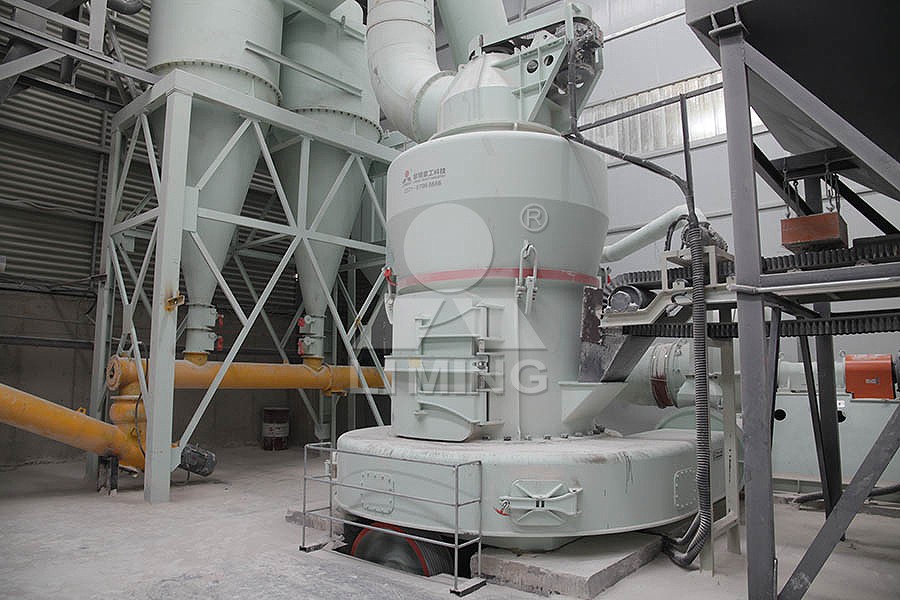
In mold manufacturing, the difference between a good finish and a perfect one is often measured in microns. The ability to consistently produce ultra-fine, uniform powder is paramount. Look for mills with advanced powder separation technology that allows for precise adjustments. For instance, cage-type powder selectors, like those employing German technologies, can effectively increase the precision of powder separation. The fineness should be adjustable within a wide range, say between 325-2500 meshes, to cater to various mold materials and finishing requirements. A machine that can achieve a screening rate of d97≤5μm in a single pass is a significant asset.
2. Operational Reliability and Maintenance Ease
Downtime is the enemy of profit. A machine tool must be built for relentless operation with minimal intervention. Key design features to look for include the absence of rolling bearings and screws in the grinding chamber. This eliminates common failure points and worries about damage to bearings or their seals. Furthermore, a well-designed mill will have external lubrication systems that allow for maintenance without shutting down the production line, enabling true 24/7 operation. A reversible structure for heavy grinding rollers is another huge plus, allowing operators to easily move components out for inspection and replacement, drastically reducing maintenance time and associated costs.
3. Energy Efficiency and Output Capacity
In today’s competitive landscape, efficiency isn’t a luxury; it’s a necessity. The goal is higher yield with lower energy consumption. Compare the production capacity and power draw against industry standards. For example, some modern mills can offer production capacity 40% higher than jet or stirred grinding mills with the same fineness and power, and double the yield of a traditional ball mill, while simultaneously reducing system energy consumption by 30% or more. This directly translates to a lower cost per ton and a stronger bottom line.
4. Environmental and Operational Safety
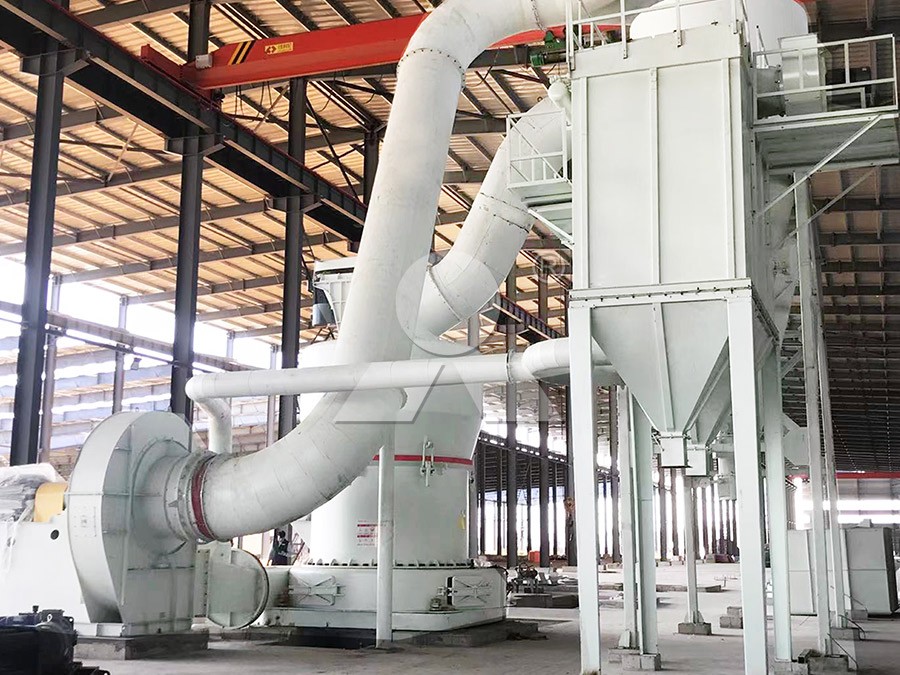
A modern workshop must be clean, safe, and compliant. The grinding system should be a closed, negative-pressure system equipped with an efficient pulse dust collector to ensure no dust pollution escapes during operation. This is non-negotiable for operator safety and environmental regulations. Additionally, integrated silencers and noise elimination features are essential to protect hearing and reduce overall plant noise levels. Choosing a mill that operates fully within national environmental protection standards future-proofs your investment.
5. Build Quality and Technical Support
The machine is only as good as the company behind it. Look for evidence of digitalized processing and high-precision manufacturing, such as the use of numerical control (NC) machine tools for core components. This ensures longevity and consistent performance. Perhaps most critically, choose a supplier whose business covers production and sales, and who takes full responsibility for their machines. They should offer comprehensive technical services and guarantee a sufficient supply of original spare parts to ensure years of worry-free operation. Don’t underestimate the value of reliable support.
Our Recommended Solution: The MW Ultrafine Grinding Mill
Considering these five factors, our MW Ultrafine Grinding Mill stands out as an exceptional choice for precision mold manufacturing. It’s engineered for customers who need to make ultra-fine powder without compromise.
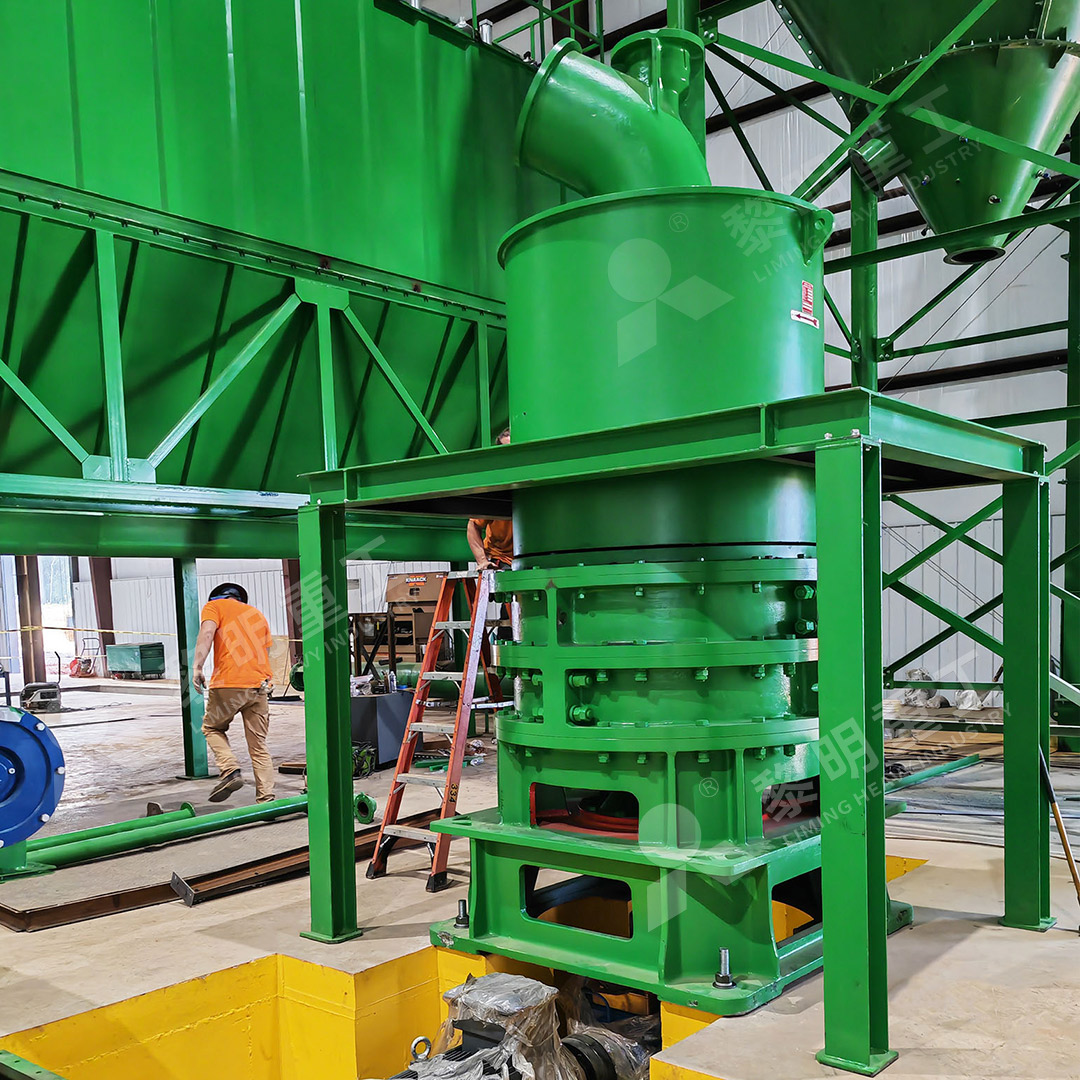
With an input size of 0-20 mm and a capacity range of 0.5-25 tph, it’s versatile for various batch sizes. Its newly designed grinding curves enhance efficiency, delivering 40% higher capacity than jet mills and double the yield of ball mills while slashing energy use by 30%. The German-technology cage-type powder selector allows you to precisely adjust fineness between 325-2500 meshes. Crucially, its chamber has no rolling bearings or screws, virtually eliminating those common failure points. Coupled with an efficient pulse dust collector and muffler, it ensures an eco-friendly, quiet, and reliable operation that aligns perfectly with the key selection criteria.
Ultimately, the right machine tool is a strategic partner. By prioritizing precision, reliability, efficiency, safety, and quality support, you invest not just in equipment, but in the future success and reputation of your mold manufacturing operations.