
5 Key Factors Affecting Cement Ball Mill Grinding Efficiency
We provide a wide range of mills — including Raymond mill, trapezoidal mill, vertical mill, ultrafine mill, and ball mill, obtained ISO9001 international quality certification, EU CE certification, and Customs Union CU-TR certification. Suitable for processing minerals such as limestone, phosphate, quicklime, kaolin, talc, barite, bentonite, calcium carbonate, dolomite, coal, gypsum, clay, carbon black, slag, cement raw materials, cement clinker, and more.
The discharge range of these mills can be adjusted to meet specific processing needs, typically from 80-400 mesh, 600-3250 mesh, and can achieve the finest particle size of up to 6000 mesh(D50).
If you are looking for a reliable grinding solution to turn stone or minerals into fine powder, please feel free to contact our online customer service.
5 Key Factors Affecting Cement Ball Mill Grinding Efficiency
Ball mills are the workhorses of the cement industry, responsible for the crucial task of reducing clinker to the fine powder we know as cement. However, achieving optimal grinding efficiency is a complex challenge influenced by a multitude of factors. Understanding and controlling these variables is paramount for maximizing throughput, minimizing energy consumption, and ensuring product quality. Here, we delve into the five most critical factors impacting the performance of your cement ball mill.
1. Feed Material Properties
The characteristics of the feed material are the starting point for efficient grinding. Key properties include:
- Particle Size Distribution: A consistent and optimally sized feed (typically <25mm) is crucial. Oversized material requires more energy to break down, while excessive fines can lead to overgrinding and cushioning, reducing impact efficiency.
- Grindability (Hardness): The Bond Work Index is a common measure. Harder materials like clinker demand more energy and may require adjustments to grinding media size or mill speed.
- Moisture Content: High moisture can lead to clogging, ball coating, and reduced efficiency. Effective drying or pre-drying of the feed is often necessary.
2. Grinding Media (Balls)
The grinding media are the primary agents of size reduction. Their management is vital.
- Size & Distribution: A well-graded charge of balls of different sizes ensures both impact (for coarse particles) and attrition (for fine particles). An improper mix severely hampers efficiency.
- Quality & Wear Rate: High-chrome or alloy steel balls offer superior wear resistance, maintaining their size and shape longer. High wear rates change the media charge profile, leading to inconsistent grinding and increased operational costs.
- Charge Volume: The filling ratio of the mill (typically 25-35% of the mill volume) must be optimized. An underfilled mill lacks grinding power, while an overfilled mill reduces the kinetic energy of the cascading balls.
3. Mill Ventilation & Temperature Control
Internal mill climate is often an overlooked but critical factor.
- Air Flow: Adequate ventilation removes the fine product, preventing agglomeration and cushioning. It also carries away heat generated by the grinding process.
- Temperature: Excessive heat (>120°C) can dehydrate gypsum, causing false set in the final cement. It can also damage mill internals and cause thermal expansion issues. Effective cooling via water injection or air flow is essential.
4. Mill Speed & Liner Design
The rotational speed of the mill and the design of its protective liners dictate the motion of the grinding charge.
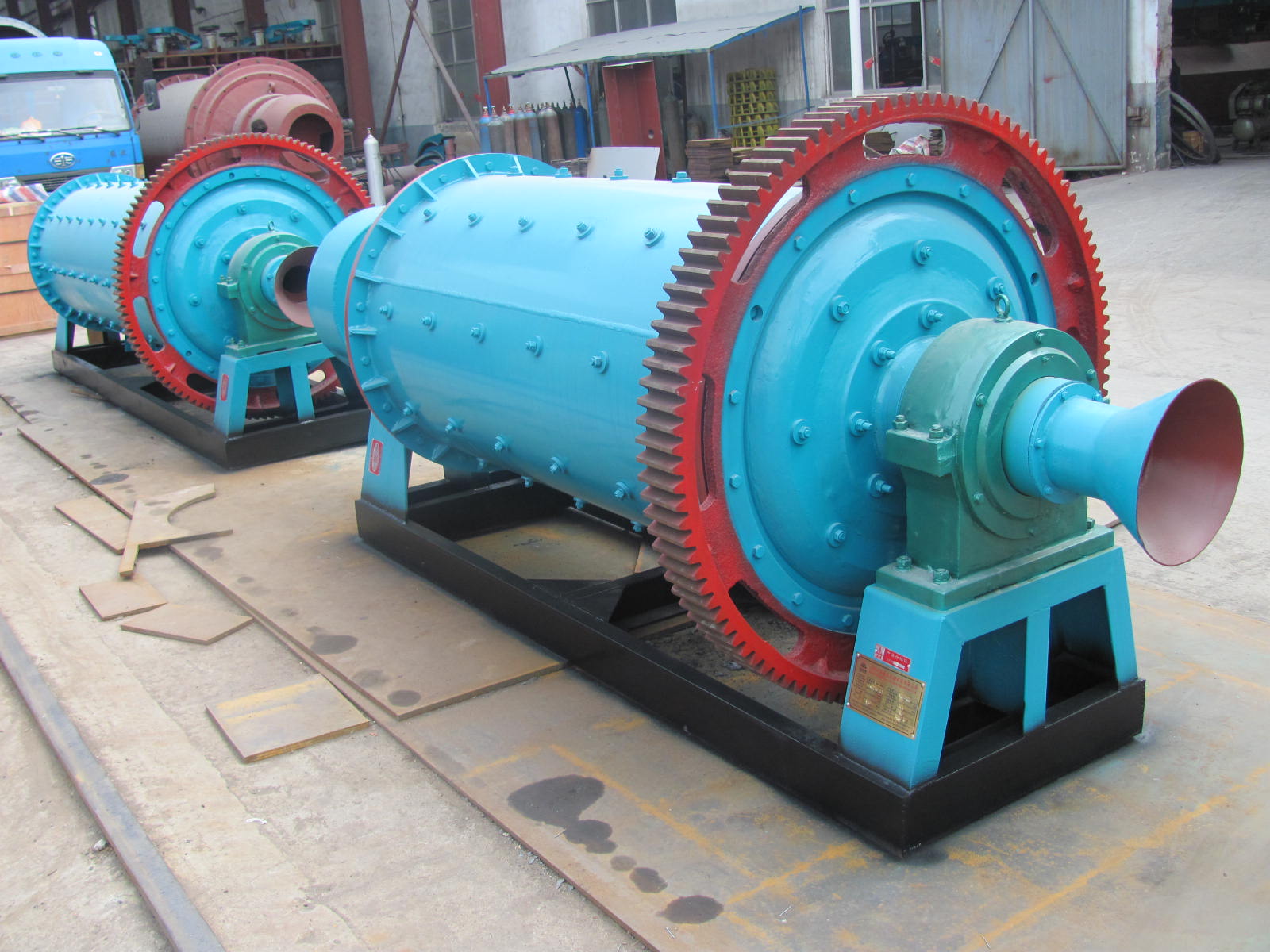
- Critical Speed: Mills operate at 65-80% of their critical speed (the speed at which centrifugal force pins the media to the shell). Operating too slow results in insufficient cascading; too fast results in centrifuging, where grinding action ceases.
- Liner Profile: Liners lift the grinding media for effective impact. Worn or incorrectly designed liners fail to provide the necessary lift, drastically reducing efficiency and increasing power draw.
5. Classification & Circulating Load
Grinding is a closed-circuit process. The separator’s performance is just as important as the mill’s.
- Separator Efficiency: A high-efficiency separator cleanly splits the ground material, returning coarse particles to the mill and sending fine product to storage. Poor separation allows fines to recirculate (overgrinding) or coarse material to leave the circuit (under grinding).
- Circulating Load: This is the ratio of the separator’s returns to the final product. An optimal load (typically 150-250%) ensures a cushion of material for the balls to grind against, improving efficiency. It must be carefully monitored and controlled.
Beyond the Ball Mill: Embracing Modern Grinding Technology
While ball mills are robust and reliable, modern grinding technology offers significant advancements in efficiency for specific applications, particularly for producing ultra-fine powders or when energy consumption is a primary concern.
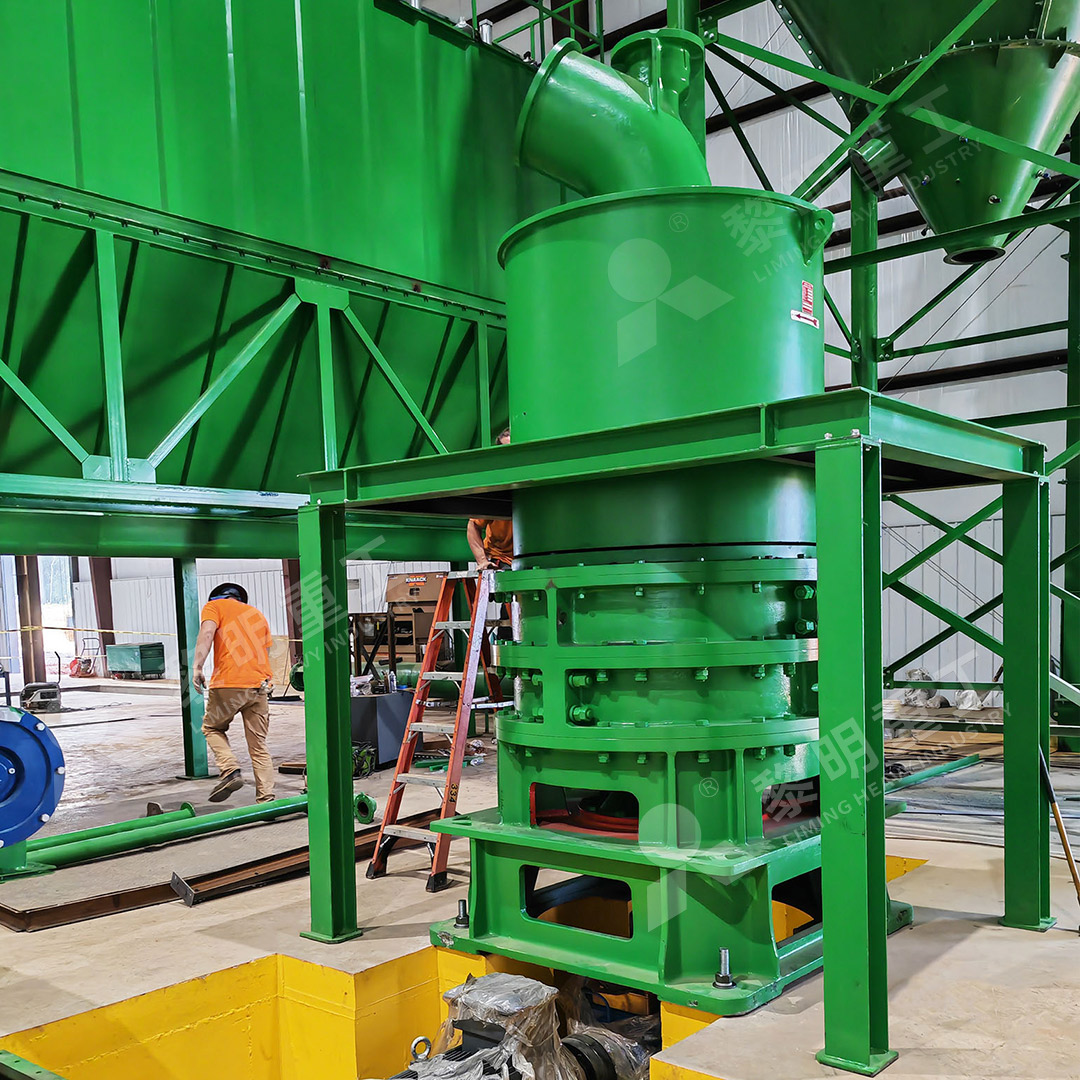
For operations looking to enhance their product range or improve efficiency for specialized materials, our MW Ultrafine Grinding Mill presents a superior alternative. This mill is engineered for customers requiring ultra-fine powder between 325-2500 meshes. It boasts a 40% higher production capacity than jet mills or stirred mills at the same power and fineness, while slashing system energy consumption by up to 70%. Its innovative design, featuring a German-technology cage-type powder selector and no internal rolling bearings or screws, ensures high precision, reliability, and eco-friendly operation with minimal dust and noise.
In conclusion, optimizing a cement ball mill is a continuous process of monitoring and adjusting these five key factors. A holistic approach that considers the entire grinding circuit—from feed to classification—is essential for unlocking maximum productivity and cost-effectiveness. For new projects or upgrades, considering advanced solutions like our MW series can provide a competitive edge in today’s market.