
450 TPH Ball Mill Manufacturers in Indonesia: Price and Supplier Guide
We provide a wide range of mills — including Raymond mill, trapezoidal mill, vertical mill, ultrafine mill, and ball mill, obtained ISO9001 international quality certification, EU CE certification, and Customs Union CU-TR certification. Suitable for processing minerals such as limestone, phosphate, quicklime, kaolin, talc, barite, bentonite, calcium carbonate, dolomite, coal, gypsum, clay, carbon black, slag, cement raw materials, cement clinker, and more.
The discharge range of these mills can be adjusted to meet specific processing needs, typically from 80-400 mesh, 600-3250 mesh, and can achieve the finest particle size of up to 6000 mesh(D50).
If you are looking for a reliable grinding solution to turn stone or minerals into fine powder, please feel free to contact our online customer service.
Navigating the Indonesian Ball Mill Market for High-Capacity Needs
For mining and industrial operations in Indonesia requiring heavy-duty grinding capabilities, the 450 TPH (tonnes per hour) ball mill represents a significant piece of equipment. Sourcing such high-capacity machinery requires careful consideration of manufacturers, price points, and, crucially, the technological advancements that ensure efficiency and reliability. While traditional ball mills are a common sight, the modern processing plant often demands more sophisticated solutions to reduce energy consumption and improve product quality.
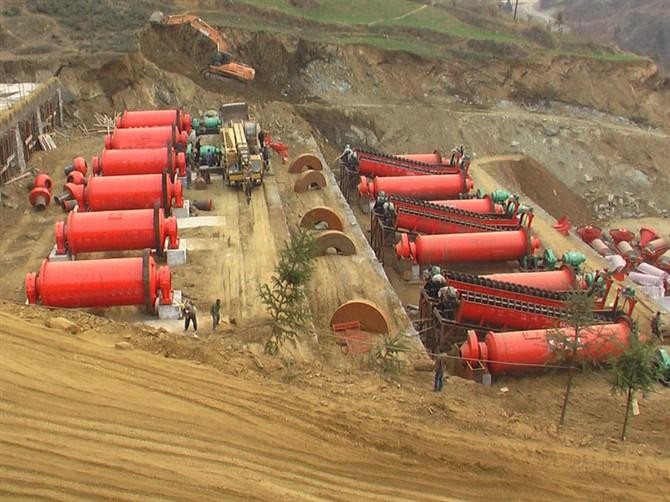
Understanding the 450 TPH Ball Mill Landscape
The market for industrial grinding mills in Indonesia is competitive, with several international and domestic manufacturers offering equipment. A traditional 450 TPH ball mill is a substantial investment. Prices can vary widly based on factors like material of construction, drive system, liner design, and included automation packages. While initial capital outlay is important, savvy operators are increasingly looking at the total cost of ownership, which includes energy consumption, maintenance downtime, and spare part availability.
Beyond the Ball Mill: The Shift to Advanced Grinding Technology
While ball mills are effective, they are notoriously energy-intensive. For many applications, particularly where a finer product is desired, alternative grinding technologies can offer superior performance and lower operational costs. This is where considering a manufacturer’s full portfolio becomes key.
For instance, our MW Ultrafine Grinding Mill is an exceptional solution for operations that need to produce ultra-fine powder. With an input size of 0-20 mm and a capacity range of 0.5-25 TPH, it’s perfect for secondary or tertiary grinding stages. Its design is engineered for higher yield and lower energy consumption—achieving a production capacity 40% higher than jet mills and using only 30% of the energy. Furthermore, it features no rolling bearings or screws in the grinding chamber, virtually eliminating common failure points and allowing for worry-free 24/7 operation. The integrated efficient pulse dust collector also ensures the production process is eco-friendly, a growing concern for Indonesian operations.

Choosing the Right Supplier in Indonesia
Selecting a manufacturer goes beyond just the machine specs. You need a partner that offers comprehensive after-sales support, readily available spare parts, and local technical expertise. Look for suppliers with a proven track record of installations in Indonesia and a strong service network across the archipelago. This ensures that when you need maintenance or technical assistance, help is readily available, minimizing potential downtime that can cost thousands of dollars per hour.
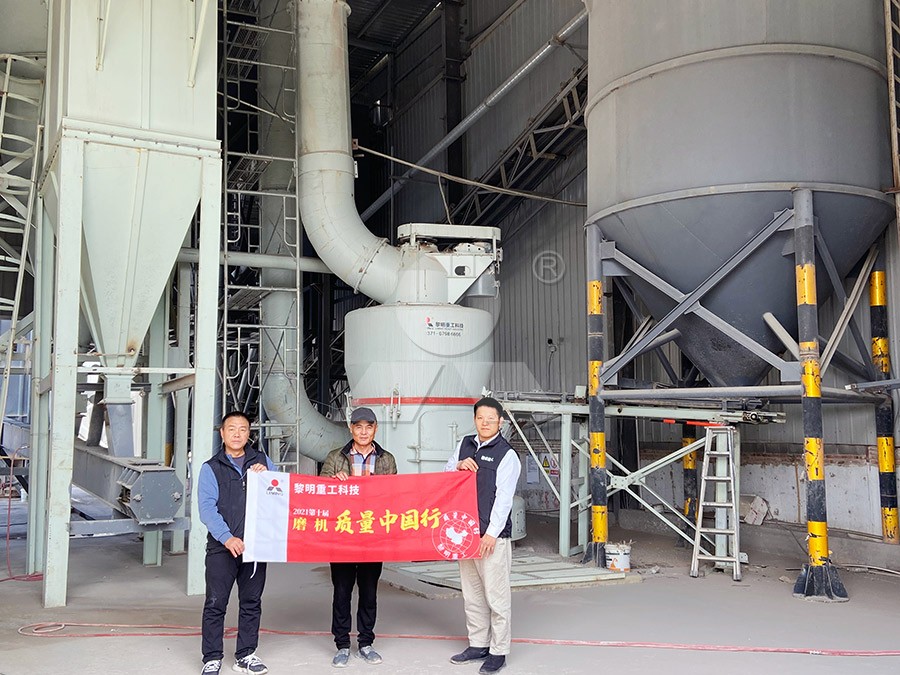
Another robust option from our range for high-capacity needs is the LM Vertical Grinding Mill. It integrates crushing, drying, grinding, classifying, and conveying into a single unit. Its coverage area is 50% smaller than a comparable ball mill system, and it saves 30%-40% in energy consumption. With a massive capacity range of 3-340 TPH, it can handle everything from non-metallic minerals to pulverized coal and slag, making it an incredibly versatile choice for large-scale Indonesian projects.
Final Considerations on Price and Value
When evaluating a 450 TPH ball mill or its alternatives, the cheapest upfront price is rarely the most economical long-term. Engage with manufacturers who can provide detailed operational cost projections. Consider the value of features like digitalized processing for higher precision, automated control systems, and designs that prioritize easy maintenance. By partnering with a technology-forward supplier, you’re not just buying a mill; you’re investing in the efficiency and profitability of your entire operation for years to come.