
40 Mesh Dolomite Grinding Mill: Price, Types, and Selection Guide
We provide a wide range of mills — including Raymond mill, trapezoidal mill, vertical mill, ultrafine mill, and ball mill, obtained ISO9001 international quality certification, EU CE certification, and Customs Union CU-TR certification. Suitable for processing minerals such as limestone, phosphate, quicklime, kaolin, talc, barite, bentonite, calcium carbonate, dolomite, coal, gypsum, clay, carbon black, slag, cement raw materials, cement clinker, and more.
The discharge range of these mills can be adjusted to meet specific processing needs, typically from 80-400 mesh, 600-3250 mesh, and can achieve the finest particle size of up to 6000 mesh(D50).
If you are looking for a reliable grinding solution to turn stone or minerals into fine powder, please feel free to contact our online customer service.
Introduction: Navigating the 40 Mesh Dolomite Grinding Landscape
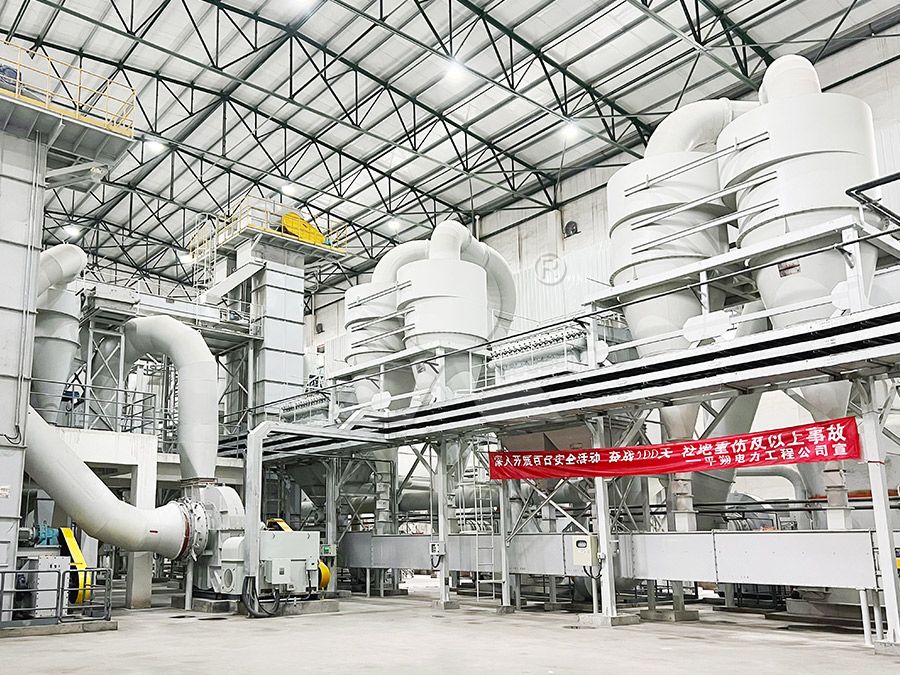
Producing a consistent 40 mesh (approximately 425 microns) dolomite powder is a common requirement across industries like agriculture, glass manufacturing, and construction materials. Selecting the right grinding mill for this specific task is crucial for balancing operational efficiency, product quality, and long-term cost. The market offers a variety of mill types, each with distinct mechanisms, capabilities, and price points. This guide will dissect the key factors influencing your choice and highlight optimal solutions for your 40 mesh dolomite production.
Understanding Key Selection Criteria
Before comparing mill types, define your project’s non-negotiable parameters. Feed Size: The maximum size of your crushed dolomite input directly limits your options. Required Capacity (TPH): Your target hourly output is a primary driver for mill size and power. Energy Consumption: Grinding is energy-intensive; a more efficient mill significantly reduces operating costs. Footprint & Installation: Consider available plant space and the complexity of auxiliary systems (feeding, classifying, dust collection). Final Product Contamination: For high-purity applications, minimal iron introduction from wear parts is essential. Finally, Total Cost of Ownership encompasses not just the initial purchase price but also energy use, maintenance frequency, and spare part longevity.
Mill Types for 40 Mesh Dolomite Production
Several grinding technologies can achieve a 40 mesh product, but their suitability varies dramatically.
- Raymond Mill (Roller Mill): A traditional and cost-effective choice for mid-range fineness. It’s well-suited for 40 mesh production, offering a relatively simple design and lower initial investment. However, for higher capacities or stricter fineness control, its efficiency may lag behind newer designs.
- Ball Mill: The ubiquitous workhorse for grinding. It’s versatile and can handle a wide feed size range. For 40 mesh dolomite, it is reliable but often less energy-efficient compared to vertical or trapezium mills. Its grinding media (steel balls) can contribute to higher iron contamination, which may be a concern for some applications.
- European Trapezium Grinding Mill (e.g., MTW/MTW-Z Series): This represents an evolved generation of ring-roller mills. It features advanced systems like dilute oil lubrication for the grinding roller (maintenance-free compared to frequent greasing) and elastic damping structures for smoother operation. The bevel gear overall drive and curved air duct enhance transmission efficiency and reduce system resistance, leading to better energy savings and higher output for the same power draw. It’s an excellent balanced choice for high-capacity 40 mesh production where operational stability and lower maintenance are priorities.
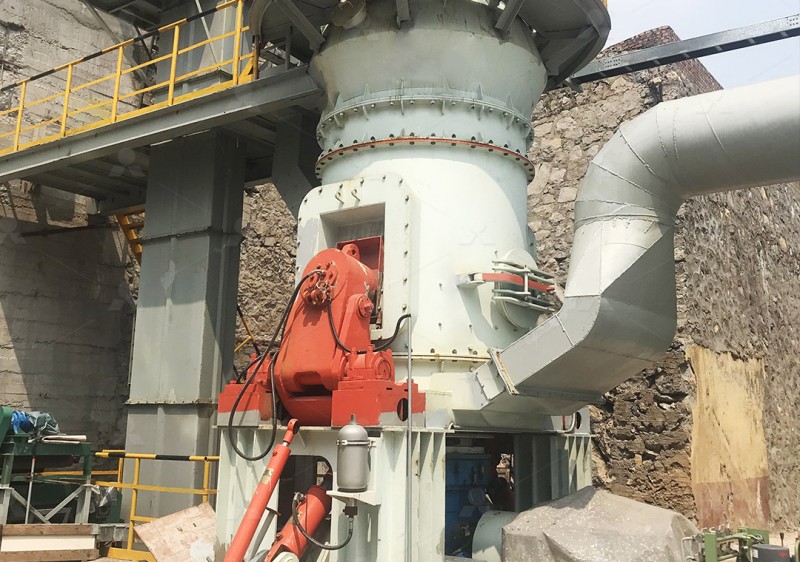
- Vertical Grinding Mill (e.g., LM, LUM Series): These mills integrate drying, grinding, classifying, and conveying. They are highly energy-efficient, with a significantly smaller footprint. The material bed grinding principle and external grinding roller system minimize metal-to-metal contact, reducing iron contamination—a key advantage for preserving dolomite whiteness. They are ideal for larger-scale, modern plants focused on low operating costs and high product purity.
Spotlight on Advanced Solutions: The MW and LUM Series
For operations that may require flexibility or plan future expansion into ultra-fine powders, investing in a mill with a broader fineness range is strategic. LIMING’s MW Ultrafine Grinding Mill is engineered precisely for this forward-thinking approach. While capable of producing standard 40 mesh powder with high efficiency, its standout feature is the adjustable fineness range of 325-2500 meshes. This is achieved through a advanced German-technology cage-type powder selector. Imagine needing to supply 40 mesh filler for plastics one year and 1250 mesh coating material the next; the MW mill can handle both without a major system overhaul. Furthermore, its innovative design eliminates rolling bearings and screws inside the grinding chamber, virtually eradicating downtime from these common failure points. Paired with an efficient pulse dust collector, it ensures an environmentally clean operation from start to finish.
For dedicated, high-volume production of fine powders like 40 mesh dolomite with exceptional stability, the LUM Ultrafine Vertical Grinding Mill is a premier choice. It incorporates the latest grinding roller and powder separating technologies. Its unique roller shell and lining plate grinding curve promotes efficient material layer formation, yielding a high rate of finished product in a single pass. This translates to 30%-50% lower energy consumption compared to conventional mills. A critical feature for uninterrupted production is its double position-limiting technology, which protects the mill from destructive vibration impacts. When maintenance is required, its reversible structure allows the grinding roller to be easily hydraulically swung out for swift servicing, minimizing downtime losses.
Price Considerations and Final Recommendations
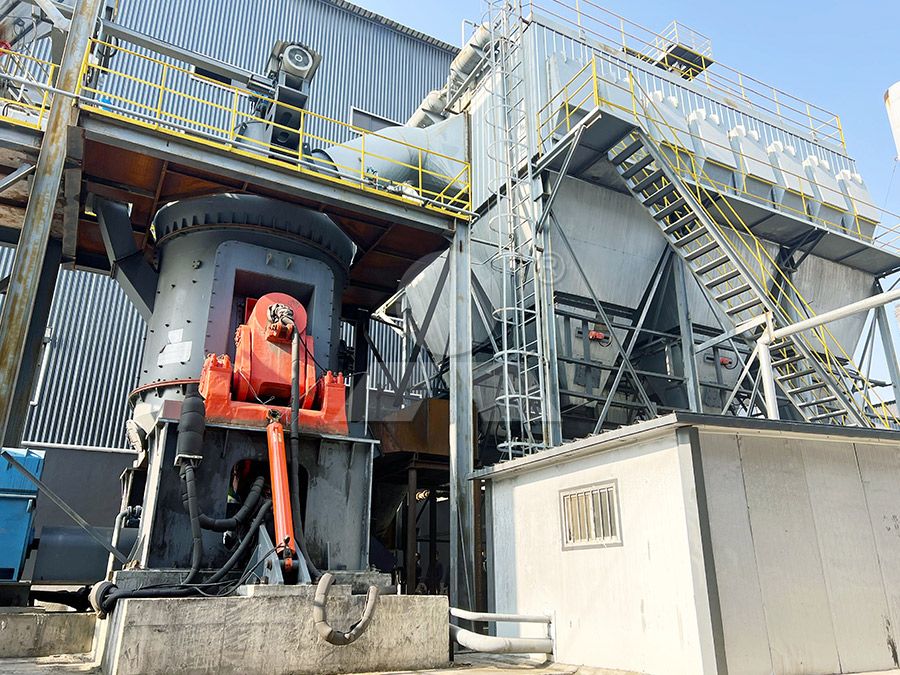
Price is seldom a simple number. A basic Raymond mill might have the lowest upfront cost. A Ball mill might be moderately priced but incur higher energy bills. Advanced mills like the MTW-Z European Trapezium Mill or the LUM Vertical Mill command a higher initial investment but justify it through dramatically lower operating costs, higher availability, and superior product quality over their lifespan.
For your 40 mesh dolomite operation:
- Choose a Raymond or MTW Series Mill if your budget is constrained upfront, capacity demands are moderate, and you prioritize proven, simpler technology.
- Choose an LM Vertical Mill if you have large capacity requirements (3-340 TPH), seek the lowest possible energy consumption per ton, and have a focus on integrated, compact plant design.
- Choose the MW Ultrafine Grinding Mill if you require exceptional flexibility to produce powders from coarse (20mm feed) to ultra-fine (2500 mesh) with one system, value maximum reliability from its bearing-free chamber design, and want to future-proof your investment.
- Choose the LUM Ultrafine Vertical Grinding Mill for top-tier efficiency and product quality in the fine-to-ultrafine range, where operational stability, easy maintenance, and precision control of grinding parameters are paramount.
Engage with a reputable supplier who can provide test milling services with your actual dolomite sample. This is the most reliable way to finalize capacity, power, and wear part life estimates, turning a calculated selection into a confident investment.
Frequently Asked Questions (FAQ)
1. What is the typical price range for a mill capable of 40 mesh dolomite?
Prices vary widely based on capacity, technology, and configuration. Small Raymond mills may start in the tens of thousands of dollars, while large, fully-equipped vertical or advanced trapezium mills for high-tonnage operations can range into several hundred thousand dollars. The most accurate quote requires details on your required TPH, feed size, and site conditions.
2. Can one mill produce both 40 mesh and much finer dolomite powder?
Yes, but not all mills are designed for this wide range. Traditional Raymond and ball mills are less efficient at ultra-fine grinding. Mills like the MW Ultrafine Grinding Mill are specifically designed for this purpose, featuring advanced, adjustable cage-type powder selectors that allow precise control from 325 to 2500 meshes, making them ideal for versatile production lines.
3. How significant is energy consumption in operating cost?
Extremely significant. Grinding can account for over 60% of a plant’s power bill. Investing in a more energy-efficient mill (e.g., LUM or LM Vertical Mill, which can save 30-50% vs. ball mills) often leads to a faster return on investment through drastically reduced operating expenses, even with a higher purchase price.
4. What are the main maintenance concerns for these mills?
Primary concerns are wear of grinding components (rollers/rings/balls/liners) and reliability of lubrication and transmission systems. Advanced designs address these directly. For example, the MTW-Z European Trapezium Mill’s dilute oil lubrication system is virtually maintenance-free compared to manual greasing, and the MW Ultrafine Mill’s lack of internal bearings and screws removes common failure points, leading to worry-free operation and higher uptime.
5. How important is dust collection for a dolomite grinding mill?
Critical. Dolomite dust is a nuisance and a health hazard. Modern mills like the MW and LUM series are designed as closed-loop systems integrated with high-efficiency pulse jet dust collectors. This ensures the operation meets environmental standards, protects workers’ health, and recovers valuable product that would otherwise be lost.