
3R3016 Raymond Mill: Ultrafine Powder Grinding Machine Specifications & Price
We provide a wide range of mills — including Raymond mill, trapezoidal mill, vertical mill, ultrafine mill, and ball mill, obtained ISO9001 international quality certification, EU CE certification, and Customs Union CU-TR certification. Suitable for processing minerals such as limestone, phosphate, quicklime, kaolin, talc, barite, bentonite, calcium carbonate, dolomite, coal, gypsum, clay, carbon black, slag, cement raw materials, cement clinker, and more.
The discharge range of these mills can be adjusted to meet specific processing needs, typically from 80-400 mesh, 600-3250 mesh, and can achieve the finest particle size of up to 6000 mesh(D50).
If you are looking for a reliable grinding solution to turn stone or minerals into fine powder, please feel free to contact our online customer service.
3R3016 Raymond Mill: Ultrafine Powder Grinding Machine Specifications & Price
In the demanding world of industrial powder processing, achieving consistent, high-quality fine powders is paramount for success across numerous sectors. For decades, the Raymond Mill has stood as a cornerstone of this industry, renowned for its reliability and efficiency. The 3R3016 model represents a mature and proven design, offering a robust solution for medium-scale grinding operations. This article delves into the specifications, operational principles, and value proposition of the 3R3016 Raymond Mill, while also exploring more advanced alternatives for modern production needs.
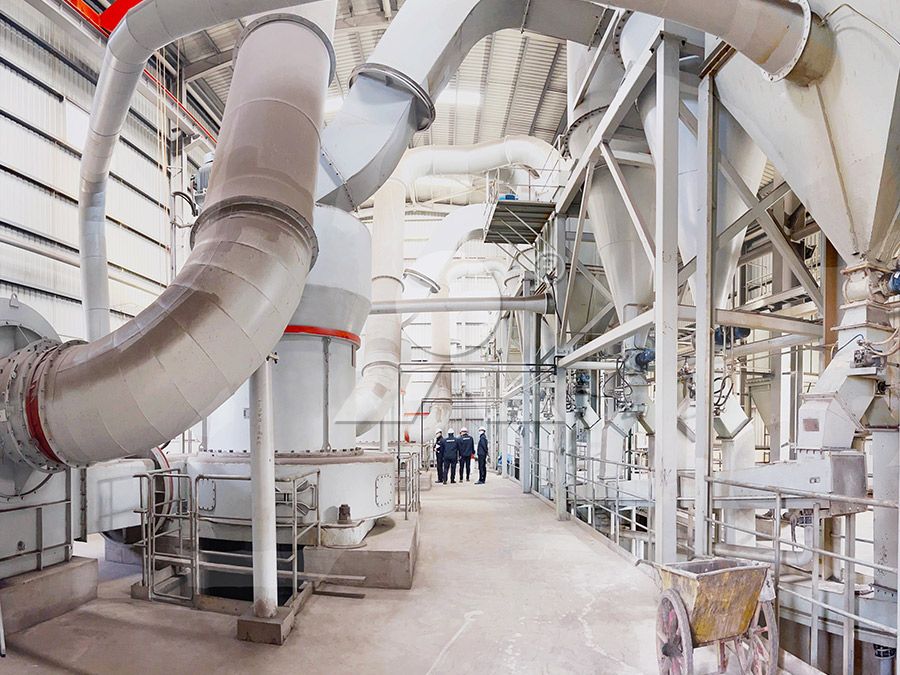
Core Specifications & Operational Profile
The 3R3016 Raymond Mill is designed for processing non-flammable and non-explosive materials with a Mohs hardness of less than 7 and humidity below 6%. Its nomenclature, “3R,” indicates it is equipped with three grinding rollers. Key specifications typically include:
- Max Feed Size: <25 mm
- Capacity: Approximately 0.6 – 5 tons per hour (tph), depending on material characteristics and desired fineness.
- Fineness Range: Adjustable from 80 to 325 mesh (approximately 180 to 45 microns).
- Main Motor Power: Usually around 30-37 kW, driving the grinding ring via a central shaft.
The machine’s strength lies in its straightforward, time-tested mechanical design. The centrifugal force generated by the rotation of the grinding ring causes the rollers to swing outward, pressing against the ring and crushing the material fed between them. A built-in classifier ensures that only particles meeting the target fineness leave the grinding chamber, while coarser material is recycled for further grinding. This closed-circuit system promotes efficiency and consistent product quality.
Advantages and Traditional Applications
The 3R3016 model is prized for several key benefits that have cemented its place in the market:
- Proven Reliability: With a simple mechanical structure and fewer electronic components, it offers dependable, long-term operation with relatively straightforward maintenance.
- Compact Footprint: Its vertical design requires less floor space compared to some alternative grinding systems like ball mills.
- Cost-Effectiveness: It generally presents a lower initial investment cost and, for suitable applications, provides a favorable balance between output and energy consumption.
- Wide Material Suitability: It is effectively used for grinding materials such as limestone, calcite, barite, dolomite, potassium feldspar, talc, marble, and activated clay.
These attributes make the 3R3016 a solid choice for small to medium-sized enterprises in industries like mining, construction materials, and chemicals, where the required fineness is within the 80-325 mesh range.
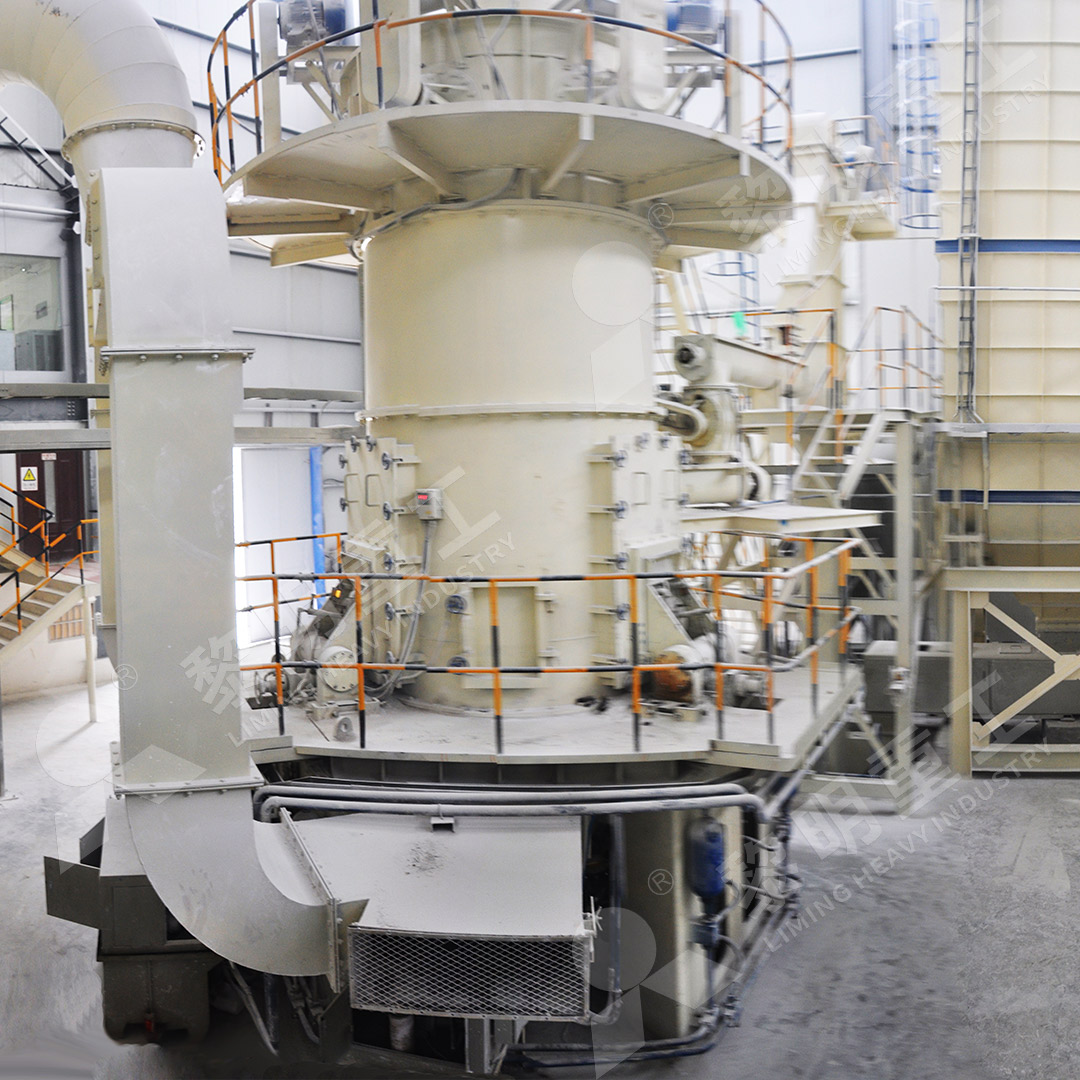
Evolving Beyond Tradition: The Need for Higher Performance
While the 3R3016 Raymond Mill is a workhorse, modern industry increasingly demands higher efficiency, finer powders, and more environmentally friendly operations. Limitations of traditional designs can include higher energy consumption per ton for ultra-fine grinding, limited fineness adjustment, and challenges in achieving completely dust-free operation. This is where next-generation grinding technology steps in.
For clients whose projects require superior performance—such as producing powders finer than 325 mesh, achieving higher output with lower specific energy consumption, or requiring more advanced environmental controls—we strongly recommend evaluating our advanced grinding solutions.
Modern Alternatives for Superior Results
To address the evolving needs of the market, we have developed grinding mills that incorporate cutting-edge technology. Two standout models that offer significant advantages over traditional Raymond mill designs are our MW Ultrafine Grinding Mill and our LUM Ultrafine Vertical Grinding Mill.
The MW Ultrafine Grinding Mill is engineered specifically for customers who need to make ultra-fine powder. It represents a leap forward in grinding technology. With an input size of 0-20 mm and a capacity ranging from 0.5 to 25 tph, it is remarkably versatile. Its most notable feature is its ability to produce powder with a fineness adjustable between 325 and an impressive 2500 meshes. This is achieved through a German-technology-inspired cage-type powder selector. Furthermore, its innovative design eliminates rolling bearings and screws inside the grinding chamber, drastically reducing maintenance worries and the risk of mechanical failure. The integration of an efficient pulse dust collector and muffler ensures the entire production process is clean and quiet, meeting stringent environmental standards.
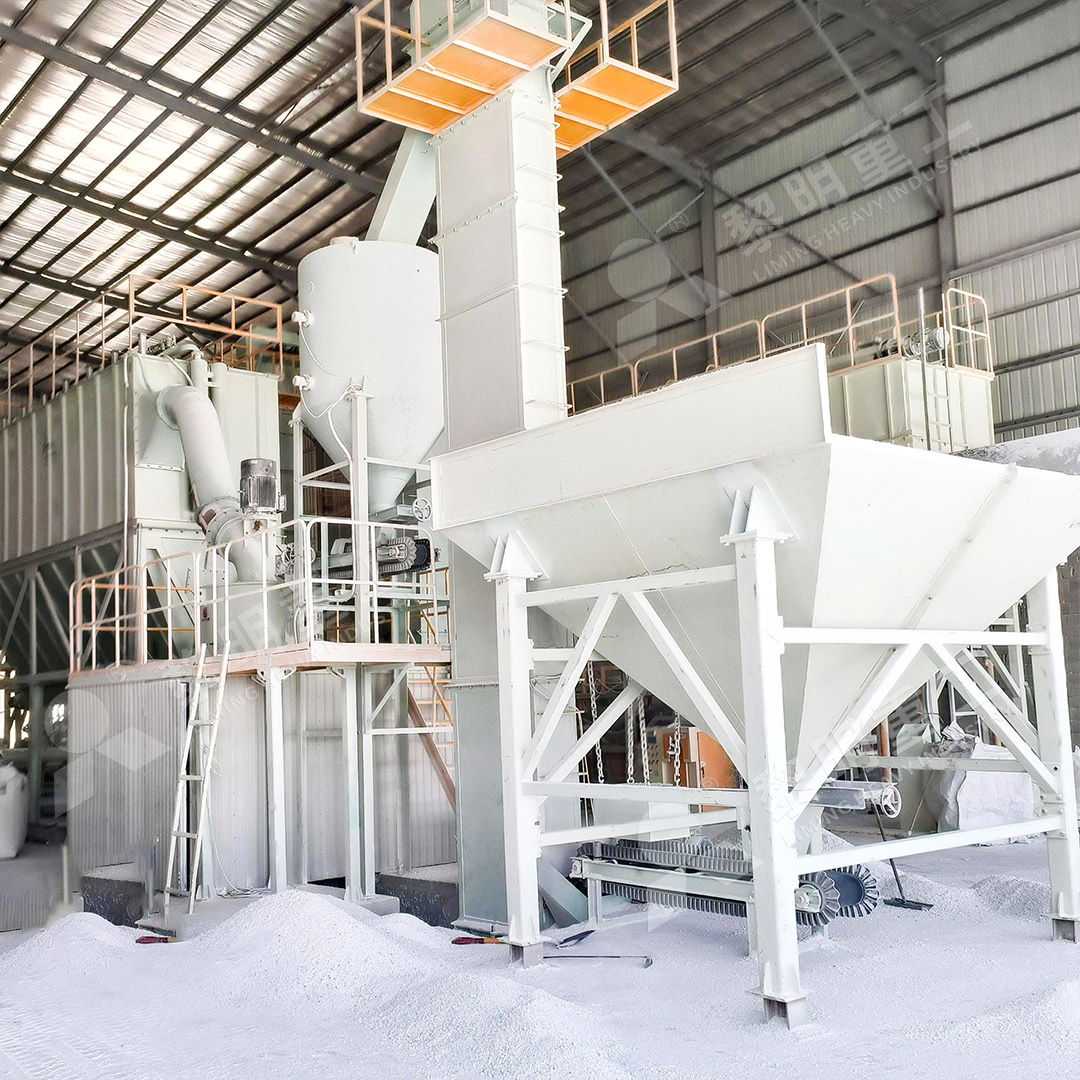
Similarly, the LUM Ultrafine Vertical Grinding Mill is a masterpiece of integrated design. It combines ultrafine powder grinding, grading, and transporting in a single, highly efficient unit. With an input size of 0-10 mm and a capacity of 5-18 tph, it excels in producing superfine dry powder. It incorporates the latest grinding roller technology and German powder separating technology. Its unique roller shell and lining plate grinding curve are designed to easily generate a material layer, enabling a high rate of finished product in a single pass. This not only boosts efficiency but also improves the whiteness and cleanliness of the final powder. Features like double position-limiting technology ensure operational stability, while a reversible structure makes maintenance quicker and easier.
Making the Right Investment
Choosing between a traditional 3R3016 Raymond Mill and a more advanced system like the MW or LUM series depends entirely on your production goals. The 3R3016 remains a cost-effective and reliable solution for standard fine powder production. However, if your business aims for higher value-added products, requires ultra-fine powders, prioritizes lower energy consumption, or demands a greener production footprint, investing in our next-generation mills will provide a faster return on investment through superior performance and lower operating costs.
Pricing for the 3R3016 varies based on configuration, market conditions, and auxiliary equipment. For an accurate quotation and a detailed technical comparison tailored to your specific materials and output requirements, we encourage you to contact our engineering team. We are committed to helping you select the perfect grinding solution to drive your productivity forward.
Frequently Asked Questions (FAQ)
- What is the main difference between the 3R3016 Raymond Mill and your MW Ultrafine Grinding Mill?
The primary differences lie in fineness capability and technology. The 3R3016 typically produces powder up to 325 mesh, while the MW Mill can achieve up to 2500 meshes. The MW Mill also features a more advanced powder selector, a chamber free of internal bearings/screws for easier maintenance, and is designed with higher environmental controls from the ground up. - Can the 3R3016 Raymond Mill handle moist materials?
It is designed for materials with humidity below 6%. For materials with higher moisture content, a separate drying system would be required before grinding, or you should consider our vertical mills (like LM or LUM series) which often integrate drying and grinding functions. - How often do the grinding rollers and rings need replacement on a 3R3016?
Wear life depends heavily on the abrasiveness of the material being processed. For moderately abrasive materials like calcite, they can last several thousand hours. Using wear-resistant alloys can significantly extend service life. Our MW and LUM mills also feature specially designed wear parts for extended durability. - Is the 3R3016 suitable for producing food-grade or pharmaceutical-grade powders?
While it can grind many relevant materials, achieving the stringent purity, contamination control, and fineness (often very high) required for these industries is challenging with a standard 3R3016. Our MW Ultrafine Grinding Mill, with its sealed design, advanced separation, and lack of internal lubricants in the grinding zone, is a more suitable candidate for such high-purity applications. - What kind of after-sales support do you provide with your grinding mills?
We provide comprehensive support including installation guidance, operational training, and a full supply of genuine spare parts. Our technical service team is available to ensure worry-free operation throughout the lifecycle of the equipment, whether you choose a traditional Raymond mill or our advanced ultrafine models.