
3R Raymond Mill Price Guide and Cost Analysis
We provide a wide range of mills — including Raymond mill, trapezoidal mill, vertical mill, ultrafine mill, and ball mill, obtained ISO9001 international quality certification, EU CE certification, and Customs Union CU-TR certification. Suitable for processing minerals such as limestone, phosphate, quicklime, kaolin, talc, barite, bentonite, calcium carbonate, dolomite, coal, gypsum, clay, carbon black, slag, cement raw materials, cement clinker, and more.
The discharge range of these mills can be adjusted to meet specific processing needs, typically from 80-400 mesh, 600-3250 mesh, and can achieve the finest particle size of up to 6000 mesh(D50).
If you are looking for a reliable grinding solution to turn stone or minerals into fine powder, please feel free to contact our online customer service.
3R Raymond Mill Price Guide and Cost Analysis
For over a century, the Raymond mill has been a cornerstone of fine powder processing across industries from mining to construction. The “3R” designation, referring to three grinding rollers, represents a classic and widely used configuration. However, navigating the market for a 3R Raymond mill involves more than just comparing sticker prices. A comprehensive cost analysis must consider capital expenditure, operational efficiency, maintenance overhead, and final product quality. This guide aims to demystify the pricing factors and provide a framework for making an informed investment.
Understanding the Core Cost Drivers
The initial purchase price of a 3R Raymond mill is influenced by several key factors:
- Manufacturing Quality & Materials: Mills constructed with high-grade alloy steels for grinding rings and rollers, precision-machined components, and robust gearboxes command a higher price but offer dramatically longer service life and stability.
- Technical Features: Modern iterations may include advanced PLC control systems, efficient pulse dust collectors, and automatic lubricating systems. These features increase upfront cost but significantly reduce long-term operational expenses and environmental impact.
- Capacity & Fineness Range: A standard 3R mill typically handles an input size below 25mm with a capacity ranging from 0.6 to 5 tons per hour (tph). Models optimized for higher throughput or finer end products (e.g., beyond 325 mesh) will see a price increment.
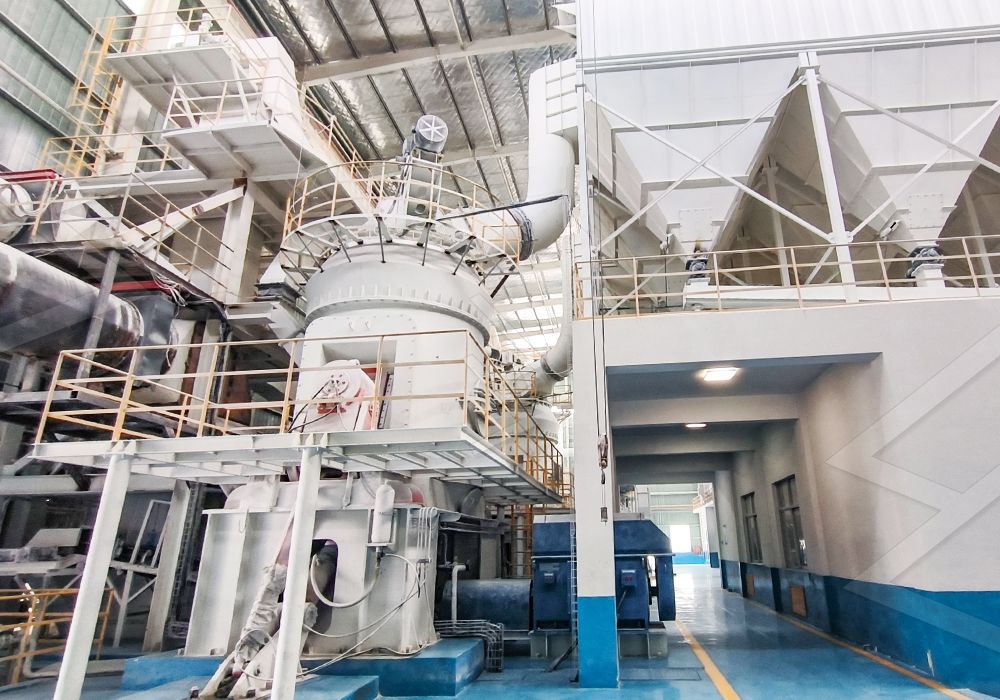
- Ancillary Systems: The complete grinding line includes a jaw crusher, elevator, feeder, classifier, dust collector, and piping. The price and quality of this auxiliary equipment are substantial parts of the total system cost.
The Hidden Calculus: Total Cost of Ownership (TCO)
A savvy buyer looks beyond the invoice. The true cost of a grinding mill is its Total Cost of Ownership, calculated over its operational lifespan.
- Energy Consumption: This is the single largest ongoing cost. Traditional 3R designs, while reliable, are not always the most energy-efficient. Grinding efficiency directly correlates with power bills.
- Wear Part Replacement: The frequency and cost of replacing grinding rollers, rings, and blades are critical. Mills designed for easy maintenance and with ultra-wear-resistant parts lower downtime and spare part costs.
- Labor & Downtime: Manual lubrication, frequent adjustments, and complex maintenance procedures increase labor costs. Unplanned downtime for repairs is extraordinarily expensive in lost production.
- Product Yield & Quality: A mill that produces a higher percentage of in-spec powder on the first pass (high screening rate) and offers consistent fineness control reduces waste and improves product value.
Modern Alternatives: Enhancing Value and Performance
While the 3R Raymond mill remains a viable workhorse for certain applications, technological evolution has introduced superior options that offer a better TCO for many modern fine and ultra-fine grinding needs. Investing in advanced technology often yields a faster return on investment through massive savings in energy and maintenance.
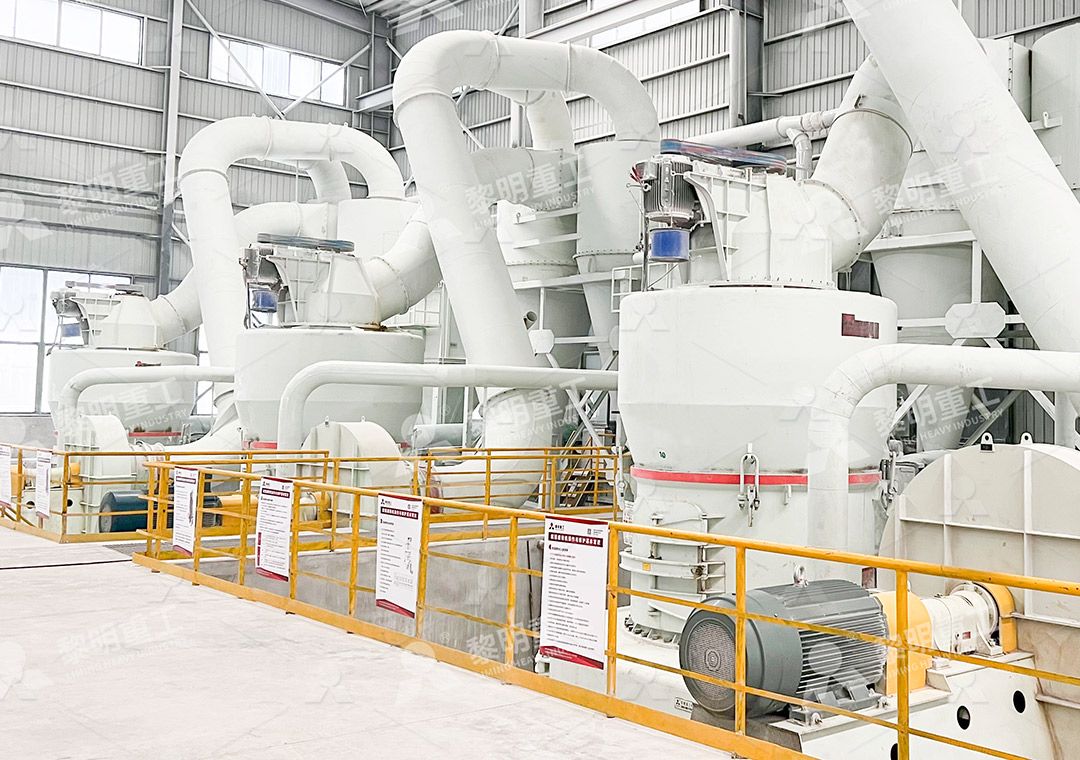
For operations requiring higher capacity, superior fineness control, and exceptional energy efficiency, the MW Ultrafine Grinding Mill represents a leap forward. Engineered for customers needing to produce ultra-fine powder between 325-2500 meshes, it addresses the major cost centers head-on. Its newly designed grinding curves and German-technology cage-type powder selector enable a production capacity up to 40% higher than jet mills while consuming only 30% of the energy. Crucially for cost control, its grinding chamber has no rolling bearings or screws, eliminating common failure points and enabling external lubrication without shutdown for true 24/7 operation. Paired with its efficient pulse dust collector, it ensures eco-friendly production that meets stringent environmental standards, avoiding potential regulatory costs.
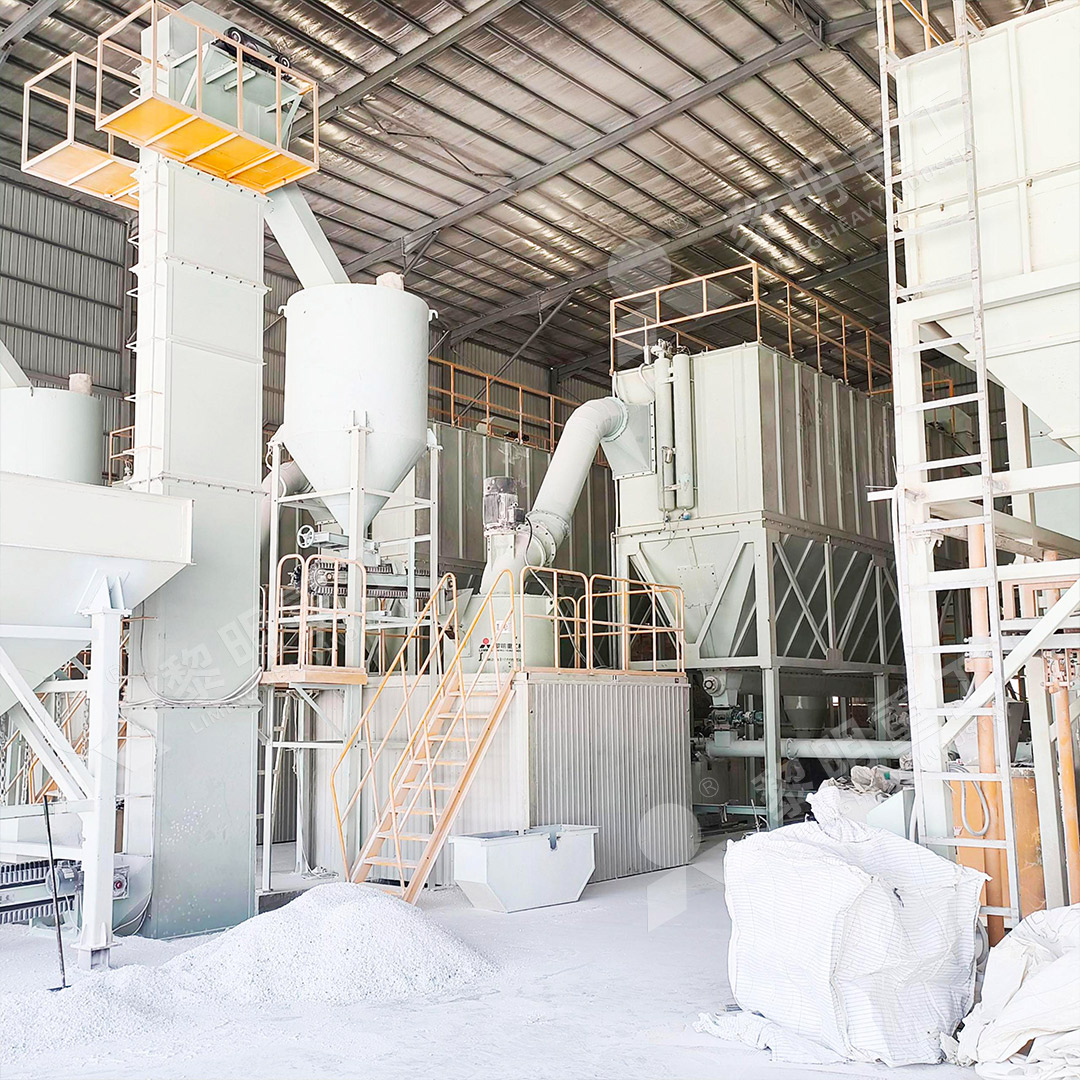
For high-volume processing of non-metallic minerals, coal, and slag, the LM Vertical Grinding Mill is a transformative solution. Its integrated design crushes, dries, grinds, classifies, and conveys in a single unit, reducing the comprehensive investment by minimizing footprint and auxiliary equipment needs. It saves 30%-40% in energy consumption compared to traditional ball mills. Its short material lingering time reduces over-grinding and ensures low iron content in the final product, enhancing quality. Fully automated and operating under negative pressure with minimal dust and noise, it drastically cuts operational and environmental management costs.
Making the Right Investment Decision
When analyzing the price and cost of a 3R Raymond mill, use this checklist:
- Define Needs: Clearly outline required capacity, input size, and product fineness.
- Request Detailed Quotes: Insist on line-item pricing that includes all auxiliary equipment, installation, and commissioning.
- Calculate TCO: Model 5-year costs including power (based on motor kW), estimated wear part consumption, and expected maintenance labor.
- Evaluate Technology: Seriously consider modern mills like the MW or LM series. Their higher initial price is frequently offset within 1-2 years by energy and maintenance savings, not to mention gains in output and product quality.
- Assess Supplier Support: Choose a manufacturer like LIMING that guarantees the supply of original spare parts and provides worry-free technical support, ensuring sustained productivity.
In conclusion, the most cost-effective mill is not necessarily the one with the lowest purchase price. It is the one that delivers the lowest cost per ton of high-quality finished powder over its entire service life. By prioritizing total cost of ownership and exploring next-generation grinding solutions, businesses can secure not just a machine, but a durable competitive advantage.
Frequently Asked Questions (FAQ)
- What is the typical price range for a complete 3R Raymond mill system?
Prices vary widely based on configuration, capacity, and origin. A basic system can start in the tens of thousands of USD, while a fully-equipped, high-capacity line from a premium manufacturer can reach several hundred thousand. Always request a customized quotation based on your specific material and output requirements. - How does the energy consumption of a 3R Raymond mill compare to newer vertical mills?
Traditional 3R mills are generally less energy-efficient. Modern vertical mills like the LM series integrate grinding and drying, using a roller-and-table principle that applies pressure directly to the material bed, often reducing energy consumption by 30% to 50% for comparable output. - What are the most common and costly wear parts in a Raymond mill?
The grinding rollers and rings are the primary wear parts. Their replacement frequency and cost depend on material abrasiveness. Modern mills use special alloys to extend service life by 2-3 times compared to standard manganese steel. - Can a 3R Raymond mill produce ultra-fine powder below 10μm?
While it can achieve moderate fineness, producing consistent ultra-fine powder below 10μm (d97) is challenging for a standard 3R design. For such applications, dedicated ultra-fine mills like the MW Ultrafine Grinding Mill, with its advanced cage-type powder selector, are specifically engineered to achieve fineness up to 2500 mesh (d97≤5μm) efficiently. - How important is the dust collection system, and does it affect the overall price?
It is critical for operational safety, environmental compliance, and product recovery. An efficient pulse jet dust collector adds to the initial cost but prevents product loss, protects worker health, and avoids potential fines. It is a non-negotiable component of a modern, responsible setup. - Is remote monitoring and automation available for these mills?
Yes, contemporary models from advanced manufacturers offer PLC-based control systems allowing for remote monitoring, automatic adjustment of parameters, and data logging. This increases consistency, reduces manual intervention, and is a key feature for modern smart factories.