
3R Raymond Mill for Sodium Feldspar Grinding: A Time-Tested Solution for Consistent Quality
We provide a wide range of mills — including Raymond mill, trapezoidal mill, vertical mill, ultrafine mill, and ball mill, obtained ISO9001 international quality certification, EU CE certification, and Customs Union CU-TR certification. Suitable for processing minerals such as limestone, phosphate, quicklime, kaolin, talc, barite, bentonite, calcium carbonate, dolomite, coal, gypsum, clay, carbon black, slag, cement raw materials, cement clinker, and more.
The discharge range of these mills can be adjusted to meet specific processing needs, typically from 80-400 mesh, 600-3250 mesh, and can achieve the finest particle size of up to 6000 mesh(D50).
If you are looking for a reliable grinding solution to turn stone or minerals into fine powder, please feel free to contact our online customer service.
3R Raymond Mill for Sodium Feldspar Grinding: A Time-Tested Solution for Consistent Quality
For decades, the Raymond Mill has stood as a cornerstone of fine powder processing in industries ranging from ceramics to chemicals. When it comes to grinding sodium feldspar—a key raw material for glassmaking, ceramics, and fillers—the 3R Raymond Mill remains a popular and reliable choice for many operations. Its enduring appeal lies in a combination of simplicity, robustness, and proven performance for achieving the 80-400 mesh range typically required for feldspar applications.
Sodium feldspar, prized for its alumina content and fluxing properties, demands a grinding process that preserves its chemical composition while delivering consistent particle size distribution. The 3R Raymond Mill, with its classic pendulum roller design, excels in this regard. The system works on the principle of centrifugal force, where oscillating rollers press against a stationary grinding ring, crushing the fed material. The ground powder is then carried by an air stream to a classifier for separation, with oversize particles returning for further grinding.
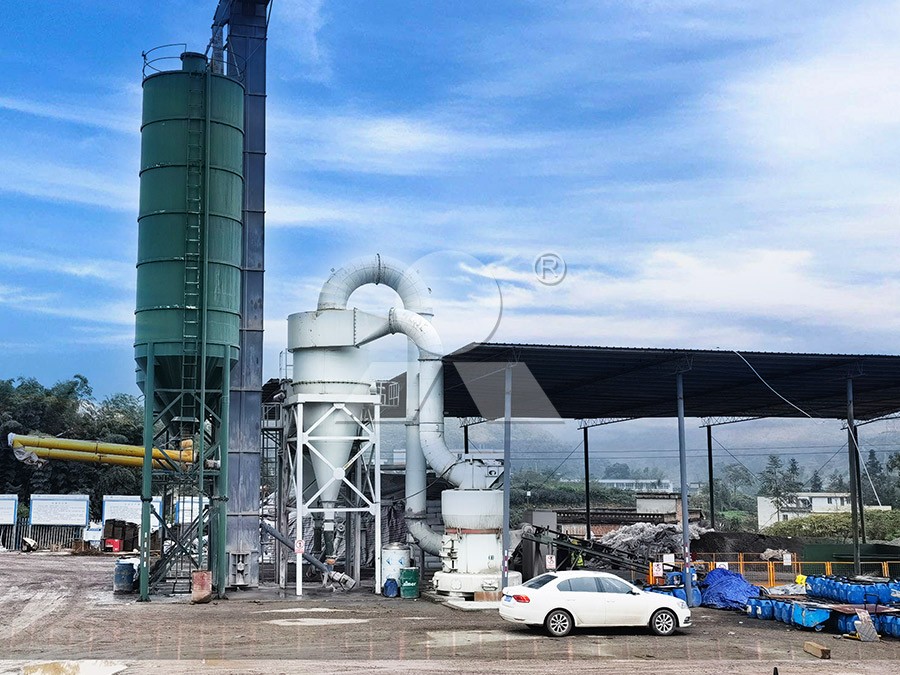
For sodium feldspar, this results in a product with excellent uniformity. The mill’s mechanical design, with no direct metal-to-metal contact between the grinding rollers and ring during idle operation, minimizes unwanted iron contamination—a critical factor for maintaining the whiteness and purity of the final feldspar powder. Furthermore, its compact footprint and relatively low investment and operating costs make it an accessible entry point for small to medium-scale processing plants.
Understanding the Limitations and Modern Alternatives
While the 3R Raymond Mill is a capable workhorse, the evolving demands of the market for higher fineness, greater throughput, and superior energy efficiency have led to significant technological advancements. Traditional Raymond mills can face challenges with higher energy consumption per ton when targeting finer meshes beyond 400 mesh and may have limitations in handling higher moisture content without integrated drying.
This is where modern grinding technologies from LIMING Heavy Industry offer compelling advantages. For operations looking to upgrade their sodium feldspar processing for higher value-added products, our MW Ultrafine Grinding Mill presents a revolutionary step forward.
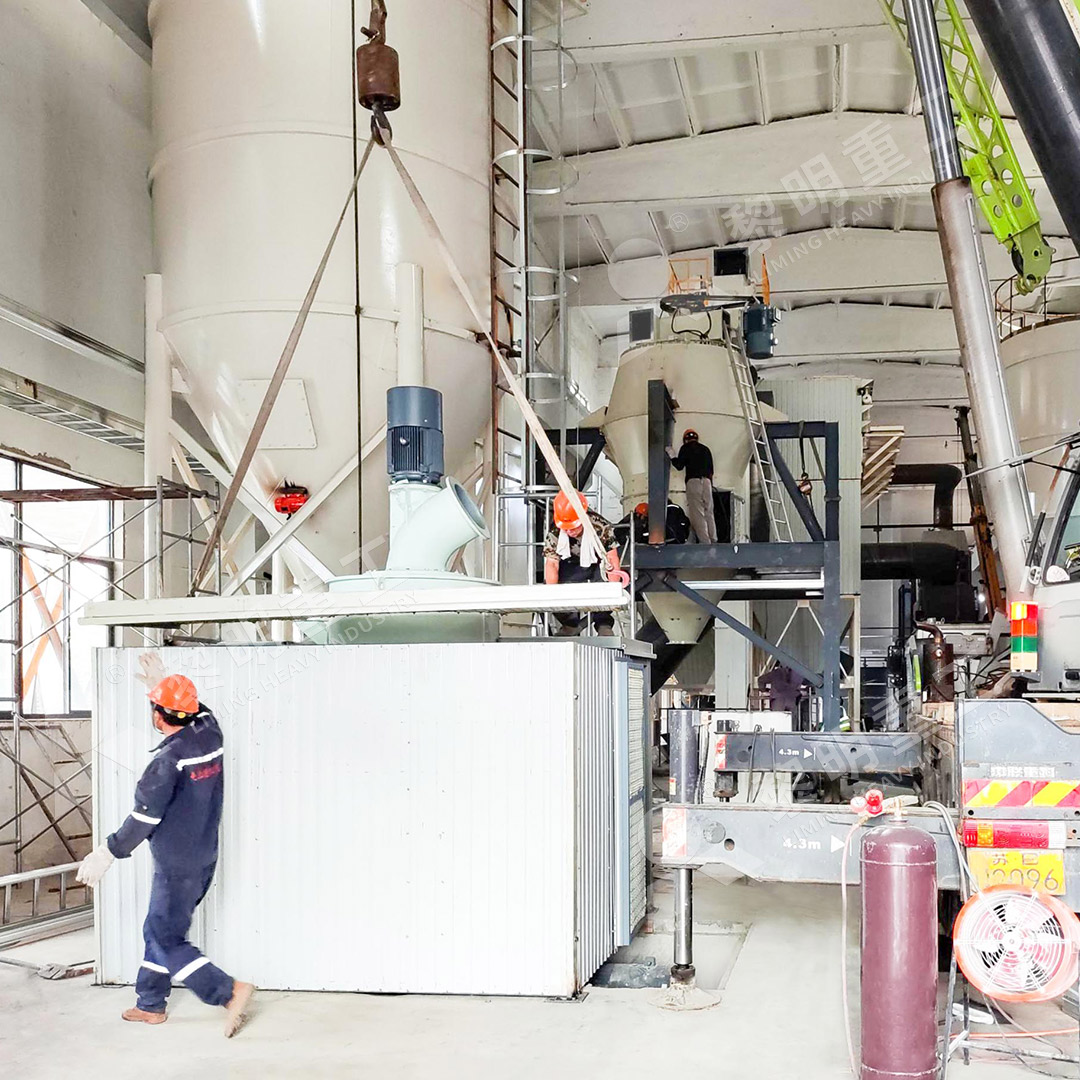
Engineered for customers requiring ultra-fine powder between 325-2500 meshes, the MW Series is not merely an iteration but a reimagining of fine grinding. Its newly designed grinding curves for the roller and ring enhance efficiency dramatically. Compared to a traditional Raymond mill or even a ball mill targeting similar fineness, the MW Mill can increase production capacity by up to 40% while reducing system energy consumption by as much as 70%. For sodium feldspar destined for high-grade ceramics or specialty coatings, the ability to achieve a consistent d97 ≤ 5μm fineness in a single pass is a game-changer.
Operational reliability is also paramount. The MW Mill’s chamber eliminates rolling bearings and screws, removing common failure points and concerns about loose components causing damage. Combined with an external lubrication system that allows for maintenance without shutdown, it ensures continuous, worry-free 24/7 production—a vital feature for modern manufacturing lines.
Choosing the Right Tool for Your Feldspar Business
The choice between a traditional 3R Raymond Mill and a next-generation solution like the MW Ultrafine Grinding Mill ultimately depends on your product goals, scale, and operational priorities.
- Stick with a 3R Raymond Mill if: Your primary product range is between 80-400 mesh, your budget for capital expenditure is limited, and your operation values mechanical simplicity and ease of maintenance with readily available spare parts.
- Consider upgrading to an MW Ultrafine Grinding Mill if: You aim to produce ultra-fine feldspar powder (500-2500 mesh) for premium markets, you prioritize lower energy consumption and higher throughput to improve ROI, and you require a fully enclosed, environmentally friendly system with advanced dust collection and noise reduction.
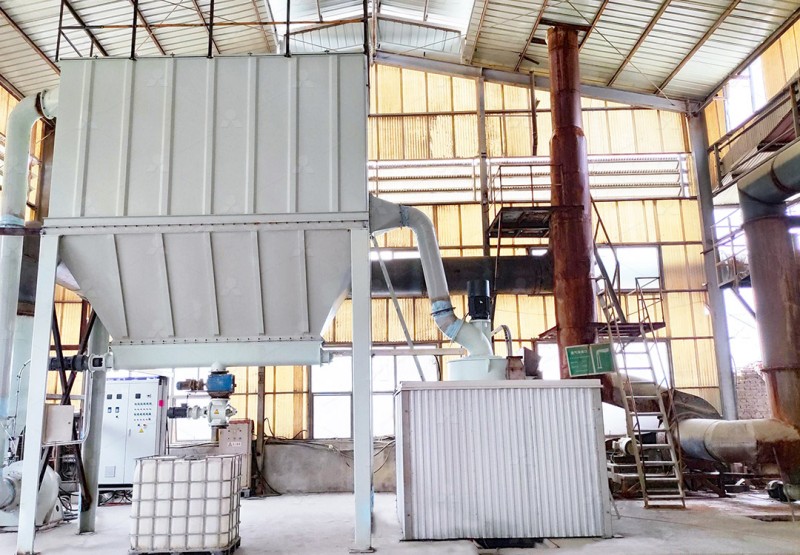
For high-volume operations processing standard-grade feldspar, another excellent option from our portfolio is the MTW European Trapezium Grinding Mill. It offers a perfect balance of high efficiency, larger capacity (3-55 tph), and lower wear. Its bevel gear integral transmission and curved air duct design provide stable operation and energy savings, making it a superior direct replacement for older Raymond mill systems, capable of handling input sizes up to 50mm.
In conclusion, the 3R Raymond Mill has earned its place in history as a dependable solution for sodium feldspar grinding. However, to stay competitive, reduce environmental impact, and tap into higher-margin product segments, exploring LIMING’s advanced grinding technologies is a strategic move. Our MW and MTW series mills are designed to deliver the performance, efficiency, and reliability that today’s mineral processing industry demands.
Frequently Asked Questions (FAQs)
1. Can a 3R Raymond Mill achieve 800 mesh fineness for sodium feldspar?
While it is technically possible, it is highly inefficient. A traditional 3R Raymond Mill is optimized for the 80-400 mesh range. Grinding to 800 mesh would require multiple passes, drastically reducing throughput and significantly increasing energy consumption and wear. For consistent, efficient production at 800 mesh and beyond, an ultrafine mill like the LIMING MW Series is specifically designed for this purpose.
2. What is the main advantage of the MW Ultrafine Mill over a traditional ball mill for fine feldspar?
The MW Ultrafine Grinding Mill offers substantially higher energy efficiency and a more compact design. It can achieve the same or finer fineness with about 30-40% of the energy consumption of a ball mill. Furthermore, its integrated dynamic classifier allows for precise particle size control in a single step, whereas ball mills often require external classification systems.
3. How does the MTW European Trapezium Mill improve upon the old Raymond mill design?
The MTW Mill incorporates several key upgrades: a bevel gear overall drive for smoother transmission and smaller footprint, an inner automatic thin-oil lubrication system for better roller maintenance, and a curved air duct that reduces airflow resistance and energy use. Its wear-resistant grinding rollers and rings also have a much longer service life, reducing operating costs.
4. Is the dust control effective in these mills for a clean working environment?
Yes, especially in our newer models. Both the MW and MTW mills are equipped with high-efficiency pulse dust collectors and are designed as negative-pressure systems. This ensures that dust generated during grinding is effectively captured and contained, meeting strict national environmental protection standards and creating a cleaner plant environment.
5. What kind of after-sales support is available for these grinding mills?
LIMING Heavy Industry takes full responsibility for every machine we produce. We provide comprehensive technical services, installation guidance, and operational training. Crucially, we guarantee a sufficient supply of original spare parts, ensuring long-term, worry-free operation and minimizing downtime for our customers worldwide.